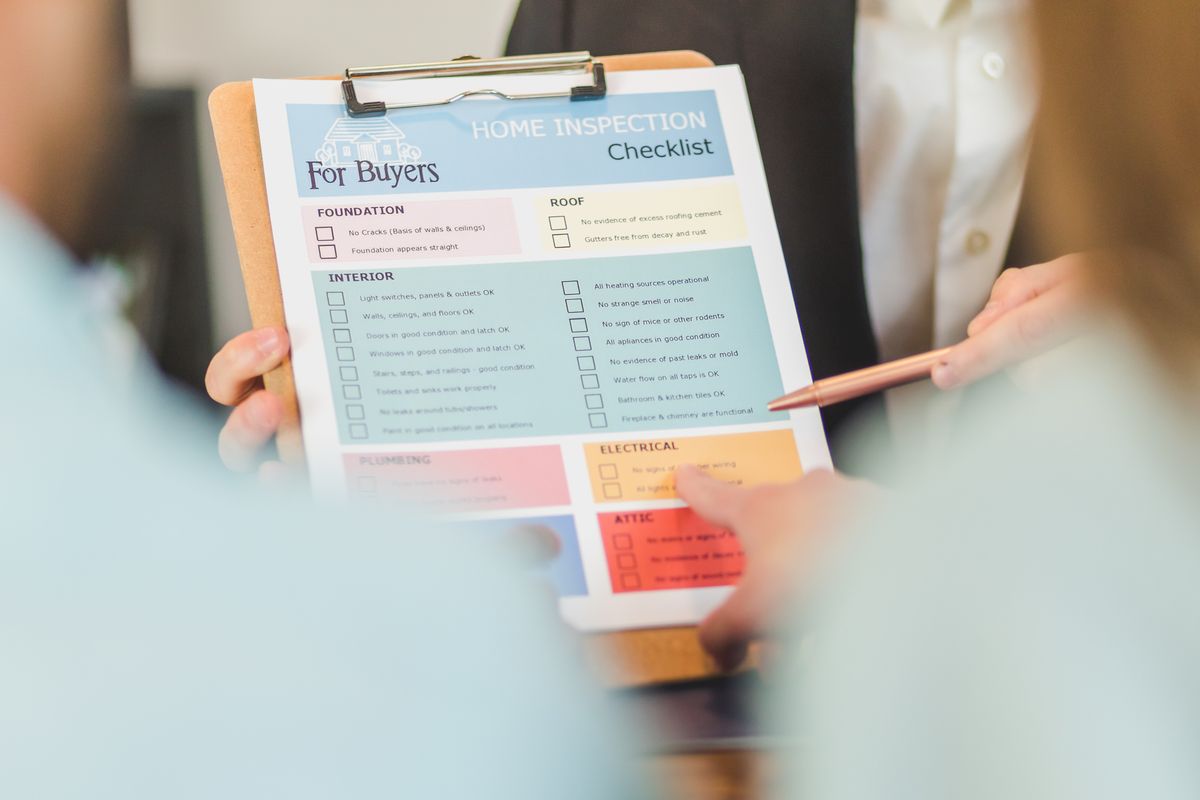
A clear record can make a rental’s condition easier to discuss.
Why documenting condition matters
A security deposit is money held under the rental arrangement.
Its handling depends on the agreement and applicable local rules.
A condition record creates a shared reference for the home’s state.
It can help clarify which marks or problems existed before occupancy.
Without that reference, people may remember the same room differently.
Detailed observations give later conversations something specific to address.
Documentation does not guarantee a particular deposit decision.
It supports a more informed discussion and helps you explain your perspective.
The goal is not to make a rental appear flawless.
It is to describe its actual condition accurately and consistently.
Understand the local framework first
Deposit rules differ among countries, states, provinces, territories, and municipalities.
Do not assume a rule from another place applies to your tenancy.
Read the rental agreement and any condition or inventory forms provided.
Check how the documents describe existing damage, cleaning, repairs, and reporting procedures.
Look for instructions about when and how to return condition records.
Some processes may specify a deadline or preferred communication method.
Use official local government or housing resources to verify applicable requirements.
A landlord’s explanation can be useful, but it may not settle every legal question.
If wording is unclear, ask for clarification in writing.
For a serious dispute, consider a local tenant advice service or qualified professional.
Prepare before inspecting
Arrange a careful inspection while the property is accessible and well lit.
If possible, do it before moving belongings into the rooms.
Bring the inventory form, a charged camera or phone, and a way to record notes.
Keep the rental agreement available for checking relevant descriptions.
Inspect methodically rather than relying on memory.
Move through the home in a consistent order, such as room by room.
Include shared areas and provided spaces that form part of the tenancy.
Check storage areas, balconies, parking spaces, and fixtures when relevant.
Do not move heavy items or test equipment in ways that could cause damage.
Record anything you cannot safely inspect or access.
Build a useful room-by-room record
Begin each room by noting its general state, surfaces, and fixed features.
Then describe individual marks, defects, or signs of wear.
Be precise about location and appearance.
“Small mark beside the lower door hinge” is more useful than “door damaged.”
Record whether an item appears clean, worn, loose, stained, cracked, or in need of attention.
Avoid exaggeration and conclusions about who caused it.
Describe the condition you can observe, not an assumed cause.
A damp patch, for example, is an observation; its source may need investigation.
Note items that appear missing or do not match the inventory.
Ask the landlord or agent to confirm unclear entries.
For appliances, record visible condition and whether they operate during ordinary use.
Do not claim a technical fault unless you have evidence.
Photograph with context and detail
Take a wide photograph that shows where an issue sits within the room.
Then take closer images that reveal its visible details.
Include the surrounding wall, fixture, or floor when useful.
Context can make a close-up easier to identify later.
Keep images sharp, well lit, and faithful to what you see.
Avoid filters, edits, or framing that could misrepresent the condition.
Photograph each distinct issue from a useful angle.
If glare or shadows obscure a mark, try another position or lighting condition.
Capture the room’s overall state as well as specific defects.
Broad views can show cleanliness and the relationship between different areas.
Do not rely on photographs alone.
Written notes help explain what an image shows and where the image was taken.
Make photographs identifiable
Use a consistent naming system that identifies the room and subject.
A simple label is more helpful than a camera’s unexplained default filename.
Keep original image files when possible.
Preserve available capture information and avoid overwriting the originals with edited copies.
Maintain a separate note linking each image to its description.
This makes a large collection easier to review without guessing.
Photograph documents only when appropriate and protect personal information.
Avoid capturing people, private papers, or details unrelated to the property’s condition.
Save copies somewhere secure and accessible to you.
A second storage location can reduce the risk of losing the record with a device.
Complete the inventory carefully
Read every line before signing or returning an inventory.
A form can become an important reference, so do not treat it as a formality.
Mark inaccurate descriptions clearly and explain the observed condition.
If the form lacks space, attach a dated note and identify the related entry.
Do not leave uncertain items unaddressed.
Write that an item was not accessible or could not be tested, when that is accurate.
Keep a copy of the completed form and any attachments.
Save the version you sent, not just an unfinished working document.
If a landlord supplies a revised version, compare it with your copy.
Ask about changes that do not reflect your observations.
Separate existing wear from new damage
Ordinary use can leave signs of wear, while damage describes a different kind of condition.
The distinction and its consequences depend on local rules and agreements.
Record the visible facts rather than deciding a legal classification yourself.
Note the mark’s location, extent, and appearance without labeling it unfairly.
At move-in, capture existing scuffs, faded finishes, worn carpets, and loose fittings.
Their later comparison may help explain whether a condition changed.
At move-out, compare the same areas and angles where practical.
A consistent comparison is easier to understand than unrelated photographs.
Do not assume every change is chargeable or that every mark is acceptable wear.
The relevant standard depends on the circumstances and applicable rules.
Record problems and repair requests
Report leaks, unsafe conditions, or malfunctioning fixtures through the required channel.
Prompt communication can create a record that the issue was brought forward.
Describe the problem plainly and include its location.
Attach relevant photographs, but avoid claiming a cause you cannot establish.
Keep a copy of each message and any response.
Record the date of communication in your own notes without relying on memory.
If someone inspects or repairs the issue, note what happened and what remains unresolved.
Keep invoices or service documents when they are provided.
Follow any emergency procedure stated in the agreement or local guidance.
Documentation should not delay steps needed to address immediate safety concerns.
Communicate clearly and professionally
Use the communication method required by the tenancy or local process.
Written messages can help preserve an accurate account of what was reported.
Keep messages focused on observable facts and specific requests.
Clear language is more productive than accusations or broad conclusions.
When sending a condition report, identify the property and attach the relevant form or notes.
Ask the recipient to confirm receipt when appropriate.
If you disagree about an entry, explain the difference calmly and point to supporting records.
Preserve the original exchange rather than replacing it.
Keep a log of conversations that happen in person or by phone.
Note who participated, what was discussed, and any agreed follow-up.
Protect the record over the tenancy
Store the agreement, inventory, photographs, messages, and repair records together.
A clear folder structure saves time when a question arises.
Use descriptive filenames and organize files by room or document type.
Keep the naming approach consistent throughout the tenancy.
Back up records in a secure place you control.
Check that saved files open and that photographs remain legible.
Limit sharing to people who need the information.
Property records may include personal details, so consider privacy before forwarding files.
Keep records for the period relevant to local requirements and possible disputes.
When unsure, check local guidance before deleting important documents.
Prepare a reliable move-out comparison
Review the original condition record before cleaning or returning keys.
It can remind you which issues were already present.
Photograph rooms after your belongings are removed, where practical.
Empty spaces can make floors, walls, and fixtures easier to assess.
Use similar viewpoints and lighting to compare move-in and move-out images.
Label each pair so the locations are unmistakable.
Record any new issue honestly and keep evidence of related communications.
Concealing a change can weaken trust in the rest of your documentation.
Follow the agreed handover process and keep proof of relevant submissions.
Ask for a written account of any proposed deposit deductions.
Common documentation mistakes
Rushed inspection often leaves overlooked rooms and vague notes.
Allow enough attention for the entire property rather than focusing only on obvious defects.
Unlabeled photographs can lose their usefulness when their locations become unclear.
Add room and subject descriptions soon after taking them.
Conflicting records create confusion when forms and messages describe different conditions.
Check that attachments, notes, and submitted forms agree.
Emotional language can distract from useful detail.
Replace judgments with neutral descriptions that someone else can verify.
Late reporting may complicate an explanation of when a problem appeared.
Communicate concerns through the appropriate channel once you identify them.
What to do now
- Read your agreement and locate the applicable local deposit guidance.
- Gather the inventory form, camera, and a secure place for records.
- Inspect the property systematically before belongings obscure surfaces.
- Write precise room-by-room notes about visible condition and access limits.
- Take contextual and close photographs without altering the originals.
- Correct inaccurate inventory entries and keep a copy of your submission.
- Report maintenance concerns through the required communication channel.
- Organize records so move-out comparisons remain easy to make.
A record is strongest when it stays factual
Careful documentation is not a substitute for local rules or a written agreement.
Its value comes from making observations traceable and communication clearer.
When the record distinguishes what you saw from what you assume, it becomes more credible.
That discipline can help keep a deposit conversation focused on evidence.
Featured photo by RDNE Stock project on Pexels.

Photo by RDNE Stock project on Pexels.
 Article
 Article
 Article
 Article
 Article
 Article
 Article
 Article