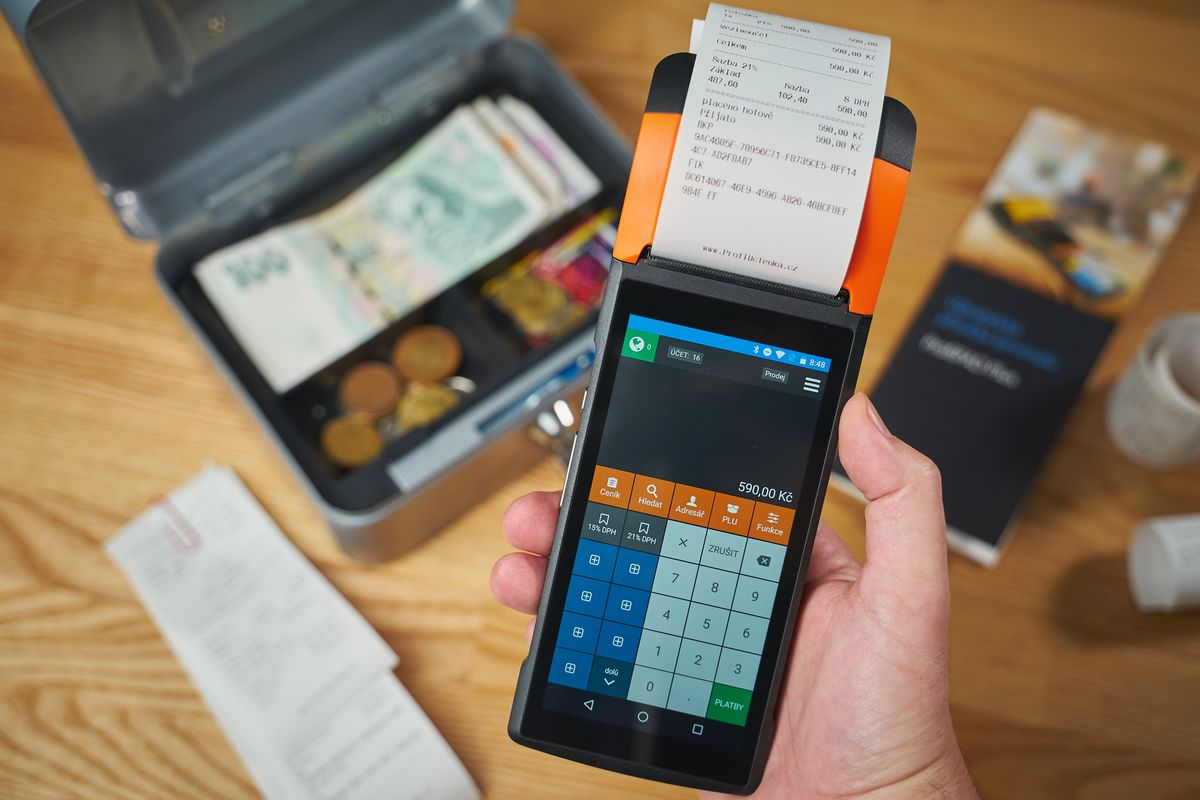
Clear records make money movement easier to understand.
What monthly reconciliation means
Reconciling means comparing mobile money activity with bank records for the same period.
You check whether expected transactions appear in the relevant records.
You also examine whether account balances follow from their recorded activity.
The goal is not to make separate account balances identical.
Instead, you explain differences, identify missing entries, and correct errors where needed.
A mobile money wallet and a bank account are separate financial records.
Some transactions connect them, such as transferring money between your accounts.
Other transactions happen only in one place.
A wallet payment to a merchant, for example, may have no bank entry.
That difference does not automatically mean either record is wrong.
Reconciliation gives you a documented explanation of what happened.
For personal finances, it can clarify spending and available funds.
For a business, it can support bookkeeping and follow-up on unsettled transactions.
The same basic comparison works for both, although business records may need more detail.
Gather records before comparing
Start with the mobile money statement or transaction history for the period.
Get the bank statement covering the same period.
Save readable copies in a secure place.
If a provider only shows activity onscreen, carefully record the relevant entries.
Transaction messages can support your review, but should not replace complete statements.
Messages may be deleted, missed, or separated from related account activity.
Collect receipts, invoices, confirmations, and notes that explain particular transactions.
These materials can help identify activity, while statements remain central to comparison.
Choose a consistent period, such as the period covered by your bank statement.
Check whether the mobile money record covers the same dates.
If the periods differ, note each record’s opening and closing dates.
Do not compare totals across different periods without accounting for the date gap.
Keep records private, especially when they show account identifiers or personal details.
Use protected storage and limit access to people who need it.
Set up a simple comparison
A spreadsheet, notebook, or bookkeeping software can all work.
Choose a method you can maintain accurately and review later.
Create separate areas for the wallet, bank account, and explanations.
For each entry, capture the date, description, amount, direction, and reference when available.
Direction means whether money entered or left an account.
Use one sign convention consistently to avoid confusing deposits with withdrawals.
Keep original descriptions nearby, even when you add a clearer explanation.
A note such as “transfer to bank” can clarify an unfamiliar entry.
Do not turn a guess into a definite description.
Mark uncertain entries and return to them during your review.
A small table may be enough for personal finances.
A business may need categories for sales, operating costs, and internal transfers.
Choose categories that reflect how the records are used.
Too much detail can make regular recordkeeping difficult.
Too little detail can hide useful distinctions.
Adjust categories when repeated questions show that your current setup is unclear.
Match transactions carefully
Begin with transactions that clearly appear in both records.
A transfer from mobile money to a bank account should usually have two related entries.
The wallet may record money leaving, while the bank records money arriving.
Compare amounts, dates, descriptions, and references rather than relying on one clue.
References can help when descriptions are abbreviated or transactions look similar.
The two records may show different dates for the same transfer.
Processing or recording timing may explain that difference.
Check the details before treating it as an error.
Mark matched entries so you do not count one movement twice.
A wallet payment without a bank counterpart may be perfectly ordinary.
Ask whether that particular payment should appear in the bank record.
A direct wallet purchase normally belongs only in the wallet record.
A direct bank payment may have no mobile money entry.
Similar amounts do not prove that two entries belong together.
Check references or supporting receipts when possible.
If the match remains uncertain, leave the item unresolved.
Understand fees, reversals, and timing
Fees can make the amount leaving one account differ from the amount received elsewhere.
Look for a separate fee entry or a description identifying a charge.
Record a separately listed fee as its own cost.
If a provider combines a fee and transfer, document how you recorded it.
A reversal may cancel or correct an earlier transaction.
Find both entries and check whether the reversal relates to the original.
Do not erase the original transaction from your working records.
Keeping both entries preserves the history and explains the correction.
A pending or delayed transaction may fall near a statement boundary.
Check transaction dates, posting dates, and provider details when available.
Choose which date you use consistently and note differences.
An entry may appear after one statement closes but before another record updates.
Document the timing difference and check the next relevant statement.
A timing explanation should have supporting records.
Do not use timing to dismiss an amount you cannot explain.
Explain balances without forcing them to match
Each account has its own balance because it holds money separately.
The balances are not meant to be identical.
For each account, compare its opening balance, recorded activity, and closing balance.
Check whether the opening balance agrees with the previous statement’s closing balance.
Then see whether deposits, withdrawals, charges, and corrections explain the closing balance.
Perform this check separately for the wallet and bank account.
When reviewing combined funds, count transfers between your accounts only once.
A transfer out is not income simply because another account receives it.
Keep internal transfers out of income and spending totals when money only changes location.
Fees charged for those transfers remain costs.
For business records, distinguish customer receipts from internal account transfers.
This helps prevent internal movement from being recorded as sales.
Write a short note explaining any remaining balance difference.
Identify the account, entry, evidence reviewed, and next step.
Investigate unmatched entries
Review unmatched transactions individually, beginning with the clearest or most consequential item.
Check references, dates, descriptions, and whether an amount includes a fee.
Look for duplicates created by recording one payment from several messages or receipts.
Compare statements with your own notes, not only with each other.
An entry missing from your notes may still be valid account activity.
Confirm it using provider records or supporting documentation before categorising it.
If an entry is unfamiliar, protect your account information while seeking help.
Do not share passwords, PINs, or verification codes.
Use contact details obtained through the provider’s official channels.
For suspected unauthorised activity, follow the provider’s reporting process promptly.
Keep a record of your report and any response.
If your own tracking contains an error, correct it transparently.
Keep the original entry visible and show the correction.
If a provider record seems incorrect, request clarification and preserve the statement.
Never alter a provider statement to make your records appear consistent.
Some questions may remain open while you wait for information.
List them separately and revisit them when supporting details become available.
Keep a useful audit trail
An audit trail connects a transaction with its supporting explanation.
Write notes with enough context for you or another authorised reviewer to understand later.
Keep statements, receipts, and reconciliation notes together by period.
Use clear file names and avoid storing unnecessary sensitive details in shared files.
For a business, ensure the bookkeeper can access the necessary records.
Agree who records transfers, reviews differences, and follows up on questions.
Where practical, separate responsibilities so another person can review the work.
For personal finances, a short note may help explain an unusual transaction later.
Keep corrections visible and link them to the evidence that prompted them.
Retention requirements depend on your circumstances and applicable rules.
Check rules relevant to your location or business.
Do not assume one requirement applies everywhere.
Protect stored files and use secure backups where appropriate.
What to do now
- Choose a completed statement period and gather the matching mobile money and bank records.
- Check whether both records cover the same dates, and note any difference.
- Set up a comparison with dates, descriptions, amounts, direction, and available references.
- Match clear transfers and payments using more than the amount alone.
- Record fees, reversals, and timing differences separately, with a brief explanation.
- Review unmatched entries against receipts, messages, and provider records without guessing.
- Document unresolved questions, preserve evidence, and follow up through official channels.
- Save the completed comparison securely alongside the statements for that period.
Use the same process for the next period.
A consistent method makes changes in your records easier to explain.
Conclusion
A useful reconciliation explains movement, rather than merely making totals look tidy.
One final check is whether another person could follow your explanation without guessing.
Featured photo by Hook Tell on Pexels.
Photo by Polina Tankilevitch on Pexels.
 Article
 Article
 Article
 Article
 Article
 Article
 Article