
The Two Funds Every Smart Investor Builds Before Chasing Returns
The first mistake many new investors make is believing that every available shilling should be chasing a return. They see idle cash as wasted money. They hear about stocks, Treasury bonds, Money Market Funds, real estate, retirement accounts, private businesses, and side investments, then conclude that the fastest path to wealth is to keep as little cash as possible and invest everything else.
That instinct is understandable, but incomplete. Cash that has no purpose may be inefficient. Cash that has a clear purpose is protection. It keeps a household from collapsing into debt when life turns unpredictable. It prevents long-term investments from being sold at the wrong time. It gives the investor patience. It gives the family options. It gives every future investment plan a foundation strong enough to survive inconvenience, crisis, and uncertainty.
Before pursuing higher-return investments, a smart investor needs two essential funds: an emergency fund and a sinking fund.
They may sound similar because both involve setting money aside. But they serve different purposes. The emergency fund protects against events that are unexpected. The sinking fund prepares for expenses that are expected. One is for financial shocks. The other is for planned obligations. One answers the question, “What if something goes wrong?” The other answers the question, “What do I already know is coming?”
These two funds are not signs of excessive caution. They are signs of financial maturity. A person who invests without them may look aggressive, but they are often fragile. A person who builds them first may look conservative, but they are often building the conditions that allow long-term wealth to compound without interruption.
Why Cash Reserves Are Part of Investing
Many people treat cash reserves as separate from investing. They think of an emergency fund as a personal finance topic and investing as a wealth-building topic. In reality, the two are connected. Cash reserves are part of portfolio design because they influence how the investor behaves when pressure arrives.
A long-term investment plan depends on time. Assets need time to recover from market declines, produce income, appreciate, and compound. If an investor is forced to sell whenever a medical bill appears, school fees come due, a car breaks down, or income is interrupted, the portfolio never gets the time it needs. The investor becomes a forced seller, and forced sellers rarely control the terms.
This is the true function of cash reserves. They protect the investment timeline. They allow money meant for ten years from now to remain invested for ten years from now. They prevent short-term needs from invading long-term assets.
A household without cash reserves may still have investments, but those investments are vulnerable. A market decline becomes terrifying because there is no buffer. A temporary job loss becomes a crisis because there is no runway. A planned expense becomes a debt problem because no money was set aside. The investor may end up selling good assets during bad conditions, not because the investment thesis failed, but because the household had no liquidity.
This is why the emergency fund and sinking fund should be viewed as investment infrastructure. They may not produce the highest return. They may not impress anyone. But they make every other investment decision stronger.
The Emergency Fund: Money for What You Cannot Predict
An emergency fund is money reserved for unexpected financial events. It is not money for holidays, upgrades, celebrations, or ordinary bills. It is not a convenient account for impulse spending. It is a financial shock absorber.
Emergencies include job loss, sudden income interruption, medical costs, urgent family obligations, essential home repairs, temporary business disruption, or unavoidable expenses that cannot reasonably be postponed. The defining feature is uncertainty. You did not know the exact event would happen at that exact time, but you prepared because life is never perfectly predictable.
The emergency fund exists to buy time. If income stops, it allows the household to continue paying for essentials while looking for work, restructuring business cash flow, or recovering from a setback. If an urgent expense appears, it allows payment without immediately borrowing at high interest. If markets are falling, it prevents the investor from selling long-term assets simply to meet short-term needs.
This last function is especially important for investors. An emergency fund is not merely about avoiding embarrassment or inconvenience. It protects wealth. Selling an investment during a downturn can convert a temporary market decline into a permanent loss. A good asset may recover if held patiently. But if the investor sells to fund an emergency, recovery no longer matters. The position is gone.
The emergency fund gives the investor the power to wait. That power is often underestimated. Many people think wealth comes only from finding assets that rise. It also comes from not being forced out of assets at the wrong time.
How Large Should an Emergency Fund Be?
A useful starting target is six months of normal living expenses. This does not mean six months of luxury spending. It means six months of essential expenses: housing, food, utilities, transport, insurance, school fees where applicable, debt obligations, medical needs, and other unavoidable commitments.
For households with a single income, dependents, unstable employment, irregular business revenue, or high family obligations, a larger reserve may be appropriate. A target of nine to twelve months can be more prudent for a household that would face serious pressure if one income source disappeared.
The right emergency fund is not the same for everyone. A young professional with no dependents, stable employment, low rent, and strong family support may need less than a self-employed parent supporting children and relatives. A salaried employee in a secure industry may need less than a consultant whose income fluctuates monthly. A household with strong insurance may need less cash than one exposed to large medical risks.
The calculation should begin with the household’s actual cost of survival. How much money is required each month to keep the household stable if income falls? Which expenses can be reduced quickly? Which cannot? How many people depend on the income? How predictable is that income? How long would it realistically take to replace it?
These questions produce a better answer than simply copying a rule. Six months is a benchmark. Nine to twelve months is a stronger buffer for higher-risk households. But the real goal is resilience. The emergency fund should be large enough to prevent an ordinary crisis from becoming a financial collapse.
Why the Emergency Fund Should Not Be Invested Aggressively
Because emergency money is important, some investors are tempted to invest it for higher returns. This is understandable but dangerous. Emergency money has a different job from investment capital. Its first responsibility is access and stability, not maximum growth.
Money needed during a crisis should not be exposed to major volatility. If an emergency fund is invested in shares, real estate, private businesses, long-term bonds, cryptocurrency, or any asset that can fall sharply or become difficult to sell, it may fail precisely when needed. Emergencies often happen during broader economic stress. Job losses, business slowdowns, and market declines can occur together. That is the worst time to discover that emergency money has lost value or is locked up.
This does not mean emergency money must earn nothing. It can be placed in a suitable cash-management vehicle that offers some return while preserving liquidity. But the return objective must remain secondary. The investor should never ask emergency money to behave like growth capital.
A useful test is simple: if you needed the money within a few days, could you access it without a major loss? If the answer is no, it is probably not an appropriate home for emergency savings.
The Sinking Fund: Money for What You Can Predict
A sinking fund is money set aside for a known future expense. Unlike an emergency fund, it is not for surprises. It is for expenses that are predictable, even if they do not occur every month.
Examples include school fees, insurance premiums, annual subscriptions, vehicle maintenance, a planned holiday, a wedding, a house deposit, professional exams, medical procedures, furniture replacement, relocation costs, festive season travel, or buying a car. These expenses often feel stressful because people fail to prepare for them, not because they are truly unexpected.
A sinking fund converts large future expenses into manageable monthly contributions. Instead of waiting until the bill arrives and scrambling for cash, the household spreads the cost over time. This creates calm. It also prevents predictable expenses from being funded through debt, emergency reserves, or investment withdrawals.
Consider school fees. If the amount and date are known, it should not become a financial emergency each term. Consider insurance. If the premium is due annually, the household can divide the amount by twelve and save monthly. Consider a holiday. If the trip is planned for December, the cost can be accumulated throughout the year rather than forced onto a credit card or mobile loan at the last minute.
The sinking fund is one of the most practical tools in personal finance because it respects reality. Life is not made only of monthly expenses. Many important costs arrive irregularly. A budget that ignores irregular expenses is incomplete. The sinking fund fills that gap.
The Difference Between an Emergency Fund and a Sinking Fund
The emergency fund protects against unknown events. The sinking fund prepares for known events. Confusing the two weakens both.
If a household uses the emergency fund for planned spending, the emergency fund stops being a true safety net. A holiday, school fee, wedding, insurance premium, or car service may be important, but if it was predictable, it should not consume emergency money. When real trouble arrives, the household may discover that the reserve has already been spent on something that could have been planned.
Likewise, if a sinking fund is treated like an emergency reserve, planned goals may be disrupted every time something unexpected happens. The household may never build momentum toward predictable expenses because the money is repeatedly diverted.
Separate funds create clarity. Emergency money says, “This is for the unexpected.” Sinking fund money says, “This is for a known purpose.” The separation reduces emotional negotiation. It also makes progress visible. Each fund has a job, and money assigned to one job is not casually borrowed for another.
This separation reflects an important behavioral principle: people manage money better when they give it names. A single account labeled “savings” is vague. A set of accounts labeled “Emergency Fund,” “School Fees,” “Insurance,” “Car Maintenance,” and “Holiday” creates accountability. The labels remind the owner why the money exists.
Why Investors Without These Funds Often Sell at the Worst Time
The financial market does not wait for personal convenience. Investments can decline just as a household faces pressure. A company may announce layoffs during a bear market. A business owner may experience slow sales during a period of high inflation and weak consumer demand. A medical bill may arrive when the portfolio is temporarily down.
Without emergency and sinking funds, the investor may be forced to sell. This is one of the most damaging patterns in wealth building. It is not merely selling. It is selling under pressure. The investor does not exit because the asset is no longer suitable. They exit because cash is needed urgently.
Forced selling destroys control. The investor cannot wait for better prices. They cannot choose the most tax-efficient timing. They cannot allow a sound investment to recover. The emergency dictates the strategy.
A cash reserve changes the outcome. The emergency fund handles the shock. The sinking fund handles the predictable cost. The investment portfolio remains intact. This is why liquidity is not the enemy of return. Proper liquidity protects return by preventing unnecessary interruption.
Smart investors understand that the purpose of cash is not to beat the stock market, real estate market, or bond market. The purpose of cash is to prevent those long-term assets from being disturbed for the wrong reasons.
Money Market Funds as a Home for Short-Term Reserves
Money Market Funds are often useful vehicles for emergency and sinking funds because they are designed to preserve capital, provide liquidity, and generate modest returns from short-term instruments. They may offer higher returns than traditional bank savings accounts while still allowing relatively quick access to money, often within a few business days depending on the provider and withdrawal rules.
This makes them attractive for money that should not sit in a daily spending account but also should not be locked away for years. Emergency reserves, school fee funds, insurance funds, and planned expense funds may benefit from this structure.
However, Money Market Funds should be understood properly. They are investment products, not magic accounts. Their returns vary with interest-rate conditions, fund management, fees, taxes, and the quality of underlying instruments. They are generally lower risk than many market-based investments, but lower risk is not the same as no risk. Investors should understand the fund manager, withdrawal terms, historical performance, fees, minimum balances, and regulatory status.
The key advantage of using a Money Market Fund for these reserves is separation and discipline. Money outside the everyday transaction account is less likely to be spent casually. It can earn something while waiting for its assigned purpose. But it remains accessible enough to serve as a practical reserve.
There is one caution. If emergency money may be needed instantly, the household should keep a small portion in a bank account or mobile wallet for immediate access, then hold the larger reserve in a Money Market Fund or another suitable liquid instrument. Waiting two or three business days may be acceptable for many emergencies, but not all. Liquidity should be designed in layers.
How to Build an Emergency Fund from Zero
Building an emergency fund can feel overwhelming, especially for households already under pressure. Six months of expenses may sound impossible at the beginning. The solution is to build in stages.
The first stage is a starter emergency fund. This may be one month of essential expenses or a smaller fixed amount that can handle minor disruptions. The purpose is to create immediate breathing room. Even a modest reserve can prevent small problems from becoming debt.
The second stage is three months of essential expenses. At this level, the household has meaningful protection against short-term disruption. A delayed salary, temporary business slowdown, minor medical issue, or urgent repair becomes easier to handle.
The third stage is six months. This is the standard target for many households. It provides a stronger buffer against job loss, income interruption, or larger emergencies.
The fourth stage applies to higher-risk households: nine to twelve months. This may be appropriate for single-income families, self-employed people, commission-based workers, households with dependents, or anyone in an unstable industry.
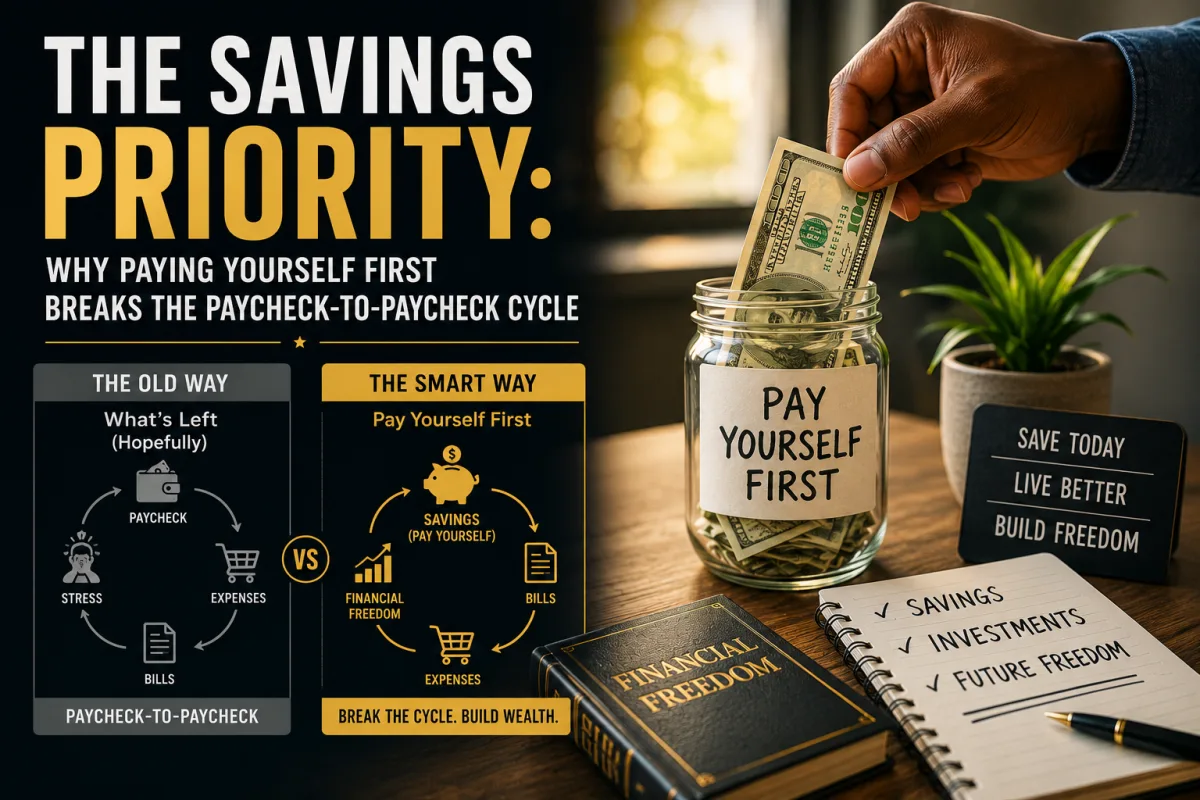
The emergency fund should be built through automatic contributions where possible. Waiting to save whatever remains at the end of the month often fails because spending expands. A better approach is to transfer money to the emergency fund soon after income arrives. This treats resilience as a priority rather than a leftover.
Windfalls can accelerate progress. Bonuses, tax refunds, commissions, gifts, business profits, or proceeds from selling unused items can be directed toward the fund. The goal is not to build it overnight, but to make consistent progress until the household has real protection.
How to Build a Sinking Fund
A sinking fund begins with clarity. Identify the expense, estimate the amount, set the deadline, and divide the required amount by the number of months available.
If school fees of a known amount are due in four months, divide the amount by four and save that much monthly. If insurance is due in twelve months, divide the premium by twelve. If a holiday is planned for ten months from now, estimate the full cost, including travel, accommodation, food, activities, and extras, then save monthly toward that amount.
This method turns future pressure into present discipline. It also exposes whether a goal is affordable. If the monthly contribution required is too high, the household has three options: reduce the goal, extend the timeline, or increase income. This is far better than discovering unaffordability after commitments have already been made.
Sinking funds should be specific. A general sinking fund can work for small irregular expenses, but major goals deserve their own categories. School fees should not compete with vacation money. Car maintenance should not compete with insurance. Each important future cost should have a clear target.
The household should review sinking funds monthly. Costs change. Dates move. Priorities shift. A car may need repairs sooner than expected. A wedding budget may rise. A holiday may become unnecessary. Reviewing the funds keeps the plan realistic.
Sinking funds also teach a valuable lesson: affordability is not about whether you can pay for something today. It is about whether you can fund it without damaging tomorrow. A sinking fund allows enjoyment and responsibility to coexist.
The Budgeting Power of Separating Accounts
One reason people struggle with cash management is that they keep too much money in one place. A single balance creates false confidence. The account may appear healthy, but the money may already have several claims against it.
For example, a household may look at a savings balance and feel comfortable, forgetting that part of it is for school fees, part for insurance, part for emergencies, and part for a planned family event. When one expense is paid, the balance drops sharply and anxiety returns. The problem was not lack of money alone. It was lack of separation.
Separate accounts or separate sub-accounts solve this problem. The emergency fund should be distinct from sinking funds. Large sinking funds should be distinct from each other. Even when money is held within the same financial institution, labeling or tracking each purpose matters.
This system also reduces guilt and conflict. Spending from a holiday sinking fund on a planned holiday is not irresponsible if the emergency fund is intact and other obligations are funded. Paying insurance from an insurance sinking fund is not stressful because the money was assigned for that purpose. Using the emergency fund for a real emergency is appropriate because that is why it exists.
Good financial systems reduce emotional confusion. They make the right action easier.
Common Mistake One: Treating Every Inconvenience as an Emergency
An emergency fund loses meaning if every inconvenience qualifies. A discounted appliance, a weekend trip, a new phone, a birthday party, a fashion sale, or a planned service bill is not an emergency. It may be desirable. It may even be important. But if it is not unexpected and necessary, it should not come from emergency money.
This distinction requires discipline. Many people raid emergency funds because the money is available. They promise to replace it later, but later brings new demands. Over time, the fund becomes a revolving spending account instead of a safety net.
A useful rule is to ask three questions before using emergency money. Is this expense unexpected? Is it necessary? Is it urgent? If the answer to any of these is no, the household should look elsewhere. A true emergency usually satisfies all three.
This rule protects the fund from lifestyle pressure. It also encourages better planning. If an expense is predictable, create a sinking fund. If it is optional, save separately or delay it. Emergency money should remain sacred because its value is greatest when life is genuinely difficult.
Common Mistake Two: Underfunding Predictable Expenses
Some households build emergency funds but ignore sinking funds. Then predictable expenses repeatedly drain the emergency reserve. School fees arrive. Insurance is due. December travel becomes expensive. A car needs routine maintenance. The emergency fund pays for all of it. Then a real emergency arrives, and the money is gone.
This is not an emergency fund problem. It is a sinking fund problem.
Predictable expenses must be acknowledged in the budget. Many budgets fail because they list only monthly bills. But life is full of non-monthly costs. Annual, quarterly, seasonal, and occasional expenses should be converted into monthly savings amounts. This gives the household a more accurate view of its true cost of living.
Underfunding sinking funds also leads to debt. People borrow for expenses they knew were coming because they did not prepare early enough. The debt then creates monthly repayments, reducing the ability to save for future expenses. The cycle repeats.
A sinking fund breaks this cycle by making the future visible in today’s budget.
Common Mistake Three: Keeping Too Much Cash Forever
Cash reserves are essential, but there is a point where excessive cash becomes a drag on wealth. Once the emergency fund is fully funded and sinking funds are on track, additional surplus should usually move toward long-term investments, debt reduction, business growth, retirement planning, or other wealth-building goals.
Some people continue accumulating cash because it feels safe. They tell themselves they will invest later, when they know more or when conditions improve. Years pass. Inflation reduces purchasing power. Opportunities compound elsewhere. The safety becomes costly.
The purpose of the emergency fund is not to become a substitute for investing. It is to make investing safer. Once the fund has reached its appropriate target, new money should be assigned intentionally. Some may go to sinking funds. Some may go to long-term assets. Some may go toward debt. But simply piling up cash without a purpose can weaken long-term wealth creation.
The investor should define a cash ceiling. For example, once six months of emergency expenses are saved and known sinking funds are funded, extra monthly surplus flows into investments. For higher-risk households, the ceiling may be nine or twelve months. The exact number varies, but the principle is the same: cash should have a job. When the job is complete, new money should be sent to the next priority.
Common Mistake Four: Using Debt Instead of Planning
Debt often enters the household through poor cash planning. A person borrows for a medical emergency because there is no emergency fund. They borrow for school fees because there is no sinking fund. They borrow for insurance, car repairs, holidays, or family events because the expense was not funded gradually.
Some debt may be unavoidable, especially in severe crises. But frequent borrowing for predictable or manageable expenses is usually a sign that the cash system is broken.
High-interest debt is especially damaging because it steals future cash flow. Money that could have gone into savings or investments now goes toward repayments and interest. The household becomes trapped in a cycle where past expenses consume future income.
Emergency and sinking funds reduce dependence on debt. They do not eliminate every financial challenge, but they create a first line of defense. A household with reserves has options before borrowing. That difference can be decisive.
Common Mistake Five: Ignoring Inflation
Cash targets should not remain fixed forever. Living expenses rise. School fees increase. Insurance premiums change. Medical costs grow. Transport and food costs shift. An emergency fund built several years ago may no longer cover the same number of months.
Smart investors review their cash reserves periodically. If monthly expenses rise from one level to another, the emergency fund target should be recalculated. If a child moves to a more expensive school, the sinking fund should adjust. If a household takes on a mortgage, has another child, starts a business, or supports additional relatives, cash needs may increase.
Inflation also affects where cash is held. Money sitting in a low-yield account may lose purchasing power over time. This is why suitable Money Market Funds or other liquid interest-earning vehicles can be useful. The goal is not to chase high returns with emergency money, but to avoid unnecessary erosion where a better low-risk option exists.
Financial resilience is not built once. It must be maintained.
How These Funds Strengthen Long-Term Investing
The emergency fund and sinking fund improve investing in several ways.
First, they reduce panic. Investors with cash reserves are less likely to sell during market declines because they do not need the portfolio for immediate expenses. This supports long-term discipline.
Second, they reduce debt. A household that can handle shocks and planned expenses with cash is less likely to rely on expensive borrowing. Lower debt improves net worth and frees future income for investing.
Third, they improve risk tolerance. An investor with a solid emergency fund may be able to hold growth assets more comfortably because short-term survival is protected. Without cash, even moderate volatility can feel unbearable.
Fourth, they create cleaner decision-making. When each pool of money has a purpose, the investor can choose suitable vehicles. Emergency money stays liquid. Sinking fund money matches its timeline. Long-term money can be invested for growth. The portfolio becomes organized rather than chaotic.
Fifth, they support consistency. Planned contributions to sinking funds and investments turn wealth building into a routine. The household becomes less dependent on motivation and more dependent on systems.
This is why cash reserves are not anti-investment. They are pro-investment. They create the stability required for higher-risk assets to be held properly.
Cash Reserves and Risk Tolerance
Risk tolerance is not only about personality. It is also about financial structure. A person with no emergency fund may think they are aggressive, but in reality they may not be able to tolerate risk. A small setback can force them out of investments. A person with strong cash reserves may be better positioned to accept volatility because their immediate needs are covered.
This distinction matters. Many investors choose portfolios based on ambition rather than capacity. They want high returns, so they choose high-risk assets. But when those assets fall, they panic because they lack liquidity. The problem is not only emotional weakness. It is poor preparation.
An emergency fund increases the investor’s ability to take appropriate long-term risk. It does not make reckless investing wise. But it creates a buffer between market volatility and household survival.
Sinking funds do the same for planned expenses. If school fees are already funded separately, the investor does not need to liquidate shares or bonds when the term begins. If insurance premiums are already saved, the portfolio remains untouched. If a holiday is funded gradually, enjoyment does not become financial sabotage.
Risk tolerance improves when money is organized by purpose. The investor knows which money can fluctuate and which money must remain stable.
A Practical Household Example
Consider a household with monthly essential expenses of 150,000. A six-month emergency fund target would be 900,000. If the household depends on one income and supports children, it may choose a nine-month target of 1,350,000 or even a twelve-month target of 1,800,000.
At first, those numbers may seem large. But the household can build in stages. It may first save 150,000, then 450,000, then 900,000. Once the six-month target is achieved, it can decide whether additional reserves are necessary based on income stability and responsibilities.
Now consider sinking funds. If annual school fees total 600,000, the household saves 50,000 per month. If insurance premiums total 120,000 annually, it saves 10,000 per month. If car maintenance is estimated at 180,000 per year, it saves 15,000 per month. If a holiday budget is 240,000 in twelve months, it saves 20,000 per month.
These contributions reveal the household’s real monthly cost of living. Without sinking funds, the family may think it has surplus income, only to be surprised by large bills. With sinking funds, the true picture becomes clear. The household can then decide how much remains for long-term investing.
This is the power of the system. It turns vague financial stress into visible categories. Once visible, the categories can be managed.
Where Long-Term Investments Fit After the Two Funds
After the emergency fund is properly built and sinking fund contributions are included in the budget, long-term investing becomes more sustainable. The investor can direct surplus money into assets designed for growth, income, or retirement without expecting those assets to solve every short-term problem.
This may include diversified funds, pension contributions, Treasury bonds, shares, real estate, business investments, or other suitable assets depending on the investor’s goals, market access, risk tolerance, and time horizon. The specific investment matters, but the structure matters first.
The investor should avoid mixing timelines. Money needed next month should not be in volatile assets. Money needed in two years should be invested cautiously. Money needed in twenty years can usually accept more volatility for higher expected return. The emergency fund, sinking fund, and investment portfolio should each reflect the time horizon of the money.
This is one of the most important lessons in financial planning: return should follow purpose. Do not begin by asking where money can earn the highest return. Begin by asking when the money is needed and what it must accomplish.
How to Decide When Enough Cash Is Enough
Because cash feels safe, some investors struggle to move beyond it. They build an emergency fund, then keep adding to it indefinitely. This can delay wealth creation.
A practical approach is to establish targets. The emergency fund target may be six months of expenses for stable households or nine to twelve months for higher-risk households. Sinking funds should match known upcoming expenses. Once these targets are met, excess cash can move toward long-term investments.
The targets should be reviewed, not constantly expanded out of fear. If life changes, adjust the target. If expenses rise, adjust the target. If income becomes less stable, adjust the target. But do not let vague anxiety keep all wealth in cash forever.
Cash is a tool. It is not the destination. Its purpose is to protect the investor, not to replace ownership of productive assets.
The Emotional Benefit of Having Both Funds
Financial planning is often discussed in numbers, but the emotional benefit of cash reserves is enormous. A household with an emergency fund sleeps differently. A parent with school fees already saved breathes differently. A business owner with several months of expenses set aside negotiates differently. An investor with liquidity behaves differently during market declines.
Money is not only mathematical. It is psychological. Stress causes poor decisions. Fear causes people to borrow expensively, sell prematurely, or accept bad opportunities. Cash reserves reduce the pressure that leads to those choices.
The emergency fund gives confidence in uncertainty. The sinking fund gives order to the future. Together, they create financial calm. That calm is not laziness. It is an asset.
The Order Matters
A smart investor does not need to wait until every fund is perfect before beginning any long-term investment. But the order of priorities matters.
First, build a starter emergency fund. Second, begin planning for unavoidable sinking fund expenses. Third, grow the emergency fund toward the appropriate target. Fourth, invest consistently with money that is not needed for emergencies or planned short-term expenses. Fifth, increase investment contributions as the cash foundation becomes stronger.
This staged approach prevents extremes. It avoids the mistake of investing aggressively with no safety net. It also avoids the mistake of postponing investing forever while trying to achieve perfect security.
Financial progress is often built in parallel, but not randomly. The foundation must be strong enough to support the structure.
The Two Funds in One Wealth System
The emergency fund and sinking fund are not isolated accounts. They are part of a larger wealth system.
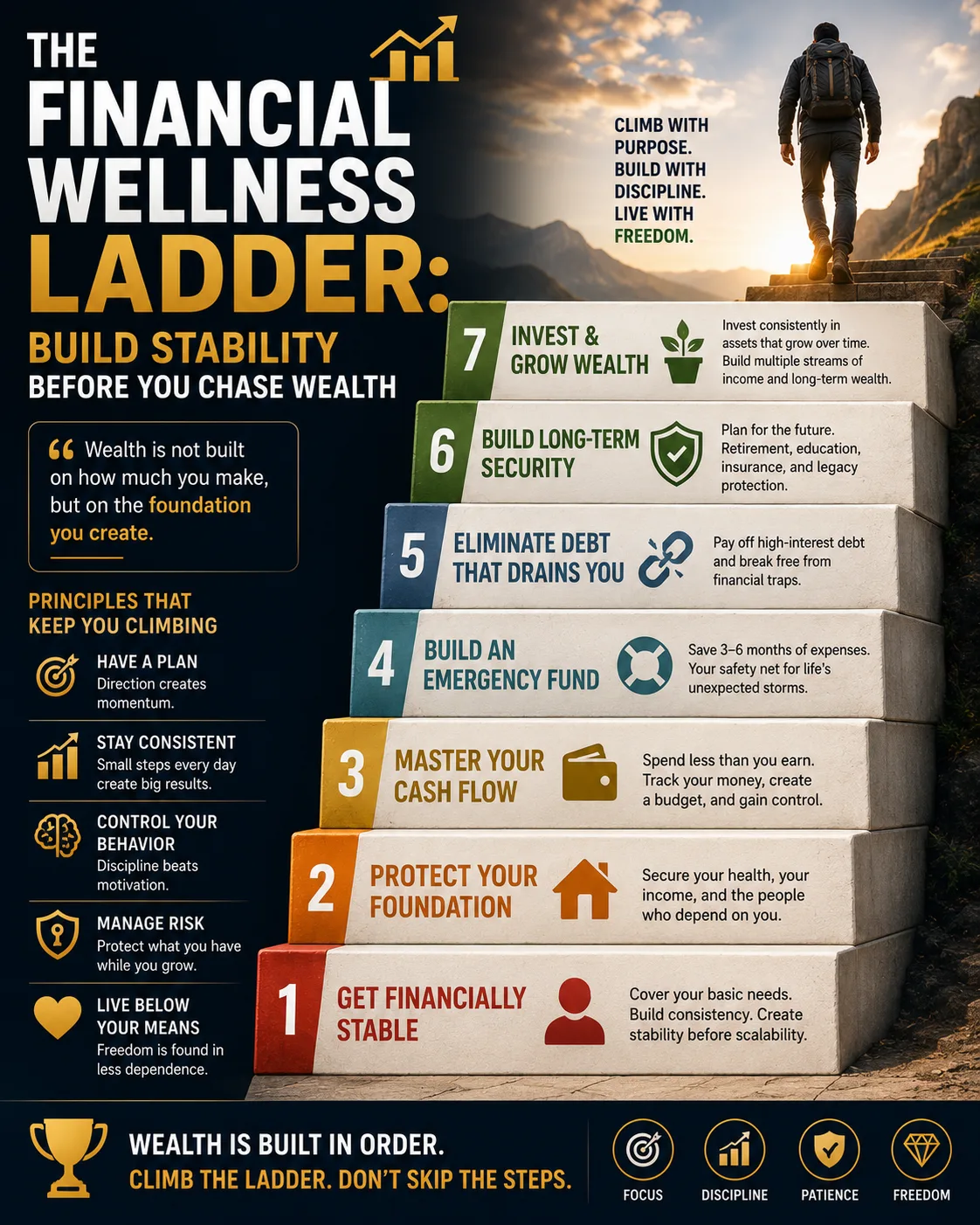
Income enters the system. Essential expenses are paid. Emergency reserves protect against shocks. Sinking funds prepare for known costs. Insurance protects against catastrophic risks. Investments build long-term wealth. Retirement accounts prepare for future income. Debt repayment reduces financial leakage. Each part has a role.
When one part is missing, pressure shifts elsewhere. Without emergency savings, debt becomes the emergency fund. Without sinking funds, investments become the sinking fund. Without insurance, savings may be wiped out by large risks. Without investments, cash loses long-term purchasing power. A complete system prevents one tool from being forced to do every job.
This is why smart investors think beyond products. They think in systems. A product asks, “Where should I put money?” A system asks, “What job does this money need to perform?”
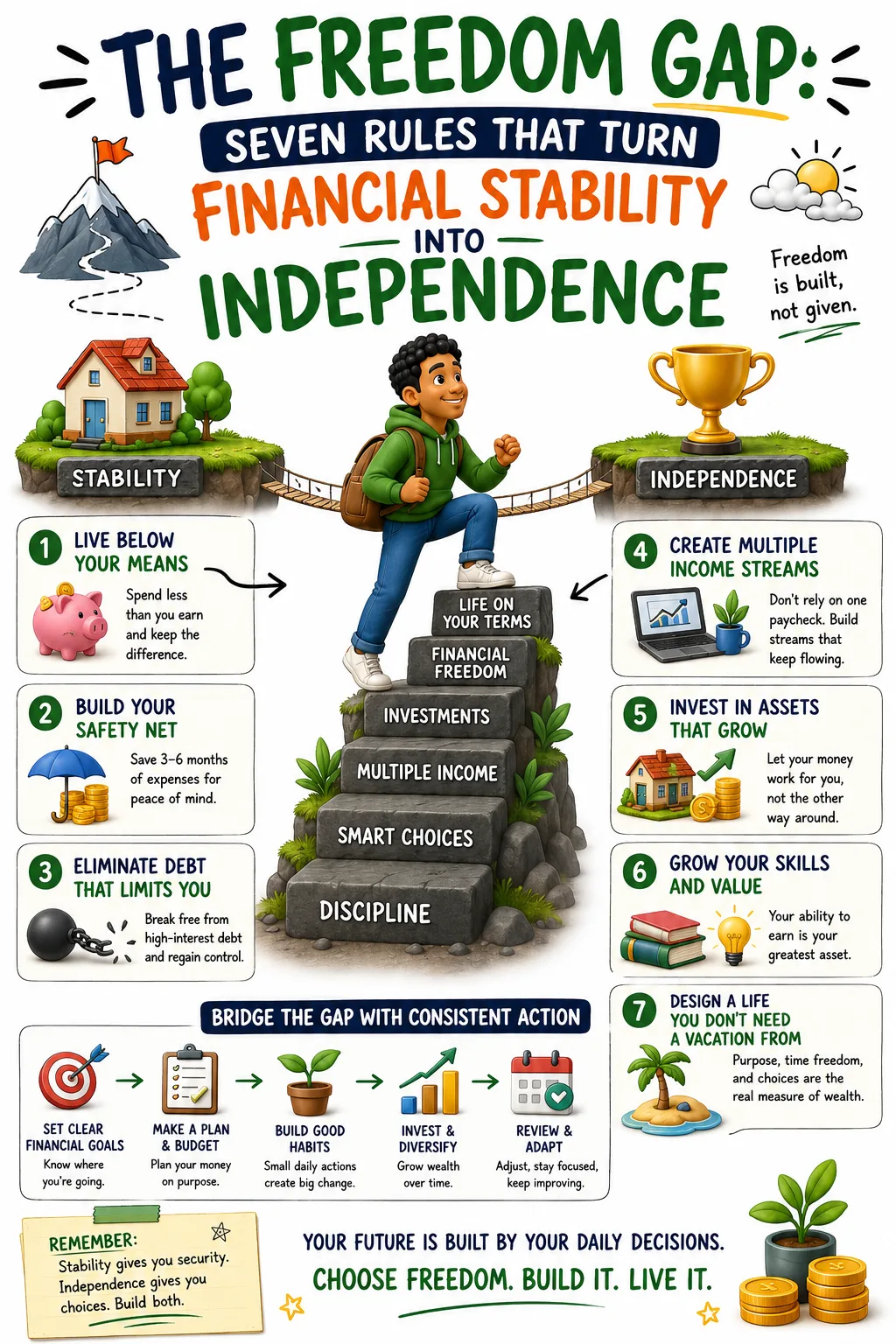
The Quiet Foundation of Financial Freedom
Financial freedom is often imagined as a large investment portfolio, passive income, rental properties, dividends, business profits, or retirement accounts. Those things matter. But many wealth journeys fail long before they reach that stage because the household has no buffer.
Without an emergency fund, one crisis can erase years of progress. Without sinking funds, predictable expenses repeatedly interrupt investing. Without liquidity, assets must be sold at inconvenient times. Without cash discipline, income disappears into emergencies that should have been planned for and plans that should have been funded gradually.
The emergency fund and sinking fund are quiet. They do not produce dramatic stories. They rarely make someone feel rich. But they create the conditions under which wealth can grow without constant interruption.
A smart investor understands that not all money should chase return. Some money should stand guard. Some money should wait for known obligations. Some money should protect the future from being raided by the present.
The emergency fund stands guard against uncertainty. The sinking fund prepares for certainty. Together, they give the investor the one thing every long-term wealth plan needs: staying power.
Before chasing the highest return, build the reserves that allow you to stay invested long enough for returns to matter.
 Article
 Article
 Article
 Article
 Article
 Article
 Article
 Article