What Is the S&P 500? A Simple Explanation for Beginners
Learn what the S&P 500 is, how it works, and why it matters for beginner investors looking to build long-term wealth through smart, simple investing.
What Is the S&P 500? A Simple Explanation for Beginners
If you've ever heard a financial expert say "just invest in the S&P 500," you're not alone in wondering — what exactly is that?
The S&P 500 is arguably the most important investment vehicle in the world. Warren Buffett, one of the greatest investors of all time, recommends it for the average person. In this article, we'll break it down in plain English.
Table of Contents
What Is the S&P 500?
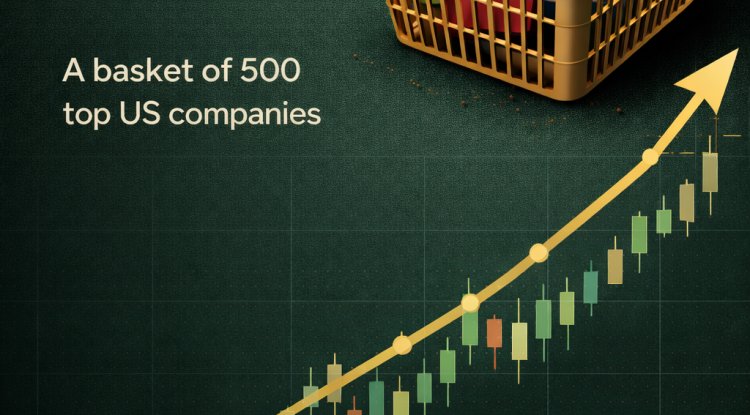
The S&P 500 stands for the Standard & Poor's 500 Index. It is a list of the 500 largest publicly traded companies in the United States, weighted by their market value.
Think of it as a report card for the American economy. When people say "the stock market went up today," they are usually talking about the S&P 500.
The 500 companies on this list include some of the most recognizable brands in the world:
- Apple
- Microsoft
- Amazon
- Google (Alphabet)
- Tesla
- JPMorgan Chase
- Berkshire Hathaway
When you invest in an S&P 500 index fund, you're buying a tiny piece of all 500 of these companies at once.
How Does the S&P 500 Work?
The S&P 500 is maintained by S&P Dow Jones Indices, a financial company that decides which companies qualify for the list. To be included, a company must meet certain requirements:
- Be a US-based company
- Have a market cap of at least $14.5 billion
- Be profitable for the last four quarters
- Have at least 50% of shares available to the public
The index is market-cap weighted, meaning larger companies like Apple and Microsoft have a bigger influence on the index's performance than smaller companies.
Historical Performance of the S&P 500
The S&P 500 has historically returned an average of 10% per year before inflation — or about 7–8% per year after inflation.
If you invested $10,000 in an S&P 500 index fund 30 years ago, it would be worth approximately $174,000 today — without ever adding another dollar.
Yes, there have been bad years. The market dropped sharply in 2000, 2008, and 2020. But every single time, it recovered and went on to reach new all-time highs. This is why long-term investors in the S&P 500 consistently build wealth.
How to Invest in the S&P 500 as a Beginner
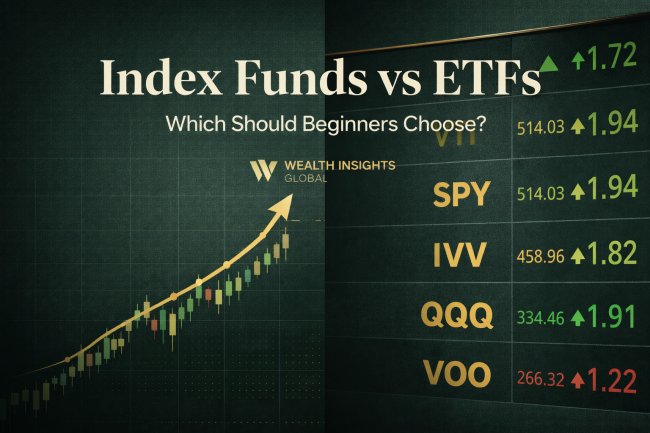
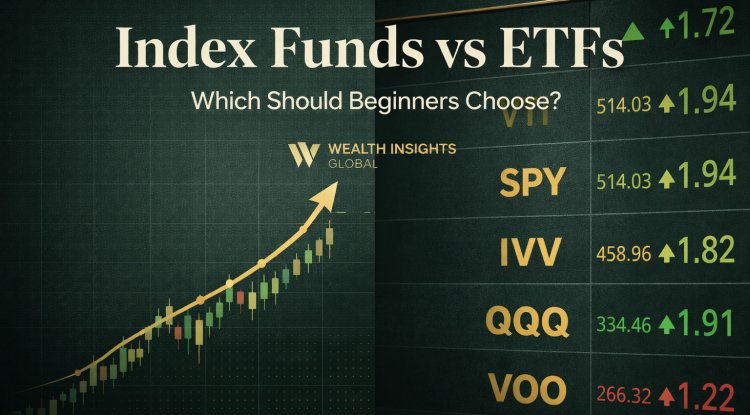
You cannot buy the S&P 500 directly. Instead, you invest through index funds or ETFs that track it.
| Fund | Provider | Expense Ratio |
|---|---|---|
| VOO | Vanguard | 0.03% |
| SPY | State Street | 0.09% |
| IVV | iShares | 0.03% |
How to invest step by step:
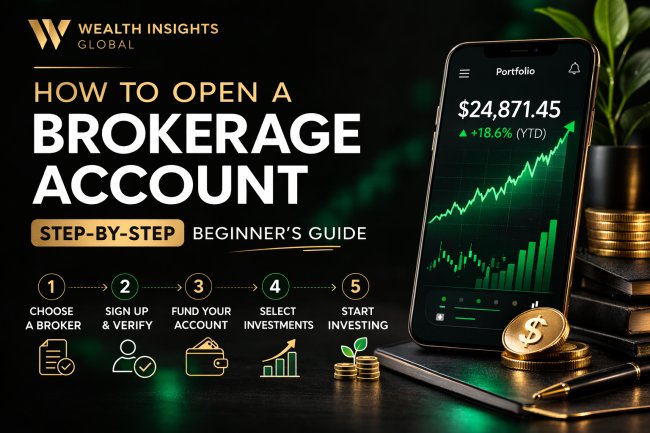
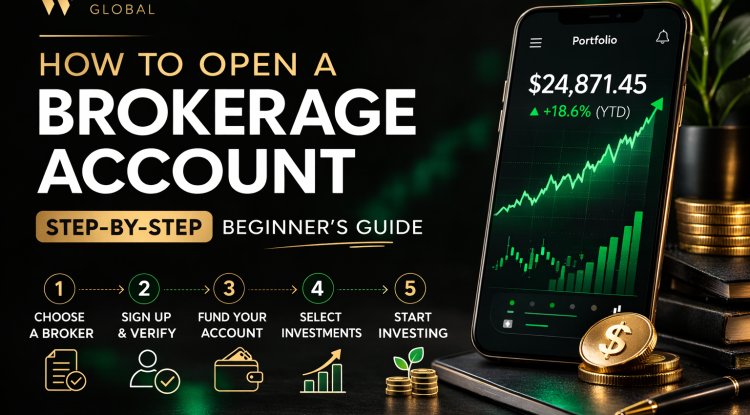
- Open a brokerage account (Fidelity, Charles Schwab, or Vanguard)
- Deposit money into your account
- Search for VOO, SPY, or IVV
- Buy shares
- Hold for the long term and add money regularly
That's it. No complicated analysis required.
S&P 500 vs Individual Stocks
| Feature | S&P 500 Index Fund | Individual Stocks |
|---|---|---|
| Research needed | None | Extensive |
| Diversification | 500 companies instantly | One company at a time |
| Risk level | Low (long term) | High |
| Time required | Minimal | Significant |
| Historical returns | 8–10% average | Varies widely |
For most beginners, the S&P 500 is the smarter, safer, and more profitable choice over the long term.
Frequently Asked Questions
No investment is completely risk-free, but the S&P 500 is considered one of the safest long-term investments available. It has recovered from every major crash in history.
Some funds have no minimum. You can start with as little as $1 using fractional shares on platforms like Fidelity or Robinhood.
For you to lose everything, all 500 of the largest US companies would have to go to zero simultaneously — which has never happened.
Financial experts recommend dollar-cost averaging — investing a fixed amount at regular intervals (monthly or bi-weekly) regardless of market conditions.
The S&P 500 has created more millionaires than almost any other investment in history.
The question isn't whether it works — it's whether you'll start.
Read more investing guides at wealthinsights.co.ke
What's Your Reaction?