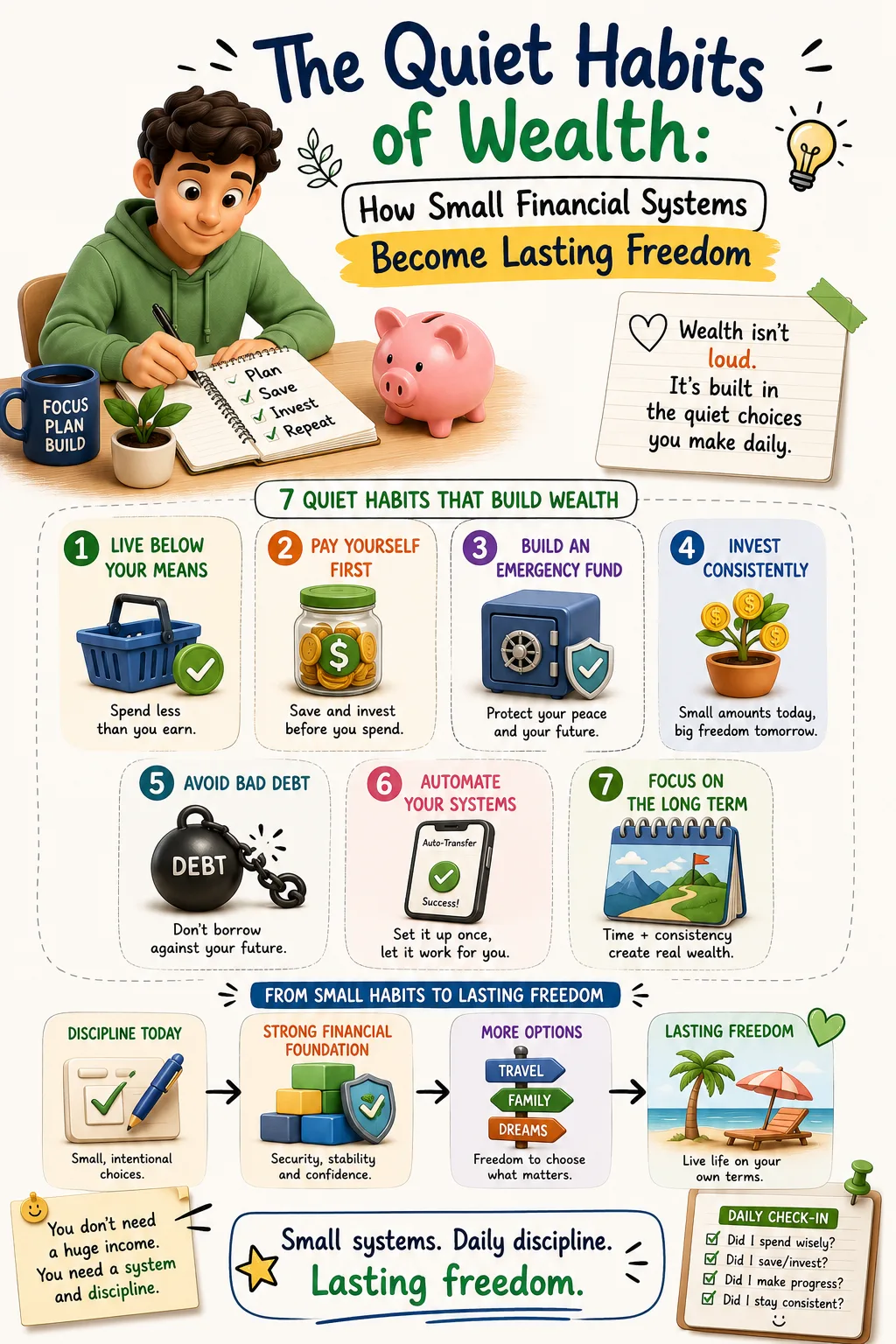
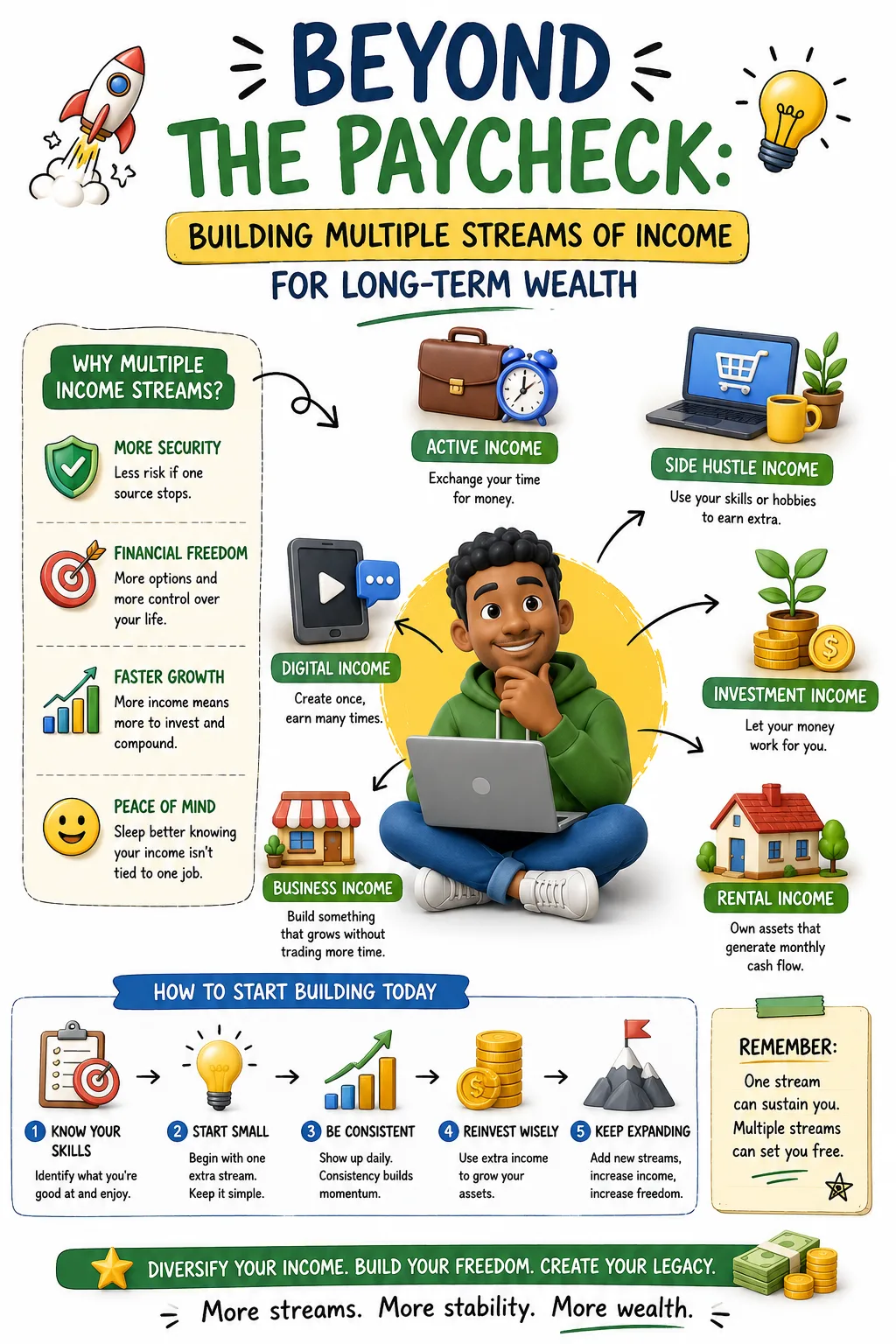
Beyond the Paycheck: Understanding the Income Streams That Build Financial Freedom
Most people first understand income as a paycheck. You work, the employer pays you, and that money becomes the basis of your financial life. Rent, food, transport, school fees, debt payments, family support, insurance, savings, and personal enjoyment all depend on that regular inflow. For many households, earned income is not simply one type of income. It is the entire financial engine.
There is nothing wrong with earned income. A salary, wage, or professional fee is often the first source of financial independence. It gives structure, predictability, dignity, and the ability to build. Most people who eventually create wealth begin by selling their time, skill, effort, and judgment in exchange for money. The problem is not working for income. The problem is relying forever on only one income source, especially one that depends entirely on your ability to keep working.
A paycheck is powerful, but it is also fragile. It can stop because of job loss, illness, industry disruption, business failure, relocation, caregiving responsibilities, or economic downturns. Even when it continues, it has limits. There are only so many hours in a day. There is only so much energy a person can spend. There is only so much salary growth available in a role, company, or industry. If every financial goal depends only on the next paycheck, life can become a constant exchange of time for survival.
This is why understanding different types of income matters. Income is not only money earned from a job. It can come from business profits, investments, rental property, royalties, interest, dividends, capital gains, licensing, and ownership. Each type of income has its own logic, risk, tax treatment, time requirement, and wealth-building potential. The more clearly you understand these differences, the more intelligently you can design your financial life.
Many beginner finance graphics divide income into categories such as earned income, passive income, portfolio income, rental income, and business income. That structure is useful as an introduction, but it can also blur important distinctions. Stocks and bonds, for example, are not income. They are assets. The income from them may come through dividends, interest, or capital gains. Rental property is an asset; rent is the income. A business is an operating system; profit is the income. Royalties may feel passive after the original work is created, but they often require talent, legal protection, distribution, and maintenance.
The better way to think about income is to ask how the money is generated. Is it paid for current labor? Is it profit from a business? Is it a return from capital invested in assets? Is it rent from property use? Is it compensation for intellectual property? Is it a one-time gain from selling something at a higher price than it cost?
When you understand the source, you understand the trade-off. Earned income may be predictable but time-dependent. Business income may have high upside but uncertain cash flow. Investment income may compound over time but requires capital and patience. Rental income may create recurring cash flow but brings maintenance, vacancies, taxes, and tenant risk. Royalty income may scale beyond direct labor but depends on ownership, contracts, audience, and legal rights.
Financial freedom is rarely built by romanticizing one income type. It is built by understanding how different income streams work, then gradually using active income to acquire assets, build skills, reduce debt, and create optionality.
Income Is Not the Same as Wealth
Before examining income types, one distinction must be clear: income and wealth are not the same thing.
Income is money flowing in. Wealth is what remains, grows, and can support you later. A person can have high income and low wealth if they spend everything, carry large debts, and own few assets. Another person can have moderate income and rising wealth if they save consistently, invest wisely, avoid destructive debt, and accumulate ownership over time.
This distinction explains why some people appear successful but feel financially trapped. Their income may be large, but their obligations are larger. Their lifestyle requires constant funding. Their car loans, mortgage, school fees, personal loans, credit cards, subscriptions, family commitments, and social expectations absorb every raise. They earn more, but they are not freer.
Wealth begins when income is converted into assets or reduced liabilities. Savings create liquidity. Debt repayment increases future cash flow. Investments create ownership. Business equity creates potential profit. Education can increase earning power. Insurance protects against catastrophic loss. These choices turn income from something temporary into something durable.
This is why the type of income matters less than what you do with it. A salary can build wealth if part of it is saved and invested. Business income can disappear if the owner spends all profits and ignores taxes. Rental income can become a burden if the property is overleveraged or poorly maintained. Investment income can be wasted if dividends are consumed without a plan. The source matters, but allocation matters more.
A healthy income strategy has two goals. The first is reliability: enough money to cover life’s needs without constant panic. The second is scalability: the ability to increase income or asset growth without always increasing personal labor at the same rate. Earned income often provides reliability. Ownership-based income can provide scalability. Wealth grows when both are managed together.
Earned Income: The Starting Point for Most Wealth
Earned income is money received in exchange for work. It includes salaries, wages, tips, commissions, bonuses, overtime, freelance fees, consulting fees, and self-employment income when the person is actively providing labor or services.
This is the income most people know best. You show up, perform work, solve problems, complete tasks, manage responsibilities, or deliver expertise, and you are paid. Earned income may come from an employer, clients, customers, contracts, or projects. It may be stable or irregular, high or low, hourly or salaried, physical or intellectual.
Earned income has several advantages. It is often the easiest income type to begin because it does not require large capital. A young professional may have little money but can earn through skill, time, and effort. Employment can provide predictable cash flow, health benefits, retirement contributions, training, professional networks, and career progression. For many people, earned income is the foundation that funds every other financial goal.
Earned income also builds human capital. Human capital is your ability to earn based on skill, knowledge, health, reputation, and relationships. Early in life, human capital may be your largest asset. You may not own much property or have a large investment portfolio, but your future earning power can be significant. The decisions you make around education, skill development, work ethic, communication, and career positioning can influence decades of income.
The limitation is that earned income is usually tied to time and capacity. If you cannot work, income may stop or fall. If your industry declines, your salary may stagnate. If your skills become outdated, earning power may weaken. If your income depends on one employer, one client, or one profession, concentration risk exists. This is not a reason to reject earned income. It is a reason to protect and upgrade it.
The best use of earned income is not simply consumption. Earned income should fund survival, stability, skill growth, debt reduction, savings, and asset acquisition. A paycheck can be transformed into financial freedom only if part of it is directed beyond immediate lifestyle.
There are three ways to strengthen earned income. The first is increasing the value of your labor. This may involve technical skills, communication, leadership, sales ability, professional certifications, industry knowledge, or problem-solving capacity. The second is negotiating better compensation. Many workers focus only on doing the job but never learn to position their value, ask for raises, compare market rates, or move strategically. The third is protecting earning power through health, reputation, adaptability, and professional relationships.
Earned income should not be looked down upon as inferior. Many fortunes begin with wages and salaries. A disciplined worker who saves and invests consistently can become wealthier than a high-risk entrepreneur who earns unpredictably and manages money poorly. The issue is not whether income comes from work. The issue is whether work income is used to build something beyond work.
Business Income: Turning Systems Into Profit
Business income is money generated from selling products or services after expenses are paid. It can come from a small shop, professional practice, online store, manufacturing company, consulting firm, restaurant, agency, farm, logistics operation, software company, media brand, or countless other enterprises.
Business income is different from earned income because it can eventually come from a system rather than only from the owner’s personal labor. In the beginning, many businesses are simply self-employment. The owner does the work, finds customers, handles operations, manages finances, solves problems, and carries the risk. At that stage, the business may feel like a job with more stress and less certainty.
Over time, a business can become more scalable if it develops processes, employees, technology, brand recognition, customer relationships, repeat sales, distribution channels, and operating systems. The more the business can generate profit without the owner personally doing every task, the more it becomes an asset rather than merely a workload.
Business income has powerful wealth-building potential because it is connected to ownership. An employee may receive salary, but a business owner can receive profit and potentially build equity value. If the business becomes valuable, it may be sold, merged, franchised, expanded, or passed on. Ownership allows the creator of the system to capture more of the upside.
But business income is often romanticized. Many people talk about entrepreneurship as if it is automatically superior to employment. It is not. Business income can be unstable, stressful, competitive, and capital-intensive. Revenue may look impressive while profit is thin. Customers may delay payments. Expenses may rise. Taxes may be mishandled. Employees may leave. Suppliers may fail. Competition may copy. Regulations may change. A founder may work harder than an employee and earn less for years.
The key number in business is not sales. It is profit, cash flow, and return on effort and capital. A business that sells a large amount but keeps little after expenses may not improve the owner’s life. A smaller business with healthy margins, loyal customers, controlled costs, and good cash flow may be far stronger.
Business income can be active or semi-passive depending on structure. A freelancer who designs websites for clients earns business income, but it is still highly active because each project requires labor. A consulting firm with trained staff, repeat clients, and documented processes may generate income beyond the founder’s daily hours. A software product may require heavy development upfront but can scale if distribution works. A shop may run with employees, but the owner must still manage inventory, cash, quality, and strategy.
The path from active business income to more passive business ownership is not automatic. It requires delegation, systems, pricing discipline, financial controls, marketing, and leadership. Many small business owners remain trapped because the business depends entirely on them. They own a business legally, but economically they own a demanding job.
For wealth builders, business income can play several roles. It can increase total income beyond salary. It can create an asset that may be sold. It can provide tax planning opportunities depending on jurisdiction. It can allow greater control over time and strategy. It can also diversify income if employment becomes unstable.
Still, business should be approached with clear eyes. A good business solves a real problem for customers who are willing and able to pay. It controls costs. It understands cash flow. It separates personal and business finances. It keeps records. It prices profitably. It plans for taxes. It reinvests intelligently. Without these disciplines, business income can become financial chaos disguised as independence.
Investment Income: When Capital Begins to Work
Investment income is money generated from financial assets. It includes dividends from shares, interest from bonds or savings instruments, distributions from funds, and capital gains when investments are sold for more than their purchase price.
This category is often confused with portfolio income. A portfolio is a collection of assets. The income comes from what those assets produce. Stocks are not income. Bonds are not income. Mutual funds are not income. They are vehicles. The income may be dividends, interest, distributions, or gains.
Investment income matters because it represents a shift from labor to capital. Instead of earning only by working, you earn by owning. A share may represent ownership in a business. A bond may represent lending money to a government or corporation. A fund may represent ownership in a basket of assets. Each investment carries different risks and potential rewards, but the principle is the same: capital is deployed with the expectation of return.
Dividends are payments made by some companies to shareholders. They are usually paid from profits, though policies vary. Dividend income can be attractive because it provides cash flow without selling the investment. But dividends are not guaranteed. Companies can reduce or suspend them. A high dividend yield may signal opportunity or distress. Investors must look beyond the payout and understand the business quality, debt levels, earnings stability, and sustainability of the dividend.
Interest income comes from lending money. A savings account, fixed deposit, bond, treasury bill, money market fund, or corporate debt instrument may pay interest. Interest can provide stability and predictable income, though the return may vary with rates and credit risk. Government securities are often considered lower risk than corporate debt, but risk depends on the issuer, currency, maturity, inflation, and broader economic context.
Capital gains occur when an asset is sold for more than it cost. If you buy shares, a fund, property, or another investment and later sell at a profit, the gain is part of investment return. Capital gains can be powerful, but they are not realized until sale. An asset may rise on paper and later fall. This is why unrealized gains should not be treated like cash.
Investment income is often described as passive, but the word passive can mislead. Investing does not require daily labor in the same way a job does, but it does require capital, knowledge, risk tolerance, patience, and periodic review. A careless investor can lose money. A disciplined investor must understand diversification, fees, time horizon, taxes, liquidity, inflation, and emotional behavior.
The greatest advantage of investment income is compounding. When returns are reinvested, the investment base can grow. Over long periods, compounding can turn consistent contributions into substantial wealth. The early years may feel slow because the portfolio is small. Later, growth can become more visible as returns occur on a larger base.
The greatest danger is impatience. Many investors abandon long-term strategies because they expect quick results. They chase trends, sell during downturns, concentrate too much money in one idea, borrow to invest, or confuse speculation with investing. Investment income should be built on a plan, not excitement.
A sound investment approach begins with purpose. Money needed soon should not be exposed to high volatility. Long-term money can usually tolerate more fluctuation. Emergency funds should be safe and accessible. Retirement money can be invested for growth if the time horizon is long. Education funds, home deposits, and business capital may need different strategies depending on timing.
Investment income is one of the most important paths from salary dependence to financial independence. But it usually begins with earned income. You work, save, invest, reinvest, and repeat. Over time, the portfolio can become large enough that its income and growth meaningfully support your life.
Rental Income: Cash Flow From Property Use
Rental income is money received from allowing another person or business to use property. It may come from residential apartments, single-family homes, commercial buildings, office space, warehouses, vacation rentals, farmland, parking spaces, land leases, or equipment rentals.
Rental income appeals to many people because property feels tangible. Unlike shares or bonds, real estate can be seen, touched, improved, and used. It may provide monthly cash flow, long-term appreciation, inflation protection, and leverage opportunities. In many cultures, property ownership is also associated with status, security, and family legacy.
But rental income is not automatically passive. Property must be bought, financed, maintained, insured, taxed, managed, and repaired. Tenants must be found and screened. Vacancies must be handled. Rent must be collected. Disputes may arise. Laws must be followed. Unexpected costs can reduce or eliminate profit.
The difference between rent received and rental income kept is crucial. A property may collect rent every month but still produce weak returns after mortgage payments, property taxes, insurance, repairs, management fees, service charges, utilities, vacancies, legal costs, and capital improvements. Beginners often look only at gross rent. Serious investors study net operating income, cash flow, debt service, maintenance reserves, and total return.
Rental property can build wealth in several ways. First, it can produce cash flow if rent exceeds expenses. Second, it can appreciate over time if the property value rises. Third, debt may be paid down gradually by rental income if the property is financed. Fourth, tax rules in some jurisdictions may offer deductions or advantages. Fifth, property can provide a hedge against inflation if rents and values rise with the cost of living.
Each of these benefits carries risk. Cash flow can turn negative if vacancies rise or repairs are large. Property values can fall or stagnate. Interest rates can increase borrowing costs. Tenants can default. Governments can change tax rules. Neighborhoods can decline. Liquidity can be limited because selling property takes time and transaction costs can be high.
Rental income also requires concentration risk management. For many individuals, one property represents a large share of their net worth. If that property has a problem, the entire financial plan may suffer. A diversified stock fund can hold hundreds of companies. A small landlord may own one unit with one tenant. That concentration must be respected.
Leverage is another double-edged feature of real estate. Borrowing can amplify returns when property values rise and rental income covers payments. It can also amplify losses when values fall, vacancies occur, or rates increase. A property that looks profitable under optimistic assumptions may become stressful under realistic ones.
Good rental investing begins with numbers, not emotion. The investor should understand purchase price, expected rent, vacancy rates, maintenance costs, financing terms, taxes, insurance, legal requirements, management costs, and exit options. They should also maintain reserves. A landlord without cash reserves may be forced into debt when repairs or vacancies occur.
Rental income can be an excellent part of a wealth strategy, but it should not be treated as effortless. It is a business built around property. When managed professionally, it can provide durable income. When entered casually, it can become an expensive lesson.
Royalty Income: Earning From Intellectual Property
Royalty income is money paid to the owner of intellectual property or rights when another party uses that property. It may come from books, music, patents, trademarks, photography, software, courses, designs, franchises, mineral rights, licensing agreements, or creative works.
Royalty income is attractive because it separates payment from repeated labor. A musician can be paid when a song is streamed or licensed. An author can earn from book sales after writing. A patent holder can earn when a company uses an invention. A photographer can license images. A software creator can earn recurring fees. A course creator can sell access to material created earlier.
This does not mean royalties are easy. The work required upfront can be substantial. Creating something valuable takes skill, time, originality, distribution, marketing, legal protection, and persistence. Many books earn little. Many songs never produce meaningful royalties. Many patents are never commercialized. Many courses fail because there is no audience or trust. Royalty income is scalable only when the underlying work has demand and rights are properly controlled.
Royalty income highlights an important wealth principle: ownership of rights can be more powerful than payment for labor. A writer paid once for an article earns active income. A writer who owns a book and receives royalties may earn repeatedly. A designer paid once for a logo earns a fee. A designer who licenses a design may earn over time. A software developer paid a salary earns for work performed. A developer who owns software may earn from users continuously.
The challenge is that ownership requires negotiation and protection. Contracts matter. Licensing terms matter. Copyright, patents, trademarks, and usage rights matter. Many creators lose long-term income because they do not understand what rights they are giving away. A royalty stream depends not only on creativity but also on legal and commercial literacy.
Royalty income can be active at first and passive later. The creator must produce, publish, market, update, defend, and distribute. Over time, if the work continues selling or being used, income may continue with less direct effort. But even then, maintenance may be needed. A course may require updates. A software product may need support. A book may need promotion. A brand may need protection.
For investors and creators, royalties can diversify income beyond employment and traditional investments. They are especially relevant in the modern economy, where digital distribution allows individuals to create assets that can be sold repeatedly. Still, the same discipline applies: understand the market, protect ownership, control costs, and avoid confusing possibility with probability.
Passive Income: Useful Idea, Misleading Phrase
Passive income is one of the most popular phrases in personal finance. It suggests money arriving without work. That image is powerful because many people are exhausted by the constant exchange of time for money. They want income that continues while they sleep, travel, care for family, or pursue other goals.
The idea is valid, but the phrase is often abused. Many so-called passive income streams require significant work, capital, risk, or management. Rental property requires maintenance and tenant management. Dividend investing requires capital and patience. A business requires systems and oversight. Digital products require creation, marketing, updates, and customer support. Royalties require intellectual property and distribution.
A more accurate definition is that passive income is income not directly tied to current hourly labor. It may still require upfront labor, capital investment, ongoing monitoring, or periodic decision-making. The income is passive relative to a wage, not passive in the sense of effortless.
This distinction matters because unrealistic expectations lead to poor decisions. People may buy courses, join schemes, or invest in assets believing income will arrive automatically. When work or risk appears, they feel misled. Worse, they may borrow money or invest savings into opportunities they do not understand.
A mature approach to passive income asks three questions. What asset produces the income? What work or capital is required to create or acquire the asset? What risks could reduce or stop the income?
Dividends come from ownership of companies. Interest comes from lending capital. Rent comes from property use. Royalties come from rights. Business distributions come from systems that produce profit. In every case, income has a source. If the source is unclear, caution is necessary.
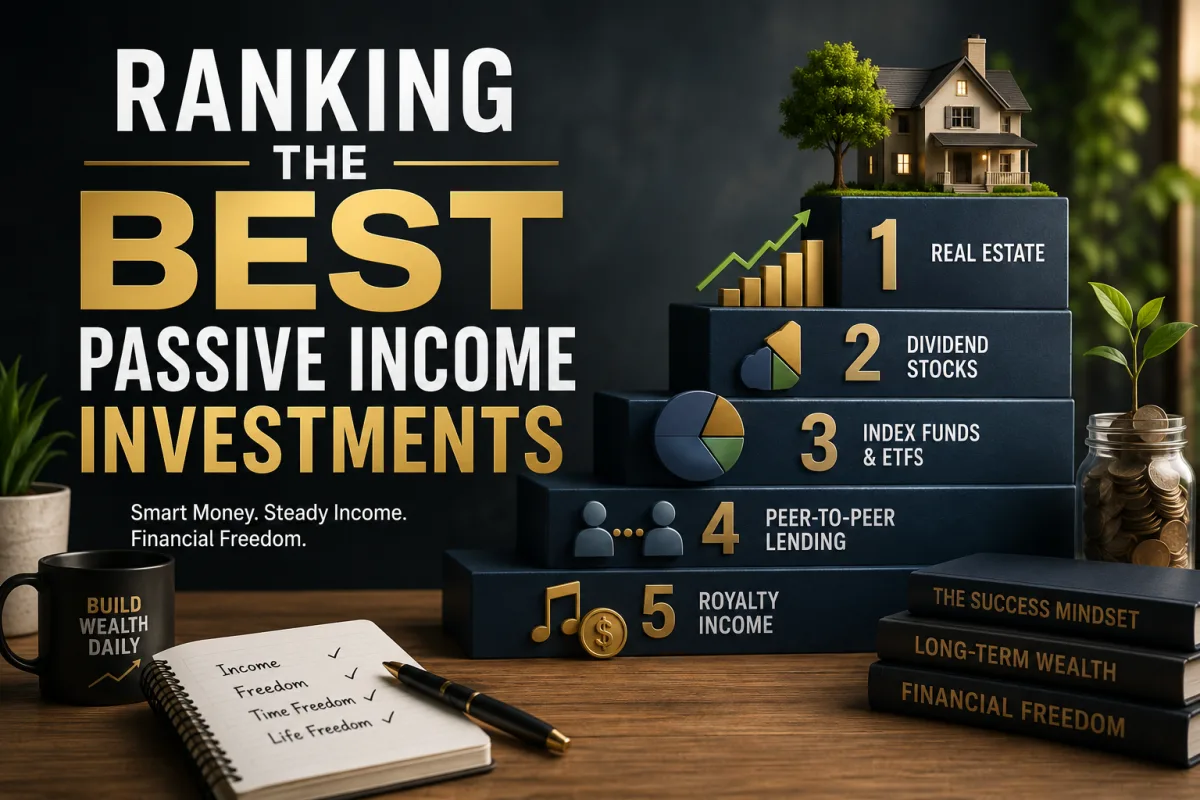
Passive income should not be viewed as escape from responsibility. It is the result of ownership, structure, and patience. The path often begins with active income. You work to earn money. You save part of it. You invest. You build or buy assets. Those assets may eventually generate income with less direct labor than your job. That is the realistic version of passive income.
Portfolio Income: Clarifying the Confusion
Portfolio income is often used to describe income from investments such as stocks, bonds, funds, and other financial assets. The phrase is useful, but it can create confusion when assets are listed as income.
A stock is not income. It is an ownership claim. It may produce dividend income if the company pays dividends. It may produce capital gains if sold at a profit. It may also produce losses if the price falls or the business weakens.
A bond is not income. It is a debt instrument. It may produce interest income. It may also rise or fall in market value depending on interest rates, credit quality, and time to maturity.
A mutual fund or exchange-traded fund is not income. It is a pooled investment vehicle. It may distribute dividends, interest, or capital gains depending on what it holds and how it is structured.
This distinction helps investors think more clearly. Assets are the source. Income is the output. Confusing the two can lead to unrealistic expectations. Owning a stock does not guarantee cash flow. Owning a bond does not eliminate risk. Owning a fund does not mean returns will be smooth.
Portfolio income can be an important part of financial independence because it can be diversified and scalable. A person can own small portions of many companies, governments, sectors, or markets through funds. This allows ordinary earners to participate in economic growth without starting a business or buying property directly.
Portfolio income also offers liquidity compared with real estate or private business ownership. Many financial assets can be bought and sold more easily, though selling during downturns can lock in losses. Liquidity is valuable, but it can also tempt emotional trading. The ease of selling can become a weakness if investors panic frequently.
The role of portfolio income changes over life. In the accumulation phase, many investors reinvest dividends and interest to grow the portfolio. In the distribution phase, such as retirement, they may use portfolio income to fund living expenses. A strong portfolio strategy considers both growth and future cash flow.
Capital Gains: The Missing Income Category
Any discussion of income from assets should include capital gains. A capital gain occurs when you sell an asset for more than you paid for it. This can apply to stocks, bonds, funds, real estate, businesses, collectibles, or other assets.
Capital gains are different from recurring income. Rent may arrive monthly. Interest may be paid on schedule. Dividends may be paid periodically. Capital gains usually occur when the asset is sold. Until then, the gain may exist only on paper.
This distinction matters because unrealized gains can create a false sense of wealth. If a stock portfolio rises in value, the investor is wealthier on paper, but the value can fall before sale. If a property is estimated to have appreciated, the owner may feel richer, but selling costs, taxes, market conditions, and time must be considered. Paper gains are useful, but they are not the same as cash.
Capital gains can be a major source of wealth because many assets produce most of their return through appreciation rather than income. Growth companies may reinvest profits instead of paying dividends. Real estate may generate modest cash flow but significant appreciation. A business may pay little to the owner while growing in value for a future sale.
The tax treatment of capital gains varies by country and holding period. In some jurisdictions, long-term gains are taxed differently from ordinary income. In others, rules differ substantially. Investors should understand local tax laws or seek qualified advice because taxes can affect net returns.
Capital gains also require exit discipline. It is not enough to buy an asset that rises. The investor must decide whether to hold, sell, rebalance, or realize gains. Selling too early can reduce compounding. Selling too late can expose gains to reversal. There is no perfect rule, but decisions should be connected to goals, valuation, risk, taxes, and diversification.
How Different Income Types Work Together
The strongest financial lives often combine income types over time. A person may begin with earned income, use it to build emergency savings, pay down debt, invest in a portfolio, acquire rental property, start a business, or create intellectual property. The income streams do not appear all at once. They develop in layers.
Early in life, earned income usually dominates. The priority is to increase skills, stabilize cash flow, avoid destructive debt, and save consistently. Investment income may be small, but contributions begin. The emergency fund creates resilience.
As income grows, surplus can be directed toward long-term investments. Dividends, interest, and capital gains begin to appear. The portfolio may not support life yet, but it starts building ownership. If the person has entrepreneurial interest, business income may be added. If property investing fits their goals and market, rental income may become part of the plan.
Later, ownership income may become more meaningful. The portfolio may produce significant dividends or growth. Rental properties may generate net cash flow. A business may distribute profits or be sold. Royalties may continue from earlier creative work. At this stage, the person is less dependent on one paycheck.
This progression is not guaranteed, and it does not require every income type. Some people should not own rental property. Some should not start businesses. Some have no interest in royalties. Some can build wealth through a strong career and diversified investing alone. The goal is not to collect income streams like trophies. The goal is to build a financial structure that fits your skills, resources, risk tolerance, and values.
Diversification is useful, but complexity can become a burden. A person with five poorly managed income streams may be less secure than a person with one strong career, low debt, a large emergency fund, and a disciplined investment portfolio. More is not always better. Better is better.
The Role of Taxes in Income Strategy
Different income types may be taxed differently depending on jurisdiction. Earned income, business profit, interest, dividends, rental income, royalties, and capital gains can each have different rules. Tax treatment can influence net returns, cash flow, recordkeeping, and planning.
Earned income is often taxed through payroll systems. Business income may require estimated taxes, expense tracking, and filings. Rental income may allow certain deductions but also require reporting. Dividends and interest may be taxed as investment income. Capital gains may depend on holding periods and asset type. Royalties may be treated differently depending on whether they are connected to active business activity or intellectual property rights.
The point is not to make every person a tax expert. The point is to recognize that gross income is not the same as after-tax income. A business that earns high revenue but fails to plan for taxes can create cash crises. A landlord who ignores taxes may overestimate returns. An investor who sells appreciated assets without considering tax consequences may be surprised. A freelancer who spends all receipts may struggle when tax payments arrive.
Good income strategy includes recordkeeping. Separate business and personal finances. Track expenses. Keep documents. Understand filing obligations. Use retirement accounts or tax-advantaged vehicles where appropriate and legal. Seek qualified advice when income becomes more complex.
Taxes should not be the only driver of financial decisions, but they should not be ignored. What matters is not only what you earn. It is what you keep and how effectively it grows.
Risk Is Different for Every Income Stream
Every income type carries risk. Earned income carries employment risk, health risk, skill risk, and industry risk. Business income carries market risk, execution risk, competition risk, cash flow risk, and legal risk. Investment income carries market risk, inflation risk, interest rate risk, credit risk, and behavioral risk. Rental income carries vacancy risk, repair risk, tenant risk, financing risk, and regulatory risk. Royalty income carries demand risk, contract risk, piracy risk, platform risk, and legal risk.
Understanding these risks prevents naive diversification. Having multiple income streams does not automatically make you safe if all of them depend on the same economic factor. For example, a person whose salary, side business, rental property, and investments all depend on one local industry may be less diversified than they appear. If that industry declines, all streams may weaken together.
Risk management includes emergency savings, insurance, diversification, low debt, strong contracts, skill development, careful research, and realistic assumptions. It also includes humility. Every income source can disappoint. A plan should be strong enough to survive less-than-perfect outcomes.
From Active Income to Asset Income
The central wealth-building journey is the movement from active income toward asset income. Active income requires your current labor. Asset income comes from things you own or control.
This movement does not require rejecting work. Many financially successful people continue working because they enjoy it, value contribution, or want to keep building. The difference is that they are not entirely dependent on work for survival. Assets provide options.
The transition begins with surplus. Without surplus, active income cannot become asset income. Surplus is created by increasing income, controlling expenses, reducing debt, or some combination of the three. Once surplus exists, it must be allocated intentionally. If it is consumed, the transition stalls.
The next step is asset selection. For many people, diversified financial investments are the simplest beginning. For others, business ownership, property, or intellectual property may also make sense. The right asset depends on knowledge, capital, risk tolerance, time, and goals.
Then comes patience. Asset income takes time to become meaningful. A small dividend payment may not change your life. A first rental property may have thin cash flow. A new business may reinvest profits. A royalty stream may begin slowly. The early stage can feel underwhelming. But the point is to start building systems that can grow.
Eventually, asset income can change the relationship with work. It may pay small bills, then major expenses, then perhaps support entire lifestyle needs. Financial independence is reached when assets can cover living costs sustainably. Not everyone wants or needs full independence from work, but everyone benefits from having more than one source of financial strength.
A Practical Income-Building Sequence
A practical approach begins with earned income. Improve it. Protect it. Use it wisely. Build skills, negotiate compensation, maintain professional relationships, and avoid choices that damage reputation or health.
Next, create financial stability. Track spending, build an emergency fund, and eliminate high-interest debt. Without stability, attempts to build other income streams may be interrupted by emergencies or forced borrowing.
Then begin investing. Use retirement accounts, pension plans, diversified funds, bonds, or other suitable investment vehicles based on your country, goals, and risk tolerance. Reinvest returns when possible. Let time work.
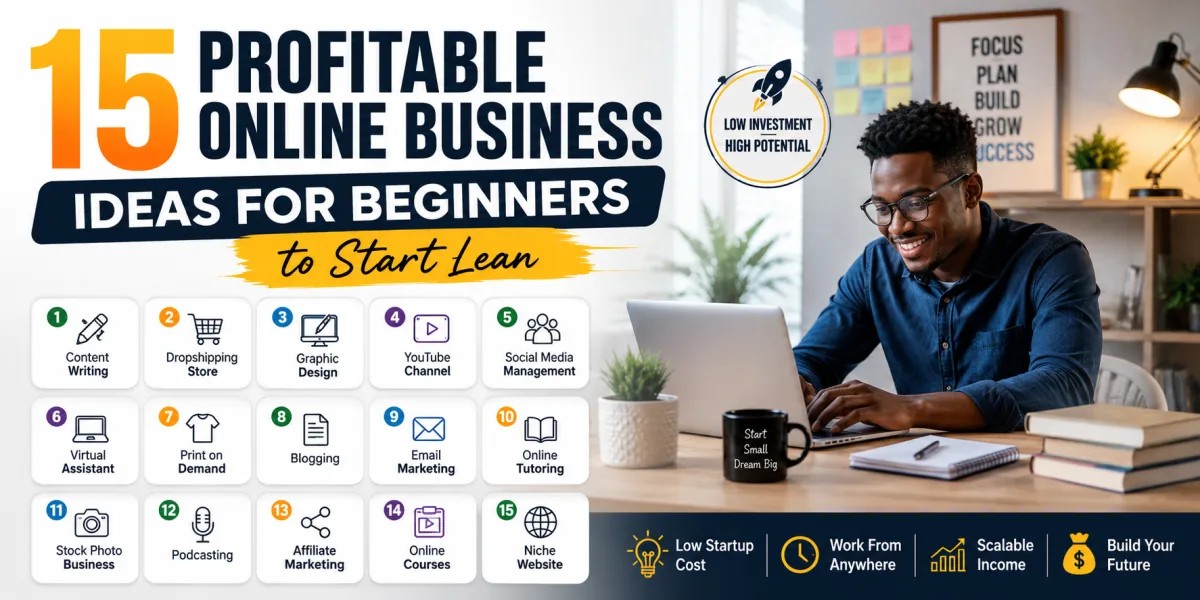
After the foundation is stable, consider business or side income if it fits your skills. Start with problems you can solve, customers you understand, and economics that make sense. Keep records and separate finances. Do not confuse revenue with profit.
If rental property is attractive, study the numbers carefully before buying. Understand financing, rent, vacancies, maintenance, taxes, insurance, and legal obligations. Maintain reserves. Treat property as a business, not merely a symbol of success.
If you create intellectual property, protect your rights. Understand contracts, licensing, royalties, distribution, and ownership. Creative income can scale, but only when the work has value and the rights are managed well.
Throughout the process, review your income mix. Are you too dependent on one employer? Is your business actually profitable? Are your investments diversified? Is your rental property producing real cash flow? Are your royalties growing or fading? Is complexity improving your life or consuming it?
The Emotional Side of Multiple Income Streams
Income diversification can create confidence, but it can also create anxiety. More streams mean more decisions, more records, more responsibilities, and more risk. Some people chase income streams because they feel behind, not because the opportunities are sound. This emotional urgency can lead to poor choices.
There is no shame in building slowly. A strong salary and a disciplined investment plan may be enough for a season. A side business can wait until the emergency fund is built. A rental property can wait until the numbers are attractive. A creative product can begin as an experiment before becoming a major income source.
Financial growth should not destroy health, relationships, or judgment. Income is a tool. It is meant to support a better life, not create endless exhaustion. The goal is not to become busy. The goal is to become more secure, more capable, and more free.
What Beginners Often Get Wrong
Beginners often believe passive income comes first. In reality, active income often funds passive or semi-passive income. Unless you inherit assets or receive capital from another source, you usually need earned or business income to buy investments, property, or rights.
Another mistake is confusing assets with income. A stock is not income. A house is not income. A business is not income. These are assets or systems that may produce income if managed well. The output matters.
A third mistake is ignoring expenses. Rental income before expenses is not profit. Business revenue before expenses is not income. Investment returns before fees and taxes are not net wealth. Always look at what remains.
A fourth mistake is chasing too many streams too early. Focus creates competence. Competence creates income. Income creates surplus. Surplus creates assets. Trying to build everything at once can lead to scattered effort and weak results.
A fifth mistake is underestimating risk. Every income stream can fail. The solution is not fear. It is preparation.
The Real Lesson of Income Types
The true value of learning income types is not vocabulary. It is strategy.
Earned income teaches the value of skill and reliability. Business income teaches the value of systems and customers. Investment income teaches the value of capital and patience. Rental income teaches the value of property, cash flow, and management. Royalty income teaches the value of intellectual property and ownership rights. Capital gains teach the value of buying assets that can appreciate.
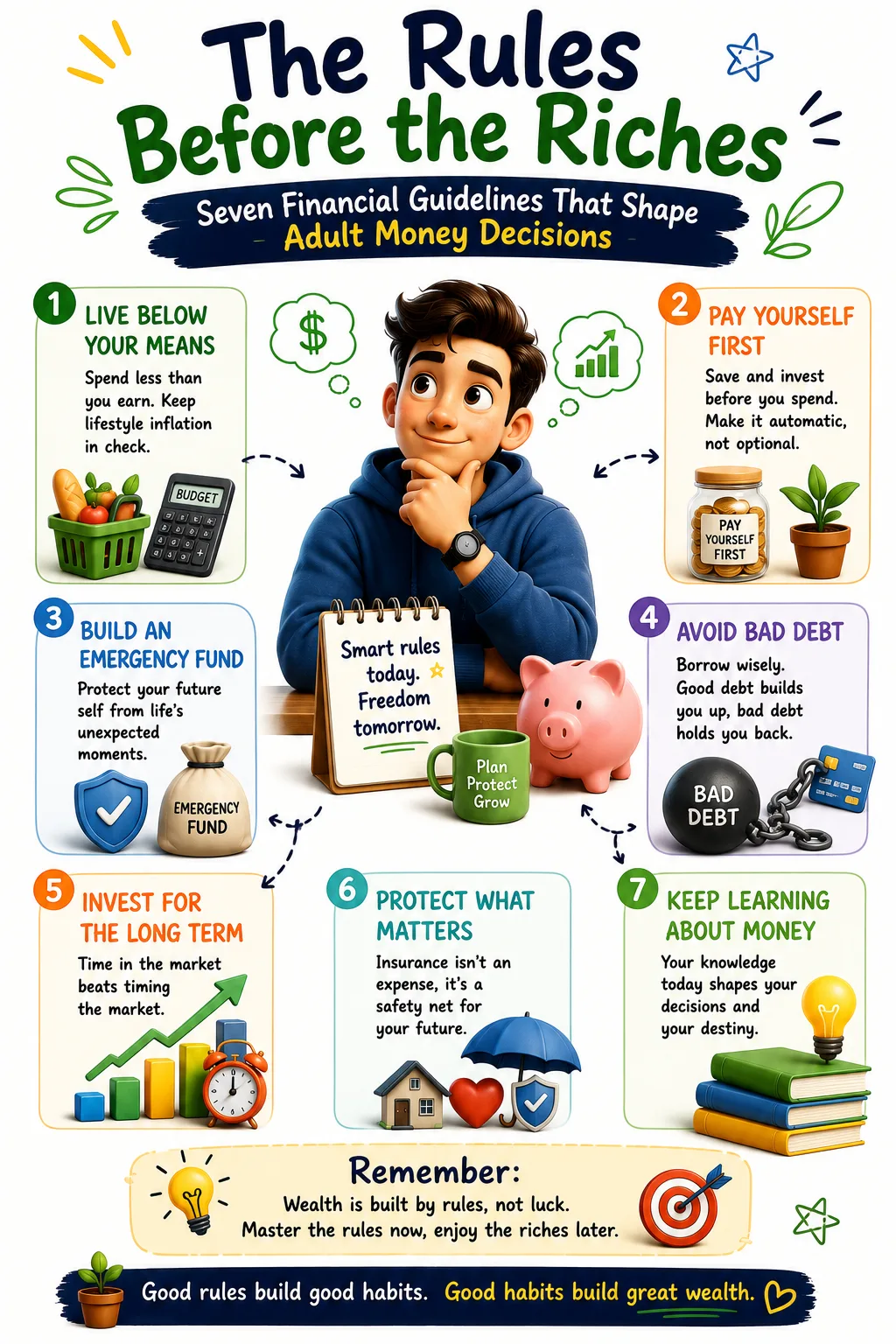
Together, these income types reveal a path. Start with what you can earn. Spend less than you earn where possible. Protect yourself from emergencies. Avoid high-interest debt. Invest consistently. Build skills. Acquire assets. Create or buy systems that produce value. Review the risks. Keep learning.
Financial freedom is not created by having every income type. It is created by reducing dependence on any single fragile source and increasing ownership of assets that can support your life. For one person, that may mean a career, retirement portfolio, and modest rental property. For another, it may mean a business and investment portfolio. For another, it may mean professional income, royalties, and diversified funds. The right mix depends on the person.
The paycheck is not the enemy. It is often the beginning. But if every paycheck is consumed, it remains only a temporary flow. When part of that paycheck is converted into savings, investments, business equity, property, or rights, it begins to build something larger.
That is the shift that matters: from income as money to spend, to income as capital to direct. Once you understand that shift, every type of income becomes more than a category. It becomes a tool for building resilience, ownership, and choice.
 Article
 Article
 Article
 Article
 Article
 Article
 Article
 Article