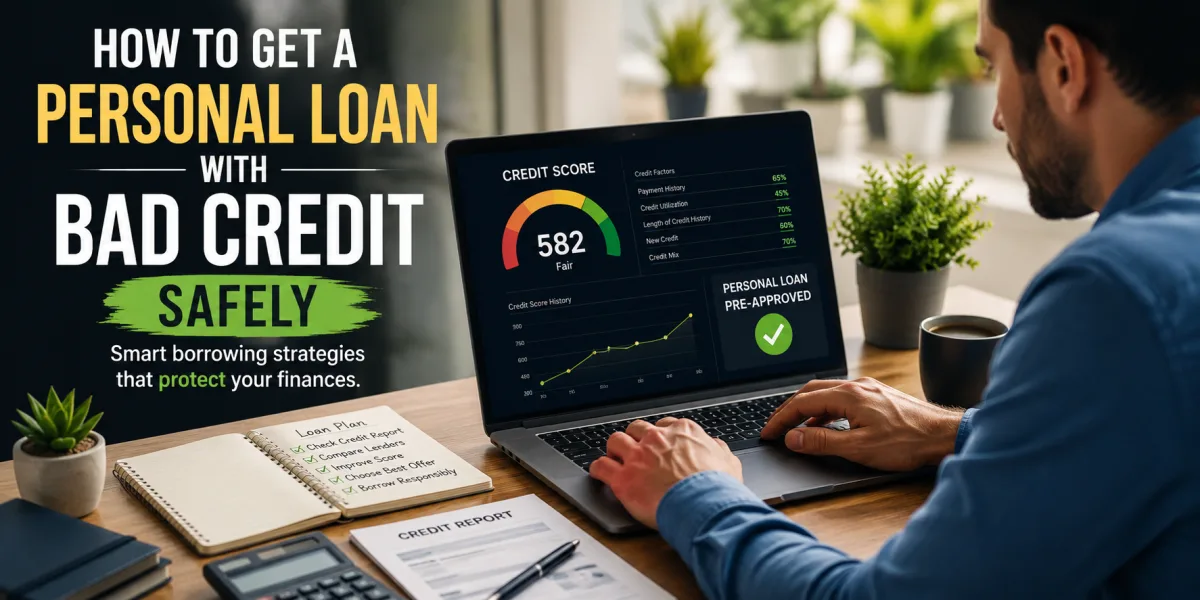
Borrowed Breathing Room: How to Get a Personal Loan with Bad Credit Without Making Your Finances Worse
Bad credit changes the borrowing experience. It does not simply make loans harder to get. It changes the way lenders see you, the price they charge you, the terms they offer, and the urgency you may feel when you need money quickly. A borrower with strong credit often shops for convenience. A borrower with bad credit is often shopping for access.
That difference matters. When access becomes the goal, the danger is accepting the first offer that appears. A personal loan can be useful when it replaces chaos with structure: one fixed payment, a clear payoff date, and a lower cost than the debt or emergency it is solving. But a personal loan can also become the beginning of a deeper financial hole if the rate is too high, the fees are hidden, the repayment period is too long, or the lender is not legitimate.
The central question is not simply, “Can I get approved?” The better question is, “Can I get approved for a loan that leaves me better off?”
That distinction separates a financial tool from a financial trap. Bad credit does not mean you have no options. It means every option must be judged more carefully.
What Bad Credit Really Means to a Lender
Credit scores are often treated like moral grades, but lenders use them as risk signals. A low score tells a lender that, based on the available credit history, there may be a higher chance of late payments, default, heavy debt use, recent financial distress, or thin credit experience. That signal affects the lender’s decision in two ways: whether to approve the loan and what price to charge for it.
This is the foundation of risk-based pricing. The Consumer Financial Protection Bureau describes risk-based pricing as the practice of offering less favorable loan terms, such as a higher interest rate, based on information in a credit report or application. Lenders may consider credit history, income, debt obligations, and other information when deciding whether a borrower represents higher risk.
For a borrower, this means bad credit does not always lead to rejection. More often, it leads to trade-offs. A lender may approve the loan but charge a higher annual percentage rate. It may approve a smaller amount than requested. It may require a shorter repayment period, collateral, automatic payments, a co-signer, or proof of stable income. It may also add an origination fee that is deducted from the loan proceeds before the money reaches your account.
That is why loan approval is not the same as loan affordability. A lender may decide you qualify for a loan under its underwriting model. That does not mean the loan fits your household budget. The lender is asking, “Is this borrower likely enough to repay us at this price?” You must ask, “Can I repay this without sacrificing rent, food, insurance, transportation, or other essential obligations?”
Bad credit can come from many situations: missed credit card payments, medical bills, collections, charge-offs, defaulted loans, bankruptcy, high credit utilization, or simply too little credit history. These causes are different, and lenders may view them differently. A borrower with one old collection and steady income may be viewed differently from a borrower with multiple recent late payments. A borrower recovering from a past hardship may be viewed differently from one whose bank account still shows persistent cash-flow strain.
Before applying, it helps to understand what story your credit file tells. You do not need a perfect story. You need a coherent one. If your income has stabilized, your recent payments are on time, and your debt load is manageable, some lenders may be willing to look beyond the score. If your recent history still shows missed payments, overdrafts, and rising balances, borrowing may be expensive because the risk appears current rather than historical.
The First Step: Define the Loan’s Purpose
A personal loan should have a job. “I need money” is not specific enough. The purpose of the loan determines whether borrowing is sensible, how much you should borrow, what repayment term makes sense, and whether an alternative would be safer.
Common personal loan purposes include consolidating high-interest credit card debt, covering an emergency expense, paying for car repairs, handling medical bills, financing a necessary home repair, or replacing several small payments with one structured payment. Some of these uses can be reasonable. Others require caution.
Debt consolidation is one of the most common reasons borrowers seek personal loans. Used well, consolidation can reduce the number of monthly payments, create a fixed payoff schedule, and potentially lower the interest rate compared with revolving credit card debt. Used poorly, it clears credit card balances only to make room for new spending. Then the borrower ends up with both the consolidation loan and new card debt.
Emergency borrowing can also be justified, especially when the alternative is missing rent, losing transportation needed for work, or turning to extremely high-cost credit. But even emergency borrowing should be sized carefully. A loan that solves this month’s problem but creates six months of unaffordable payments is not relief. It is a delayed crisis.
The purpose of the loan should pass three tests. First, the loan should solve a real problem rather than fund lifestyle spending. Second, the monthly payment should fit your budget after essentials. Third, the loan should improve your financial position or prevent a worse outcome.
A personal loan for a necessary car repair that keeps you employed may protect income. A personal loan to consolidate credit cards at a lower fixed rate may accelerate debt repayment. A personal loan for a vacation, furniture upgrade, or discretionary purchase when credit is already damaged is usually the wrong use of borrowed money.
Know the Difference Between APR, Interest Rate, and Fees
Borrowers with bad credit often focus on the monthly payment because that is the number that feels most immediate. The monthly payment matters, but it can hide the true cost. A lower payment over a longer term may cost far more in total interest. A loan with a reasonable-looking interest rate may carry fees that make it more expensive than it appears.
The annual percentage rate, or APR, is the best starting point for comparison because it reflects the cost of borrowing expressed as a yearly rate, including certain fees. The interest rate tells you what the lender charges for the money. The APR gives a broader view of the loan’s cost. When comparing offers, APR is usually more useful than the stated interest rate alone.
Origination fees deserve special attention. Some lenders charge a percentage of the loan amount upfront. If you are approved for a $5,000 loan with a 6 percent origination fee, the lender may deduct $300 before funding, leaving you with $4,700 while you still repay the full $5,000 plus interest. For borrowers already short on cash, this can create a new problem: borrowing more than needed just to receive the needed net amount.
Late fees, returned payment fees, prepayment penalties, administrative fees, and optional add-ons can also affect the real cost. Prepayment penalties are especially important because a good bad-credit loan should allow you to escape the debt early if your finances improve. You do not want a lender that punishes early repayment.
The repayment term is another hidden lever. A three-year loan may have a higher monthly payment than a five-year loan, but the shorter term may save substantial interest. A longer term can make sense if the lower payment prevents default, but it should not be used to disguise an unaffordable loan. A loan that stretches small relief into years of payments must be worth the burden.
Check Your Credit Before the Lender Does
Before applying for a personal loan, review your credit reports. You are looking for errors, outdated negative information, accounts you do not recognize, incorrect balances, duplicate collections, and signs of identity theft. Even a small correction can matter if your score is near a lender’s approval threshold.
Bad credit borrowers should be especially careful about applying blindly. Each formal application may result in a hard credit inquiry, and too many applications in a short period can make a borrower look desperate for credit. Prequalification tools can help because many lenders allow borrowers to check potential rates using a soft credit inquiry that does not affect the score. Prequalification is not a final approval, but it can narrow the field before you submit full applications.
When reviewing credit, pay attention to recent payment history and credit utilization. Payment history is powerful because lenders want evidence that the borrower is currently back on track. Credit utilization, especially on credit cards, can also weigh heavily. If your cards are near their limits, paying down even a portion before applying may improve your profile.
Timing can matter. If you can wait one or two billing cycles to reduce balances, correct errors, or bring an account current, you may receive better offers. If the need is urgent, you may not have that luxury. But when you do, a short delay can be financially valuable.
Build a Loan Application That Reduces Perceived Risk
A lender is not only evaluating your credit score. It is evaluating your capacity and willingness to repay. You cannot rewrite your credit history overnight, but you can strengthen the parts of the application that show stability.
Start with income documentation. Gather recent pay stubs, bank statements, tax documents, benefit statements, or proof of self-employment income. Lenders want to see that money is coming in consistently. If your income varies, show a longer history. If you have multiple income sources, document them clearly.
Next, calculate your debt-to-income ratio. This compares monthly debt payments with monthly gross income. A borrower with bad credit but manageable debt may be more attractive than a borrower with bad credit and heavy existing obligations. If your debt-to-income ratio is high, consider whether paying down a small balance, closing an unused line with a payment obligation, or choosing a smaller loan amount would improve your odds.
Then decide how much to borrow. Borrowing the smallest amount that solves the problem is often wiser than borrowing the maximum offered. Larger loans increase lender risk and borrower burden. If you need $3,200, applying for $10,000 because the lender allows it may reduce approval chances or tempt unnecessary spending.
Finally, be ready to explain irregularities if the lender asks. Some lenders, especially credit unions and community banks, may consider context. A job loss, medical event, divorce, or temporary hardship may be viewed differently if the situation has been resolved and the borrower can show current stability.
Where to Look for a Bad-Credit Personal Loan
The safest place to start is usually with institutions that have a reputation, regulatory oversight, transparent terms, and real customer service. Options include credit unions, community banks, online lenders, loan marketplaces, employer-based lending programs, and sometimes secured lending products.
Credit Unions
Credit unions can be a strong option for borrowers with imperfect credit because they are member-owned and may take a more relationship-based approach than large automated lenders. Some credit unions offer small-dollar loans, credit-builder loans, secured personal loans, or payday alternative loans. Membership requirements vary, but many credit unions are easier to join than borrowers assume.
Credit unions may also offer counseling or help members structure a loan in a way that is less likely to fail. A loan officer may look at your full financial situation rather than only a score. This does not mean approval is guaranteed. It means the conversation may be more human.
Community Banks
Community banks may also consider local relationships, employment history, deposit accounts, and collateral. If you already have a checking account with a bank and your deposits show stable income, that relationship may help. Banks still underwrite carefully, but existing account history can provide evidence not visible in a credit score.
Online Lenders
Online lenders can provide fast prequalification and broad comparison shopping. Some specialize in borrowers with lower credit scores or thin credit files. Others use alternative data, such as education, employment, bank account activity, or cash-flow patterns. The convenience is real, but so is the need for caution. Online loan markets include legitimate lenders, expensive lenders, and outright scams.
When evaluating an online lender, check whether it clearly discloses APR, fees, repayment terms, state licensing, customer support, and privacy practices. Be cautious with lenders that guarantee approval before reviewing your information, pressure you to act immediately, or request payment upfront before funding.
Loan Marketplaces
Loan marketplaces allow borrowers to submit basic information and compare offers from multiple lenders. This can be useful because bad-credit pricing varies widely. One lender’s rejection may be another lender’s approval. One lender’s 35 percent APR may be another lender’s 24 percent APR. Comparison matters because the cost difference over several years can be substantial.
The risk is that marketplaces may share your information with multiple parties. Read the consent language carefully. After using some marketplaces, borrowers may receive calls, emails, or texts from lenders and lead buyers. Use a marketplace only if you are comfortable with how your information may be distributed.
Employer-Based or Payroll-Linked Loans
Some employers offer emergency loan programs, earned wage access, or payroll-linked loans through benefit providers. These can be less expensive than payday loans or high-cost installment loans, but the details vary. The key questions are whether the product charges fees, whether it encourages repeated borrowing, and whether repayment will reduce future paychecks to a level that creates another shortfall.
Secured Personal Loans
A secured loan uses collateral, such as a savings account, certificate of deposit, vehicle, or other asset. Collateral can improve approval odds because it reduces lender risk. But it shifts risk to the borrower. If you default, the lender may take the collateral or freeze pledged funds.
Secured loans can be reasonable when the collateral is limited and the loan supports a disciplined plan. A secured credit-union loan backed by savings may help rebuild credit. A vehicle title loan with extreme costs and repossession risk is a different matter entirely. The word “secured” does not automatically mean safe.
When a Co-Signer or Co-Borrower Helps
A co-signer or co-borrower with stronger credit may help you qualify or receive a lower rate. This can be powerful, but it should be approached with seriousness. When someone co-signs, they are not merely vouching for your character. They are accepting legal responsibility for the debt if you do not pay.
Missed payments can damage both credit profiles. Default can lead to collections against both parties. Family relationships and friendships can suffer when financial promises fail. A co-signed loan should be used only when the borrower has a reliable repayment plan and the co-signer understands the risk.
A co-borrower is slightly different from a co-signer. A co-borrower usually shares access to the loan proceeds and responsibility for repayment. A co-signer typically helps guarantee the loan but may not receive the funds. Lenders define these roles differently, so read the agreement carefully.
If you use a co-signer, set expectations in writing. Decide who will make payments, when payments will be made, how both parties will verify payment, and what happens if income is disrupted. Transparency protects the relationship.
Compare Offers Like an Investor, Not a Desperate Borrower
The most dangerous moment in bad-credit borrowing is the moment of approval. Relief can override analysis. After expecting rejection, an approval can feel like rescue. That is exactly when you must slow down.
Compare at least three offers when possible. Look at the APR, origination fee, loan amount, repayment term, monthly payment, total repayment amount, prepayment rules, late fee policy, funding speed, and lender reputation. Do not compare only the payment.
Imagine two loans. Loan A offers $5,000 at a higher monthly payment but no origination fee and a three-year term. Loan B offers the same $5,000 with a lower monthly payment, a high origination fee, and a five-year term. Loan B may feel easier because the payment is lower, but it may cost far more over time. The question is not which payment feels comfortable today. The question is which loan creates the best path out of debt.
Calculate the total cost. If a lender does not make the total repayment amount easy to understand, that is a warning sign. Good lenders do not require borrowers to solve a puzzle to understand the cost of debt.
Also consider the loan’s effect on behavior. A consolidation loan only works if you stop adding new credit card balances. An emergency loan only works if the payment does not create another emergency. A lower monthly payment only helps if it fits into a realistic budget.
Warning Signs of Predatory Loans and Scams
Bad-credit borrowers are heavily targeted because they are more likely to feel urgency and less likely to believe they have choices. Scammers know this. So do predatory lenders.
The Federal Trade Commission warns that advance-fee loan scams often target people with bad credit or trouble getting approved elsewhere. These scams may advertise online or contact consumers directly, promising loans but demanding fees before any money is provided.
A legitimate lender may charge fees, but those fees are typically disclosed and handled through the loan process. Be suspicious if a lender demands payment upfront by gift card, wire transfer, cryptocurrency, peer-to-peer payment app, or other hard-to-reverse method. Be suspicious if approval is guaranteed before the lender checks your income, identity, or credit. Be suspicious if the company has no physical address, no state licensing information, no clear privacy policy, or a website that looks hastily built.
Predatory lending is not always illegal-looking. Sometimes it appears polished. The lender may have professional branding, friendly representatives, and fast funding. The danger may be buried in the terms: triple-digit APRs, repeat refinancing, balloon payments, aggressive collection practices, or collateral clauses that put essential property at risk.
Payday loans deserve particular caution. The CFPB advises borrowers considering payday loans to understand how they work, think through the costs, and know how they will repay. Payday loans often appeal to borrowers who need cash quickly, but the short repayment window can create repeated borrowing when the original loan consumes the next paycheck.
The classic debt trap begins with a shortfall. A borrower takes a high-cost loan to cover the shortfall. The loan repayment then creates a new shortfall. The borrower renews, rolls over, or takes another loan. What began as a temporary bridge becomes a recurring claim on future income.
Understand Your Rights When Credit Affects the Offer
Borrowers are not powerless simply because their credit is damaged. Consumer protection rules require certain disclosures when credit information affects lending decisions. The FTC explains that when lenders use risk-based pricing and offer less favorable terms based on credit report information, they generally must notify consumers or provide a credit score disclosure notice under applicable rules.
If you are denied credit or offered unfavorable terms, pay attention to the notices you receive. They may tell you which credit reporting agency provided the report, what factors affected your score, and how to obtain more information. These notices can be useful because they reveal what lenders are seeing.
A denial is not only a rejection. It is feedback. If the reasons include high balances, recent delinquencies, limited credit history, or too many inquiries, those are clues for your next move. You may need to reduce debt, wait for recent payments to age, correct errors, or apply with a different type of lender.
Alternatives to a Bad-Credit Personal Loan
A personal loan is not always the best solution. Before borrowing, compare it with alternatives. The right choice depends on the urgency of the need, the amount required, the cost of each option, and the consequences of not paying.
Negotiate Directly with Creditors
If the loan is meant to pay existing bills, contact the creditor first. Medical providers, utility companies, landlords, and even some credit card issuers may offer payment plans or hardship arrangements. A direct payment plan may be cheaper than borrowing from a third party.
Credit card hardship programs may reduce interest temporarily, waive fees, or create a structured repayment plan. The trade-off is that the account may be closed or restricted. Still, that may be better than taking a high-cost loan to keep making minimum payments.
Use a Nonprofit Credit Counseling Agency
Nonprofit credit counseling can help borrowers evaluate debt management plans, budgeting strategies, and creditor negotiations. This is different from debt settlement companies that promise dramatic reductions and charge fees. Be careful with companies that guarantee results or demand large upfront payments.
The FTC warns that some debt relief operations charge cash-strapped consumers large upfront fees and then fail to settle or lower debts. It also warns consumers to be cautious of promises that sound too easy, especially when dealing with debt relief or credit repair.
Borrow from a Credit Union Small-Dollar Program
Some credit unions offer small emergency loans at more reasonable rates than payday lenders. The amounts may be modest, but modest may be exactly what is needed. A smaller, safer loan can be better than a larger, expensive one.
Ask for a Payroll Advance or Employer Assistance
If the need is temporary and employment is stable, an employer may offer a payroll advance, emergency assistance fund, or short-term benefit. This should not become a habit, but it may avoid high-cost credit.
Sell an Unused Asset
Selling an item can be emotionally harder than borrowing, but it may be financially cleaner. Debt places a claim on future income. Selling an unused asset converts past spending into present liquidity without adding a monthly payment.
Delay the Expense
Some expenses feel urgent because the desire is immediate, not because the consequence of waiting is severe. If the expense can be delayed without serious harm, delay may be the best financing option. Time is often the cheapest lender.
How to Improve Approval Odds Before Applying
Bad credit does not improve instantly, but loan readiness can improve faster than many borrowers expect. The goal is to look less risky at the time of application.
First, bring past-due accounts current if possible. A recent delinquency can be more damaging to loan approval than an older blemish. Even if you cannot pay everything, preventing new late payments matters.
Second, lower credit card utilization. If you have revolving debt, reducing balances below key thresholds can help. Paying a card from near its limit down to a lower percentage may improve your credit profile and reduce lender concern.
Third, avoid new credit applications before applying. Multiple recent inquiries can suggest financial distress. If you are shopping for a personal loan, use prequalification tools first and submit full applications selectively.
Fourth, stabilize your bank account. Some lenders review cash-flow data. Overdrafts, negative balances, gambling transactions, and irregular deposits may raise concerns. A few months of cleaner account activity can help.
Fifth, consider a smaller loan amount. Approval odds are often better for a smaller loan because the lender is taking less risk. If you can cover part of the expense through savings, selling an item, or negotiating a bill, you may only need to borrow the remaining amount.
Sixth, apply with a co-signer only if the repayment plan is solid. A stronger co-signer can help, but it is not a substitute for affordability.
The Application Process Step by Step
The process begins before the application. Start by defining the exact loan purpose and amount. Then review your budget to determine the maximum payment you can afford without relying on optimism. Build in room for irregular expenses such as car maintenance, medical costs, school costs, insurance premiums, or seasonal utility bills.
Next, check your credit reports and correct obvious errors. Then gather documentation: identification, Social Security number or taxpayer identification information, income proof, employment details, housing payment, bank account information, and existing debt obligations.
After that, prequalify with several lenders. Prequalification usually asks for basic information and may use a soft inquiry. Compare estimated APRs, fees, loan amounts, and terms. Remove any lender that is unclear, aggressive, or suspicious.
Once you choose the best offer, submit a formal application. The lender may conduct a hard credit inquiry and verify your information. Be honest. Inflating income or hiding debt can lead to denial, loan cancellation, or worse financial consequences.
If approved, read the final loan agreement before accepting. Confirm the APR, loan amount, origination fee, funding amount, monthly payment, due date, repayment term, total repayment amount, prepayment policy, and late fee policy. Do not assume the final terms match the prequalified estimate.
After funding, use the money only for the stated purpose. If the loan is for consolidation, pay the target debts immediately. If the lender offers direct payment to creditors, consider using it. Direct payment reduces the temptation to use loan proceeds for something else.
How to Use a Personal Loan to Rebuild Credit
A personal loan can help credit over time if it is paid as agreed. It may add installment credit to a credit profile, reduce revolving utilization if used to pay credit cards, and create a record of on-time payments. But these benefits are not automatic.
The first rule is simple: never miss a payment. Payment history matters. Set up automatic payments if your cash flow allows it, but monitor the account to avoid overdrafts. If your pay schedule does not align with the due date, ask the lender whether the due date can be changed.
The second rule is to avoid re-borrowing. If you consolidate credit cards and then charge them up again, your credit and cash flow may worsen. Consider locking cards, lowering limits, removing cards from digital wallets, or creating a waiting period for purchases.
The third rule is to pay extra when possible. Even small additional principal payments can shorten the loan and reduce interest. Before doing this, confirm there is no prepayment penalty and that extra payments apply to principal rather than future scheduled payments.
The fourth rule is to build a small emergency buffer. Even $500 to $1,000 can prevent the next surprise expense from becoming another loan. Credit recovery is not only about scores. It is about reducing dependence on lenders when life becomes inconvenient.
When Taking the Loan Is the Wrong Move
There are times when the correct answer is not to borrow. If the payment is affordable only under perfect conditions, the loan is too risky. If the APR is so high that most early payments go to interest, the loan may delay rather than solve the problem. If the loan pays unsecured debt but puts your car, paycheck, or bank account at greater risk, think carefully.
Borrowing is also dangerous when the underlying problem is ongoing. If expenses exceed income every month, a loan may fill the gap once, but the gap will return. If the issue is compulsive spending, gambling, unstable income, or a household budget that no longer works, the loan should be paired with a deeper repair plan.
A personal loan is a bridge. It should connect one stable place to another. If there is no stable place on the other side, the bridge may collapse.
A Practical Example: Debt Consolidation with Bad Credit
Consider a borrower named Maya. She has a credit score in the high 500s, three credit cards with a combined balance of $7,500, and minimum payments totaling $240 per month. The card rates are high. She has not missed a payment in eight months, but her balances are near the limits. She wants a personal loan to consolidate the cards.
Maya receives two offers. The first is a $7,500 loan with a 28 percent APR, a 4 percent origination fee, and a three-year term. The second is a $7,500 loan with a 32 percent APR, a 7 percent origination fee, and a five-year term. The second payment is lower, but the total cost is much higher. Maya chooses the first loan because she can afford the payment and wants to be debt-free sooner.
But Maya’s real success comes from what she does next. She pays the cards immediately. She removes the cards from online shopping accounts. She keeps one card open for a small recurring bill and pays it in full monthly. She builds a $750 emergency fund before making extra loan payments. After six months of on-time loan payments and lower card utilization, her credit profile begins to improve.
The loan did not fix Maya’s finances by itself. It created structure. Her behavior turned structure into progress.
A Practical Example: Emergency Borrowing After a Car Repair
Now consider Daniel. His credit score is low because of old collections and recent missed payments after a job interruption. He needs $1,800 for a car repair to keep commuting to work. He is offered a high-cost online installment loan for $3,000 because the lender says he “qualifies for more.” The payment is barely affordable.
Daniel pauses. He asks the mechanic whether the repair can be split into urgent and non-urgent work. The immediate repair is $1,250. He sells unused equipment for $300 and borrows $950 from a credit union small-dollar loan program instead of taking the $3,000 online loan. The payment is smaller, the term is shorter, and he avoids borrowing money he does not need.
Daniel’s lesson is that the best loan is not always the biggest loan. It is the loan that solves the specific problem with the least future damage.
How to Read the Loan Agreement Before Signing
Loan agreements are not exciting documents, but they are where the truth lives. Before signing, read slowly. Confirm the lender’s legal name. Confirm the amount financed. Confirm whether fees are deducted from the proceeds. Confirm the APR and the finance charge. Confirm the payment schedule and due dates. Confirm whether the rate is fixed or variable. Most personal loans are fixed-rate, but assumptions are dangerous.
Look for prepayment rules. A borrower rebuilding credit should want the freedom to pay early. Look for automatic payment authorization language. Some lenders require access to a bank account; understand when payments will be drafted and what happens if a payment fails.
Look for arbitration clauses, collection terms, security interests, and default provisions. If the loan is secured, identify exactly what collateral is pledged. If a co-signer is involved, confirm the co-signer’s obligations.
Do not rely on verbal promises from a representative if the contract says something else. The written agreement governs. If a term seems unclear, ask for clarification before signing. A legitimate lender should be able to explain its own contract.
What to Do If You Are Denied
A denial is frustrating, but it can prevent a bad loan. Read the adverse action notice or explanation from the lender. It may identify the main reasons for denial. Common reasons include insufficient income, high debt-to-income ratio, recent delinquencies, limited credit history, too many inquiries, unverifiable information, or a credit score below the lender’s minimum.
Use the denial to choose the next step. If income was the issue, a smaller loan or co-signer may help. If recent delinquencies were the issue, waiting and building several months of on-time payments may help. If high utilization was the issue, reducing credit card balances may help. If errors appeared on your credit report, dispute them.
Do not respond to denial by applying everywhere. That can create more inquiries and more desperation. Instead, diagnose the problem and apply more strategically.
Credit Repair Promises and the Temptation of Shortcuts
Bad credit can make people vulnerable to promises of quick repair. Be careful. Legitimate credit improvement usually comes from correcting errors, paying on time, reducing balances, resolving collections where appropriate, and allowing negative information to age. It is rarely instant.
The FTC has warned consumers about credit repair scams and companies that promise fast fixes for low credit scores. The appeal is obvious: a higher score can save money and improve access to credit. But promises that sound effortless or guaranteed should be treated with skepticism.
No company can legally remove accurate negative information simply because you want it gone. Disputing inaccurate information is your right. Paying someone large fees for unrealistic promises is a different matter. Money spent on false credit repair could have gone toward debt reduction, emergency savings, or bringing accounts current.
The Psychology of Borrowing with Bad Credit
Borrowing with bad credit is emotional. There may be shame, urgency, embarrassment, fear, or anger. Many borrowers avoid looking closely at the numbers because the situation feels overwhelming. But avoidance is expensive.
The most powerful shift is to stop seeing the loan as a judgment and start seeing it as a transaction. The lender has a price. You have a need. Your job is to decide whether the price is worth paying.
Shame pushes borrowers toward secrecy. Secrecy leads to rushed decisions. Rushed decisions lead to expensive loans. A calmer process produces better outcomes: define the need, check the numbers, compare offers, read the contract, and decide based on affordability rather than emotion.
This mindset matters because many bad-credit lenders market relief, not math. They know the borrower wants the anxiety to stop. But financial relief that ignores math is temporary. Real relief comes when the payment fits, the term is clear, the cost is understood, and the loan supports a larger plan.
A Bad-Credit Personal Loan Checklist
Before accepting a personal loan with bad credit, ask these questions. What exact problem will this loan solve? Is the loan amount limited to that problem? What is the APR? What fees are charged? How much money will I actually receive after fees? What is the monthly payment? Can I afford that payment after essentials? What is the total amount I will repay? Is there a prepayment penalty? Is the lender licensed and reputable? Are there complaints or warning signs? What happens if I miss a payment? Am I pledging collateral? Is anyone else legally responsible? What behavior must change so this loan improves my finances?
If you cannot answer these questions, you are not ready to sign. If the answers make you uncomfortable, pay attention. Discomfort before signing is information. Regret after signing is more expensive.
How to Turn Approval into Progress
Getting the loan is not the victory. Paying it off without creating new debt is the victory.
Once the loan is funded, build a repayment system. Put the due date on your calendar. Set automatic payments only if your account reliably has enough money. Create a separate line item in your budget. Track the balance monthly. Celebrate principal reduction, not just payment completion.
If the loan consolidated other debts, monitor those old accounts. A zero balance can feel like available money. It is not. It is evidence that the loan did its job. Do not let the old accounts become the source of the next crisis.
If your income rises, use part of the increase to build savings and part to accelerate repayment. If your expenses fall, redirect the difference before lifestyle absorbs it. Debt payoff is easiest when money is assigned before it becomes invisible.
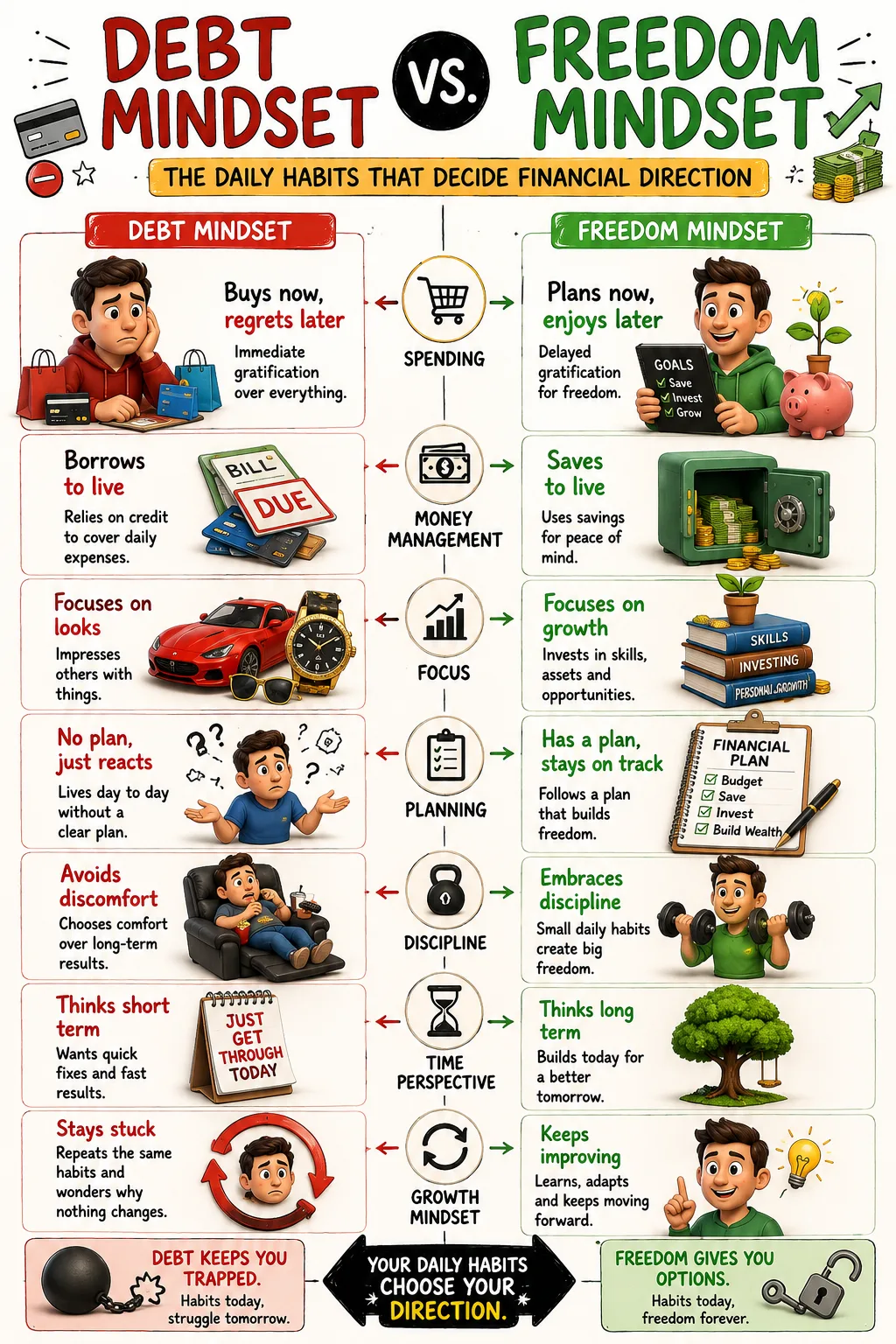
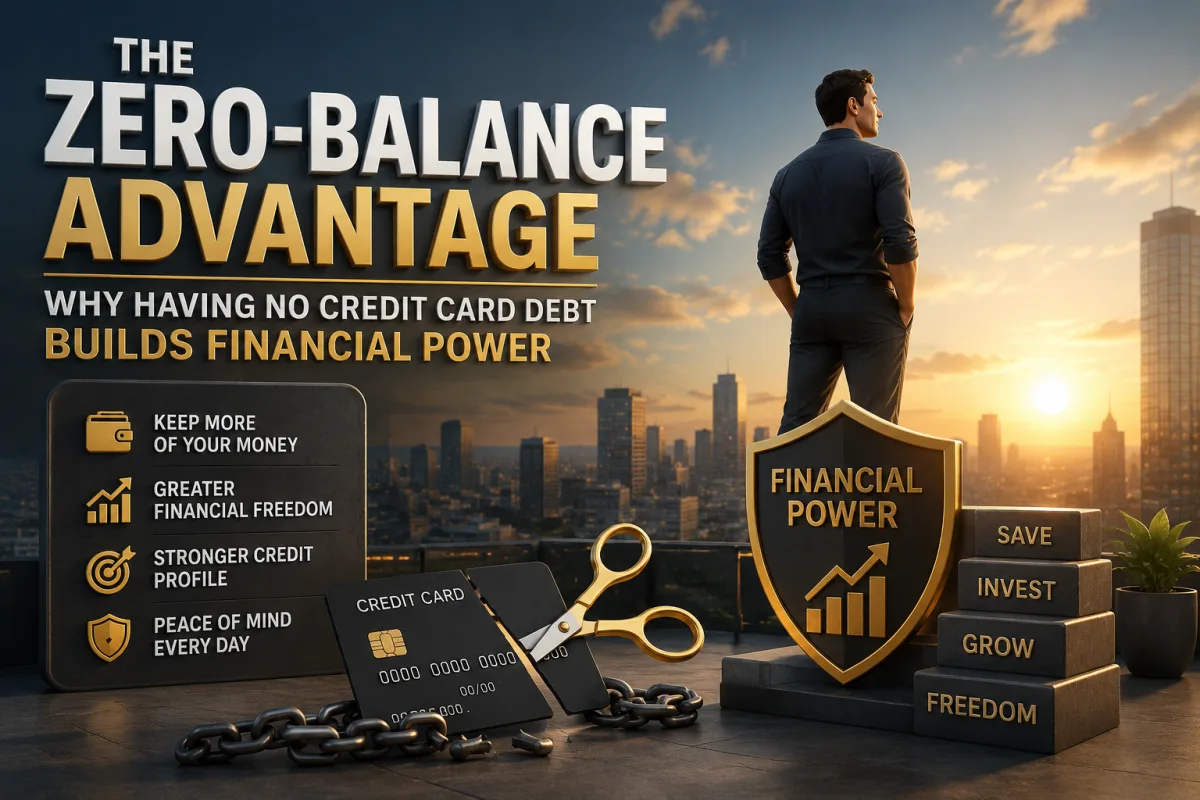
Over time, the goal is to graduate from borrowing under pressure to borrowing by choice, and eventually to needing less debt at all. Strong credit is useful, but the deeper form of financial strength is liquidity: cash reserves, stable income, manageable obligations, and assets that reduce dependence on lenders.
The Better Goal: From Bad Credit to Better Leverage
Bad credit often reflects a period when life outran liquidity. A job loss, illness, divorce, family emergency, business failure, or years of thin margins can leave marks on a credit report. Those marks matter, but they do not have to define the future.
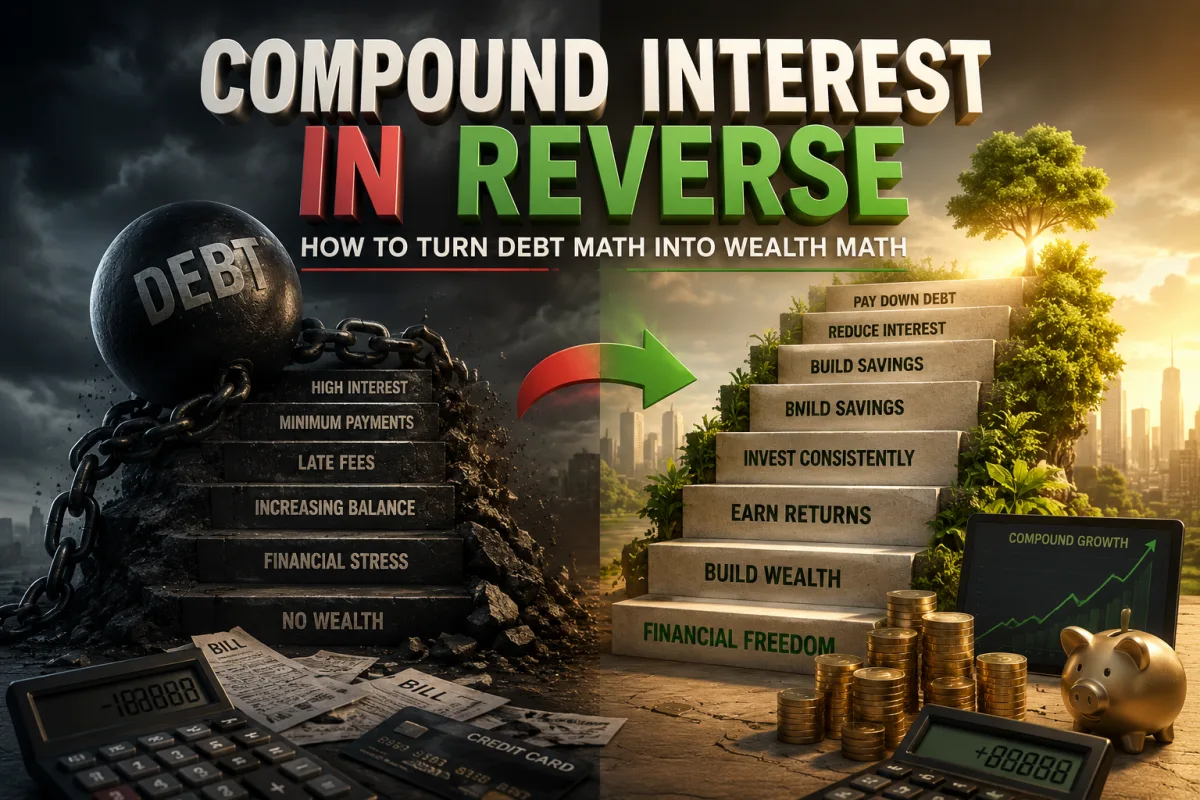
A personal loan can be part of recovery if it lowers cost, creates structure, prevents a worse outcome, or helps rebuild payment history. It is harmful if it masks overspending, funds nonessential consumption, or replaces one unaffordable obligation with another.
The best borrowers with bad credit are not the ones who pretend the past did not happen. They are the ones who learn from it. They borrow less than they are offered. They compare terms. They avoid lenders that profit from confusion. They treat every payment as a step toward restored credibility.
Credit recovery is not only about qualifying for better loans. It is about regaining control over future income. Every debt payment is a claim on money you have not earned yet. The fewer unnecessary claims you create, the more freedom you keep.
So yes, it is possible to get a personal loan with bad credit. But the better achievement is getting the right loan, for the right reason, at the lowest available cost, with a repayment plan that moves you forward. Approval can provide breathing room. Discipline turns breathing room into recovery.
 Article
 Article
 Article
 Article
 Article
 Article
 Article
 Article