
Crypto rules matter when financial choices depend on understanding responsibilities.
What crypto regulation covers
Crypto regulation includes public rules, oversight, and enforcement affecting crypto-related activities.
The meaning depends on the jurisdiction, service, and people involved.
Authorities may distinguish token creation from platform operation.
They may also treat custody, payments, and investment promotion differently.
A rule governing a platform does not necessarily govern every customer activity.
Regulatory attention can take several forms, including proposed rules and licensing conditions.
It can also involve consumer warnings, investigations, or formal restrictions.
These measures have different meanings and legal effects.
A proposal indicates possible policy direction, not necessarily a current obligation.
Readers should check its legal status and the responsible authority.
Enforcement concerns how an authority applies existing requirements.
An enforcement action may clarify expectations for specific facts.
It does not automatically establish rules for every provider or user.
Different public bodies may oversee finance, consumer protection, taxation, or law enforcement.
Their powers and responsibilities vary between countries.
Identifying the authority helps readers understand what a document can establish.
Similar labels may refer to different legal powers in different places.
Why authorities may focus on crypto
Crypto products and services can involve arrangements that differ from familiar financial services.
Authorities may ask whether existing protections address those arrangements adequately.
One concern can be whether customers understand what they are buying.
Technical language may make rights, costs, and risks harder to evaluate.
Another question is who controls assets held through an intermediary.
Customers may need clear information about custody, access, and recovery procedures.
Authorities may also examine how firms handle personal information and complaints.
Clear procedures can help customers understand where concerns should be directed.
Market integrity may be another policy focus.
Rules may address misleading promotion, conflicts of interest, or unequal treatment.
These are possible regulatory objectives, not evidence that every service has identical problems.
Providers and products differ, so careful distinctions matter.
Payment activity can raise different questions from investment activity.
A transfer service may involve different responsibilities than an investment platform.
Authorities may consider links between crypto activity and existing financial services.
That examination concerns exposure and responsibilities, not automatic equivalence.
Cross-border activity can make oversight more complicated.
A customer, provider, and supporting service may be connected to different countries.
Overlapping responsibilities can make complaint routes difficult to identify.
Legal guidance may help when the applicable jurisdiction is unclear.
These possible concerns explain why regulation attracts attention.
They do not prove that every country has adopted new requirements.
How rules may affect users
Rules can influence which services operate and what information they provide.
They may also affect checks providers perform, depending on local requirements.
A provider may request identity verification or other customer information.
Such requests may reflect law, company policy, or service design.
Disclosure requirements may address fees, risks, or product features.
Disclosure helps only when customers can understand and use the information.
Some rules may limit marketing or access to particular products.
Users should distinguish legal restrictions from a provider’s recommendations.
Rules can affect how customers submit complaints.
A provider may offer formal processes, which customers should verify directly.
Regulatory status does not make an asset safe or guarantee an outcome.
It describes a relationship with specific requirements and boundaries.
The absence of a familiar regulatory label does not alone prove illegality.
Applicable definitions and local law determine what that absence means.
Check whether a rule covers your activity, provider, and location.
Broad headlines may leave out important limits.
For savers and investors, service availability is only one consideration.
Access, fees, custody, and possible loss also deserve attention.
Borrowers and business owners may encounter separate terms when accepting payments.
Review contract conditions alongside applicable local requirements.
How rules may affect businesses
Businesses need to assess whether their activities meet a regulatory definition.
Changing a product description may not resolve that legal question.
Depending on applicable law, firms might face licensing or registration requirements.
Reporting and conduct obligations may also apply.
Requirements cannot be assumed to match across borders.
Compliance may involve staff time, records, systems, and continuing review.
Those responsibilities can influence how a service is designed.
Businesses should examine each activity separately.
A single company may provide services with different regulatory implications.
Teams should identify customer locations and relevant counterparties.
Cross-border relationships can create questions that one jurisdiction cannot answer alone.
Contracts should explain responsibilities in language customers can understand.
Customers need to know who holds assets and handles support requests.
A licence or registration should not be presented as broad quality approval.
Its scope, conditions, and issuing authority require examination.
Clear internal procedures can help staff respond consistently.
Businesses should separate legal obligations from voluntary risk controls.
Why global rules differ
Countries develop policy within their own legal systems and priorities.
Shared terminology does not ensure identical definitions or outcomes.
One jurisdiction might emphasize provider licensing.
Another might focus on particular services or customer disclosures.
These examples describe possible approaches, not specific national rules.
Definitions can determine whether an activity falls within a requirement.
Differences in wording may affect which businesses must comply.
Some rules may reach providers serving local customers from elsewhere.
The exact scope depends on the applicable legal text.
A cross-border firm may therefore face several rulebooks.
One approval should not be assumed to satisfy every jurisdiction.
Users also need to consider jurisdictional questions.
The location of a service, customer, or dispute may affect available protections.
Authorities have different mandates and legal tools.
This can create uncertainty for customers and businesses.
Do not assume an international report describes Kenyan law.
Check relevant Kenyan sources and applicable legal requirements.
Identify foreign requirements by the country that issued them.
A rule in one jurisdiction does not automatically govern another.
Regulation, innovation, and tradeoffs
Regulation can clarify expectations and establish accountability.
It can also impose costs or limit particular product designs.
Clearer disclosures may help customers compare services.
Dense disclosures, however, can remain difficult to use.
Licensing can establish conditions for operating a service.
It may also create barriers affecting which providers enter a market.
Restrictions can reduce access to certain activities.
Whether a restriction is justified depends on its goals and evidence.
Broad rules may capture activities with meaningfully different risks.
Narrow rules may leave gaps or uncertainty.
Authorities must make choices about scope, enforcement, and adaptation.
Users should examine the actual provision instead of relying on its label.
Businesses may comply, change products, or leave a market.
Each response can have operational consequences.
Customers may encounter changed access or service terms.
Read provider notices carefully rather than assuming services will continue unchanged.
No single rule removes every financial or operational risk.
Regulation is one element of an informed decision.
How to assess regulatory claims
Start by separating a headline from the underlying document.
Headlines can omit scope, timing, and legal status.
Find the issuing authority and the country concerned.
This establishes whose rules the claim discusses.
Check whether the document is a proposal, final rule, or guidance.
It might instead be a warning or enforcement action.
Those categories have different significance and implications.
Identify the activity affected by the measure.
A measure concerning exchanges may not cover every wallet or payment arrangement.
Check official material for effective dates and transition conditions.
Do not assume a measure applies immediately.
Look for exceptions and thresholds within the document.
Their meaning may depend on definitions elsewhere in the rules.
Compare the provider’s description with the authority’s own wording.
Marketing language cannot establish legal status.
Ask what could change for access, information, custody, costs, or complaints.
If meaning remains unclear, consult a qualified professional in that jurisdiction.
What to do now
Write down the crypto activity you are considering.
It might involve holding, transferring, trading, or accepting payment.
Identify the country connected to you and your provider.
Do not assume foreign requirements apply locally.
Find an official explanation from the responsible authority.
Confirm whether it is proposed, active, or enforcement-related.
Read provider terms covering custody, fees, access, complaints, and service changes.
Mark unclear language for follow-up.
Ask the provider to explain its regulatory status.
Confirm exactly which services that status covers.
Consider whether restricted access or service changes would affect your choice.
Regulation does not remove the possibility of loss.
Seek qualified local advice when legal duties or business decisions depend on interpretation.
Conclusion
Regulation is best understood as a map of responsibilities, not a verdict on value.
That distinction helps readers ask who controls the service and who answers for it.
Featured photo by Markus Winkler on Pexels.
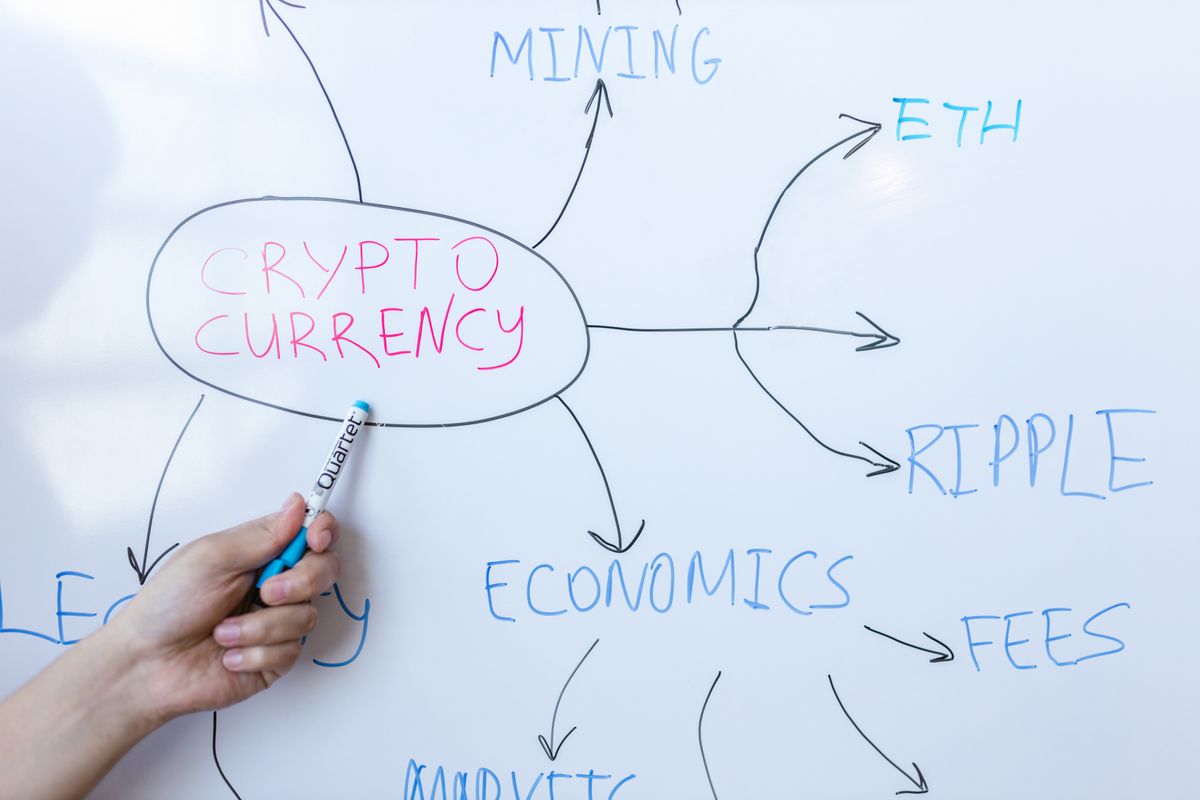
Photo by RDNE Stock project on Pexels.
 Article
 Article
 Article
 Article
 Article
 Article