
A housemate’s move can leave shared costs unresolved.
Clear records help separate lease responsibilities from private household agreements.
Check the tenancy agreement
Read the signed tenancy agreement before dividing expenses.
It may explain who is named as a tenant and which terms apply.
Check the tenancy dates, rent terms, and notice requirements.
A household arrangement may differ from a direct landlord agreement.
Look for wording about shared responsibility for rent.
An informal split between housemates may not match the lease terms.
Review any clauses about notice or ending the tenancy early.
Do not assume a spoken departure notice satisfies the agreement.
Ask the landlord or agent to confirm the effective departure date in writing.
Keep that response with the tenancy documents.
Separate rent owed to the landlord from reimbursements between housemates.
These involve different payment relationships.
Record the rent amount required by the agreement before discussing household shares.
Document any replacement arrangement approved by the landlord.
A replacement occupant may not automatically release the original tenant.
Check whether the agreement allows a sublet or additional occupant.
Do not collect replacement rent under an arrangement that conflicts with the agreement.
Write down unresolved questions about the tenancy.
Seek qualified local guidance if responsibility remains disputed.
Calculate rent during the transition
Agree on the date the departing housemate stops occupying the room.
Record whether the household agreement links rent responsibility to that date.
Do not assume a daily allocation is required.
Use the tenancy agreement and written household arrangements as starting points.
If someone owes a partial period, record the agreed calculation method.
Agree on the method before preparing the settlement.
List rent already paid and the period each payment covers.
Distinguish advance payments from unpaid balances.
Keep a replacement occupant’s payment separate from the departing tenant’s obligation.
This helps avoid charging twice for the same period.
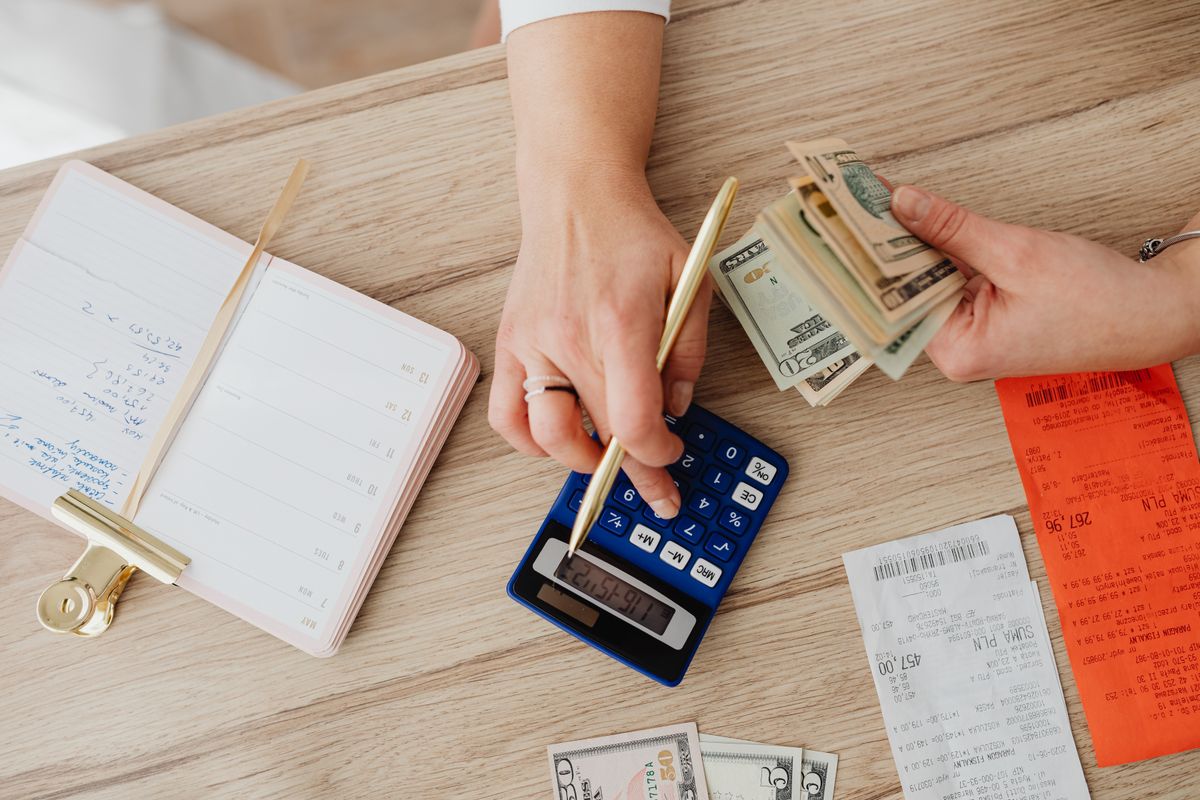
Create a settlement sheet with dates, agreed shares, payments, and balances.
Share the sheet for review and correction.
If the landlord refunds rent to one tenant, record who received it.
Make any household reimbursement reflect the actual payment recipient.
Set a written process for reviewing disputed rent entries.
Keep the relevant lease wording or household agreement beside each entry.
Compare household records with the landlord’s receipts.
Every allocation should relate to an actual payment or documented agreement.
Close utilities with meter readings
Where meters are accessible, record electricity and water readings on moving day.
Photograph the readings while protecting household privacy.
Request final statements or review the relevant provider accounts.
A billing period may extend beyond the housemate’s departure.
Separate fixed charges from charges linked to usage.
An internet subscription may not change when household occupancy changes.
Agree how each bill component will be divided during the transition.
Record the chosen method before calculating reimbursements.
Check whether prepaid electricity was purchased before the move.
Record any remaining balance and agree how it affects settlement.
Identify provider accounts registered in the departing tenant’s name.
Ask providers about authorised account transfers or closures.
Do not exchange account passwords as a shortcut.
Use the provider’s official process where one is available.
Save statements, receipts, and service confirmations.
These records can help clarify bills received later.
Mark each utility as settled, awaiting a final invoice, or transferred.
Base each status on available evidence rather than an assumption.
Handle deposits and shared property
Find the original security deposit receipt and review the agreement’s refund terms.
A household contribution does not necessarily determine an immediate refund.
Record who contributed toward the deposit and keep supporting evidence.
Separate the landlord-held deposit from internal household reimbursements.
Inspect the property together when practical.
Use dated photographs to document cleaning or repair concerns.
Check the agreement when distinguishing ordinary wear from damage claims.
Do not make unsupported deductions from a housemate’s share.
Wait for an itemised landlord statement before treating deductions as final.
Label estimates as provisional while details remain unconfirmed.
List shared furniture and appliances separately from the rental deposit.
Ownership may depend on receipts or written household arrangements.
For a shared item, identify who purchased it and what records exist.
Agree whether someone keeps it, buys out another share, or sells it.
Record any sale proceeds and who receives them.
Do not count the same item as property and as a cash credit.
Prepare a written inventory of items remaining in the home.
Photograph valuable belongings before the move.
Manage replacements and overlapping payments
A new housemate may arrive before the departing occupant’s obligations end.
Record each person’s relevant dates and agreed payments.
Check landlord consent requirements before adding someone to the lease.
Follow applicable rules when arranging screening and documentation.
Decide who covers any period when the room is vacant.
Use the lease or a written household agreement to guide that decision.
Record any rent share that remains uncovered and who agreed to address it.
Do not present an incoming tenant with another person’s unpaid bills as their own.
Keep earlier household debts identified separately.
Agree whether the new occupant contributes toward existing furniture or supplies.
Record new purchases and ownership arrangements from the start.
Set out utility payment responsibilities and access to shared services.
Avoid informal transfers of account credentials.
Give the incoming occupant a written list of recurring bills and due dates.
Explain how the household plans to divide each cost.
Keep a timeline of notice, departure, landlord approval, and move-in arrangements.
This can reveal gaps or overlapping payment periods.
Review the household’s first complete payment after the change.
Check that rent or utility shares were not collected twice.
Prepare the final settlement record
Create one settlement statement for the departing housemate.
Include rent, utilities, deposits, shared assets, and previous advances.
Show each charge or credit with its supporting record.
Do not combine unrelated amounts into an unexplained total.
Show how confirmed charges and credits produce the final balance.
Identify each amount as confirmed or awaiting a provider statement.
Do not label pending entries as settled.
Share the statement privately and allow time for corrections.
A disagreement may reflect missing documentation rather than intent.
Use a payment reference that explains the settlement purpose.
Save the transfer receipt and written acknowledgement.
If payment will happen in stages, record dates and remaining balances.
Do not promise final clearance while bills remain unresolved.
Agree how late invoices will be handled.
Set out how evidence will be shared and when adjustments will be reviewed.
After authorised transfers, close shared payment permissions and update contact details.
Protect personal account information throughout the process.
Keep the agreement, photographs, receipts, statements, and approvals together.
A complete record makes later questions easier to review.
Settlement checklist
- Confirm the departure date in writing.
- Match each charge to a receipt or agreement.
- Identify provider invoices that remain outstanding.
- Confirm payments and the final balance in writing.
Featured photo by Mikhail Nilov on Pexels.
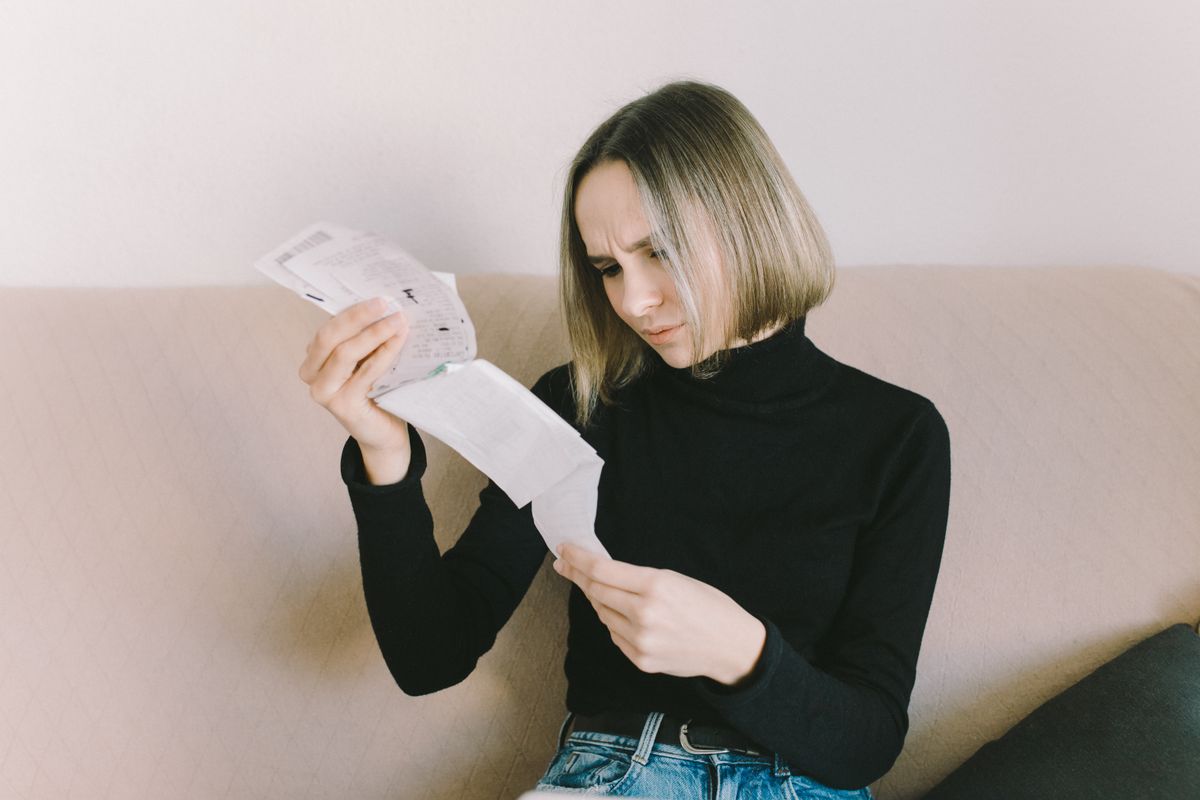
Photo by Nataliya Vaitkevich on Pexels.
 Article
 Article
 Article
 Article
 Article
 Article
 Article
 Article