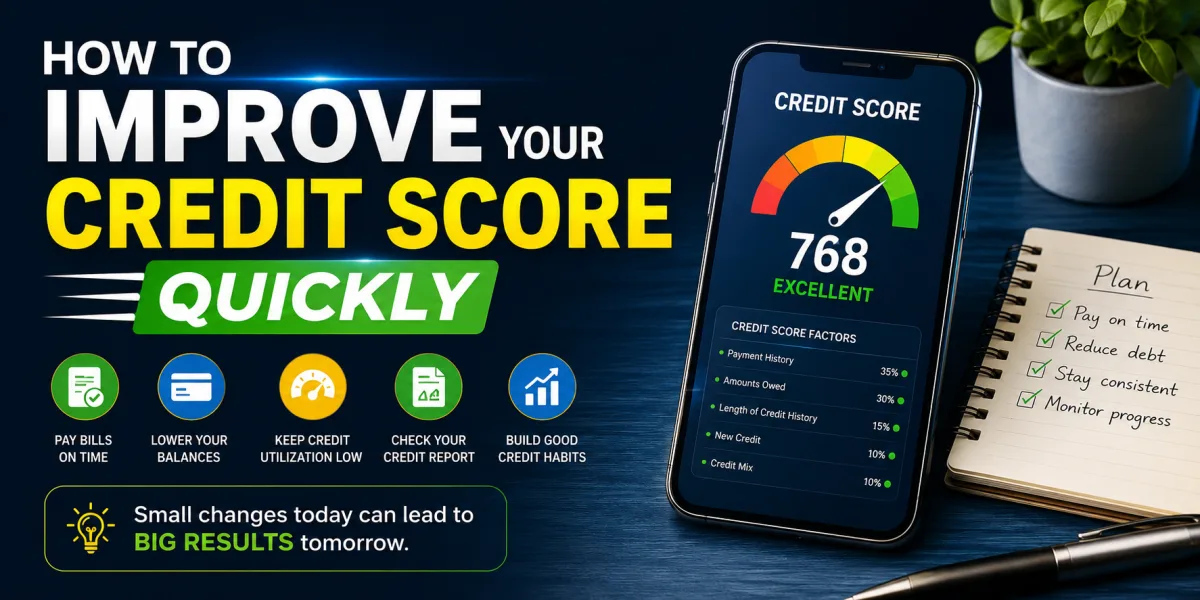
The Credit Rebound: How to Improve Your Credit Score Quickly Without Falling for Shortcuts
A credit score can feel like a financial verdict, but it is better understood as a risk signal. Lenders use it to estimate how likely a borrower is to repay money as agreed. Landlords, insurers, credit card issuers, auto lenders, mortgage companies, and sometimes employers may use credit information in different ways. A higher score can open doors to lower interest rates, better approvals, higher limits, and less expensive borrowing. A lower score can make ordinary financial life more costly.
That is why the desire to improve a credit score quickly is understandable. A person may be preparing for a mortgage, trying to qualify for an apartment, refinancing a car, applying for a personal loan, recovering from missed payments, or simply tired of being charged more because of past mistakes. Credit improvement is not just about a number. It is about access, cost, dignity, and financial options.
But “quickly” must be handled carefully. Some credit improvements can happen fast. Others require time. Lowering credit card balances, correcting errors, becoming current on past-due accounts, and reducing reported utilization can sometimes move a score within one or two reporting cycles. Rebuilding after serious delinquencies, collections, charge-offs, foreclosure, or bankruptcy takes longer because payment history and negative marks cannot be erased by wishful thinking.
FICO explains that the largest components in a FICO Score are payment history at 35 percent and amounts owed at 30 percent, followed by length of credit history, credit mix, and new credit. That means the fastest legitimate credit gains usually come from the two largest areas: paying on time and reducing revolving balances.
The central rule is simple: improve the data that credit scoring models are reading. Credit scores are not improved by hacks. They are improved when credit reports show less risk. Lower balances. Fewer missed payments. Correct information. Older accounts managed well. Fewer unnecessary applications. A stronger pattern of repayment.
The goal is not only a short-term score bump. A quick improvement that depends on tricks, borrowed money, or temporary manipulation can vanish. A real credit rebound improves both the score and the financial structure underneath it.
Understand What Can Improve Quickly
Credit scores change when the information in credit reports changes. That is important because many people assume credit scores update instantly. They do not. Lenders typically report account information to the credit bureaus periodically, often monthly. A payment made today may not affect the score until the creditor reports the updated balance or status.
The fastest-moving factor is usually revolving credit utilization. Revolving utilization measures how much of available revolving credit is being used, especially on credit cards. A person with a $1,000 balance on a card with a $1,200 limit looks much riskier than a person with a $100 balance on the same card. The debt may be paid on time, but the high balance signals pressure.
Experian notes that paying down high balances on credit cards and other revolving accounts can be one of the quickest ways to improve credit scores.
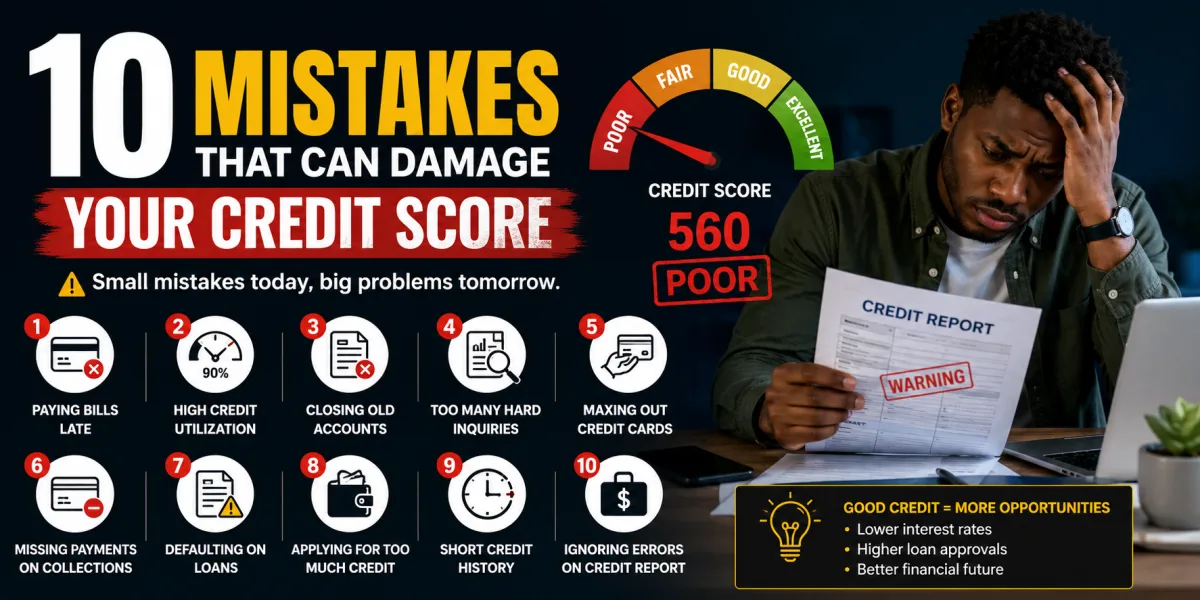
Payment status can also move quickly if an account is past due but not yet charged off or deeply delinquent. Bringing an account current may not erase the late payment history, but it can stop the account from becoming worse. A 30-day late payment is damaging. A 60-day, 90-day, or 120-day delinquency is usually more damaging. Stopping the slide matters.
Credit report errors can also create fast improvement if they are serious and successfully corrected. An account that is not yours, an incorrect late payment, a wrongly reported balance, a duplicate collection, or an account showing open when it should be closed can all distort a score. Fixing inaccurate negative information can produce meaningful improvement.
Some factors cannot be rushed. Length of credit history grows with time. A history of on-time payments becomes stronger month by month. Old negative information ages gradually. A thin credit file becomes more robust as accounts are managed well over time. Quick improvement is possible, but lasting improvement is built.
Step One: Get Your Credit Reports
Improving credit quickly begins with seeing what lenders see. Many people monitor a score through a banking app but never read the underlying reports. That is like trying to improve a medical test result without seeing the lab report.
AnnualCreditReport.com states that free weekly online credit reports are available from Equifax, Experian, and TransUnion. It also reminds consumers that credit reports can differ, so checking all three matters.
The Federal Trade Commission says AnnualCreditReport.com is the only authorized place to get the free annual credit reports people are entitled to by federal law, and warns that other sites may use “free report” language while offering different products or collecting information for marketing.
When you pull your reports, review them like a lender would. Look for late payments, high balances, collections, charge-offs, accounts you do not recognize, incorrect personal information, duplicate debts, old accounts reporting incorrectly, hard inquiries, and accounts listed with the wrong status.
Do not review only the score. A score tells you the result. A report tells you the cause.
Step Two: Lower Credit Card Utilization
If you need a faster score improvement, credit card utilization is often the first place to focus. This is especially true if you have cards near their limits. High utilization can suppress a score even when every payment is on time.
The Consumer Financial Protection Bureau advises consumers not to get close to their credit limit and notes that most credit scores consider repayment history the top factor in building a strong score.
A common target is to keep utilization below 30 percent, but lower is often better. A person using 80 percent of available credit may see improvement by getting below 50 percent, then below 30 percent, then below 10 percent. The exact score effect depends on the full credit profile, but the direction is clear: lower reported revolving balances generally look less risky.
There are two types of utilization to consider. Overall utilization compares total credit card balances with total credit limits. Individual utilization compares each card’s balance with that card’s limit. A person may have low overall utilization but one maxed-out card. That single card can still hurt.
To improve quickly, pay down cards before the statement closing date if possible. Many card issuers report the statement balance to the bureaus. If you pay only after the statement closes, the high balance may still be reported even if you avoid interest by paying before the due date. The due date protects you from late fees and interest. The statement closing date often affects what balance gets reported.
For example, if your card has a $2,000 limit and you spend $1,500 during the month, the statement may report 75 percent utilization. If you pay $1,200 before the statement closes, the reported balance may be $300, or 15 percent utilization. That difference can matter.
This does not mean carrying a balance helps your score. It does not. Paying in full is financially stronger. The goal is to manage the reported balance, not to pay interest.
Step Three: Bring Past-Due Accounts Current
If any account is past due, bringing it current should be a priority. A missed payment can damage a score, but an account that remains delinquent can keep getting worse. The longer the delinquency, the more serious the signal.
Payment history is the largest FICO Score category. FICO states that payment history makes up 35 percent of a FICO Score, which is why late payments can be so damaging and why consistent on-time payment is central to credit recovery.
If you are only a few days late, act immediately. Creditors may charge a late fee, but many do not report a payment as late to the credit bureaus until it is at least 30 days past due. If you are approaching that point, contact the creditor and pay as soon as possible.
If you are already 30 or more days late, bring the account current if you can. Then stay current. You may also ask the creditor for a goodwill adjustment if the late payment was isolated and you have a strong prior history, but approval is not guaranteed. Do not build a plan around goodwill. Build it around current payments.
If you cannot catch up immediately, call the creditor before the situation worsens. Ask about hardship programs, payment plans, due-date changes, temporary reduced payments, or forbearance options. A structured arrangement may protect your credit better than silence.
The worst response to a missed payment is avoidance. Credit damage often compounds when shame prevents action.
Step Four: Dispute Accurate Errors, Not Accurate History
Credit report errors are common enough that every borrower should check. But disputing should be used for inaccuracies, not as a strategy to erase truthful information.
The CFPB provides resources to help consumers understand credit reports, correct errors, and improve credit records over time.
When you find an error, dispute it with the credit bureau reporting it. Provide documentation. Identify the account, explain what is wrong, and include evidence such as payment confirmations, identity theft reports, settlement letters, court records, account statements, or letters from the creditor. You can also dispute directly with the furnisher, meaning the company that supplied the information.
Examples of disputable errors include accounts that are not yours, incorrect late payments, wrong balances, accounts listed as open when closed, duplicate collections, incorrect dates, debts discharged in bankruptcy but still reported incorrectly, and fraudulent accounts.
Do not dispute accurate negative information simply because it hurts your score. That is not a durable strategy. If the information is verified, it may remain. Repeated frivolous disputes can waste time and may not help. The goal is accuracy.
If an error is removed or corrected, the score may improve quickly, especially if the error was severe. A wrongly reported late payment or collection can have a large effect. But if the report is accurate, improvement comes from better behavior over time.
Step Five: Ask for Higher Credit Limits Carefully
A credit limit increase can improve utilization if balances stay the same. Suppose you owe $1,000 on a card with a $2,000 limit. Utilization is 50 percent. If the limit rises to $5,000 and the balance remains $1,000, utilization falls to 20 percent. That can help.
This strategy is useful only if it does not lead to more spending. A higher limit is not extra income. It is extra borrowing capacity. Used wisely, it can improve the credit profile. Used poorly, it can create more debt.
Before requesting a limit increase, ask whether the issuer will use a hard inquiry. Some issuers use soft inquiries, which do not affect the score. Others may use hard inquiries, which can temporarily lower the score. If you are preparing for a mortgage or other major loan, be careful with any action that creates a hard inquiry.
A limit increase works best for someone with steady income, on-time payments, and discipline. It is not a good solution for someone already struggling to control card balances.
Step Six: Become an Authorized User Only When It Truly Helps
Becoming an authorized user on someone else’s credit card can sometimes help a thin or damaged credit file if the account is old, paid on time, and has low utilization. The account may appear on the authorized user’s credit report and contribute positive history, depending on issuer reporting and scoring model treatment.
This strategy must be handled carefully. If the primary cardholder carries high balances or misses payments, the authorized user can be hurt. The primary cardholder also takes risk if the authorized user receives a card and spends irresponsibly. Some people add an authorized user but do not provide the physical card, using the account only for credit history support.
The best authorized-user account has a long history, perfect payment record, low reported utilization, and a responsible primary cardholder. A newly opened card with high balances is not helpful. A family member’s old, well-managed card may be.
Do not pay strangers to become an authorized user on so-called tradelines. That market can be risky, expensive, and viewed negatively by lenders. It may also create ethical and compliance concerns. Credit improvement should not depend on hiding risk from lenders.
Step Seven: Avoid New Applications Before Major Borrowing
New credit applications can create hard inquiries and lower the average age of accounts. One inquiry is usually not catastrophic, but multiple applications in a short period can signal risk. If you are preparing for a mortgage, auto loan, apartment application, or refinance, avoid unnecessary new credit.
The CFPB advises applying only for credit you need as part of building and maintaining good credit.
There is a difference between shopping for a loan and applying for many unrelated accounts. Credit scoring models may treat certain rate-shopping inquiries for mortgages, auto loans, or student loans differently when they occur within a defined shopping window. But opening several credit cards, store cards, and personal loans before a major application can hurt.
Store cards are especially tempting because discounts are offered at checkout. A 15 percent discount on one purchase is not worth damaging a mortgage application or adding another account you do not need.
If your goal is a quick score improvement, stop adding new risk signals.
Step Eight: Keep Old Accounts Open When Possible
Closing a credit card can sometimes hurt a score because it may reduce available credit and increase utilization. It may also eventually affect credit history length, although closed accounts in good standing can remain on reports for years.
If a card has no annual fee and you can manage it responsibly, keeping it open may help preserve available credit and account age. Use it occasionally for a small recurring charge and pay it in full, or keep it inactive if the issuer allows. Monitor for fraud.
There are exceptions. If a card has a high annual fee and no longer provides value, closing it may be reasonable. If access to a card triggers overspending, closing it may be better for financial health even if the score temporarily dips. A credit score is important, but it is not more important than avoiding destructive debt.
Before closing an account, check how it will affect utilization. If you have $5,000 in balances and $20,000 in total limits, utilization is 25 percent. If you close a card with a $10,000 limit, total limits fall to $10,000 and utilization jumps to 50 percent. That can hurt quickly.
Step Nine: Use a Secured Card or Credit-Builder Loan if Your File Is Thin
Some people have low scores because they have made mistakes. Others have low scores because they have little credit history. A thin file can make approval difficult even without negative information. In that case, the solution is to build positive data.
A secured credit card can help. The borrower provides a refundable deposit, which usually becomes the credit limit. The card is then used like a regular credit card. The key is to choose a card that reports to all three major credit bureaus, has low fees, and can graduate to an unsecured card over time.
Use the secured card lightly. A small monthly purchase, paid in full, is enough. The goal is not to borrow. The goal is to create a record of on-time repayment.
A credit-builder loan can also help some borrowers. With many credit-builder loans, the lender places the loan proceeds in a locked account while the borrower makes payments. At the end, the borrower receives the money, minus costs and fees. The purpose is to build payment history. The cost must be reasonable.
These tools do not usually create instant large score jumps, but they can build a stronger foundation over several months.
Step Ten: Handle Collections Strategically
Collections can be complex. A collection account may hurt a score, but the impact depends on scoring model, account age, debt type, amount, and whether it is paid or unpaid. Newer scoring models may treat paid collections more favorably than older ones, but lenders do not all use the same score versions.
Before paying a collection, verify that the debt is yours, that the collector has the right to collect, and that the amount is correct. Ask for validation if needed. Check the statute of limitations for legal collection in your state. Be careful not to accidentally restart legal timelines without understanding the consequences.
If the collection is accurate and you can resolve it, ask whether the collector will delete the account after payment. This is often called pay for delete. Not all collectors agree, and credit bureaus discourage deleting accurate information solely because payment was made. Get any agreement in writing before paying.
Medical collections have special reporting rules and have changed significantly in recent years, so borrowers should verify how a specific medical debt is being treated. Because reporting practices and scoring models can vary, collection strategy should be careful rather than impulsive.
If a collection is inaccurate, dispute it. If it is accurate, resolving it may still help with lenders even when the score effect is limited, because some lenders require collections to be paid before approval.
Why Credit Repair Companies Can Be Dangerous
Credit repair companies often market speed. They may promise to remove negative information, raise scores dramatically, or use secret methods. Some legitimate organizations help consumers understand reports and disputes, but many credit repair promises are misleading.
The FTC warns consumers about credit repair scams and debt relief scams, including companies that charge large upfront fees or promise results they cannot legally guarantee.
No company can legally remove accurate negative information simply because you want it gone. You have the right to dispute inaccurate information yourself. You do not need to pay a company to submit a dispute you can file directly.
Warning signs include guaranteed score increases, demands for payment before work is done, advice to dispute everything regardless of accuracy, promises to create a new credit identity, or instructions to use an Employer Identification Number or Credit Privacy Number to apply for credit. Those tactics can be illegal or harmful.
If you need help, consider a reputable nonprofit credit counselor, especially if debt is the underlying issue. Credit counseling is different from credit repair. A counselor may help with budgeting, creditor repayment plans, and debt management strategies.
The 30-Day Credit Score Sprint
If you need to improve credit quickly, use a 30-day sprint focused on the factors most likely to move soon.
First, pull all three credit reports. Identify errors, high balances, late accounts, collections, and unfamiliar accounts. Create a simple list of what needs action.
Second, pay down credit cards strategically. Focus first on cards with the highest utilization. Getting a maxed-out card below its limit, then below 50 percent, then below 30 percent can matter. If you cannot pay everything down, prioritize the cards that are most visibly overused.
Third, pay before the statement closing date where possible. This can reduce the balance reported to the bureaus.
Fourth, bring any past-due account current. If you cannot pay in full, contact the creditor and arrange a plan before the delinquency worsens.
Fifth, dispute clear errors with documentation. Do not waste time disputing accurate information.
Sixth, ask for a credit limit increase only if it will not trigger a hard inquiry and will not tempt overspending.
Seventh, stop applying for new credit. Let the profile settle.
This sprint will not fix every credit problem, but it can address the fastest-moving variables.
The 90-Day Credit Rebuild Plan
A 90-day plan gives more room for real improvement. Creditors may report updated balances. Disputes may be investigated. New on-time payments may appear. Utilization may fall further.
In the first month, focus on reports, utilization, and past-due accounts. In the second month, continue paying down revolving balances, monitor dispute results, and set up automatic payments or reminders. In the third month, review updated reports, avoid new inquiries, and consider a secured card or credit-builder product only if your file needs positive activity.
During the full 90 days, every account should be paid on time. This is non-negotiable. One new late payment can offset many smaller improvements.
Also track score changes cautiously. Different apps show different score models. A VantageScore from a free app may not match the FICO Score used by a mortgage lender. MyFICO explains that most credit scores range from 300 to 850 and that not every score sold or shown online is a FICO Score.
Use score monitoring for direction, but do not assume every displayed score is the exact score a lender will use.
Credit Utilization: The Fastest Lever Explained
Because utilization can move quickly, it deserves special attention. The goal is to reduce reported revolving debt relative to available revolving credit. This can be done by paying balances down, increasing limits carefully, or spreading balances more evenly. But the cleanest method is paying down debt.
Consider three cards. Card A has a $950 balance and a $1,000 limit. Card B has a $100 balance and a $2,000 limit. Card C has a $0 balance and a $3,000 limit. Overall utilization is $1,050 divided by $6,000, or 17.5 percent. That looks reasonable overall. But Card A is at 95 percent, which can still hurt.
In this case, paying Card A down may help more than paying Card B. The goal is not only reducing total debt. It is reducing the risk signal created by a nearly maxed-out account.
Another borrower may have $4,000 spread across four cards with a total limit of $5,000. Overall utilization is 80 percent. That borrower may need a broader debt-reduction plan because the entire revolving profile looks strained.
The best utilization strategy is to pay cards down and keep them down. A temporary payment followed by new spending may produce a short score improvement but not a stable one.
Should You Take a Personal Loan to Improve Credit?
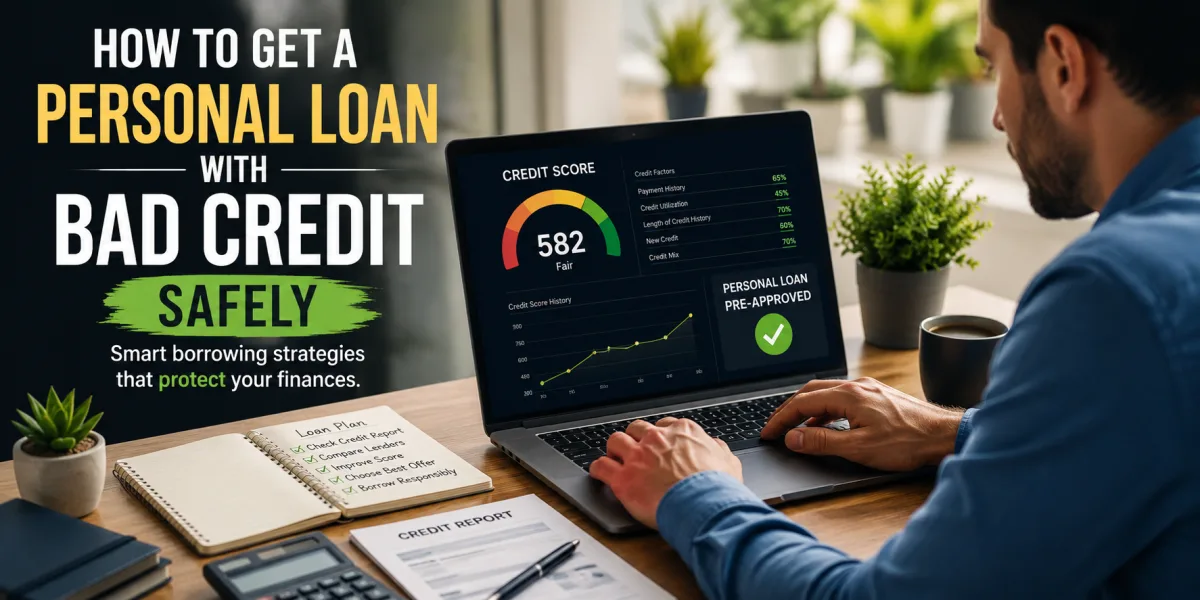
Some borrowers consider a personal loan to pay off credit cards. This can improve credit utilization because revolving balances fall. It can also simplify payments. But it is not automatically a good idea.
A debt consolidation loan helps only if the interest rate, fees, payment, and term improve the borrower’s position. It fails if the borrower pays off credit cards, then runs the cards up again. That creates both the loan and new card debt.
For credit score purposes, moving debt from revolving credit to installment credit may help utilization, but the new loan may create a hard inquiry and a new account. The score effect can vary. The financial question matters more: will this loan reduce total interest, create a clear payoff schedule, and fit the budget?
If the answer is no, do not borrow just to manipulate the score. A credit score should reflect improving financial health, not more complicated debt.
Should You Pay Off All Credit Cards to Zero?
Paying credit cards in full is financially excellent. It avoids interest. But from a scoring perspective, some models may prefer seeing low reported utilization rather than every card reporting zero. This has led to strategies such as “all zero except one,” where one card reports a small balance and all others report zero.
For most people, the practical rule is easier: pay in full, avoid interest, and keep reported balances low. Do not overcomplicate the process unless you are optimizing before a major loan.
If you are preparing for a mortgage and want to be precise, talk with your lender about timing and score optimization. For ordinary credit building, the habits matter more than micro-optimization.
How Rent, Utilities, and Phone Bills Affect Credit
Many bills do not automatically appear on credit reports when paid on time. Rent, utilities, phone bills, and subscriptions may not help your score unless they are reported through a specific service or lender arrangement. However, unpaid bills can hurt if they go to collections.
Some services report rent or utility payments to credit bureaus. These can help certain consumers, especially those with thin files, but results vary by scoring model and bureau. Fees also matter. Paying for a reporting service is not always worthwhile if you already have a strong credit file.
The broader lesson is that every bill can affect credit indirectly. Paying rent on time may not always build credit, but unpaid rent sent to collections can damage it. Utility accounts may not reward you for good behavior, but default can create negative consequences.
Identity Theft and Fraud Can Destroy Credit Quickly
Sometimes a low score is not caused by the borrower’s behavior. It is caused by identity theft or fraud. Accounts you do not recognize, addresses you never used, inquiries you did not authorize, or collections from unfamiliar companies can be warning signs.
AnnualCreditReport.com advises consumers to review credit reports to catch signs of identity theft early.
If you suspect identity theft, act quickly. Place fraud alerts or credit freezes, file disputes, contact creditors, report identity theft through official channels, and keep documentation. A credit freeze can prevent new creditors from accessing your reports, making it harder for identity thieves to open new accounts.
Credit freezes are especially useful for people not actively applying for credit. They can be lifted temporarily when needed.
Credit Score Myths That Slow Progress
One myth is that checking your own credit hurts your score. It does not. Checking your own report or score is a soft inquiry. Hard inquiries come from applications for credit.
Another myth is that carrying a balance helps credit. It does not help enough to justify interest. Paying on time and keeping utilization low are what matter. You can build credit while paying in full.
A third myth is that closing old accounts always helps. It can hurt if it reduces available credit and raises utilization.
A fourth myth is that income directly changes your credit score. Income affects lender decisions, but credit scores are based on credit report information. A high earner can have a low score. A modest earner can have an excellent score.
A fifth myth is that credit repair companies have special powers. They do not. They can dispute information, but you can dispute inaccurate information yourself.
How Fast Can a Credit Score Improve?
The honest answer is that it depends. If the score is low mainly because of high credit card balances, improvement can happen quickly after balances are paid down and reported. If the score is low because of a credit report error, improvement can happen after correction. If the score is low because of multiple recent late payments, collections, or bankruptcy, recovery usually takes longer.
A person with a thin file may improve over several months by adding positive payment history. A person with severe derogatory marks may need years of consistent behavior. A person with one maxed-out card and otherwise clean history may see faster progress after paying it down.
Credit improvement is not linear. The same action may help one person more than another because scoring models consider the whole profile. Paying down a card from 95 percent to 20 percent may help a lot. Paying down a card from 12 percent to 3 percent may help less. Removing an incorrect collection may help more than correcting a small balance error.
Do not judge the process only by one update. Watch the trend.
Credit Improvement Before a Mortgage
If you are preparing for a mortgage, credit improvement should be more careful. Mortgage lenders may use specific FICO versions and examine the full credit report, debt-to-income ratio, income, assets, employment, down payment, and reserves.
Do not open new credit accounts shortly before applying. Do not finance furniture, cars, or appliances. Do not make large unexplained deposits without documentation. Do not close accounts without understanding utilization effects. Do not co-sign for someone else. Do not dispute accounts casually during underwriting, because active disputes can complicate mortgage approval.
Focus on paying down revolving debt, correcting clear errors early, keeping payments on time, and maintaining stable finances. If a lender provides a credit simulator or rapid rescore option, follow documented instructions carefully. A rapid rescore is not a consumer dispute tool; it is a lender-assisted update process that may reflect corrected or updated information faster during a loan application.
Mortgage preparation should begin months before the application, not weeks.
Credit Improvement After Financial Hardship
Many people trying to improve credit quickly are recovering from hardship: job loss, illness, divorce, business failure, caregiving, inflation pressure, or unexpected expenses. Credit recovery after hardship requires both technical steps and emotional discipline.
Start by stabilizing cash flow. A credit score cannot recover if the household is still short every month. Build a basic budget, prioritize essentials, contact creditors before missing payments, and create a small emergency fund to avoid new delinquencies.
Then stop the bleeding. Bring accounts current where possible. Prevent new late payments. Pay down revolving balances gradually. Resolve collections carefully. Avoid high-cost debt that creates new pressure.
Then build positive history. Use one or two accounts responsibly. Keep utilization low. Pay automatically. Let time work.
Shame is not useful. Pattern change is useful. Credit reports record behavior, but future behavior can gradually change the picture.
A Practical Priority List
If you want the fastest legitimate improvement, prioritize actions in this order.
First, check all three credit reports. You cannot fix what you have not reviewed.
Second, bring past-due accounts current. New late payments are highly damaging.
Third, reduce credit card utilization, especially maxed-out cards.
Fourth, dispute serious inaccuracies with evidence.
Fifth, avoid unnecessary new credit applications.
Sixth, keep old no-fee accounts open if they help utilization and do not trigger overspending.
Seventh, add positive credit only if your file is thin and you can manage it responsibly.
Eighth, build systems so the improvement lasts.
Systems That Keep the Score Rising
Fast credit improvement can disappear if old habits return. The best credit profiles are supported by systems.
Set automatic minimum payments on every account. Even if you prefer to pay manually, autopay protects against forgetfulness. Add calendar reminders before due dates. Keep due dates aligned with paydays if possible. Use account alerts for balances, payment due dates, and large transactions.
Create a credit card payment rhythm. Some people pay weekly. Others pay before the statement closes. Others pay every payday. The point is to prevent balances from surprising you.
Keep an emergency fund. Without cash, every surprise becomes credit card debt. Even a small emergency fund protects utilization and payment history.
Review credit reports regularly. Free weekly reports make monitoring easier than it was in the past.
Limit credit applications to purposeful needs. Credit should support a financial plan, not fill emotional gaps.
The Real Goal: Cheaper Access to Capital
A credit score is not wealth. It is access to capital. A high score can help you borrow at better terms, but borrowing is still borrowing. The point of improving credit is not to qualify for more unnecessary debt. It is to reduce costs and increase options.
A better score can make a mortgage cheaper, a car loan less expensive, a personal loan more accessible, a security deposit lower, or a credit card more useful. But the deeper financial goal is to need less debt over time because savings, income, and assets are stronger.
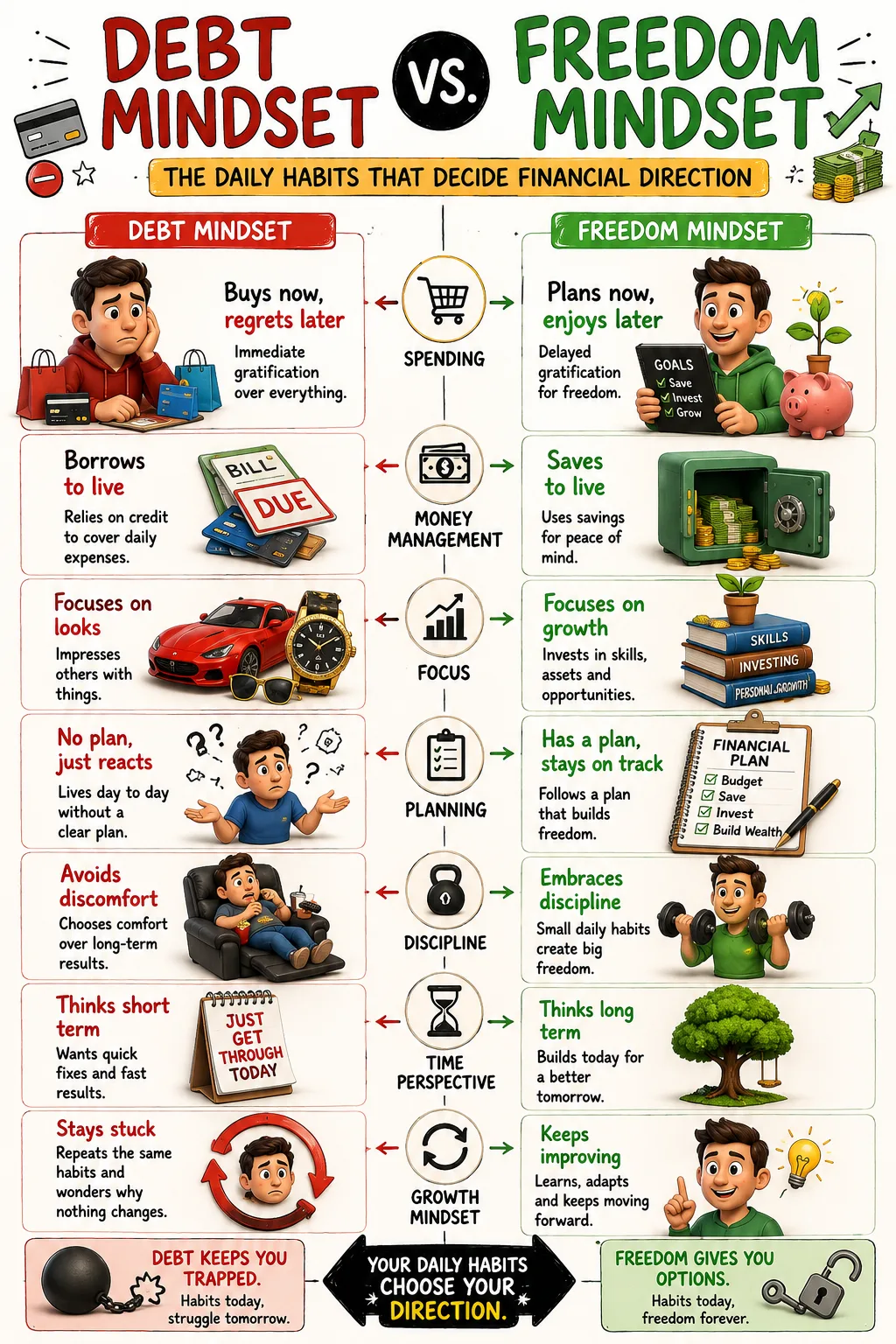
Credit improvement should therefore be paired with wealth improvement. Pay down debt. Build cash reserves. Increase income. Invest for the long term. Avoid lifestyle inflation. Use credit as a tool, not a lifeline.
The best credit score strategy is also a good financial strategy: pay on time, owe less, borrow carefully, keep records accurate, and let responsible history compound.
The Credit Rebound
You can improve a credit score quickly, but only within the limits of the information on the report. If high utilization is the problem, pay down balances. If errors are the problem, dispute them. If past-due accounts are the problem, get current. If a thin file is the problem, build positive history. If too many applications are the problem, stop applying.
There is no secret formula, and that is good news. The legitimate path is available to anyone willing to work through the data and change the risk signals.
Quick credit improvement is not about tricking the system. It is about making your credit report tell a better, more accurate story. A story of lower balances. Current accounts. Fewer mistakes. Better discipline. Less financial pressure.
The score follows the story. Change the story, and the score can begin to rebound.
 Article
 Article
 Article
 Article
 Article
 Article
 Article
 Article