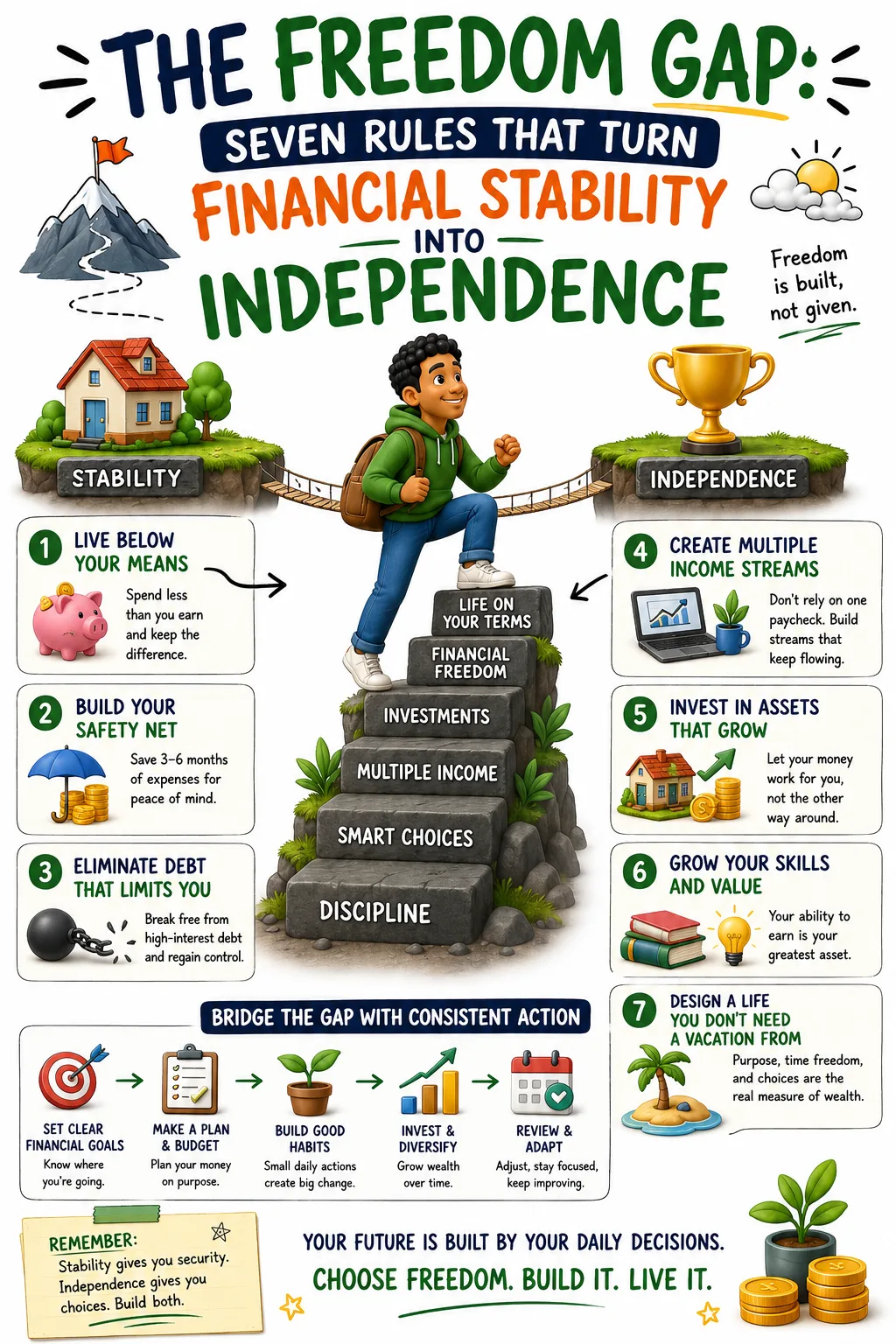
The Freedom Gap: Seven Rules That Turn Financial Stability Into Independence
Financial freedom is often described as a destination: the day a person no longer needs to work, the moment investments cover living expenses, the point where money no longer creates fear. That version is appealing, but incomplete. Financial freedom is not only a number. It is a condition of control.
A person can feel financially trapped with a high income if every dollar is already committed to debt, housing, lifestyle, and obligations. Another person can feel increasingly free on a moderate income if they have savings, low debt, valuable skills, growing assets, and the ability to make choices without panic. Freedom is not created by income alone. It is created by the relationship between income, expenses, assets, risk, time, and behavior.
The seven rules of financial freedom are simple: live below your means, build an emergency fund, own income-producing assets, increase your skills, invest every month, avoid lifestyle inflation, and stay patient. These ideas are not fashionable. They are not secret. They do not promise sudden wealth. Their strength is that they work because they reflect the basic mechanics of financial independence.
Spend less than you earn, and you create a surplus. Save part of that surplus, and you create resilience. Invest part of it, and you create future income. Increase your skills, and you improve earning power. Avoid lifestyle inflation, and you keep the surplus alive. Stay patient, and time begins to multiply your effort.
Most people do not fail financially because they lack access to complicated strategies. They fail because the fundamentals are never made automatic. They earn but do not retain. They save but do not invest. They invest but do not stay consistent. They increase income but also increase spending. They build assets but fail to protect them. They understand compounding but interrupt it too often.
Financial freedom is built in the gap between intention and behavior. The rules are easy to read. They are harder to live. That is why they matter.
What Financial Freedom Really Means
Financial freedom does not mean the same thing to every person. For one household, it may mean having enough assets to cover all essential expenses without employment income. For another, it may mean being able to leave a stressful job, start a business, work part-time, care for children or aging parents, travel more, or retire earlier. For someone carrying debt, freedom may first mean no longer being controlled by monthly payments. For someone living paycheck to paycheck, freedom may begin with a cash reserve large enough to handle emergencies without borrowing.
The mistake is treating financial freedom as one universal number. A person with modest expenses may need far less than someone with expensive commitments. A household in a low-cost area may need less than one in a major city. A family with health concerns, dependents, or unstable income may need larger reserves. A person who wants to stop working completely needs a different plan from someone who simply wants more flexibility.
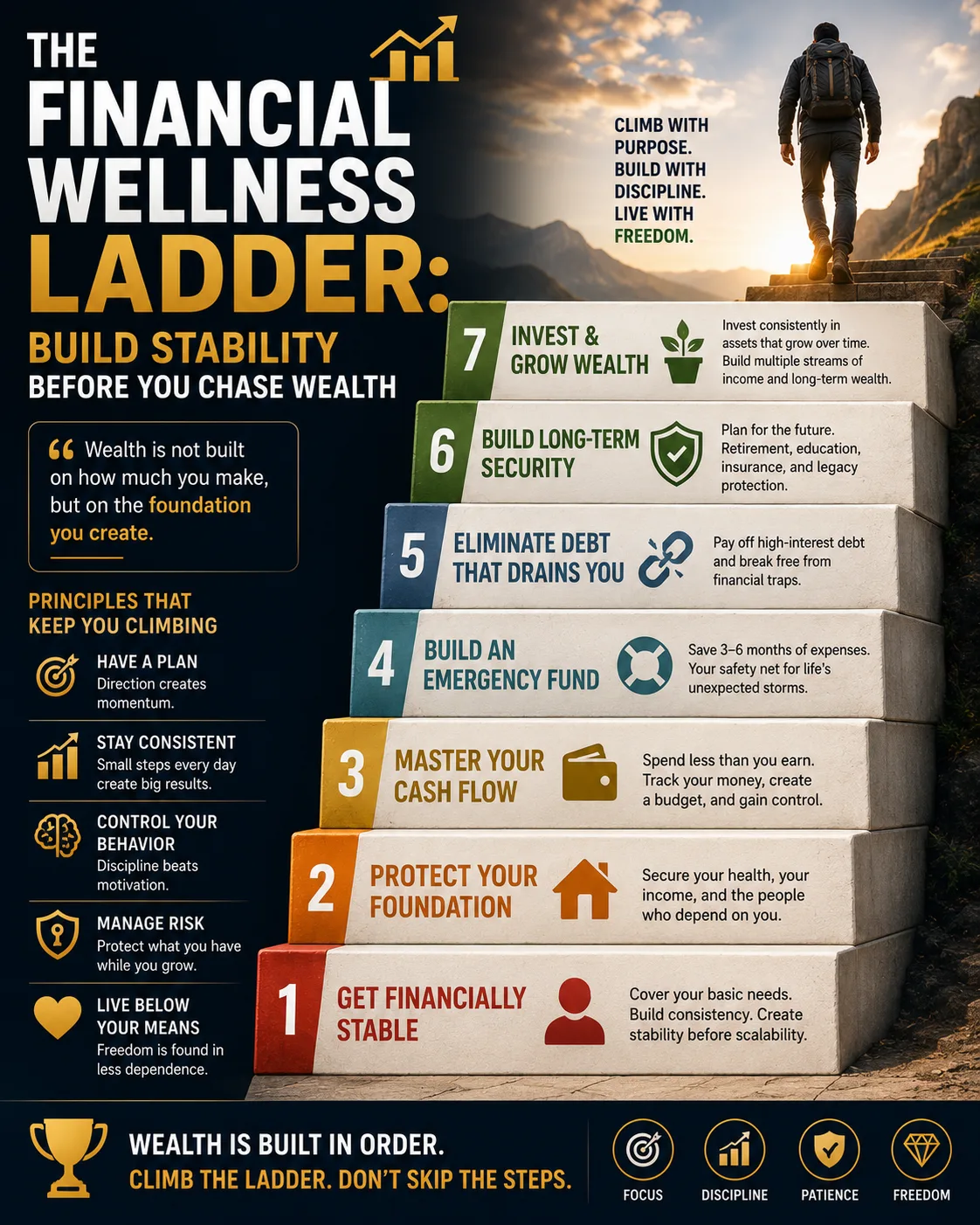
Financial freedom has levels. The first level is stability: bills are paid on time, debt is manageable, and small emergencies do not become crises. The second level is resilience: there is an emergency fund, insurance protection, and a growing savings habit. The third level is flexibility: assets and income streams create options. The fourth level is independence: work becomes a choice rather than a requirement for basic survival. The fifth level is legacy: wealth can support others, fund causes, and transfer across generations.
Many people focus only on the final level and become discouraged. But every level matters. A person who builds a one-month emergency fund has more freedom than they had before. A person who pays off credit card debt has reclaimed future income. A person who invests monthly for ten years has created a claim on future growth. A person who develops a valuable skill has expanded their economic options.
Financial freedom is not all-or-nothing. It is accumulated.
Rule One: Live Below Your Means
Living below your means is the foundation of every durable financial plan. It means spending less than you earn and directing the difference toward savings, debt reduction, investments, and protection. Without this gap, financial freedom cannot begin.
The phrase sounds simple, but it contains a powerful truth: wealth is built from surplus. Income that is fully consumed cannot become capital. A household that spends everything it earns may appear successful, especially if the income is high, but it is financially fragile. The lifestyle depends entirely on continued cash flow. If income stops, the appearance of wealth can vanish quickly.
Living below your means is not the same as living miserably. It does not require rejecting comfort, generosity, travel, or enjoyment. It requires proportion. The goal is to build a life that leaves room for the future. A budget that allows no joy may fail because it is emotionally unsustainable. A lifestyle that allows no saving fails because it is financially unsustainable.
The challenge is that modern life is designed to consume income. Advertising turns wants into needs. Credit makes purchases feel affordable. Social comparison makes ordinary living feel inadequate. Subscription services quietly multiply. Housing and transportation decisions lock households into large fixed costs. Convenience spending becomes normal. Every raise creates temptation.
Living below your means requires a conscious refusal to let outside pressure define your lifestyle. It asks a person to decide what matters, spend well on those things, and avoid drifting into expenses that do not create lasting value.
The Freedom Gap
The gap between income and expenses is the freedom gap. If income is $5,000 a month and expenses are $4,900, the gap is small. Financial progress will be slow, and one unexpected bill can create stress. If expenses are $3,800, the gap is larger. The household has room to save, invest, pay debt, and absorb shocks. If income rises but expenses rise equally, the gap does not improve. If income rises and expenses remain controlled, the gap expands.
This gap is more important than many people realize. It determines how quickly debt can be eliminated. It determines how much can be invested. It determines how long an emergency fund lasts. It determines whether a person can take career risks. It determines whether retirement planning is realistic. It determines whether money creates options or pressure.
The freedom gap can be expanded in two ways: earn more or spend less. Many financial conversations overemphasize one side. Some focus only on frugality, as though wealth can be built purely by cutting small expenses. Others focus only on income, as though high earnings automatically create wealth. The truth is that both matter. Spending discipline creates control. Income growth creates capacity. Together, they create acceleration.
A person who cuts unnecessary expenses but never improves income may remain constrained. A person who increases income but spends every raise remains exposed. The strongest path is to improve earning power while keeping lifestyle growth slower than income growth.
Good Spending Versus Automatic Spending
Living below your means does not require treating every expense as bad. Some spending improves life. Safe housing, nutritious food, healthcare, education, tools for work, meaningful experiences, and time with loved ones can be worthwhile. The danger is automatic spending: money leaving without intention, reflection, or alignment with priorities.
Automatic spending often hides in recurring charges, impulse purchases, convenience habits, status upgrades, and debt-financed consumption. It may not feel dramatic in the moment, but it slowly narrows the freedom gap. A few small leaks can become a monthly drain. A few large fixed commitments can determine the entire financial future.
The practical test is simple: does this expense support the life I actually value, or does it merely satisfy pressure, habit, boredom, or comparison? Asking that question regularly can free money without creating deprivation.
Rule Two: Build an Emergency Fund
An emergency fund is money reserved for the unexpected. It is not an investment account. It is not vacation money. It is not a down payment fund. It is financial shock absorption.
Emergencies are not rare. Jobs are lost. Cars break down. Medical bills arrive. Appliances fail. Family members need help. Homes require repairs. Businesses lose clients. Income is delayed. Without cash reserves, these events often become debt events. A household uses credit cards, takes expensive loans, withdraws retirement funds, sells investments at a bad time, or falls behind on obligations.
An emergency fund protects the rest of the plan. It reduces the chance that short-term problems will damage long-term wealth. It also reduces fear. A person with cash reserves can think more clearly during stress. They can negotiate better, avoid desperate borrowing, and make decisions from stability rather than panic.
Many financial professionals suggest three to six months of essential living expenses as a general emergency fund target. The right amount depends on circumstances. A single person with stable employment and low expenses may need less than a household with children, one income, variable earnings, health concerns, or a mortgage. A freelancer, business owner, commission-based worker, or contractor may need a larger reserve because income is less predictable.
The emergency fund should usually be liquid, safe, and accessible. Its job is not to produce high returns. Its job is to be there. Cash held for emergencies may feel inefficient when markets are rising, but its value appears during crisis. Liquidity is an asset because it prevents forced decisions.
Why Emergency Funds Feel Boring but Build Freedom
Emergency funds are often neglected because they lack excitement. Investing feels more productive. Paying off debt feels more satisfying. Buying assets feels more strategic. Cash sitting in an account can feel idle.
But cash reserves provide something investments cannot always provide: certainty of access. A stock portfolio may decline exactly when money is needed. A retirement account may involve penalties or taxes if accessed early. A property may be valuable but impossible to sell quickly. A business may have assets but limited cash. Emergency savings protect against the mismatch between long-term wealth and short-term obligations.
Financial freedom is not only about maximizing return. It is about surviving real life. A household without emergency savings is forced to rely on luck. A household with emergency savings has built a buffer between life’s problems and its long-term goals.
Build the Fund in Stages
For someone starting from zero, a full emergency fund can feel intimidating. The solution is to build in stages. The first target may be a small starter fund: enough to handle minor surprises without borrowing. Then one month of essential expenses. Then three months. Then six months or more if circumstances require it.
The fund should be replenished after use. If a car repair requires withdrawal, rebuilding the fund becomes the next priority. The emergency fund is not a one-time achievement. It is a permanent part of the household’s financial defense system.
Rule Three: Own Income-Producing Assets
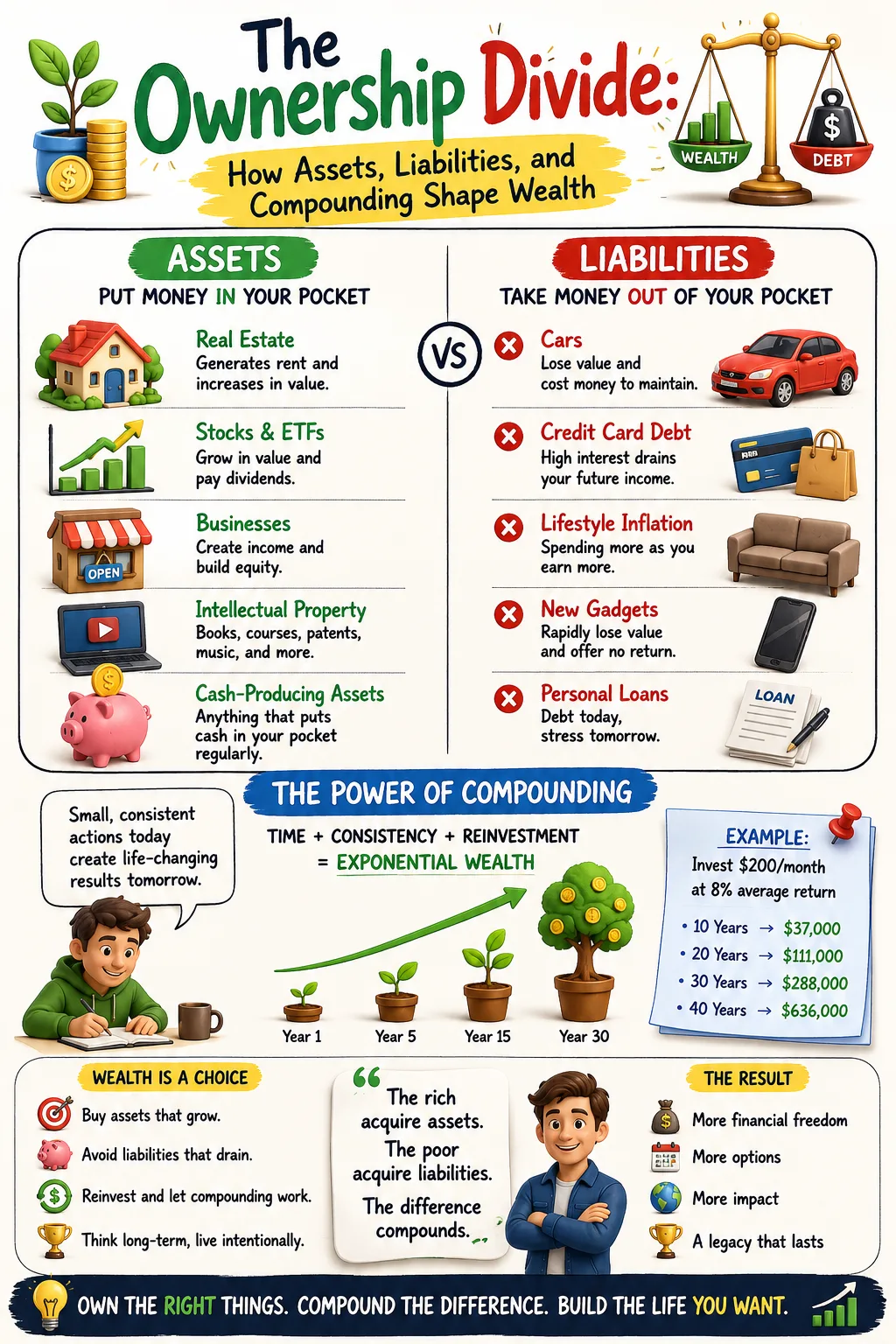
Financial freedom eventually requires more than earning and saving. It requires ownership. Income-producing assets are assets that can generate cash flow or returns. They may include dividend-paying stocks, bonds, rental real estate, businesses, interest-bearing savings, certificates of deposit, royalties, licensing income, and other productive assets.
The reason assets matter is simple: labor income depends on work. Asset income depends on ownership. A person has limited hours, energy, and health. Assets can continue producing value beyond those limits. The more productive assets a household owns relative to its expenses, the closer it moves toward independence.
Ownership changes the structure of financial life. An employee earns from one employer. A diversified investor owns small pieces of many businesses. A landlord owns property that tenants pay to use. A business owner owns systems, customer relationships, and profit potential. A bondholder owns a claim on interest. A creator may own intellectual property that earns royalties. These streams can supplement or eventually replace labor income.
Income-producing assets are not all equal. Some provide steady income but limited growth. Others provide growth but little current income. Some are liquid. Others are difficult to sell. Some require active management. Others are relatively hands-off. Some use debt. Others do not. The right mix depends on goals, age, risk tolerance, tax situation, time horizon, and available expertise.
Cash Flow and Total Return
The phrase “assets create cash flow” is useful but incomplete. Some excellent investments do not produce much immediate income. Growth-oriented stocks, for example, may reinvest earnings rather than pay dividends. Their value may come from long-term appreciation. During the accumulation phase, total return may matter more than current cash flow.
Total return includes income plus appreciation. A dividend stock paying income but losing value may not be better than a growth investment that produces little income but compounds strongly. A rental property with rent but constant repairs may produce weak net returns. A bond with interest may be safe in nominal terms but vulnerable to inflation. A business with profit may still require reinvestment to survive.
Financial freedom requires understanding the role of each asset. Cash flow supports spending. Growth protects future purchasing power. Liquidity provides flexibility. Diversification reduces dependence on one outcome. Asset quality matters more than labels.
The Ownership Path
For most people, asset ownership begins with small, consistent steps. Contribute to retirement accounts where available. Buy diversified funds. Reinvest dividends. Build cash reserves. Pay down high-interest debt. Consider property or business ownership only when the math, risk, time commitment, and personal circumstances make sense.
The purpose is to turn a portion of earned income into productive capital. At first, the income from assets may be tiny. A few dollars of interest. A small dividend. A modest retirement balance. But time changes the meaning of small amounts. Contributions grow. Returns compound. Debt declines. Assets begin to matter.
The most important point is consistency. Wealth is rarely created by one perfect investment. It is more often created by repeatedly buying productive assets and giving them time to work.
Rule Four: Increase Your Skills
Skills are economic assets. They may not appear on a traditional balance sheet, but they influence income, opportunity, resilience, and adaptability. A person’s knowledge, experience, credentials, relationships, communication ability, technical competence, leadership, creativity, and judgment form what economists often call human capital.
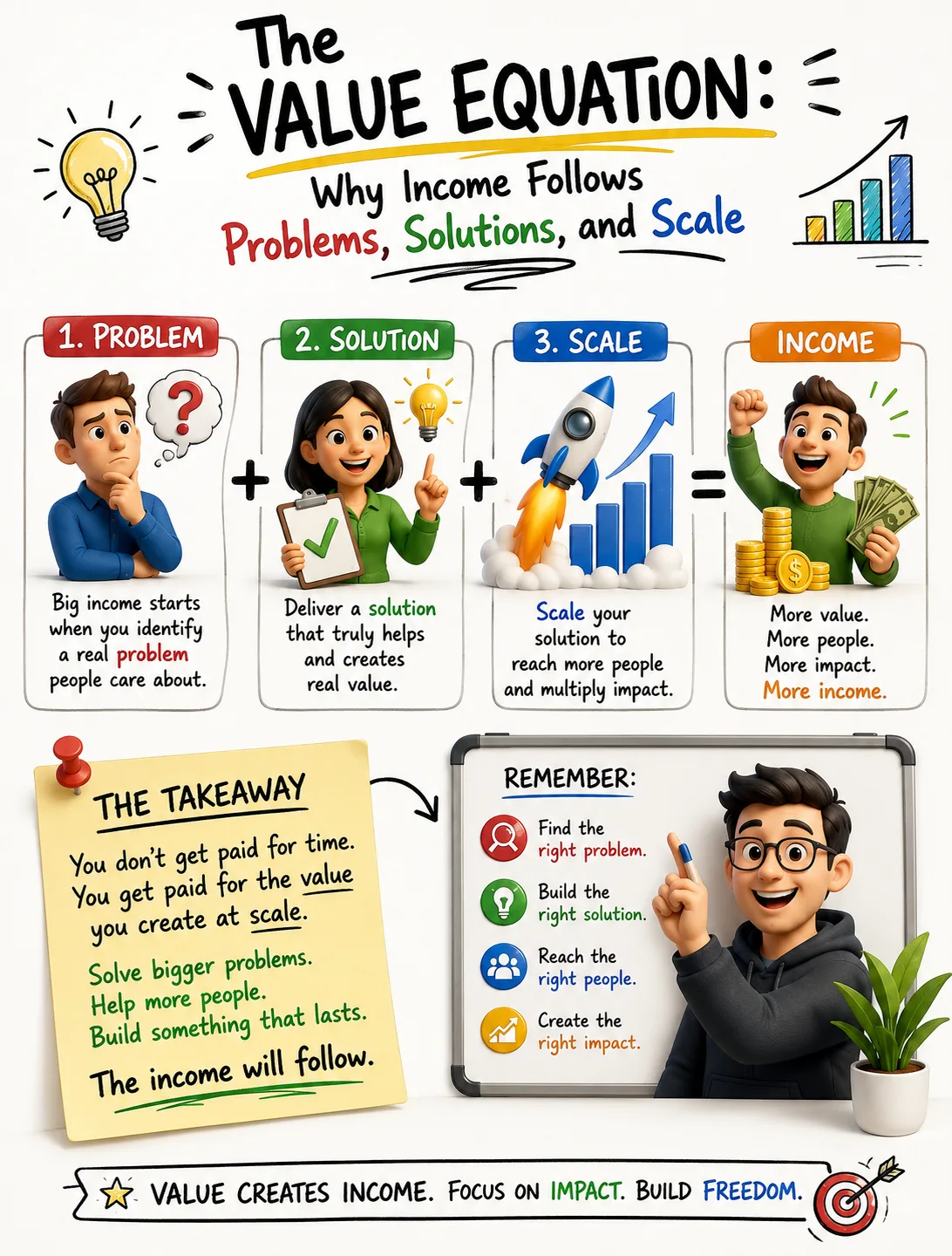
Human capital matters because income is not fixed. It can grow when skills become more valuable. A worker who learns a high-demand skill may qualify for better roles. A professional who improves communication may manage clients or teams more effectively. A business owner who learns finance may improve margins. A salesperson who studies negotiation may close larger deals. A tradesperson who develops specialization may command higher rates. A creator who learns distribution may reach a larger audience.
Increasing skills can be one of the highest-return investments available because it can raise earning power for years. A single certification, language, technical ability, sales skill, leadership capacity, or professional network may influence lifetime income more than many small investment decisions.
Yet skill-building requires intention. Many people stop learning after formal education. They rely on experience alone. Experience is valuable, but experience without improvement can become repetition. The economy changes. Industries evolve. Technology alters work. Skills that were valuable ten years ago may become ordinary. New opportunities appear for people prepared to solve new problems.
Skills That Increase Financial Freedom
Not every skill has the same economic impact. The most valuable skills usually solve important problems, increase revenue, reduce costs, manage risk, improve systems, lead people, communicate clearly, or create scarce expertise. Technical skills can matter. So can human skills. The ability to sell, negotiate, write, analyze, teach, manage, design, repair, code, lead, organize, persuade, or make sound decisions can increase income across many fields.
Financial literacy is also a skill. Understanding budgeting, debt, interest, investing, taxes, insurance, retirement planning, estate planning, and risk management improves decision quality. A person who earns well but makes poor financial decisions may remain fragile. A person with modest income but strong financial judgment may steadily build freedom.
The practical question is: which skill would most improve your earning power or financial decision-making over the next three years? The answer may not be glamorous. It may be learning spreadsheet analysis, improving public speaking, earning a license, studying sales, understanding taxes, becoming proficient in software, or building a professional network. The goal is not endless learning. The goal is useful learning that changes outcomes.
Your Career Is an Asset
Many people think of assets only as investments. But for working adults, earning power is often the largest asset. A person who can reliably earn strong income for decades has a powerful wealth-building engine. Protecting and improving that engine matters.
This means career decisions should be made strategically. A slightly higher salary in a declining field may not be better than a role that builds valuable future skills. A comfortable job with no growth may be less secure than it appears. A demanding role may be worthwhile if it increases future opportunity, but not if it destroys health and relationships. A business idea may create upside, but it should be evaluated against the income and learning lost by pursuing it.
Financial freedom is not achieved by investments alone. It is often funded first by work. The stronger the income engine, the more capital can be directed toward savings and assets.
Rule Five: Invest Every Month
Investing every month is a discipline rule. It recognizes that most people cannot predict markets consistently, but they can control their behavior. Regular investing turns wealth building into a system rather than an emotional reaction.
Markets move unpredictably in the short term. Prices rise, fall, recover, and surprise. Investors who wait for the perfect moment often wait too long. They hesitate when markets are rising because prices feel high. They hesitate when markets are falling because fear feels justified. The result is that money remains idle while time passes.
Monthly investing reduces the temptation to time the market. It allows investors to buy through different conditions. Sometimes contributions buy at higher prices. Sometimes they buy at lower prices. Over long periods, the habit matters more than the perfect entry point.
This does not mean investment choices do not matter. They do. A monthly habit should be paired with suitable asset allocation, diversification, low costs, tax awareness, and a time horizon appropriate for risk. Money needed soon should not be invested the same way as money intended for retirement decades away. But once the plan is sensible, consistency becomes the advantage.
Automation Beats Motivation
One reason monthly investing works is that it can be automated. Automatic contributions remove the need to decide repeatedly. The money moves before it is spent. This is powerful because financial discipline is difficult when every month requires a fresh act of will.
Automation turns intention into infrastructure. Retirement contributions from payroll, automatic transfers to brokerage accounts, recurring purchases of diversified funds, and scheduled increases after raises can all help. When investing becomes part of the monthly system, it no longer competes as directly with impulse spending.
The key is to choose an amount that is sustainable and then increase it over time. Starting small is better than waiting. A person who invests modestly but consistently builds the habit. Later, raises, bonuses, side income, or debt payoff can increase the contribution.
Compounding Needs Time and Contributions
Compounding occurs when returns generate returns. It is powerful because growth builds on itself. But compounding needs time, contributions, and patience. In the early years, progress may appear slow because the portfolio is small. Contributions do most of the work. Later, investment returns may begin to contribute more significantly.
This is why stopping and starting can be costly. Interrupting contributions, withdrawing investments early, or constantly changing strategies weakens the compounding process. The investor’s job is not to make every month exciting. The job is to keep feeding the machine.
Monthly investing also creates identity. A person who invests every month begins to see themselves as an owner. That identity matters. Owners think differently from consumers. They see money not only as something to spend, but as something that can become future income, flexibility, and freedom.
Rule Six: Avoid Lifestyle Inflation
Lifestyle inflation happens when spending rises with income. A raise becomes a nicer apartment. A bonus becomes a luxury purchase. A promotion becomes a larger car payment. A business success becomes a more expensive lifestyle. More money arrives, but the freedom gap remains unchanged.
Lifestyle inflation is dangerous because it feels reasonable. People work hard and want to enjoy progress. Some lifestyle improvement is healthy. Money should improve life. The problem occurs when every income increase is absorbed by new obligations. The household earns more but becomes no freer.
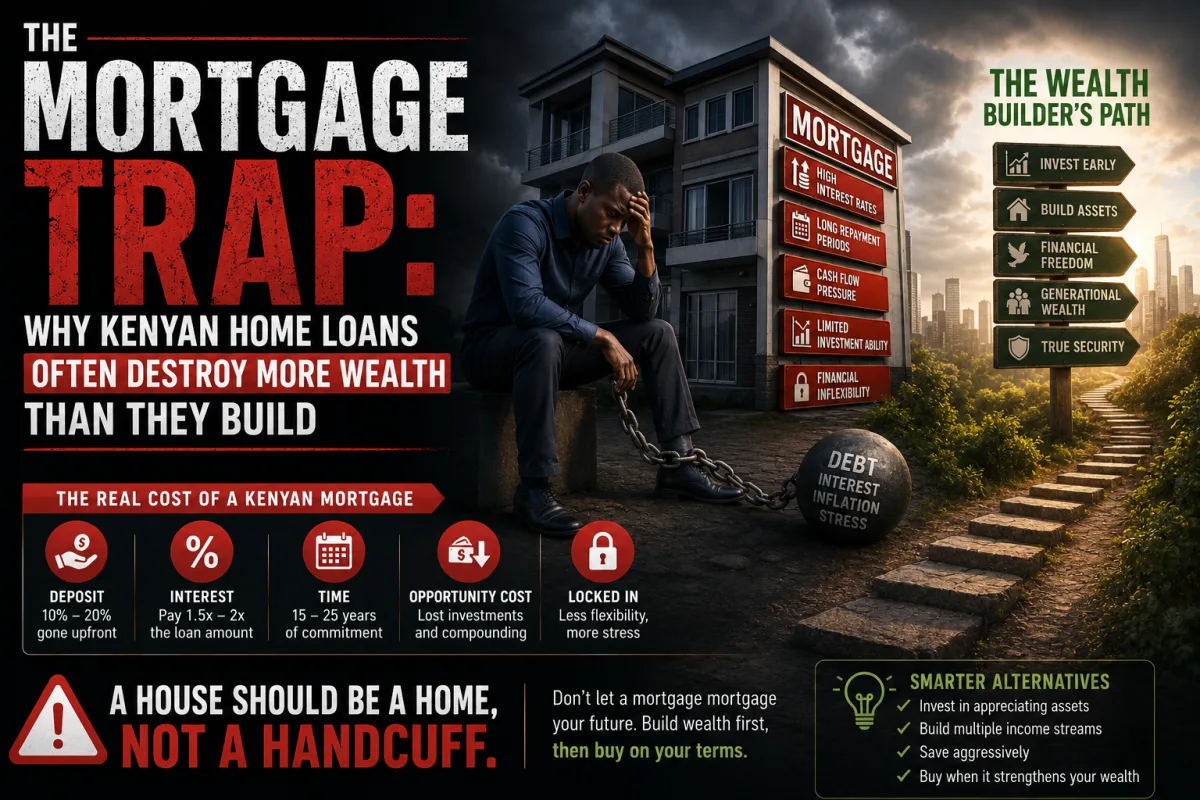
The most dangerous lifestyle inflation is fixed-cost inflation. Occasional spending can be adjusted. A larger mortgage, expensive car loan, private school obligation, luxury lease, or recurring high-cost lifestyle can be harder to reverse. Fixed costs reduce flexibility. They make job loss more frightening. They make career changes harder. They make investing more difficult.
Avoiding lifestyle inflation does not mean freezing life forever. It means allowing income to rise faster than spending. If income increases by 20 percent, perhaps spending increases by 5 percent while the rest goes to savings, investing, debt reduction, or giving. This approach allows enjoyment and progress at the same time.
The Raise Rule
One practical strategy is to decide before a raise arrives how it will be used. Without a plan, new income disappears quickly. With a plan, raises become wealth accelerators.
A household might decide that half of every raise goes to investing, a quarter goes to debt repayment or savings, and a quarter improves lifestyle. Another household might direct bonuses toward emergency savings until the fund is complete, then toward retirement contributions. The exact formula matters less than the principle: income increases should expand freedom, not only consumption.
This is especially important because lifestyle inflation can become invisible. People adapt quickly to higher spending. What once felt luxurious becomes normal. The emotional benefit fades, but the financial obligation remains. This is one reason high earners can feel trapped. They are not poor, but their lifestyle has consumed their options.
Status Is Expensive
Much lifestyle inflation is driven by status. People buy things not only for use, but for identity and comparison. A larger house, newer car, better clothes, exclusive experiences, and visible consumption can signal success. But signaling wealth and building wealth are often opposite behaviors.
Real wealth is often quiet. It may look like a growing investment account, no credit card debt, a funded emergency reserve, adequate insurance, a paid-off loan, or the ability to walk away from bad opportunities. These forms of wealth are less visible, but more powerful.
The person seeking financial freedom must decide which matters more: looking free or becoming free.
Rule Seven: Stay Patient
Financial freedom takes time because the most reliable wealth-building forces need time to work. Saving needs repetition. Investing needs compounding. Skills need development. Debt repayment needs consistency. Businesses need maturity. Assets need cycles. Habits need reinforcement.
Impatience is one of the greatest threats to financial freedom. It pushes people toward speculation, excessive leverage, get-rich-quick schemes, panic selling, overtrading, business shortcuts, and lifestyle decisions made to feel successful before the foundation exists.
Patience is not passivity. It does not mean doing nothing. It means doing the right things long enough for results to appear. A patient investor still reviews the plan. A patient professional still improves skills. A patient household still tracks spending. A patient business owner still adapts. Patience is disciplined action over time.
The early years can be frustrating because progress looks small. The emergency fund grows slowly. The investment account seems modest. Debt declines gradually. Income improves unevenly. This is where many people quit. They assume the plan is not working because it has not transformed life quickly.
But wealth building often has a long quiet period. The visible change comes after years of invisible discipline. The person who continues when progress feels ordinary is often the person who benefits most later.
Patience Protects Against Bad Decisions
Many financial mistakes come from wanting results too quickly. A person wants investment returns now, so they chase speculation. They want a better lifestyle now, so they borrow. They want business growth now, so they overexpand. They want to feel wealthy now, so they spend future income. They want freedom now, so they take risks they cannot survive.
Patience creates a margin of safety. It allows a person to build reserves before investing aggressively, learn before buying complex assets, pay down debt before expanding lifestyle, and allow diversified investments to work through cycles.
Patience is also emotional protection. Markets will decline. Careers will shift. Expenses will surprise. Progress will stall. A patient person does not interpret every setback as failure. They adjust and continue.
How the Seven Rules Work Together
Each rule is useful alone, but their real power comes from combination. Living below your means creates surplus. The emergency fund protects that surplus from being destroyed by unexpected events. Income-producing assets turn surplus into future cash flow or growth. Skill development increases the income side of the equation. Monthly investing creates consistency. Avoiding lifestyle inflation preserves the gap as income rises. Patience allows the entire system to compound.
Remove one rule, and the system weakens. A person who earns well but does not live below their means has no surplus. A person who invests but has no emergency fund may sell investments during crisis. A person who saves but never invests may struggle against inflation. A person who owns assets but lacks skills may have limited ability to increase contributions. A person who invests inconsistently may miss years of compounding. A person who increases lifestyle with every raise may never become free. A person without patience may abandon the plan before it works.
Financial freedom is not a single tactic. It is an ecosystem of habits.
The Order of Operations for Financial Freedom
Although everyone’s situation differs, a practical order can help. First, create awareness. Know income, expenses, debts, assets, and obligations. Second, build a small emergency buffer. Third, eliminate or reduce high-interest debt. Fourth, contribute enough to capture valuable employer retirement benefits where available. Fifth, build a fuller emergency fund. Sixth, invest consistently in a diversified plan. Seventh, increase earning power. Eighth, protect assets with insurance and estate documents. Ninth, avoid lifestyle inflation as income grows. Tenth, review and adjust regularly.
This order is not rigid. A person may invest while paying down moderate debt. A household may build emergency savings and retirement contributions at the same time. A business owner may need larger cash reserves before aggressive investing. The point is to avoid building wealth on a fragile base.
Financial freedom should not depend on everything going right. A strong plan assumes problems will arrive and prepares before they do.
Common Mistakes on the Path to Financial Freedom
Confusing High Income With Freedom
High income can accelerate wealth, but it does not guarantee it. A high-income household with high expenses, debt, and no assets may be less free than a moderate-income household with strong savings and low obligations. Income is a tool. Freedom depends on how much income becomes retained wealth.
Waiting Too Long to Invest
Many people delay investing until they feel ready. They want more knowledge, more income, better market conditions, or the perfect plan. Preparation matters, but excessive delay has a cost. Time is one of the most valuable ingredients in compounding. A simple, diversified, consistent approach started early can be more powerful than a sophisticated plan started too late.
Keeping Too Little Cash
Some people invest aggressively while holding no emergency savings. This can work during calm periods but fail during stress. Cash may not produce exciting returns, but it prevents forced selling and expensive borrowing. Liquidity is part of freedom.
Buying Assets Without Understanding Risk
Owning assets is essential, but not every asset is suitable. Rental properties, individual stocks, private businesses, crypto assets, leveraged investments, and high-yield products can carry significant risk. Financial freedom is not built by buying things you do not understand. It is built by owning assets that fit the plan.
Letting Debt Consume Future Income
Debt is a claim on future earnings. Some debt may support productive goals, such as education, housing, or business investment, when used carefully. Bad debt, especially high-interest consumer debt, steals flexibility. It turns future work into payment for past consumption.
Ignoring Protection
A household can save and invest for years, then suffer major damage from an uninsured event, lawsuit, disability, death of an income earner, or estate planning failure. Protection is not separate from wealth building. It is what keeps wealth from being easily destroyed.
Protection: The Rule Beneath the Rules
Financial freedom requires protecting what you build. Emergency savings are one layer. Insurance is another. Diversification, estate planning, cybersecurity, tax planning, and careful debt management also matter.
Insurance helps transfer risks too large to absorb alone. Health coverage, disability insurance, life insurance for households with dependents, property insurance, liability coverage, and business insurance may all be relevant depending on circumstances. The goal is not to buy every product. The goal is to identify risks that could derail the plan and decide how to handle them.
Estate planning is also part of financial freedom. A will, beneficiary designations, durable power of attorney, healthcare directive, and possibly trusts can protect family members and reduce confusion. Financial freedom is incomplete if assets are disorganized, inaccessible, or transferred in ways that contradict the owner’s wishes.
Cybersecurity matters because modern wealth is increasingly digital. Investment accounts, bank accounts, tax records, payment platforms, and identity information require protection. Strong passwords, multifactor authentication, secure document storage, and caution with financial information are practical wealth-preservation habits.
The point is simple: building wealth without protecting it is unfinished work.
The Role of Debt in Financial Freedom
Debt can either delay freedom or support it, depending on its cost and purpose. High-interest consumer debt usually delays freedom because it consumes cash flow and compounds against the borrower. Productive debt may support education, business, or property ownership if the expected benefits justify the risk and payments remain manageable.
The danger is that debt makes lifestyle expansion feel easier than it is. Monthly payments can hide total cost. A car loan, credit card balance, personal loan, or buy-now-pay-later plan may seem manageable individually. Together, they can trap income.
A freedom-focused household evaluates debt by asking: Does this debt help acquire or improve an asset? Is the interest rate reasonable? Can payments be handled under stress? What happens if income falls? Does this debt reduce future flexibility? Is there a clear repayment plan?
The less income is owed to lenders, the more income can be directed toward ownership.
The Emotional Side of Financial Freedom
Money is emotional because it touches security, identity, status, family, fear, pride, and hope. Financial freedom requires managing these emotions. Fear can prevent investing. Greed can encourage speculation. Shame can prevent people from facing debt. Pride can drive lifestyle inflation. Impatience can destroy discipline. Comparison can make a good life feel inadequate.
The seven rules help because they create structure. Living below your means counters comparison. An emergency fund counters fear. Assets counter dependence. Skill growth counters helplessness. Monthly investing counters hesitation. Avoiding lifestyle inflation counters status pressure. Patience counters urgency.
Financial freedom is partly the ability to make money decisions from values rather than emotions. That does not mean emotions disappear. It means they no longer control the plan.
A Practical Monthly Financial Freedom Routine
A monthly routine can turn the seven rules into behavior. Begin by reviewing income and expenses. Confirm that spending remains below income. Transfer money to emergency savings if the fund is not complete. Make debt payments according to plan. Invest automatically. Review upcoming irregular expenses so they do not become emergencies. Track net worth. Check whether any spending has crept upward without intention. Note one skill-building action for the month.
This routine does not need to be complicated. The goal is awareness and repetition. A person who reviews money monthly catches problems earlier than someone who waits until crisis. Small corrections made regularly prevent large corrections later.
Financial freedom is built through ordinary systems. The monthly routine is where the philosophy becomes real.
Financial Freedom at Different Life Stages
Early Career
The early career stage is about building habits and human capital. Income may be modest, but time is abundant. This is the best stage to learn budgeting, build emergency savings, avoid bad debt, begin investing, and develop valuable skills. Small investments made early have the longest time to compound.
Mid-Career
Mid-career often brings higher income and higher obligations. Housing, children, healthcare, family support, and lifestyle pressure can reduce the freedom gap. This stage requires discipline. Raises should increase savings and investments, not only spending. Insurance, estate planning, retirement contributions, and skill development become increasingly important.
Pre-Retirement
The decade before retirement is a critical checkpoint. Debt should be reviewed. Retirement income sources should be estimated. Investments should be aligned with risk tolerance and time horizon. Healthcare costs should be considered. Estate documents and beneficiaries should be updated. The focus begins to shift from accumulation alone to income planning and preservation.
Retirement
In retirement, financial freedom depends on turning assets into sustainable income. Withdrawal strategy, inflation protection, tax planning, healthcare reserves, and asset allocation matter. The emergency fund remains important. Patience still matters because retirement can last decades.
The Quiet Definition of Success
Financial freedom is often marketed with images of luxury: beaches, cars, private travel, large homes, and endless leisure. Those images may be attractive, but they can distort the goal. Real financial freedom is often quieter.
It is the ability to handle an emergency without panic. The ability to leave a harmful job. The ability to help family without borrowing. The ability to retire with dignity. The ability to choose work that fits your life. The ability to sleep without every bill feeling like a threat. The ability to say no. The ability to make decisions from strength.
This kind of freedom is not created by appearance. It is created by structure. A household with a modest home, reliable car, strong savings, diversified investments, low debt, and valuable skills may be far freer than one with visible luxury and no margin.
The world often rewards the appearance of wealth. Financial freedom rewards the substance of wealth.
What to Avoid
Avoid spending every dollar you earn. Avoid assuming higher income will solve poor habits. Avoid treating emergency savings as optional. Avoid investing money you may need immediately. Avoid buying assets you do not understand. Avoid high-interest debt used for lifestyle consumption. Avoid raising fixed expenses with every raise. Avoid comparing your financial life to someone else’s visible spending. Avoid chasing shortcuts because patience feels slow.
Avoid confusing financial freedom with never working again. For many people, freedom means having better choices, not doing nothing. Avoid making the goal so large that you ignore progress. Every debt paid, every dollar saved, every skill improved, and every asset purchased can increase freedom.
What to Do
Create a gap between income and expenses. Build an emergency fund appropriate to your risk. Own productive assets that fit your goals and time horizon. Increase your skills to improve earning power. Invest every month through a disciplined plan. Let income rise faster than lifestyle. Protect your assets with insurance, diversification, legal documents, and careful planning. Stay patient long enough for compounding to matter.
Make the rules automatic where possible. Automate saving. Automate investing. Schedule financial reviews. Pre-commit raises to savings and investments. Keep debt visible. Track net worth. Review beneficiaries. Continue learning. Build systems that do not depend on constant motivation.
The Freedom That Builds Slowly
Financial freedom rarely arrives as a sudden event. It is usually built quietly. One month of expenses saved. One credit card paid off. One retirement contribution made. One raise partly invested. One skill learned. One bad purchase avoided. One asset acquired. One year of patience added to the last.
At first, the progress may feel small. Then it becomes visible. The emergency fund covers a problem. The investment account begins to grow. The debt balance falls. The paycheck feels less trapped. A career opportunity appears. A downturn feels less frightening. A choice becomes possible that once felt impossible.
This is how freedom is built: not by escaping financial reality, but by mastering the habits that shape it.
Live below your means. Prepare before problems arrive. Own assets. Grow your skills. Invest consistently. Refuse automatic lifestyle inflation. Stay patient. These seven rules are not glamorous, but they are powerful because they align money with time.
Financial freedom is the reward for turning income into options. The earlier that process begins, the more time those options have to grow.
 Article
 Article
 Article
 Article
 Article
 Article
 Article
 Article