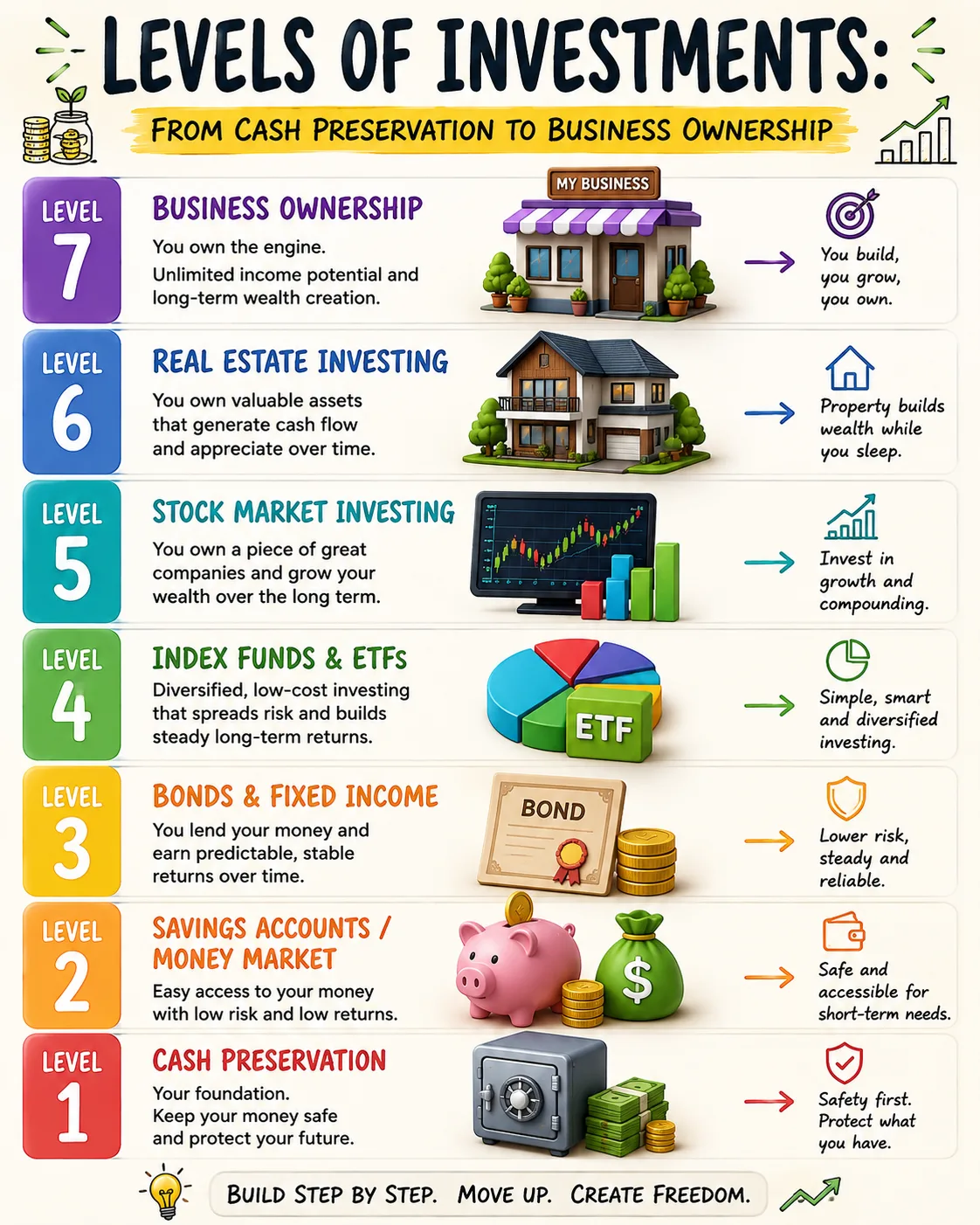
The Investment Ladder: How Wealth Moves From Saving to Ownership
Most people first encounter investing as a list of products.
Savings accounts. Bonds. Stocks. Index funds. Real estate. Gold. Startups. Private equity. Businesses. Royalties. Cryptocurrency. Funds. Platforms. Franchises. Apps. Rental properties. Treasury bills.
The list can feel endless. It can also feel confusing, because not every investment belongs in the same conversation. A savings account and a startup investment are both places where money can go, but they do not serve the same purpose. A Treasury bill and a rental property may both appear on a personal balance sheet, but one is designed for liquidity and preservation while the other requires ownership judgment, financing decisions, tenant management, legal awareness, and patience. A low-cost index fund and a private venture deal both offer exposure to business growth, but they differ sharply in access, transparency, diversification, liquidity, and risk.
Investing becomes clearer when it is organized as a ladder rather than a menu.
At the bottom of the ladder are assets designed to preserve capital and keep money available. As the ladder rises, investments generally become more growth-oriented, more complex, less liquid, and more dependent on judgment. The upper levels often involve ownership, control, leverage, private markets, intellectual property, or businesses with scale. These higher levels can create significant wealth, but they can also destroy capital quickly when misunderstood.
The purpose of the investment ladder is not to suggest that every investor must climb to the top. Many people can build lasting financial independence through the middle levels: cash reserves, diversified bonds, broad public equities, and perhaps some real estate. The ladder is not a ranking of virtue. It is a framework for understanding trade-offs.
Each level asks a different question.
Cash asks, “Can I survive the unexpected?” Bonds ask, “Can I earn income while reducing volatility?” Stocks ask, “Can I participate in long-term corporate growth?” Real estate asks, “Can I own productive property and manage its obligations?” Business ownership asks, “Can I build or acquire an economic engine?” Private markets ask, “Can I accept illiquidity for the possibility of higher returns?” Alternatives ask, “Can I diversify beyond traditional financial assets?” Intellectual property asks, “Can an idea produce recurring income?” Digital businesses ask, “Can software, media, or online distribution scale beyond my personal labor?” Global platforms ask, “Can ownership in networked systems compound over long periods?”
The higher the level, the more important it becomes to know not only what you are buying, but what role it plays in your financial life.
Why Investment Levels Matter
Investment levels matter because risk is often disguised by language.
People use the same word, “investment,” to describe emergency savings, retirement funds, speculative trading, rental property, angel investing, collectibles, and buying a business. That creates confusion. If a person says they want to “start investing,” the appropriate first step depends on whether they need safety, income, growth, ownership, tax efficiency, liquidity, or scale.
A young professional with no emergency fund should not think about private equity before building cash reserves. A retiree who depends on portfolio income should not confuse a speculative startup investment with a bond ladder. An entrepreneur whose net worth is already concentrated in one business may not need more private-business exposure. A high earner with stable income and a long time horizon may benefit from public equities long before pursuing complex alternatives.
Investment levels help match the tool to the purpose.
They also reveal why returns differ. Higher expected returns usually come with a cost. That cost may be volatility, illiquidity, leverage, complexity, concentration, operational responsibility, regulatory risk, valuation uncertainty, or long time horizons. There is no free version of high return. If an opportunity offers unusually attractive returns with no obvious downside, the risk has probably been hidden rather than eliminated.
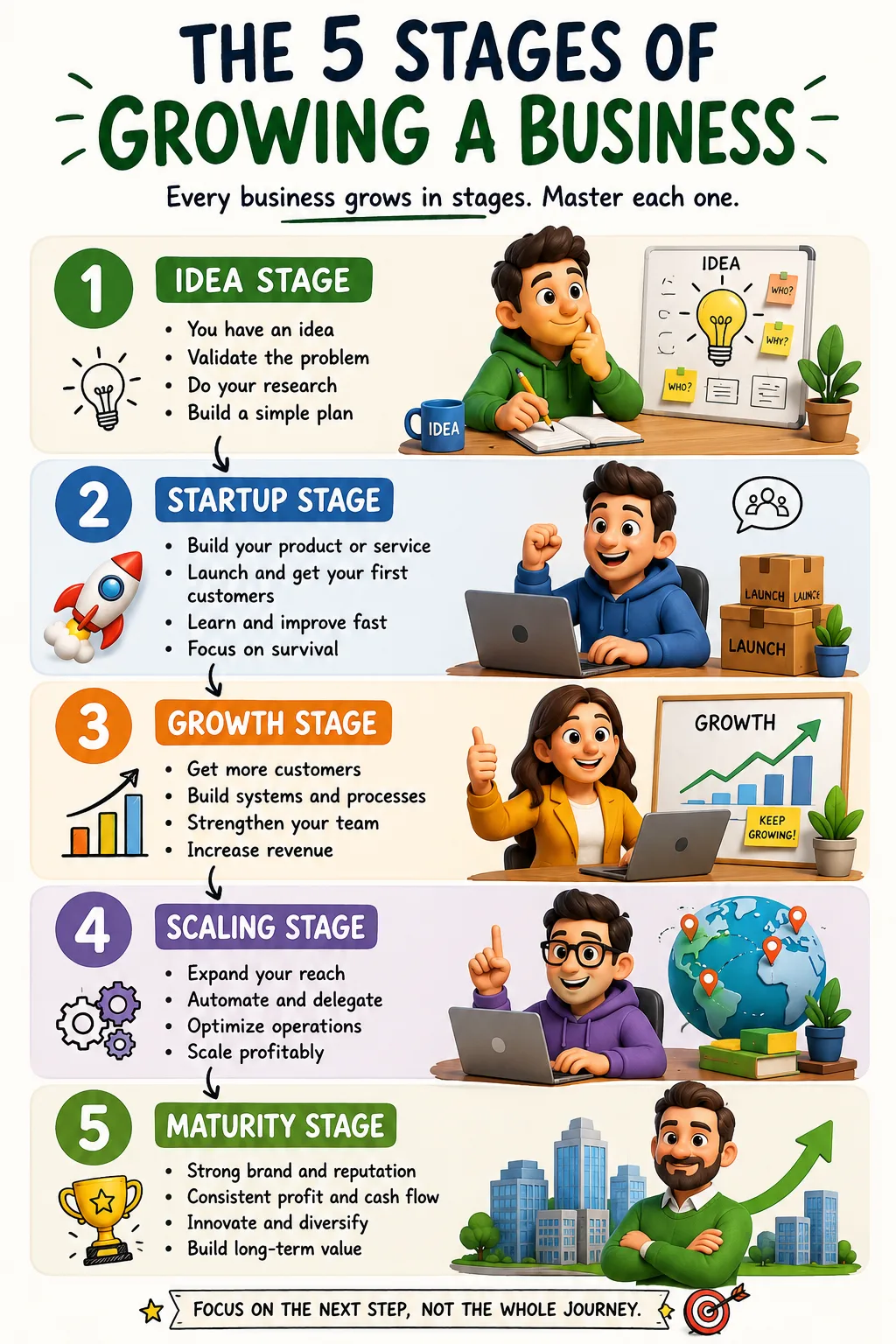
The ladder also shows why wealth building often progresses through stages. A household begins by creating liquidity. It then adds income-producing assets. Over time, it participates in public markets. Later, it may own real estate, businesses, private investments, intellectual property, or platform assets. The journey usually moves from saving to investing, from investing to owning, and from owning to scaling.
This does not happen automatically. It requires discipline at each level.
The investor who skips the bottom of the ladder may be forced to sell good assets during bad times. The investor who never leaves the bottom may preserve cash but lose purchasing power to inflation. The investor who reaches for higher levels too soon may confuse ambition with readiness. The investor who refuses higher levels forever may miss opportunities to build durable wealth.
A mature investment strategy understands both the power and the limits of each level.
Level 1: Cash Preservation
The first level of investing is not glamorous. It is cash preservation.
This level includes savings accounts, high-yield savings accounts, money market funds, certificates of deposit, Treasury bills, and other short-term instruments designed to keep money safe and accessible. The purpose is not to become rich. The purpose is to avoid becoming financially fragile.
Cash is often criticized because its long-term return is low. That criticism is fair when cash is treated as a permanent wealth-building strategy. Over long periods, inflation can erode purchasing power. A person who keeps all long-term wealth in cash may feel safe while slowly becoming less able to afford the future.
But cash plays a different role. Cash is not the engine of wealth. It is the shock absorber.
An emergency fund prevents a temporary problem from becoming a financial collapse. A job loss, medical bill, family emergency, car repair, home repair, delayed payment, business slowdown, or market downturn is easier to manage when cash is available. Without cash, the investor may be forced to sell stocks during a decline, borrow at high interest, miss obligations, or take desperate action.
Cash also creates decision-making power. People with liquidity can wait. They can negotiate. They can avoid panic. They can take advantage of opportunities without dismantling their long-term plans. They can leave bad jobs, handle family needs, move cities, or start over with less fear.
The proper amount of cash depends on the person. Someone with stable employment, low expenses, strong insurance, and no dependants may need a smaller emergency reserve than a business owner with irregular income, children, aging parents, property obligations, and health concerns. A retiree may hold cash for planned withdrawals. An investor preparing to buy a home may hold cash for a down payment. An entrepreneur may hold cash to cover operating risk.
The mistake is treating cash as either useless or sufficient. It is neither.
Cash is useful because it protects the rest of the plan. It is insufficient because it does not usually create long-term wealth by itself. The investor who understands this can respect cash without worshipping it.
Level 2: Fixed Income
The second level is fixed income.
Fixed-income investments include government bonds, corporate bonds, municipal bonds, bond funds, bond ETFs, and similar instruments that generally provide interest payments and repayment of principal under defined terms. They are not risk-free, but they are typically less volatile than stocks and can play an important stabilizing role.
Bonds are often described as boring. That is part of their appeal. They exist to bring predictability into a portfolio. A bond investor lends money to a government, company, municipality, or other issuer. In exchange, the issuer promises to pay interest and return principal, subject to the issuer’s ability to meet those obligations.
The main risks include credit risk, interest-rate risk, inflation risk, liquidity risk, and reinvestment risk. Credit risk is the possibility that the borrower fails to pay. Interest-rate risk is the possibility that bond prices fall when rates rise. Inflation risk is the possibility that interest payments fail to keep up with rising prices. Liquidity risk appears when a bond is hard to sell at a fair price. Reinvestment risk occurs when maturing bonds must be replaced at lower yields.
Government bonds issued by financially strong countries are often used as defensive assets. Corporate bonds may offer higher yields but bring more credit risk. Municipal bonds may offer tax advantages in some jurisdictions. Bond funds and ETFs provide diversification but do not eliminate price movement.
Fixed income is especially important for conservative investors, retirees, institutions, and anyone who needs portfolio stability. Bonds can fund known future liabilities, reduce volatility, and provide income. They can also serve as dry powder during market declines, allowing investors to rebalance into cheaper equities.
But bonds should not be misunderstood. A bond is not automatically safe simply because it is called fixed income. Long-term bonds can be volatile when interest rates change. Low-quality bonds can behave more like equities during stress. High yield is often compensation for higher risk, not a gift.
The role of fixed income is to bring order. It helps investors avoid making every dollar depend on the stock market. It may not produce the highest long-term return, but it can improve the investor’s ability to stay invested through difficult periods.
Level 3: Public Equities
The third level is public equities: ownership in publicly traded companies.
This level includes individual stocks, index funds, exchange-traded funds, dividend stocks, sector funds, and diversified equity portfolios. For many households, public equities are the core long-term wealth-building asset because they provide broad access to business ownership with liquidity, transparency, and relatively low entry costs.
A share of stock is not just a ticker symbol. It is a claim on a business. The investor participates in the company’s future through price appreciation, dividends, or both. When businesses grow earnings, reinvest capital wisely, build competitive advantages, and return cash to shareholders, equity holders can benefit over time.
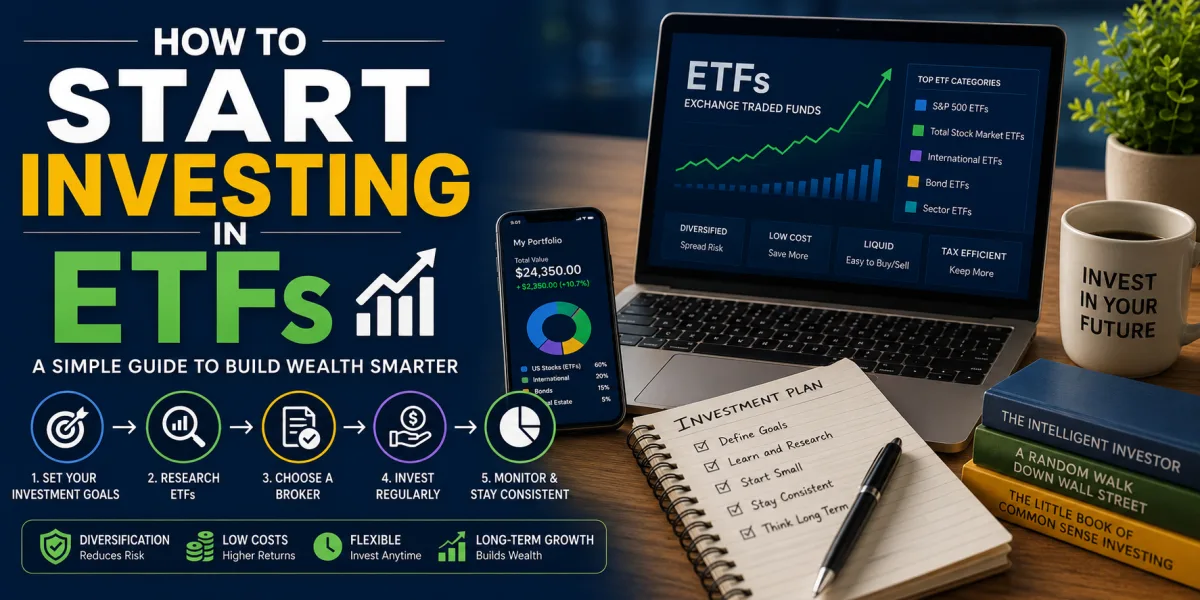
The power of public equities is accessibility. An ordinary investor can own small pieces of thousands of companies through low-cost index funds. They can gain exposure to domestic and global markets. They can invest gradually through retirement accounts or brokerage accounts. They can diversify across sectors, geographies, and business models without needing to manage companies directly.
The cost of that opportunity is volatility.
Stock prices can fall sharply. They respond to earnings, interest rates, inflation, politics, investor sentiment, recessions, wars, technological change, regulation, and fear. Even excellent companies can decline for long periods. Broad markets can suffer painful drawdowns. The investor who needs money next month should not rely on stocks behaving politely.
Time horizon is the central discipline of equity investing. Public equities are better suited to long-term goals than short-term obligations. Retirement savings, wealth accumulation, education funding with a long runway, and intergenerational capital can benefit from equity exposure. Money needed soon should usually be protected elsewhere.
There are two broad approaches: passive and active. Passive investors often use index funds or ETFs to capture market returns at low cost. Active investors select individual stocks or managers in an attempt to outperform. Active investing requires more skill, research, temperament, and humility than many people expect. A person may love a company’s products and still overpay for its stock. A great business can be a poor investment at the wrong price.
Public equities occupy a powerful middle position on the investment ladder. They are more volatile than cash and bonds but far more accessible than private businesses. They allow people to become owners without becoming operators. That is why broad equity ownership has been one of the most practical wealth-building tools available to ordinary investors.
Level 4: Real Estate
The fourth level is real estate.
Real estate includes rental properties, commercial buildings, land, vacation rentals, real estate investment trusts, and other forms of property ownership. It can produce income, appreciation, tax advantages, inflation protection, and control. It can also produce vacancies, repairs, lawsuits, debt stress, illiquidity, and management headaches.
Real estate appeals to investors because it is tangible. A building can be seen, touched, improved, insured, rented, financed, and sold. Unlike a share of stock, a property gives the owner direct influence over certain outcomes. The owner can renovate, raise rents where the market allows, improve management, refinance, change use, or hold through inflationary periods.
Rental real estate can build wealth through several mechanisms. Tenants may provide income. Debt repayment can increase equity over time. Property values may appreciate. Inflation may raise replacement costs and rents. Tax rules may allow deductions or depreciation in some jurisdictions. Leverage can amplify returns when used carefully.
But leverage is a double-edged tool. Borrowed money can increase gains when property values rise and rental income is stable. It can also increase losses when vacancies occur, interest rates rise, repairs exceed expectations, or property prices fall. A highly leveraged property owner may look wealthy on paper while being vulnerable to cash-flow stress.
Real estate is also less liquid than public equities. Selling a property can take months. Transaction costs are high. Valuation is uncertain until a buyer appears. Local market conditions matter. A property may be affected by zoning, taxes, neighborhood change, environmental issues, tenant law, insurance costs, and maintenance surprises.
There is a difference between owning real estate as an investment and owning a home as consumption. A primary residence may build equity, but it also provides shelter and lifestyle. It can be a valuable asset, but it does not necessarily produce cash flow. A rental property is a business-like asset. It must be analyzed through income, expenses, financing, vacancy, repairs, taxes, and management.
Real estate investment trusts offer a more liquid way to access property markets without directly managing buildings. They can provide diversification and income, though they still fluctuate with markets and interest rates.
Real estate can be an excellent wealth-building level for investors who understand numbers, financing, maintenance, local markets, and tenant risk. It can be painful for those who buy because property “always goes up.” Property is not magic. It is ownership with obligations.
Level 5: Business Ownership
The fifth level is business ownership.
This is where investing becomes more active, more demanding, and potentially more powerful. Business ownership includes startups, small businesses, franchises, online businesses, professional practices, agencies, software companies, local services, manufacturing firms, and acquired operating companies.
Many of the largest fortunes in history were built through business ownership. The reason is simple: a successful business can combine ownership, control, cash flow, reinvestment, brand, systems, employees, intellectual property, and customer relationships. It can grow beyond the owner’s personal labor. It can be sold. It can distribute profits. It can create tax and strategic opportunities unavailable to ordinary wage income.
But business ownership is also one of the most misunderstood investment levels because people often see the upside while ignoring execution risk.
A business is not just an asset. It is a living system. It needs customers, pricing, operations, employees or contractors, marketing, accounting, legal compliance, technology, capital, leadership, and resilience. Revenue does not guarantee profit. Profit does not guarantee cash flow. Growth does not guarantee value. A business can fail because of poor margins, weak demand, bad hiring, excessive debt, supplier issues, fraud, regulation, competition, or owner burnout.
Business ownership can take different forms. Starting a business offers control but high uncertainty. Buying a business may provide existing cash flow but requires due diligence and operational skill. A franchise offers a proven model but may impose fees, rules, and limitations. A digital business can scale quickly but may depend on platforms, algorithms, advertising costs, or changing technology. A professional practice can generate strong income but may remain tied to the owner’s time.
The central question is whether the business can become an asset rather than merely a job. An owner-operated business that collapses when the owner stops working is valuable, but it may not be scalable wealth. A business with systems, managers, repeat customers, strong margins, and transferable value is closer to an investment-grade asset.
Business ownership is also emotionally intense. Public equities do not call at midnight because an employee quit or a customer complained. Bonds do not require hiring decisions. A rental property may need repairs, but a business may demand daily judgment. The owner must be prepared for uncertainty that cannot be solved by reading a portfolio statement.
For investors with operating skill, business ownership can be transformative. For investors without skill, patience, or control, it can become an expensive education. This level rewards those who understand that ownership is not passive by default. It becomes passive only after systems, people, and economics are strong enough to function without constant rescue.
Level 6: Private Equity and Venture Capital
The sixth level is private equity and venture capital.
This level includes angel investing, venture funds, private equity funds, startup syndicates, growth equity, buyout funds, and direct investments in private companies. It offers exposure to businesses before they trade publicly, or to companies that may never become public at all.
Private markets are attractive because some businesses create significant value while still private. Venture capital seeks extraordinary growth from young companies. Private equity often seeks to improve, consolidate, or financially restructure more established businesses. Angel investors may back founders at the earliest stages in exchange for ownership.
The potential returns can be high, but the risks are severe.
Private investments are often illiquid for years. There may be no easy way to sell. Valuations can be uncertain. Information may be limited. Fees can be high. Outcomes may be extremely uneven, with a small number of winners driving most returns. Many startups fail. Some private funds underperform public markets after fees. Access to the best opportunities may be limited to established networks and institutional investors.
Private equity and venture capital also require understanding of terms. Liquidation preferences, dilution, follow-on rights, management fees, carried interest, lockup periods, capital calls, reporting limits, debt structures, and exit assumptions matter. A headline return can be misleading if the investor does not understand the legal and economic rights attached to the investment.
For many individual investors, private markets should be approached cautiously and only after the foundation is strong. Emergency reserves, insurance, retirement savings, diversified public-market exposure, tax planning, and liquidity needs should come first. Money committed to private investments should often be money the investor can afford to leave untouched for a long time and, in some cases, lose entirely.
Private investing can make sense for sophisticated investors who understand illiquidity, can diversify across multiple deals or funds, have access to quality managers, and do not need the capital for near-term obligations. It can be especially relevant for entrepreneurs or industry experts who have insight into specific businesses.
The danger is prestige. Private markets can make investors feel closer to the world of insiders, founders, institutions, and elite capital. But prestige is not return. Access is not quality. Complexity is not sophistication. A private investment should be judged by its economics, terms, risk, manager, valuation, and fit within the broader portfolio.
The sixth level is powerful, but it is not a shortcut. It is a specialized arena where patience, access, and due diligence matter deeply.
Level 7: Alternative Investments
The seventh level is alternative investments.
This category is broad. It may include gold, silver, commodities, fine art, collectibles, wine, farmland, timberland, infrastructure, hedge funds, private credit, royalties, and other assets outside traditional cash, bonds, and public equities. Alternatives are often presented as diversification tools, inflation hedges, or sources of uncorrelated returns.
The challenge is that “alternative” describes what an asset is not more than what it is. Gold and farmland do not behave the same way. Art and private credit do not share the same risk profile. Commodities and timberland have different drivers. A hedge fund strategy may have little in common with collectible watches or music royalties.
Each alternative must be understood on its own terms.
Gold may serve as a store-of-value asset during periods of currency fear or market stress, but it does not produce cash flow. Commodities can respond to supply shocks and inflation but may be volatile and difficult to hold directly. Farmland can provide income and inflation sensitivity but requires specialized knowledge and may be illiquid. Art and collectibles may appreciate but involve authenticity, storage, insurance, transaction costs, taste, and market cycles. Private credit can produce income but carries credit, liquidity, and manager risk.
Alternatives can be useful when they solve a specific portfolio problem. They may diversify equity risk, provide inflation sensitivity, generate income, or offer exposure to real assets. But they become dangerous when used as status symbols or sold as miracle assets.
Investors should ask several questions before buying alternatives. What economic force drives the return? How is the asset valued? How liquid is it? What are the fees? What are the storage, insurance, legal, or tax issues? Who is the counterparty? How has the asset behaved during stress? How large should the allocation be? What role does it play that cannot be filled more simply?
Alternatives often require more expertise than traditional assets. They may also have wider gaps between buying and selling prices. The investor may need specialized advisers, appraisers, legal documents, custody arrangements, or manager due diligence.
The best use of alternatives is disciplined diversification. The worst use is return chasing dressed as sophistication.
Level 8: Intellectual Property
The eighth level is intellectual property.
This includes books, music royalties, patents, trademarks, software, online courses, licensing agreements, designs, media libraries, proprietary processes, and other assets created from ideas. Intellectual property is powerful because it can generate recurring income after the original work has been created.
At its best, intellectual property separates income from hours. A book can sell while the author sleeps. A song can earn royalties for years. A patent can be licensed. Software can be distributed at low marginal cost. A course can be sold repeatedly. A brand can command pricing power. A design can be used across products. A system can be licensed to operators.
The appeal is scalability. Traditional labor is limited by time. Intellectual property can travel through distribution channels, platforms, licensing agreements, and businesses. Once created, the cost of serving the next customer may be low.
But intellectual property is not automatically valuable. Most books do not become bestsellers. Most patents do not become profitable. Most courses do not sell at scale. Most software projects fail to attract durable users. Most creative assets need marketing, distribution, audience trust, legal protection, and ongoing relevance.
The value of intellectual property depends on demand, defensibility, ownership rights, monetization strategy, and distribution. A brilliant idea without an audience may produce little income. A simple idea with strong distribution may become valuable. A creator who does not control rights may earn far less than expected. A business that owns trademarks, software, customer data, and content may be more valuable than one that merely sells time.
Intellectual property can be built or bought. Creators build it through writing, music, invention, design, software, or education. Investors may buy royalty streams, catalogs, patents, or licensing rights. Businesses may acquire IP to strengthen products or defend market position.
This level sits close to business ownership because intellectual property often needs a business model around it. A course needs a sales funnel. Software needs support and updates. A trademark needs products. A patent needs licensing or enforcement. Content needs distribution. IP becomes wealth when it is connected to a system that converts ideas into cash flow.
For creators, intellectual property is one of the most important wealth-building concepts. It turns knowledge, creativity, and problem-solving into assets. For investors, it can provide differentiated income streams but requires careful legal and commercial analysis.
The ownership lesson is clear: ideas alone are not assets. Protected, monetized, transferable ideas can become assets.
Level 9: Digital Businesses
The ninth level is digital businesses.
This includes e-commerce stores, subscription businesses, mobile apps, software-as-a-service platforms, content websites, digital marketplaces, newsletters, online communities, digital products, and technology-enabled services. Digital businesses are attractive because they can reach global markets, scale quickly, and operate with lower physical infrastructure than traditional businesses.
A successful digital business can have powerful economics. Software can serve many customers. Content can attract audiences repeatedly. Subscriptions can create recurring revenue. Marketplaces can benefit from network effects. E-commerce brands can sell across borders. Data and automation can improve margins. Distribution can happen through search, social media, email, partnerships, affiliates, or app stores.
But digital businesses are not easy simply because they are online.
They face customer-acquisition costs, platform dependence, competition, churn, technology maintenance, cybersecurity risk, payment issues, regulation, and rapid change. A business built on one social platform can suffer when algorithms change. An app can lose visibility. An e-commerce store can be squeezed by advertising costs. A subscription business can look strong until churn reveals weak retention. A content site can decline when search traffic shifts.
The investor or founder must understand the economics behind the digital surface. What does it cost to acquire a customer? How long does the customer stay? What is the gross margin? Is revenue recurring or one-time? Does the business depend on paid advertising? Are there switching costs? Can competitors copy the product? Does the brand have trust? Are systems documented? Is the technology owned or rented?
Digital businesses often blur the line between entrepreneurship and investing. Building one may require product development, marketing, analytics, customer support, hiring, and capital allocation. Buying one requires due diligence on traffic sources, revenue quality, platform risk, financial records, intellectual property, and operational dependence on the seller.
At their best, digital businesses can become modern ownership machines. They can turn code, content, audience, data, and distribution into scalable cash flow. At their worst, they are fragile projects disguised as assets.
The ninth level rewards adaptability. Technology changes. Consumer behavior changes. Platforms change. The owner must keep learning. Unlike a Treasury bill, a digital business does not simply mature. It must be maintained, improved, defended, and sometimes reinvented.
Level 10: Ownership in Global Platforms
The tenth level is ownership in global platforms.
This level includes dominant technology companies, marketplace businesses, payment networks, infrastructure software, communications systems, cloud platforms, operating systems, social platforms, and other businesses with scale, network effects, data advantages, brand power, or durable competitive positions.
Some investors reach this level by founding such businesses. Others reach it by owning public shares. Institutions may own them through private rounds, public markets, index funds, or concentrated positions. The defining feature is not simply size. It is the ability of a platform to become more valuable as usage, data, distribution, and ecosystem depth increase.
Network effects are central. A marketplace becomes more useful when more buyers and sellers participate. A payment network becomes more valuable when more merchants and consumers accept it. Software infrastructure becomes harder to replace when many companies build around it. A communications platform becomes more powerful when social or professional relationships are embedded in it.
Global platforms can create extraordinary wealth because they scale across borders and industries. Their marginal economics may be strong. Their brands may become default choices. Their data may improve products. Their ecosystems may attract developers, merchants, advertisers, creators, or enterprises. Their competitive advantages can compound for years.
But platform ownership carries risks too. Valuations can become excessive. Regulation can threaten business models. Technology can shift. Public sentiment can change. Competition can emerge from unexpected directions. Large companies can become bureaucratic. Growth can slow. A platform that looks unstoppable in one decade can appear vulnerable in the next.
For most investors, ownership in global platforms happens through diversified public equity funds. This is often more prudent than trying to identify the next dominant company in advance. The world’s most successful platforms are obvious in hindsight but uncertain in their early years. Many promising companies fail before reaching scale.
Founders who build global platforms face a different reality. Their wealth may be highly concentrated in one company. That concentration can create enormous upside, but it also creates personal financial risk. At some point, even successful founders must consider diversification, liquidity, taxes, estate planning, and the difference between building wealth and preserving it.
The tenth level represents the far end of the investment ladder: ownership in systems that can shape markets. It is powerful, rare, and often misunderstood. The lesson is not that every investor must chase platforms. The lesson is that the greatest wealth is often created where ownership, scale, and durable advantage meet.
How Risk Changes as You Move Up the Ladder
The investment ladder is partly a ladder of risk.
At the lower levels, the main risk is often inflation or insufficient growth. Cash may not keep pace with rising living costs. High-quality bonds may provide stability but limited upside. These assets protect against short-term shocks but may not build enough long-term wealth on their own.
In the middle levels, market risk becomes more visible. Stocks fluctuate. Real estate cycles change. Interest rates move. Economic conditions affect valuations. Investors must learn patience and diversification.
At the higher levels, risks become more complex. Business ownership introduces operating risk. Private equity introduces illiquidity and manager risk. Alternatives introduce valuation and specialty-market risk. Intellectual property introduces demand and legal risk. Digital businesses introduce technology and platform risk. Global platforms introduce regulation, disruption, and valuation risk.
The form of risk changes from price volatility to permanent impairment.
A diversified stock fund may decline in price but recover over time if the underlying businesses remain productive. A failed startup may go to zero. A bad property with too much debt may force a sale. A private fund may lock capital for years while underperforming. A digital business dependent on one traffic source may collapse after an algorithm change. A collectible may have no buyer when liquidity is needed.
This is why higher levels require more expertise. The investor must understand not only expected return but downside path. What happens if revenue falls? What happens if rates rise? What happens if the tenant leaves? What happens if the fund cannot exit? What happens if the platform changes rules? What happens if the founder quits? What happens if the asset cannot be sold?
Risk is not a reason to avoid higher levels entirely. Risk is the price of opportunity. But unmanaged risk is not investing. It is exposure.
How Liquidity Changes as You Move Up the Ladder
Liquidity is the ability to convert an investment into cash quickly without suffering a major loss.
At the bottom of the ladder, liquidity is high. Cash is already cash. Treasury bills and money market instruments are generally accessible. Many bonds and public equities can be sold in active markets, though prices may fluctuate.
As the ladder rises, liquidity often declines. Real estate takes time to sell. Businesses may require months or years to exit. Private equity and venture funds may lock capital for a decade or more. Intellectual property may be difficult to value or sell. Digital businesses may need buyers who understand the niche. Collectibles may depend on auction cycles and buyer taste.
Illiquidity is not always bad. It can force patience and may be rewarded with higher potential returns. Some assets need time to mature. A business cannot be built overnight. A private company may need years before exit. A real estate development may require construction, leasing, and stabilization.
But illiquidity becomes dangerous when money is needed sooner than expected. Investors should not fund near-term obligations with long-term illiquid assets. Taxes, tuition, living expenses, medical needs, debt payments, and emergency reserves require liquidity. A portfolio filled with impressive but unsellable assets can create stress even when net worth appears high.
Liquidity planning is especially important for wealthy families and entrepreneurs. A founder may be rich on paper but cash-poor. A landlord may own valuable property but lack reserves. A private investor may have high reported net worth but no distributions. A collector may own rare assets but struggle to sell at fair prices quickly.
The investment ladder should therefore be climbed with liquidity buckets. Some money remains safe and accessible. Some money supports income and medium-term needs. Some money pursues long-term growth. Some money, where appropriate, accepts illiquidity for higher potential return.
The art is not choosing liquidity or growth. It is matching each dollar to its time horizon.
How Expertise Changes as You Move Up the Ladder
The lower levels of investing require discipline more than specialized expertise. Building cash reserves, using insured accounts, buying diversified bond funds, and investing in broad index funds can be done with basic financial education and prudent guidance.
The higher levels require judgment.
Real estate requires understanding local markets, financing, maintenance, tenant law, taxes, insurance, and cash flow. Business ownership requires operations, leadership, sales, pricing, hiring, and strategy. Private investing requires due diligence, legal terms, manager evaluation, and portfolio construction. Alternatives require asset-specific knowledge. Intellectual property requires legal rights, monetization, and distribution. Digital businesses require technology, analytics, customer acquisition, and platform awareness.
Expertise can be acquired, hired, or partnered for. But it cannot be ignored.
A common mistake is assuming that success at one level automatically transfers to another. A doctor with high income may not understand venture investing. A stock investor may not understand rental-property operations. A real estate investor may not understand software. A successful founder may not understand diversified portfolio management. A person who made money in cryptocurrency may not understand private credit. Wealth in one domain does not create wisdom in all domains.
The investor should ask, “What must be true for me to have an edge here?”
In public markets, most individual investors have no sustainable edge over the market, which is why diversification and low costs are powerful. In real estate, edge may come from local knowledge, deal sourcing, renovation skill, financing relationships, or property management. In business ownership, edge may come from industry experience, operational excellence, brand building, or distribution. In private investing, edge may come from access, due diligence, and manager selection. In digital businesses, edge may come from product insight, audience, technical skill, or marketing efficiency.
Without edge, higher-level investing can become expensive imitation.
Building a Portfolio Across the Levels
A strong portfolio does not need every level. It needs the right levels in the right proportions.
For many people, the foundation may include cash reserves, diversified fixed income, and broad public equities. That combination can provide liquidity, stability, and long-term growth. Real estate may be added through a primary home, rental property, or REITs. Business ownership may come through entrepreneurship or equity compensation. Alternatives, private markets, intellectual property, and digital businesses may play smaller specialized roles where expertise and suitability exist.
The right allocation depends on goals. A 30-year-old building retirement wealth has different needs from a 70-year-old drawing income. A business owner with most wealth tied to one company may need more liquid diversification than a salaried employee. A family planning near-term education expenses needs more safe assets than a person investing for future generations. A retiree cannot treat volatility the same way as an accumulator with decades of earning power ahead.
Portfolio construction should begin with purpose, not products. What must the money do in the next year? The next five years? The next twenty years? Which goals are essential? Which are flexible? How much loss can be tolerated financially and emotionally? How much liquidity is required? What tax issues matter? What expertise does the investor actually have?
Only after those questions are answered should the investor decide how much belongs at each level.
Diversification is not just owning many things. It is owning assets that respond differently to economic conditions and serve different roles. Cash protects liquidity. Bonds stabilize. Equities grow. Real estate may provide income and inflation sensitivity. Businesses may create scalable wealth. Alternatives may diversify specific risks. Intellectual property and digital assets may create recurring income. But too many poorly understood assets can create clutter rather than diversification.
The best portfolio is not the most complicated. It is the one the investor can understand, maintain, and hold through stress.
When to Move Up the Investment Ladder
Investors should move up the ladder when three conditions are present: foundation, fit, and understanding.
Foundation means the basics are in place. High-risk debt is controlled. Emergency reserves exist. Insurance is adequate. Near-term obligations are funded. Taxes are understood. The investor is not risking essential security to chase higher returns.
Fit means the investment matches the investor’s goals, time horizon, liquidity needs, temperament, and financial situation. A private investment may be unsuitable for someone who needs cash soon. A rental property may be wrong for someone who does not want operational responsibility. A startup investment may be inappropriate for someone who cannot tolerate total loss. A concentrated stock position may be risky for someone already dependent on that company for salary.
Understanding means the investor can explain how the investment makes money, why it might lose money, how it can be exited, what fees apply, what tax issues exist, and how it fits into the portfolio. If an investor cannot explain an investment in plain language, they probably should not own it in meaningful size.
Moving up the ladder should be deliberate. It is not a race. A person who builds wealth patiently through public equities is not inferior to someone buying private deals. A person who avoids real estate because they dislike property management is not missing a moral obligation. A person who holds cash for a known need is not unsophisticated.
The goal is not to own the most advanced assets. The goal is to build a financial life that works.
The Ownership Principle
Across the investment ladder, one theme becomes clear: ownership drives wealth.
Cash preserves. Bonds lend. Stocks own. Real estate owns. Businesses own. Private equity owns. Intellectual property owns. Digital businesses own. Global platforms own.
The higher levels generally move closer to ownership of productive systems. That is why they can be powerful. An owner can benefit from growth, pricing power, reinvestment, leverage, brand, intellectual property, network effects, and scale. Employees earn from labor. Lenders earn from interest. Owners participate in upside.
But ownership also brings responsibility. Owners absorb losses. Owners face uncertainty. Owners must understand incentives, risk, governance, and time. The same mechanism that creates wealth can destroy it if the asset is poor, overpriced, overleveraged, mismanaged, or misunderstood.
The ownership principle does not mean everyone should start a company or buy private businesses. Public equity funds allow ordinary investors to become diversified owners of businesses around the world. That alone is a profound wealth-building opportunity. The principle means that over time, lasting wealth usually requires owning assets that can produce, grow, or appreciate beyond a single paycheck.
Financial freedom rarely comes from saving alone. Saving creates capital. Investing puts capital to work. Ownership allows capital to participate in growth.
The Discipline Behind Every Level
Each level of the investment ladder has a discipline.
Cash requires restraint. Bonds require credit awareness and interest-rate understanding. Stocks require patience and emotional control. Real estate requires operational realism. Business ownership requires execution. Private markets require due diligence and acceptance of illiquidity. Alternatives require skepticism and asset-specific knowledge. Intellectual property requires creation and monetization. Digital businesses require adaptation. Global platforms require long-term thinking and valuation discipline.
No level eliminates the need for judgment. The form of judgment changes.
The investor’s task is to avoid two opposite mistakes. The first mistake is staying too safe forever, preserving capital so carefully that it never has a chance to compound. The second mistake is climbing too fast, reaching for assets whose risks are not understood. Wealth is built between those extremes.
There is dignity in the lower levels. A strong cash reserve can save a family. A bond portfolio can stabilize retirement. Broad equity funds can build wealth over decades. There is opportunity in the higher levels. A business can change a family’s future. Intellectual property can create income from ideas. A digital platform can scale globally. Private investments can participate in companies before public markets.
The ladder is not a command. It is a map.
Putting the Investment Ladder to Work
To use the ladder, begin by placing your current assets on it. How much is in cash? How much is in bonds? How much is in public equities? Do you own real estate? Do you own a business? Do you have private investments? Do you hold alternatives? Do you own intellectual property? Do you have digital assets or platform exposure?
Then ask whether the distribution matches your life.
If most of your money is in cash and your goals are long term, you may be too conservative. If most of your net worth is in one employer’s stock, you may be too concentrated. If you own several rental properties but have little liquidity, you may be exposed to cash-flow shocks. If you are investing in startups before funding retirement accounts, you may be climbing too fast. If you own a business that represents nearly all your wealth, you may need diversification outside the company.
Next, assign purposes. Cash for emergencies. Bonds for stability and income. Equities for long-term growth. Real estate for income and inflation sensitivity. Business ownership for entrepreneurial wealth. Alternatives for specific diversification needs. Intellectual property for scalable income. Digital businesses for growth and ownership. Platform exposure for participation in durable global systems.
Finally, create rules. How much liquidity must always be available? What percentage of net worth can be placed in illiquid investments? How much concentration is acceptable? What investments are prohibited because they are outside your expertise? How often will the portfolio be reviewed? What would trigger rebalancing? What level of loss would require reassessment?
Rules are not meant to remove flexibility. They are meant to prevent emotion from becoming strategy.
Wealth Moves From Protection to Participation
The investment ladder begins with protection and rises toward participation.
At first, the investor protects against emergencies. Then they earn income. Then they participate in public business growth. Then they may own property, businesses, private companies, alternative assets, intellectual property, digital systems, or global platforms.
The movement is not always linear. A business owner may start at Level 5 before building a public-market portfolio. A retiree may move down the ladder to increase stability. A founder may sell a company and convert concentrated ownership into diversified assets. A young investor may spend years in public equities before ever considering real estate. A creator may build intellectual property before accumulating traditional investments.
The ladder is flexible because life is flexible.
What should not change is the principle of alignment. Every investment should match a purpose, a time horizon, a risk capacity, and a level of understanding. When those four elements are missing, the investment is not part of a strategy. It is a bet.
Wealth building is not about owning the most impressive assets. It is about owning the right assets in the right order for the right reasons.
Cash keeps you alive. Bonds bring stability. Stocks make you an owner. Real estate adds tangible income and appreciation. Businesses create control and scale. Private markets offer selective access to illiquid growth. Alternatives diversify when used carefully. Intellectual property turns ideas into assets. Digital businesses turn distribution into economic power. Global platforms show what can happen when ownership, scale, and network effects compound over time.
The investor who understands the ladder can stop asking, “What is the best investment?” and start asking the better question: “Which level belongs in my life now, and why?”
That question is the beginning of real investment maturity.
 Article
 Article
 Article
 Article
 Article
 Article
 Article
 Article