
The Liquidity Ladder: How Money Market Funds and Mutual Funds Help Investors Build Wealth Without Guesswork
Many people want to invest, but they do not know where to begin. They hear about shares, bonds, treasury bills, unit trusts, money market funds, mutual funds, real estate, SACCOs, pensions, and offshore investments. The choices can feel overwhelming. Some people respond by doing nothing. Others jump into investments they do not understand because a friend, colleague, influencer, or salesperson made them sound attractive.
Wealth is rarely built through confusion. It is built through clarity, discipline, patience, and matching the right financial tool to the right financial goal.
Money market funds and mutual funds are among the most useful investment vehicles for ordinary investors because they solve a major problem: they allow people to participate in financial markets without needing to personally select every security, negotiate every instrument, or manage every maturity date. Instead of buying individual assets directly, investors pool their money with others. A professional fund manager then invests that pool according to the fund’s stated objective.
That simplicity is powerful. But simplicity should not be mistaken for sameness. A money market fund and a mutual fund are not always the same thing, even though the terms are sometimes used loosely. A money market fund is usually a type of collective investment scheme that focuses on short-term, low-risk, interest-bearing instruments. A mutual fund is a broader investment structure that may invest in money market instruments, bonds, shares, balanced portfolios, or other assets depending on the fund mandate.
The difference matters because different funds serve different purposes. A money market fund may be excellent for emergency savings, short-term goals, and liquidity. An equity mutual fund may be better suited for long-term growth but may fluctuate significantly in value. A bond fund may offer income and moderate risk. A balanced fund may combine growth and stability. Each can be useful, but each must be used correctly.
The investor’s task is not to find the fund with the most exciting return. The task is to understand what each fund is designed to do, what risks it carries, how it fits into a personal financial plan, and whether it helps build real wealth over time.
What Is a Money Market Fund?
A money market fund is an investment fund that pools money from many investors and places it in short-term, relatively low-risk instruments. These may include treasury bills, fixed deposits, commercial paper, certificates of deposit, call deposits, and other short-term debt securities approved under the fund’s investment policy and regulatory environment.
The goal of a money market fund is usually capital preservation, liquidity, and income. In plain language, it aims to keep your money relatively safe, make it accessible, and earn a return that is usually better than leaving cash idle in a current account or ordinary wallet.
Money market funds are popular because they sit between a bank account and more volatile investments. They are not designed to make investors rich quickly. They are designed to give cash a productive home while keeping it available for near-term needs.
This makes them useful for emergency funds, school fees, rent deposits, business working capital, short-term savings, sinking funds, and money waiting to be deployed into other investments.
For example, imagine someone planning to pay university fees in six months. Investing that money in a highly volatile stock fund would be risky because the market could fall just before the fees are due. Keeping the money in cash may protect access but earn little or nothing. A money market fund may offer a middle ground: modest income, relatively low risk, and reasonable liquidity.
The key phrase is relatively low risk. A money market fund is not the same as a guaranteed bank deposit unless the specific structure and jurisdiction provide such protection, which many do not. Investors should still read the fund documents, understand the underlying assets, and choose credible fund managers.
What Is a Mutual Fund?
A mutual fund is a pooled investment vehicle. Many investors contribute money into one fund. The fund manager invests that money in a portfolio of assets according to the fund’s objective. Investors own units in the fund, and the value of those units rises or falls depending on the performance of the underlying assets.
The term mutual fund can describe many types of funds. A money market fund may be one type of mutual fund or unit trust, depending on the market. Other mutual funds may invest in bonds, shares, property-related securities, balanced portfolios, index strategies, or regional and global markets.
Because mutual funds are broad, an investor should never judge a fund by the label alone. The important question is: what does this fund invest in?
A bond fund is very different from an equity fund. A balanced fund is different from a money market fund. An aggressive growth fund is different from an income fund. A fund that invests in government securities has a different risk profile from one that invests in small-company shares.
Mutual funds are useful because they offer diversification, professional management, accessibility, and convenience. Instead of buying ten or fifty securities individually, an investor can buy units in one fund that already holds a diversified basket. This can reduce the burden of research and administration, especially for beginners.
But mutual funds do not remove risk. They package risk. The investor must still understand what kind of risk they are accepting.
The Main Difference Between Money Market Funds and Mutual Funds
The simplest way to understand the difference is this: a money market fund is usually designed for short-term stability and liquidity, while mutual funds as a category can be designed for many different goals, including income, growth, or a combination of both.
A money market fund usually invests in short-term interest-bearing instruments. Its value tends to be more stable than equity or balanced funds. It is commonly used for cash management and short-term savings.
A mutual fund may invest in short-term instruments, long-term bonds, shares, or mixed assets. Its risk and return depend on the underlying portfolio. Some mutual funds are conservative. Others are aggressive. Some are meant for short-term parking of funds. Others are meant for long-term wealth building.
This distinction protects investors from a common mistake: treating all funds as if they are safe cash alternatives. They are not. A money market fund may be relatively stable. An equity fund can fall sharply in a market downturn. A bond fund can lose value when interest rates rise or when credit quality deteriorates. A balanced fund can fluctuate because it holds both defensive and growth assets.
The fund name is only the beginning. The fund mandate tells the real story.
Why These Funds Matter in Personal Finance
Most households face two financial challenges at the same time. They need safety for short-term needs and growth for long-term goals. Cash is good for safety but poor for growth. High-growth investments may create wealth over time but can be too volatile for money needed soon.
Money market funds and mutual funds help solve this timing problem.
Money needed in the next few weeks or months should not be exposed to unnecessary volatility. This includes emergency savings, school fees, medical reserves, rent, tax obligations, and business operating cash. A money market fund may be suitable for this layer because the goal is access and preservation.
Money needed many years from now can usually accept more fluctuation in pursuit of higher returns. This may include retirement, children’s future education, long-term wealth accumulation, or financial independence. Growth-oriented mutual funds may be suitable for this layer because the investor has time to recover from market cycles.
This is the foundation of the liquidity ladder. The first step is cash for immediate needs. The next step is money market funds for short-term reserves. The next steps may include bond funds, balanced funds, equity funds, pensions, real estate, businesses, SACCO deposits, or other long-term assets.
Wealth is not built by putting all money in one place. It is built by assigning money to different roles.
The Role of Money Market Funds in Wealth Building
A money market fund is not usually the engine of long-term wealth. It is the stabiliser. It helps prevent emergencies from destroying an investment plan.
Many people fail to build wealth because every unexpected expense forces them to liquidate long-term investments, borrow expensively, or interrupt savings. A medical bill appears. School fees rise. A job is lost. A business customer delays payment. A family obligation arrives. Without liquid reserves, the person sells assets at the wrong time or takes high-cost debt.
A money market fund can reduce that pressure. It gives cash a productive and accessible home. It may earn daily interest, monthly income, or periodic returns depending on the fund structure. Over time, this can help preserve purchasing power better than idle cash.
For example, a family with three months of expenses in a money market fund is less likely to panic when income is delayed. A small business with working capital in a money market fund may earn something on idle cash while keeping money available for suppliers. A young professional saving for a deposit on land can separate that money from spending cash and allow it to grow modestly.
The wealth contribution of a money market fund is not only the return. It is the protection it gives to the rest of the plan.
The Role of Mutual Funds in Wealth Building
Mutual funds can play a more direct role in long-term wealth creation, depending on the type of fund. Bond funds may generate income. Equity funds may provide capital growth. Balanced funds may offer a mix of income and growth. Index funds may provide broad market exposure at relatively low cost where available.
The advantage is accessibility. An individual investor may not have enough money, knowledge, or time to build a diversified portfolio of bonds and shares directly. A mutual fund allows them to start with smaller amounts and benefit from professional management.
Long-term mutual fund investing also encourages consistency. Investors can contribute monthly, reinvest income, and build units over time. This is especially useful for salaried workers, business owners, freelancers, and families trying to build wealth gradually.
Growth-oriented mutual funds can fluctuate, sometimes sharply. But volatility is not always the enemy. For long-term investors, volatility can be the price paid for higher expected returns. The real danger is investing short-term money in long-term funds, then being forced to sell during a downturn.
A mutual fund becomes a wealth-building tool when it is matched to the right time horizon and funded consistently over many years.
Understanding Risk in Money Market Funds
Money market funds are often described as low-risk, but low-risk does not mean risk-free. Investors should understand the main risks.
Credit risk is the risk that an issuer of an instrument held by the fund fails to pay. If a fund invests in commercial paper or deposits with weak institutions, investors may be exposed to default risk. A fund with strong credit controls will pay careful attention to issuer quality.
Liquidity risk is the risk that the fund cannot meet withdrawals quickly without difficulty. This can happen if many investors withdraw at once or if the fund holds instruments that cannot easily be sold or matured.
Interest rate risk exists because returns on short-term instruments change when market rates change. Money market fund yields can rise or fall over time. Investors should not assume last month’s yield will continue forever.
Reinvestment risk occurs when maturing instruments must be reinvested at lower rates. In a falling interest-rate environment, money market fund returns may decline.
Operational risk involves errors, weak systems, poor controls, or governance failures at the fund manager or trustee level.
Regulatory and structural risk also matter. Investors should know who regulates the fund, who holds the assets, who audits the fund, how pricing is done, and how complaints are handled.
The lesson is not to fear money market funds. The lesson is to choose them carefully.
Understanding Risk in Mutual Funds
Mutual fund risk depends on the assets inside the fund.
An equity fund carries market risk because share prices can rise and fall. The fund may decline during economic stress, political uncertainty, weak corporate earnings, global market shocks, or investor panic.
A bond fund carries interest rate risk and credit risk. When interest rates rise, existing bonds may lose value because newer bonds offer better yields. If a bond issuer becomes financially weak, the fund may also suffer.
A balanced fund carries both equity and bond risk. It may be less volatile than a pure equity fund but more volatile than a money market fund.
A sector fund carries concentration risk. If it invests mainly in one industry, such as banking, technology, energy, or real estate, it may suffer when that sector performs poorly.
A foreign or global fund may carry currency risk. If the investor’s home currency strengthens or weakens against the fund’s investment currency, returns can be affected.
Manager risk is also important. An actively managed fund depends on the skill, discipline, and process of the fund manager. A poor manager can underperform even in a good market.
Investors should not ask only, “What return can I get?” They should ask, “What risks must I accept to pursue that return?”
Returns: What Investors Should Expect
Money market funds usually offer lower returns than growth-oriented mutual funds over long periods, but they offer more stability and liquidity. Their returns are influenced by short-term interest rates, treasury bill yields, bank deposit rates, credit conditions, fees, and the fund manager’s investment choices.
Equity mutual funds may offer higher long-term returns, but those returns are uneven. Some years may be excellent. Others may be negative. Investors who cannot tolerate declines may sell at the worst time and turn temporary volatility into permanent loss.
Bond funds may offer income and moderate growth, but they can also fluctuate, especially when interest rates move sharply. Balanced funds aim to smooth the journey by combining asset classes, but they still carry risk.
The correct return expectation depends on the fund type and time horizon. Short-term money should seek safety and liquidity first. Long-term money can pursue growth. Problems arise when investors demand high returns, low risk, instant access, and guaranteed outcomes from the same product.
No investment can honestly offer all four at once. If an opportunity claims to provide unusually high returns with no risk and easy access, caution is necessary.
Fees Matter More Than Many Investors Realise
Fees reduce investor returns. This does not mean the cheapest fund is always the best, but it does mean investors should understand what they are paying.
Common charges may include management fees, trustee fees, custodian fees, administration fees, entry fees, exit fees, withdrawal charges, performance fees, or other expenses depending on the market and fund structure.
A small annual fee difference can become significant over many years. For short-term money market funds, fees can reduce the yield investors receive. For long-term equity funds, fees can reduce compounding.
Investors should ask for the total expense ratio or equivalent cost disclosure where available. They should understand whether quoted returns are gross or net of fees. They should also ask whether there are penalties for early withdrawal.
A transparent fund manager should be able to explain fees clearly. If the cost structure is confusing, that is a warning sign.
Liquidity: How Quickly Can You Access Your Money?
Liquidity is one of the main reasons people use money market funds. Many allow withdrawals within a short period, though actual timelines vary by provider and jurisdiction. Some may process withdrawals the same day. Others may take one or more business days. Cut-off times, weekends, public holidays, bank processes, and mobile money limits can affect access.
Mutual funds with longer-term assets may also allow withdrawals, but the value may fluctuate. Selling units during a market downturn can lock in losses. Some funds may also have notice periods, exit fees, or settlement timelines.
Investors should match liquidity to purpose. Emergency money must be accessible. School fees money must be available before the deadline. Business working capital must be liquid enough for operations. Retirement money does not need daily access and may be placed in longer-term investments.
The question is not simply, “Can I withdraw?” It is, “Can I withdraw at the right time without damaging my financial plan?”
How to Choose a Money Market Fund
Choosing a money market fund requires more than comparing advertised yields. High yield can be attractive, but investors should ask what produces that yield.
Start with regulation. Is the fund authorised by the relevant regulator? Is it managed by a licensed fund manager? Is there an independent trustee or custodian? Are financial statements available?
Study the fund manager. How long has the manager operated? What is its reputation? Does it communicate clearly? Does it publish factsheets? Does it explain portfolio composition, yield, fees, and risks?
Look at the underlying investments. A money market fund heavily exposed to weak issuers may offer higher returns but carry higher risk. A fund invested mainly in high-quality short-term instruments may offer slightly lower returns but stronger capital protection.
Check liquidity terms. How long do withdrawals take? Are there limits? Are there charges? What happens during market stress?
Understand how returns are calculated. Is income distributed or reinvested? Is the quoted yield annualised? Is it net of fees? Does the fund compound daily, monthly, or through unit pricing?
Review service quality. Can you access statements? Is customer support responsive? Are digital platforms reliable? Can you track transactions easily?
A good money market fund should combine safety, transparency, liquidity, reasonable returns, and professional management.
How to Choose a Mutual Fund
Choosing a mutual fund begins with your goal. Are you investing for income, growth, capital preservation, retirement, education, or diversification? The fund should match the purpose.
Next, examine the asset allocation. What does the fund invest in? Shares? Bonds? Money market instruments? A mix? Local assets? Foreign assets? The answer determines risk.
Read the fund objective. A fund designed for aggressive growth should not be used for next term’s school fees. A conservative income fund should not be expected to behave like a high-growth equity fund.
Review historical performance carefully. Past performance does not guarantee future results, but it can reveal consistency, volatility, and how the fund behaves in different market conditions. Do not chase one good year. Look for a sensible process.
Compare performance with a relevant benchmark. An equity fund should be compared with an appropriate stock market index or peer group. A money market fund should be compared with short-term rates. A balanced fund should be compared with a blended benchmark.
Understand fees. High fees require strong justification. Over long periods, cost matters.
Review the fund manager’s philosophy. Is the process clear? Is risk management explained? Are reports timely? Does the manager communicate during difficult periods, or only when returns are good?
Finally, consider your own temperament. The best fund on paper is useless if you will abandon it during normal volatility.
Where Money Market Funds Fit in a Portfolio
A money market fund belongs in the defensive layer of a financial plan. It can hold money for emergencies, short-term goals, upcoming obligations, and investment opportunities.
For an individual, this may include three to six months of essential expenses. For a business, it may include payroll reserves, tax money, supplier payments, or operating buffers. For a family, it may include school fees, medical reserves, rent, insurance premiums, or planned purchases.
Money market funds are also useful as a waiting room for capital. An investor may sell an asset and hold the proceeds in a money market fund while evaluating the next move. A person saving for land may accumulate funds there until ready to buy. A long-term investor may use a money market fund to hold cash before gradually investing into other assets.
But a money market fund should not become the entire portfolio for someone with long-term goals. Keeping all wealth in short-term instruments may feel safe, but it can limit growth. Inflation may reduce purchasing power over time. The investor may avoid volatility but also miss the compounding power of growth assets.
Safety has a role. Growth has a role. A good portfolio respects both.
Where Mutual Funds Fit in a Portfolio
Mutual funds can occupy different layers of a portfolio depending on the fund type.
Bond funds may support income and moderate-term goals. Balanced funds may support investors who want some growth without full equity exposure. Equity funds may support long-term wealth creation. Global funds may provide geographical diversification. Index funds may provide broad market exposure where available.
A young investor with decades before retirement may allocate more to growth funds. A person approaching retirement may prefer a mix of income and conservative funds. A business owner with irregular income may hold more in money market funds for stability before investing surplus into growth funds.
The right mix depends on age, income stability, dependants, debt, emergency reserves, goals, risk tolerance, and investment knowledge.
There is no universal portfolio. There is only a suitable portfolio.
The Danger of Chasing Yield
Yield chasing is one of the most common mistakes in fund investing. Investors compare funds only by the highest advertised return. They move money frequently to whoever is offering more this month. They ignore risk, fees, liquidity, governance, and asset quality.
This behavior can be dangerous. Higher returns may come from higher risk. A money market fund offering unusually high yields may be taking more credit risk or investing in less liquid instruments. A mutual fund with spectacular recent performance may have benefited from temporary market conditions that may not continue.
Good investing is not about collecting the highest possible number on a brochure. It is about earning a reasonable return for the risk taken.
A disciplined investor asks why the return is high. Is it skill, market conditions, higher risk, lower fees, or aggressive asset selection? If the answer is unclear, caution is justified.
The Power of Compounding Through Funds
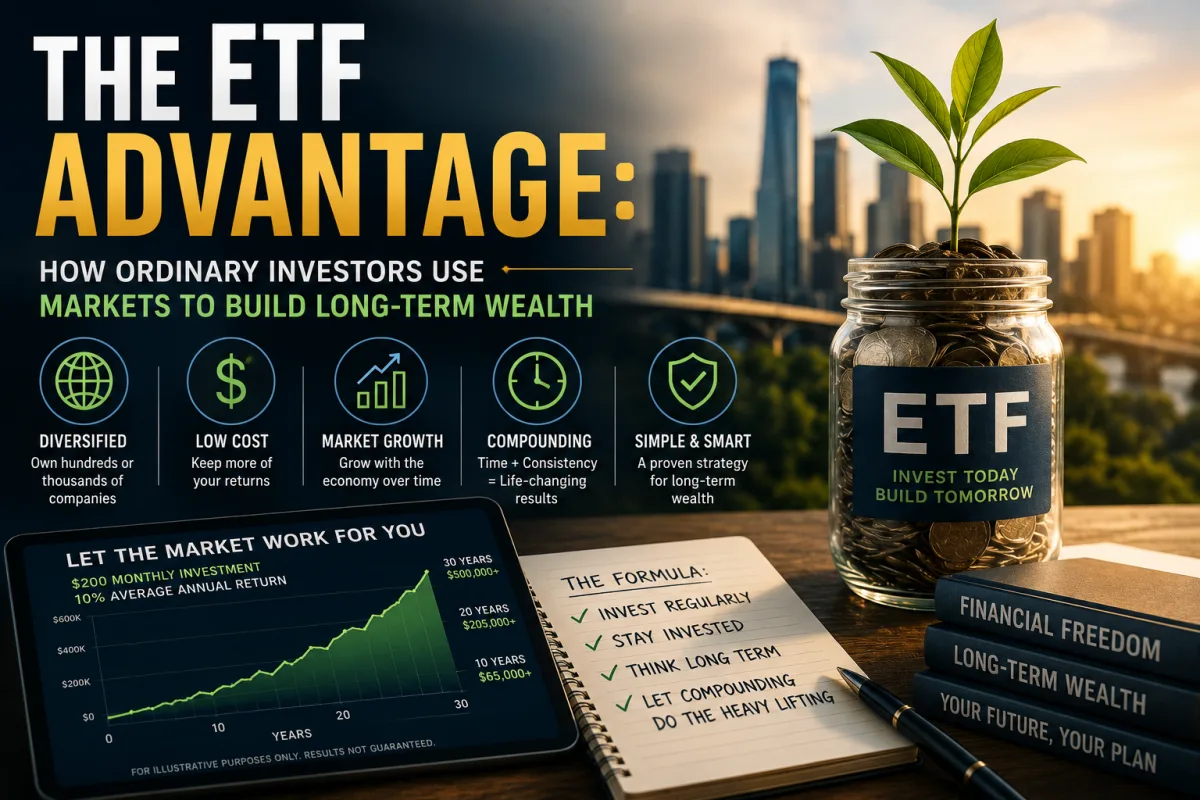
Money market funds and mutual funds become more powerful when returns are reinvested. Compounding occurs when returns begin to generate their own returns. Over time, this can produce meaningful growth.
In a money market fund, reinvested income can steadily increase the account balance. The growth may look small month by month, but it strengthens liquidity and savings discipline.
In a long-term mutual fund, compounding can be more dramatic, especially when the fund invests in growth assets. Reinvested dividends, capital gains, and regular monthly contributions can build wealth over many years.
The key is consistency. An investor who contributes only when excited may not build much. An investor who contributes monthly through good and bad markets can accumulate units steadily. During market declines, the same contribution may buy more units. When markets recover, those units participate in the recovery.
This is one reason automatic investing is powerful. It removes emotion from the process.
Money Market Funds vs Bank Savings
Many investors compare money market funds with bank savings accounts. Both can hold short-term money, but they are not identical.
A bank savings account is usually simpler and may offer deposit protection depending on the country and deposit insurance rules. It may provide immediate access through ATMs, mobile banking, or branch services. However, interest rates may be low.
A money market fund may offer higher returns than ordinary savings accounts, but access may take longer and returns are not always guaranteed. The investor is exposed to the fund’s underlying assets and management quality.
For everyday transaction money, a bank or mobile wallet may be more practical. For short-term savings that do not need instant spending access, a money market fund may be more productive.
The two can work together. Keep daily spending money in a transaction account. Keep emergency and short-term savings in a money market fund. Keep long-term wealth money in suitable growth investments.
Money Market Funds vs Fixed Deposits
Fixed deposits lock money with a bank or financial institution for a specific period at an agreed rate. They can be useful for investors who know they will not need the money before maturity.
Money market funds usually offer more flexibility. Investors can often add money regularly and withdraw with notice. Returns may change over time rather than being fixed for the entire period.
A fixed deposit may offer certainty of rate. A money market fund may offer convenience and diversification across instruments. The better choice depends on the investor’s need for liquidity, return certainty, and flexibility.
For money needed on a known date, a fixed deposit can work if the maturity matches the obligation. For money that may be needed unpredictably, a money market fund may be more flexible.
Money Market Funds vs SACCO Savings
SACCO savings and money market funds serve different purposes. SACCO deposits can build borrowing power, member ownership benefits, and cooperative participation. Money market funds offer liquid investment exposure to short-term instruments.
A SACCO may be better for a person who wants disciplined saving and future access to affordable credit. A money market fund may be better for emergency funds and short-term reserves that should remain accessible without affecting loan eligibility or guarantor arrangements.
Many people can use both. A SACCO can support long-term capital building and productive borrowing. A money market fund can hold emergency savings and short-term goals. The mistake is forcing one tool to do every job.
Building a Simple Fund Strategy
A practical fund strategy begins with three buckets.
The first bucket is immediate cash. This covers daily spending, transport, food, bills, and small emergencies. It should be instantly accessible.
The second bucket is short-term reserves. This can include a money market fund for emergency savings, school fees, rent, insurance premiums, tax money, business working capital, and planned expenses within the next year or two.
The third bucket is long-term investing. This can include suitable mutual funds such as balanced funds, bond funds, equity funds, index funds, pension funds, or other growth-oriented investments. The goal here is wealth creation over years, not weeks.
Each bucket protects the others. Immediate cash prevents daily stress. Short-term reserves prevent emergencies from disrupting long-term investments. Long-term funds create growth that cash cannot provide.
This structure is simple enough for beginners and strong enough for serious investors.
Questions to Ask Before Investing
Before investing in any money market fund or mutual fund, ask several questions.
What is my goal for this money? When will I need it? Can I tolerate fluctuations in value? What does the fund invest in? Who manages it? Is it regulated? What fees will I pay? How quickly can I withdraw? Are returns guaranteed or variable? How has the fund performed in different market conditions? What risks are disclosed in the fund documents? How will this investment fit with my SACCO, pension, insurance, bank savings, business, and other assets?
These questions slow down impulsive decisions. They also shift the investor from return chasing to planning.
Red Flags to Watch For
Investors should be cautious when a fund or salesperson promises guaranteed high returns with no risk. They should also be cautious when fees are unclear, withdrawal terms are vague, documents are unavailable, regulatory status is uncertain, or the provider avoids questions about underlying investments.
Another red flag is pressure. Legitimate investing does not require panic. If someone insists you must invest immediately or miss out forever, step back.
Lack of reporting is also a concern. Investors should receive statements, fund factsheets, transaction confirmations, and clear communication. A fund manager handling public money should be willing to provide transparency.
Complexity can also hide risk. If you cannot understand how the fund makes money after a reasonable explanation, do not invest until you do.
How Beginners Should Start
A beginner should not start by searching for the highest-return fund. The better starting point is financial order.
First, create a basic budget. Know income, expenses, debts, and savings capacity. Second, build a small emergency reserve. Third, clear or reduce expensive debt. Fourth, place short-term savings in a suitable money market fund if appropriate. Fifth, begin learning about longer-term mutual funds for growth.
Start with amounts you can sustain. Consistency matters more than impressiveness. A monthly investment habit, maintained for years, is more powerful than occasional large deposits followed by long gaps.
Beginners should also read statements and fund reports. The goal is not only to invest money but to become financially literate. Over time, the investor should understand yields, units, net asset value, fees, asset allocation, risk, and compounding.
Knowledge compounds too.
How Experienced Investors Can Use Funds Better
Experienced investors can use money market funds and mutual funds for portfolio management. A money market fund can hold cash awaiting deployment, provide liquidity during market stress, and support tactical flexibility. Bond funds can provide income. Equity funds can provide growth. Global funds can provide diversification. Balanced funds can simplify allocation.
Experienced investors should pay close attention to correlation, concentration, tax treatment, currency exposure, and manager style. Holding several funds does not automatically mean being diversified. If all the funds own similar assets, the investor may be more concentrated than they realise.
They should also compare fund performance against benchmarks and peers. A fund that consistently underperforms after fees deserves scrutiny. Loyalty should not replace analysis.
The more sophisticated the investor becomes, the more important discipline becomes. Complexity should serve the plan, not decorate it.
Tax Considerations
Taxes can affect fund returns. Depending on the country and fund structure, income from money market funds or mutual funds may be subject to withholding tax, income tax, capital gains tax, or other treatment. Tax rules can change and may differ by investor type.
Investors should understand whether quoted returns are before or after tax. They should also know whether distributions are taxed differently from capital gains. For larger portfolios, professional tax advice may be worthwhile.
Tax should not be the only reason for choosing an investment, but after-tax return is what the investor actually keeps.
Inflation: The Silent Test
An investment must be judged not only by the return it pays, but by whether it protects purchasing power. Inflation reduces the value of money over time. If prices rise faster than your investment grows, you may become poorer in real terms even while your account balance increases.
Money market funds may help reduce the damage of idle cash, but they may not always beat inflation after fees and taxes. This is why long-term investors often need growth assets such as equity funds, property, businesses, or other productive investments.
Short-term money should prioritise safety and liquidity. Long-term money must consider inflation seriously. A portfolio that is too conservative for too long may fail quietly.
The Emotional Side of Fund Investing
Investing is not only mathematical. It is emotional. Money market funds feel comfortable because balances are relatively stable and access is easier. Growth mutual funds can feel uncomfortable because values move up and down.
Many investors say they want high returns until they experience volatility. Then they panic, withdraw, and blame the investment. The problem was not always the fund. Sometimes the problem was a mismatch between the investor’s risk tolerance and the fund’s behavior.
A good investment plan prepares the investor emotionally. Money needed soon goes into stable instruments. Long-term money is allowed to fluctuate. Emergency reserves reduce panic. Regular contributions continue during downturns. The investor reviews the plan instead of reacting to headlines.
Wealth rewards patience, but patience is easier when the portfolio is structured correctly.
A Practical Example
Consider an investor who earns a monthly income and wants to build financial security. They begin by setting aside money for daily expenses in a bank account. They then build an emergency fund equal to three months of essential expenses in a money market fund. This gives them liquidity and modest returns.
Next, they create a school fees fund in the same or another suitable money market fund because the money is needed within the year. They do not expose it to equity market volatility.
After that, they begin contributing monthly to a balanced mutual fund for a five-to-ten-year goal. They also contribute to an equity fund for retirement because retirement is far away and they can tolerate volatility. Each year, they review performance, fees, risk, and allocation.
When the equity fund falls during a market downturn, they do not withdraw school fees money because school fees were never invested there. They do not panic about emergencies because the emergency fund is intact. They continue investing because the long-term bucket is doing its job.
This is how structure creates confidence.
Common Mistakes Investors Make
The first mistake is investing without a goal. Money without a purpose is easily moved, spent, or misallocated.
The second mistake is using a long-term fund for short-term money. This creates the risk of selling during a downturn.
The third mistake is keeping all money in a money market fund forever. This may feel safe but may limit long-term growth.
The fourth mistake is chasing the highest advertised yield without understanding risk.
The fifth mistake is ignoring fees. Costs reduce compounding.
The sixth mistake is failing to diversify. One fund, one manager, one asset class, or one market may create unnecessary concentration.
The seventh mistake is withdrawing returns instead of reinvesting them. Spending every return weakens compounding.
The eighth mistake is confusing past performance with certainty. A good track record is useful, but it is not a promise.
The ninth mistake is investing through unregulated or unclear platforms. Convenience should not replace due diligence.
The tenth mistake is reacting emotionally to normal market movements.
What a Good Fund Statement Tells You
Every investor should learn how to read a fund statement. It usually shows contributions, withdrawals, units held, unit price, income earned, fees, and closing balance. For money market funds, statements may also show interest earned or yield information. For mutual funds, they may show net asset value movement.
Reading statements helps investors confirm that contributions are credited correctly, withdrawals are recorded, and balances make sense. It also builds familiarity with how funds work.
Investors should not wait until there is a problem to understand their statements. Financial confidence grows through regular review.
The Wealth Principle Behind Funds
The deeper principle behind money market funds and mutual funds is pooled ownership. Investors combine resources, access professional management, diversify across assets, and participate in returns that may be difficult to achieve alone.
This is similar to a broader wealth principle: ordinary people build wealth faster when they convert scattered cash into organised capital. A small amount sitting idle is easily spent. A small amount invested monthly becomes a habit. A habit becomes a portfolio. A portfolio becomes an asset base.
Money market funds organise short-term money. Mutual funds organise long-term investing. Together, they can help transform income into wealth.
Final Lessons for Investors
Money market funds and mutual funds are not competing ideas. They are tools for different jobs.
Use money market funds for liquidity, emergency reserves, short-term savings, and capital waiting for deployment. Use mutual funds for income, diversification, and long-term growth depending on the fund type. Do not demand growth from a cash tool. Do not demand perfect stability from a growth tool.
Choose funds based on purpose, risk, fees, regulation, transparency, liquidity, and manager quality. Reinvest where possible. Contribute consistently. Review regularly. Avoid panic. Avoid hype. Avoid investments you do not understand.
The investor who understands these principles gains more than returns. They gain control. They know where short-term money belongs. They know where long-term money belongs. They know why liquidity matters. They know why growth matters. They know that wealth is not built by chasing every opportunity, but by placing money in the right structure for the right amount of time.
A money market fund can protect your plan. A mutual fund can grow your plan. Used together with discipline, they can help turn ordinary income into organised, compounding wealth.
 Article
 Article
 Article
 Article
 Article
 Article
 Article
 Article