What happened
UK inflation is projected to rise to 3.6%, as reported by BBC News.
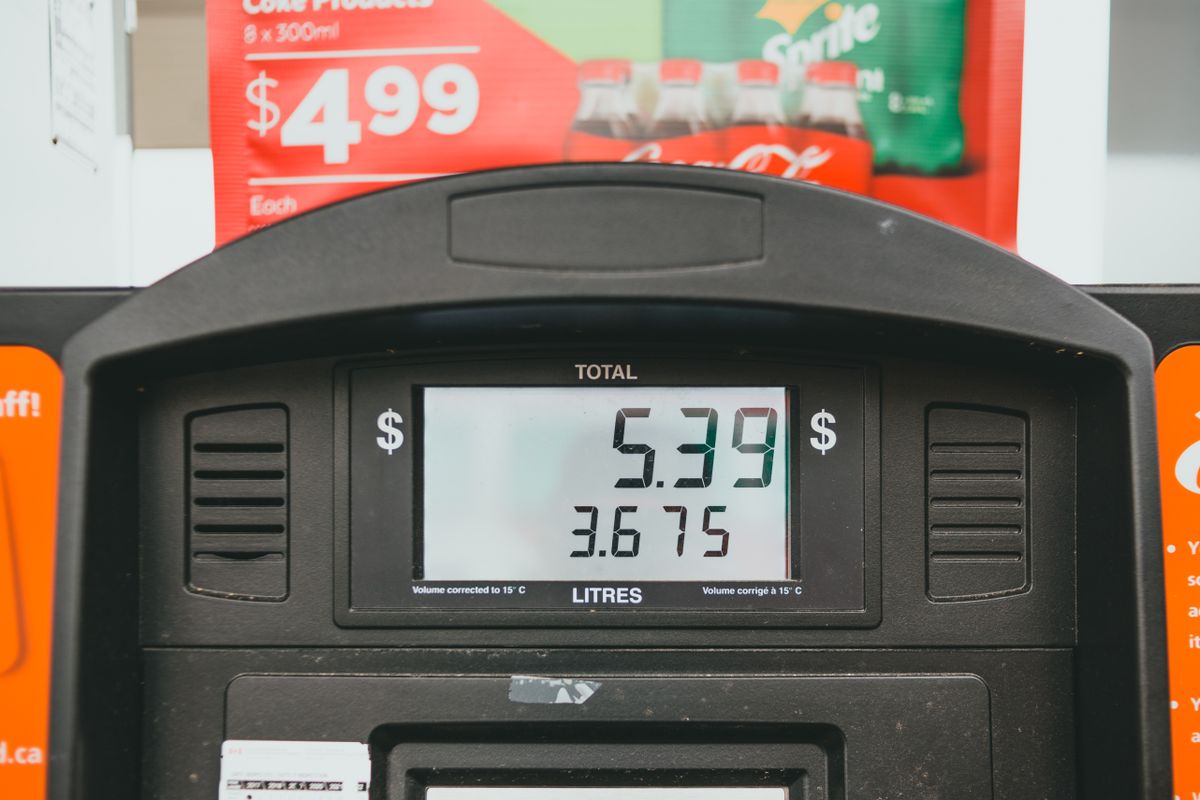
This marks the highest inflation rate in a year, driven by fuel prices.
Typical household energy bills are expected to jump by £443 annually in January.
This represents a considerable 26% increase based on forecasts from Cornwall Insight.
Fuel prices increased due to the ongoing conflict involving the US and Israel.
The Bank of England raised its interest rates from 3.75% to 4% this month.
This is the first rate hike in three years to manage inflation.
The background explained
Inflation occurs when demand outstrips supply, leading to price increases.
Several factors globally contribute to inflation, including geopolitical conflicts and supply chain issues.
Events like the US-Iran war significantly disrupt oil supplies, affecting fuel prices.
Rising energy costs often lead to increased prices across other sectors.
Interest rates influence inflation by affecting borrowing costs and savings returns.
Higher interest rates can slow down spending in the economy.
Why it matters to you
This inflation rise impacts consumers in the UK, US, Canada, and Australia.
Households will need to allocate more of their budgets for energy expenses.
This could also lead to increased prices for everyday items and services.
The Bank of England aims to lower inflation to a target of 2%.
Ongoing economic pressures make this goal challenging to achieve.
Preparing for cost fluctuations will be crucial for consumer budgets and savings.
Photo by Erik Mclean on Pexels.
Who is affected
Various groups are influenced by rising inflation rates.
Savers could see benefits from higher interest rates on savings accounts.
Borrowers will incur higher costs for mortgages, loans, and credit cards.
This situation pressures routine household budgets and expense management.
Workers in energy-dependent industries may find increased operational costs impacting jobs.
Business owners are adjusting pricing structures due to rising expenses.
Energy bills will significantly impact household budgets across the UK in January.
Families should prepare financially for these increased energy costs starting in early 2024.
The forecasted rise places further burden on those already struggling with living expenses.
Many families may need to alter their spending habits to adapt to higher bills.
Reducing discretionary spending can help in maintaining a balanced budget.
Allocating funds to cover energy costs may squeeze other essential expenses.
Food prices are likely to be affected as energy costs rise further.
Higher energy bills might lead to increased operational costs for local businesses.
This situation could force businesses to adjust pricing strategies to stay afloat.
Long-term planning will be essential for households to manage budgets effectively.
Consider making energy efficiency improvements to reduce consumption and costs.
Small changes, like using energy-efficient bulbs, could lower overall expenses.
Households might consider auditing their energy use for potential savings.
A thorough review of your energy provider's options could reveal savings opportunities.
Switching to fixed-rate plans may offer protection against future price surges.
Staying informed about available government assistance can be beneficial for households.
Programs to help offset energy costs can provide relief during tough economic times.
Communicating with suppliers about payment plans may also ease financial pressure.
Choosing to use less energy where possible will benefit both wallets and the planet.
Finding ways to consolidate bills or seek out local discounts can alleviate costs.
Awareness of personal consumption patterns can empower better energy management.
Encouraging household members to be mindful of energy use can help save money.
Joining community programs for bulk energy purchases may yield savings.
Building a financial cushion can protect against potential sudden increases in expenses.
Consider discussing shared energy costs among family members or roommates.
Researching alternative energy sources, where possible, may lead to cost savings.
Effective budgeting may also help prevent a household from exceeding their financial limits.
Saving for unexpected charges due to rate increases can ensure better preparedness.
Every household should take proactive steps to manage their energy consumption.
Understanding the broader economic implications of inflation will guide smarter financial choices.
What to do now
- Review your monthly budget to accommodate climbing utility costs.
- Consider investing in energy-efficient appliances to cut long-term bills.
- Look into savings options; higher rates may yield better returns.
- Stay informed on government aid programs for energy costs.
- Find ways to lower discretionary spending to balance rising expenses.
- Discuss fixed-rate energy plans with suppliers to stabilize costs.
- Monitor inflation trends to anticipate future financial impacts.
Key terms
- Inflation: The rate at which prices rise for goods and services.
- Interest rates: The cost of borrowing money or returns on savings.
- Energy bills: Costs associated with gas and electricity consumption.
- Budget: A financial plan outlining income and expenses.
FAQ
What causes inflation?
Inflation arises when demand surpasses supply, leading to higher prices.
How do interest rates affect my finances?
Higher interest rates raise borrowing costs but can improve savings returns.
What should I do if my bills rise?
Reasses your budget and consider cost-cutting methods to manage expenses.
Read more at BBC News.
Source: Original report.
Featured photo by Erik Mclean on Pexels.
 Article
 Article
 Article
 Article
 Article
 Article
 Article
 Article