What happened
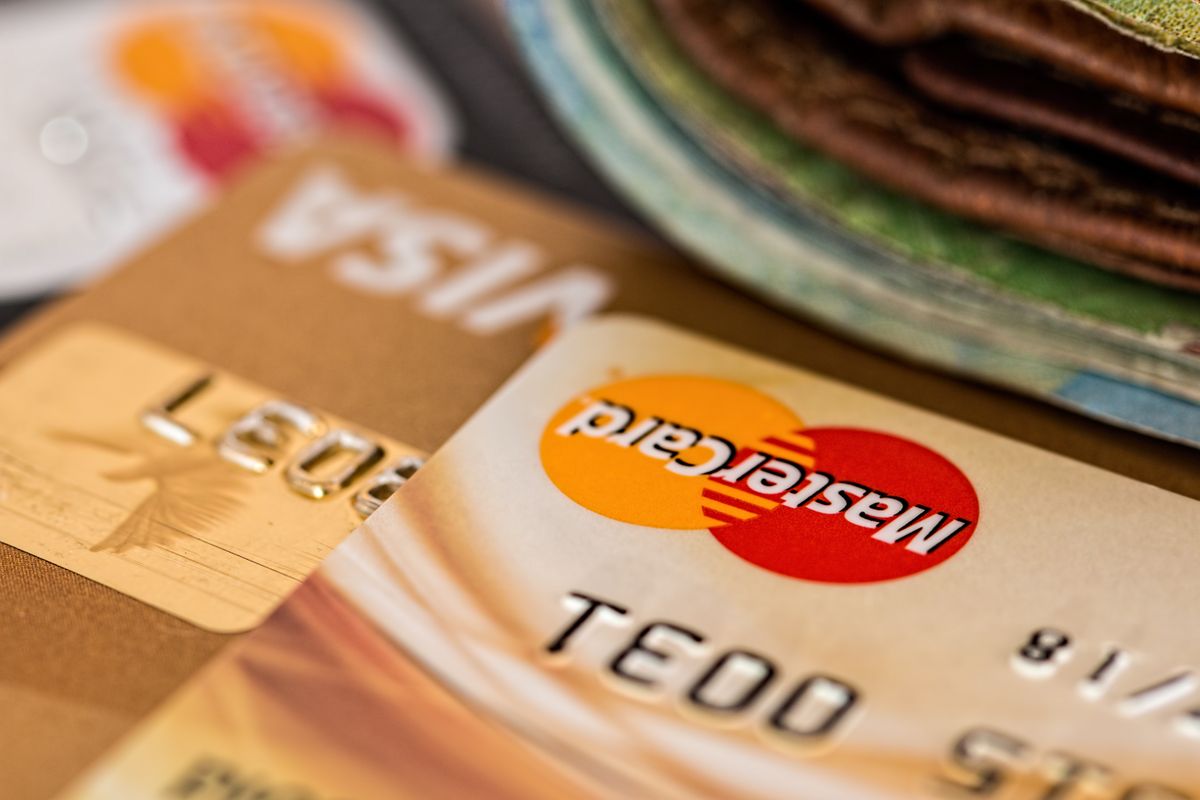
Card payments surpassed cash for the first time in the euro area.
According to a European Central Bank survey from 25 November 2026, cards accounted for 45% of payments in shops.
In contrast, cash accounted for 44% of payments.
mobile payments increased to 9%, up from 6% in 2024.
Despite this shift to card payments, many consumers still value their options.
Notably, 54% preferred cashless payments while 22% favored cash payments.
Around 82% of respondents emphasized the importance of having diverse payment methods available.
The ECB's survey involved 51,551 respondents across the euro area.
Data collection happened in two rounds.
The first was from 29 September to 27 November 2025.
The second occurred from 16 March to 15 May 2026.
The results show a growing inclination towards digital payments among individuals.
The background explained
This trend reflects a shift in consumer preferences for payment methods.
Influences include advancements in technology and changing lifestyles.
With digital innovation, payment technology has advanced significantly.
Consumers can now perform easier and faster transactions using cards and mobile apps.
Why it matters to you
This shift is significant for consumers in various countries, including the United States, United Kingdom, Canada, and Australia.
Understanding digital payment options is crucial as cash use decreases.
Certain credit card rewards may provide benefits that cash cannot offer.
Many mobile apps enhance the speed and convenience of transactions.
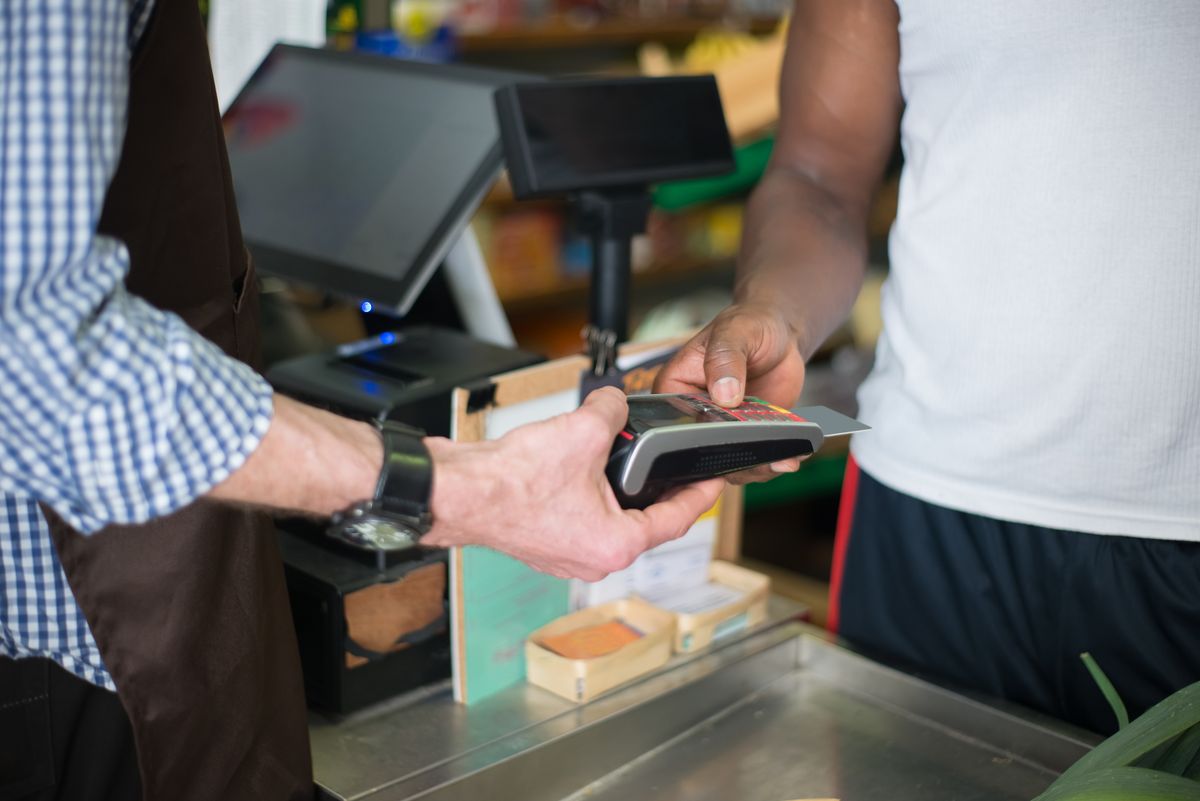
Photo by Kampus Production on Pexels.
Who is affected
Savers benefit from credit card rewards but should be cautious of overspending.
Borrowers might find digital transactions simplify their spending but need to monitor habits.
Workers may experience changes in cash tips due to industry preferences for payment methods.
Business owners need to adapt by offering varied payment methods to meet customer demand.
The shift from cash to digital payments has various implications for consumers and businesses.
Understanding these changes can help consumers make informed financial decisions.
More individuals are adopting cashless payment methods in everyday transactions.
This trend is expected to influence spending behaviors and habits over time.
Consumers may face challenges with cash access in some areas due to this shift.
Retailers are adapting their payment systems to accommodate diverse consumer preferences.
This may involve investing in new technology for card and mobile payments.
Security concerns regarding digital payments must be taken seriously by consumers.
Staying informed about potential risks can help consumers protect their finances.
Some consumers may prefer cash for budgeting purposes and managing expenses effectively.
Cash allows for tangible spending control, which many find reassuring.
This choice reflects personal comfort levels with different payment methods.
Understanding rewards programs can enhance the benefits of digital payment methods.
Credit card rewards can provide substantial savings when used strategically.
Consumers should evaluate which rewards align with their spending habits.
Users may need to keep track of their spending, especially with credit cards.
Overspending can occur easily when using digital payment methods without discipline.
Businesses often need to evolve to encourage customer loyalty through payment options.
Providing a range of payment methods can lead to increased customer satisfaction.
Positive shopping experiences often hinge on payment method preferences being met.
Many customers appreciate the option to pay with cards or mobile apps.
The ability to pay digitally may lead to quicker transaction times at checkouts.
Cash still plays a vital role for certain sub-groups within the population.
Some consumers may prefer cash for its privacy and security features.
This highlights the need for a payment ecosystem that embraces both methods.
Education about payment methods should be a priority for financial institutions.
Promoting awareness about digital and cash payment benefits will empower consumers.
Shifting preferences can affect local economies, influencing cash circulation patterns.
Understanding these dynamics can guide businesses in developing effective strategies.
The evolving payment landscape continues to shape financial interactions among consumers.
Future developments in payment technology will dictate new consumer behaviors.
As these changes unfold, adapting to new payment methods will be essential.
Balancing preferences for cash and digital payments can enhance overall satisfaction.
Recognizing the significance of both payment styles helps in strategic planning.
A comprehensive approach can ensure ease of access to multiple payment options.
What to do now
- Review your payment preferences to consider utilizing more digital payment options.
- Set up mobile payment apps for easier transactions where possible.
- Keep track of your spending, especially when using credit and debit cards.
- Stay informed about security measures applicable to digital payment platforms.
- Evaluate customer rewards programs available through digital payment methods.
- Educate yourself on handling cash to ensure you are prepared.
Key terms
- Digital Payments: Electronic payments made through apps or cards.
- Cashless Transactions: Payments made without physical cash.
- Payment Methods: Different ways to pay for goods or services.
FAQ
What are the benefits of digital payments?
Digital payments offer convenience, security, and sometimes rewards that cash cannot provide.
Is cash usage still significant?
Yes, cash remains important for specific transactions, especially small-value payments.
How can I ensure my digital payments are secure?
Use secure transactions, monitor your spend regularly, and adhere to best practices.
Source: Original report.
Featured photo by Pixabay on Pexels.
 Article
 Article
 Article
 Article
 Article
 Article
 Article
 Article