
What happened
Catering giant Compass Group is shifting its main stock market listing from the UK to the US, according to BBC News.
An official announcement is expected in its full-year results presentation.
This move stems from the company’s significant operations in North America.
North America accounts for two-thirds of Compass Group's revenue.
This reached $46.1 billion in 2025.
The London Stock Exchange has seen many firms leave for US markets.
Companies perceive the US as having a larger pool of investors.
Last year, the UK had 23 initial public offerings (IPOs) that raised £2.1 billion.
In contrast, the US saw 354 IPOs that raised $44 billion.
Operating in over 25 countries, the company employs over 600,000 people globally.
Its listing change is expected to have no job impact for UK employees.
The background explained
Compass Group provides extensive food and drink services across diverse venues.
This operational structure has driven revenue growth in North America.
Compass changed its standard shares' trading currency on the LSE from sterling to US dollars.
This shift indicates a potential transition to the US market.
The LSE has faced calls for better support for homegrown firms.
Many believe that enhancing the UK's market attractiveness is essential for future growth.
Why it matters to you
The shift may affect UK investors holding shares in Compass Group.
Delistings of firms raise concerns about investment viability in the UK.
The potential loss of firms can pressure the UK economy.
Investors must consider international exposure across their portfolios.
For investors in Canada, Australia, and the UK, reduced market vitality is a concern.
Limited options may affect investment strategies across these regions.
Market shifts force investors to adapt to new conditions.
Monitoring these trends is essential for sound financial planning.
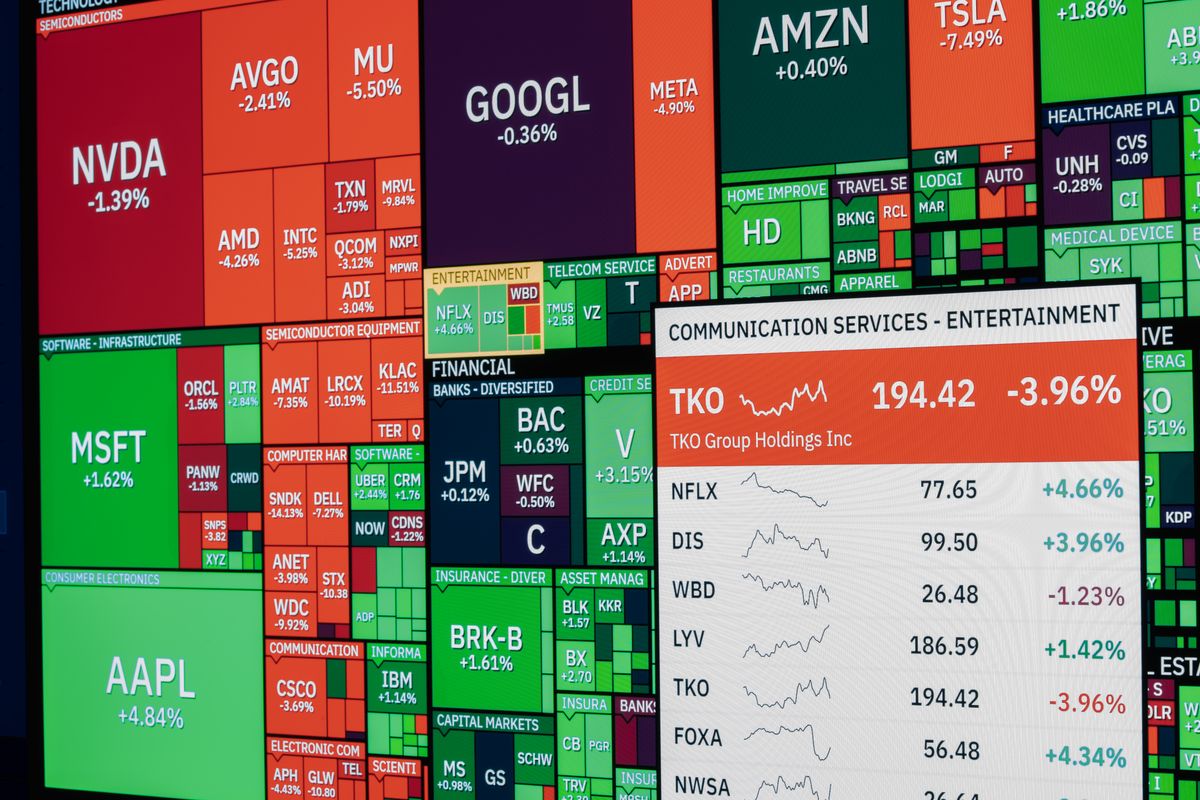
Photo by Rafael Minguet Delgado on Pexels.
Who is affected
- Savers: UK savers might see fewer local investment options available.
- Borrowers: Changes in investor focus can impact borrowing rates in the UK.
- Workers: Employees may experience changes in governance but retain their jobs.
- Business owners: UK businesses could feel the impact of investor disinterest.
This transition emphasizes a broader trend of firms relocating to the US.
Companies often seek more favorable investment environments and larger market opportunities.
Investors may experience shifts in their portfolio diversity as UK firms relocate.
The exit of significant firms can diminish the appeal of local stock markets.
As firms like Compass Group leave, the local ecosystem may weaken.
Investor confidence can be affected by prolonged trends of de-listing in the UK.
Ongoing departures may lead to a perception of instability in the UK market.
Financial institutions may need to adjust their strategies due to these changes.
Fewer listings could lead to reduced choices for investors in the UK.
This creates a necessity for investors to reassess their local market strategies.
Adapting investment strategies becomes crucial amidst changing market dynamics.
Investors should closely monitor cross-border trends to remain competitive.
Understanding the implications of such shifts can provide a strategic edge.
It is essential to gauge the long-term viability of UK-based investments.
The healthcare and food service industries could feel heightened effects from these listings.
As Compass operates in these sectors, their listing change may prompt further scrutiny.
Investors should analyze how such industry shifts influence their holdings.
Investments may require adjustments to align with evolving market conditions.
This scenario encourages investors to diversify beyond local markets when possible.
Global market understanding can mitigate risks inherent in regional volatility.
Strategies for equity investments may need reevaluation based on these shifts.
Adapting to international market exposure could be vital for future profitability.
The response from regulatory bodies can also influence investment landscapes significantly.
Stakeholders must remain informed about any potential regulatory changes affecting listings.
Anticipating market changes will be crucial for post-shift investment strategies.
Remaining connected to changes in US market trends could benefit UK investors.
Engaging with investment advisories could help clarify potential action steps.
Building a more resilient investment framework in changing times is essential.
What to do now
- Review your investment portfolio for exposure to Compass Group's shares.
- Stay informed about market trends in the UK and US.
- Diversify your investments to mitigate risks from market changes.
- Keep an eye on UK legislative changes that might affect listings.
- Consult a financial advisor for personalized investment strategies.
- Monitor company announcements regarding the impact on UK operations.
- Explore global investment opportunities to enhance potential returns.
Key terms
- Initial Public Offering: Offering shares of a private corporation to the public.
- Stock Exchange: A marketplace for buying and selling securities.
- Market Capitalization: The total value of a company’s outstanding shares.
FAQ
What will happen to my shares in Compass Group?
Your shares may still be traded on the LSE.
However, focus will shift to US listings.
How does this affect UK investors?
This may limit investment choices for UK investors as firms relocate.
Should I sell my shares now?
Consult a financial advisor to evaluate your personal investment strategy.
Source: Original report.
Featured photo by Jakub Zerdzicki on Pexels.
 Article
 Article
 Article
 Article
 Article
 Article
 Article
 Article