What happened
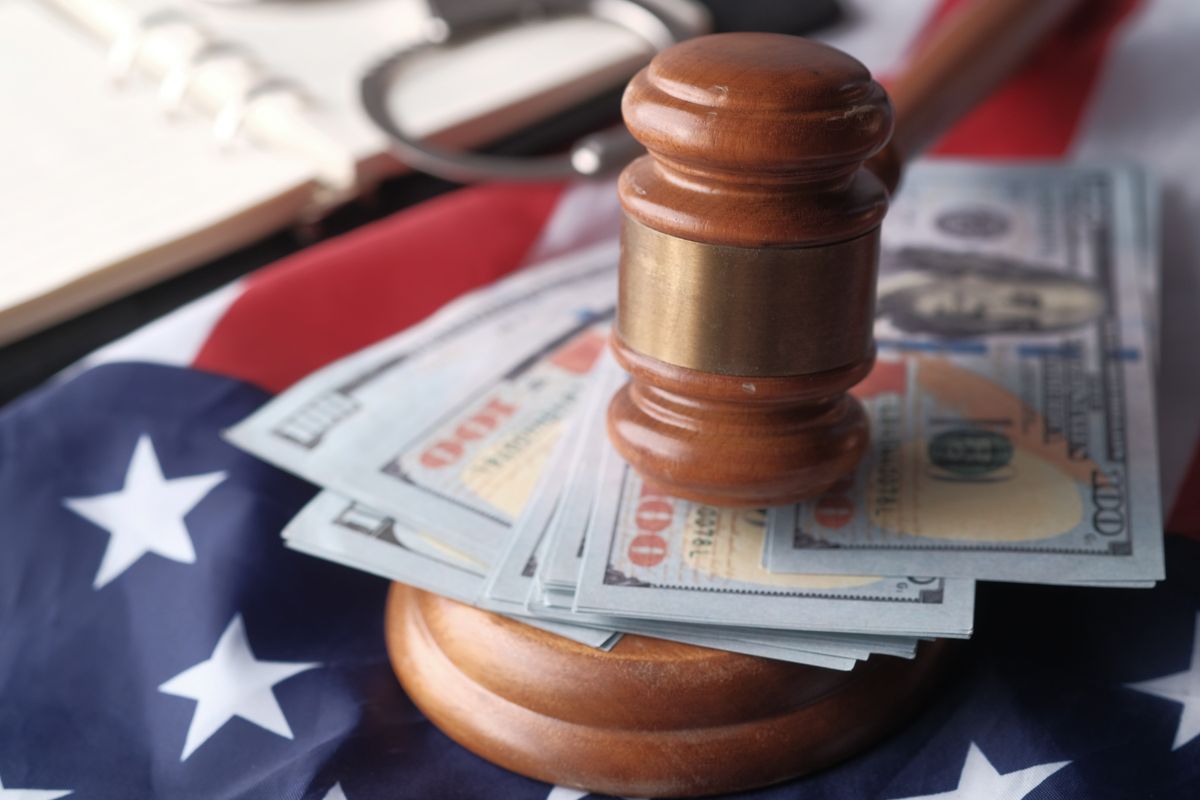
The Federal Reserve Board issued an enforcement action on November 12, 2026.
This action involved Katilyn M.
Robinson, a former employee of United Community Bank.
She misappropriated customer funds while working at the bank in Greenville, South Carolina.
The background explained
The Federal Reserve serves as the central bank of the United States.
The Fed ensures a safe and stable financial system for the country.
It monitors banking institutions closely and enforces compliance with legal standards.
Enforcement actions occur when financial misconduct is discovered.
These actions help protect consumers and maintain public confidence in banking.
Why it matters to you
This recent enforcement action highlights the need for trust in financial institutions.
When employees misappropriate funds, it undermines this crucial trust.
Consumers may feel uncertain about where to place their savings.
These events emphasize the necessity for diligent oversight within the banking sector.

Photo by Erik Mclean on Pexels.
Who is affected
- Savers: People who deposit money may worry about the safety of their funds.
- Borrowers: Individuals with loans may face increased scrutiny from lenders.
- Workers: Employees in the banking industry could experience stricter regulations.
- Business owners: Companies must ensure compliance with banking regulations to protect their assets.
Financial security is crucial for individuals and families today.
Trust in banks influences economic stability.
Consumers should regularly assess their financial institutions' reliability.
This can aid in avoiding potential risks.
Bank trust is tied to their ethical practices and transparency.
Public confidence fosters strong financial systems.
Understanding how banks operate can empower consumers.
Knowledge about banking practices enhances decision-making.
Increased scrutiny from banks may affect borrowers negatively.
Stricter regulations can lead to higher loan approval standards.
Business owners need to understand financial regulations thoroughly.
Compliance safeguards their assets and operations.
It is vital to monitor a bank’s compliance history.
Knowledge of past infractions can indicate future reliability.
Diligence in researching banks ensures safer transactions.
Customers are responsible for verifying a bank's ethical standing.
Engagement with financial education can promote awareness.
Educational resources help consumers navigate complex banking environments.
Understanding past enforcement actions can inform future choices.
Familiarity with sanctions aids in assessing risks.
Consumers should prioritize transparency when choosing a bank.
Openness about policies reflects a bank's integrity.
Reassessing savings strategies can mitigate risks.
Diversifying across multiple institutions protects consumer funds.
Investing in financial literacy can yield long-term benefits.
Consumers equipped with knowledge make informed decisions.
Understanding the implications of misappropriation is essential.
Awareness of fraud can foster vigilance in banking.
Staying informed can prevent losses from questionable practices.
Consumers should regularly check their account activity.
Financial stability requires proactive engagement with personal finances.
Consumers should seek advice from trusted financial professionals.
Regularly evaluating banking relationships helps ensure safety.
It promotes accountability and encourages better performance.
Seeking information about a bank's operational structure can be insightful.
This can reveal strengths and weaknesses in service delivery.
Understanding regulatory frameworks enhances consumer preparedness.
Familiarity helps navigate potential pitfalls in banking.
Awareness of enforcement actions can prompt better choices.
This information is critical for dependable financial habits.
Diligently monitoring personal financial activity can prevent difficulties.
This ensures consumers are aware of potential issues early.
Questions regarding a bank's compliance should be straightforward.
A reliable bank would gladly provide such information.
Being proactive can shield consumers from detrimental practices.
Preventative measures often lead to increased confidence.
Additional factors affecting trust include customer service quality.
Prompt, helpful responses build rapport and reliability.
Community involvement can strengthen customer ties to a bank.
Engaged banks often contribute positively to local economies.
Considering how banks manage consumer feedback is crucial.
Institutions that listen are more likely to prioritize consumer needs.
Educating oneself about consumer rights is a valuable action.
Knowing these rights can empower informed banking decisions.
Realizing the impact of bank decisions on economic health is vital.
Consumers play a vital role in sustaining financial stability.
Transparency regarding fees and charges builds trust.
Hidden fees can lead to dissatisfaction among customers.
Being open to change can enhance financial wellbeing.
Switching banks might be necessary for better service.
Investigating customer reviews can provide valuable insights.
Experiences from existing customers reveal a lot.
Establishing a professional relationship with a bank ensures personalized service.
Knowing the bank's representatives can improve interactions.
Accountability from banking officials is paramount.
Regulators must enforce standards to protect consumers.
Maintaining safe banking practices is a responsibility for all consumers.
Awareness can lead to better financial habits.
Informed consumers drive positive changes in the banking industry.
Collective knowledge helps enhance overall financial practices.
What to do now
- Stay informed about your bank's financial health through updates and reports.
- Review your bank's practices regarding safeguarding funds and customer information.
- Consider diversifying your savings across multiple financial institutions.
- Verify the credentials and reliability of financial advisors you choose.
- Report any suspicious activities related to your accounts immediately.
- Evaluate financial products to ensure they suit your needs.
- Seek financial education resources to strengthen your understanding of these matters.
Key terms
- Enforcement Action: A measure taken by regulators against non-compliance.
- Misappropriation: The act of taking someone else's property for personal use.
- Federal Reserve: The central bank of the United States.
FAQ
What led to the enforcement action?
Katilyn M.
Robinson misappropriated customer funds while working at United Community Bank.
How does this affect consumers?
This raises concerns regarding trust and security in financial institutions.
What should I consider when banking?
Evaluate a bank's security measures and regulatory compliance before selecting one.
For more details, visit the Federal Reserve's official statement.
Source: Original report.
Featured photo by Towfiqu barbhuiya on Pexels.
 Article
 Article
 Article
 Article
 Article
 Article
 Article