
What happened
The European Central Bank reported elevated risks in financial stability.
These risks stem from AI valuations, fiscal imbalances, and growing geoeconomic tensions.
According to the November 2026 Financial Stability Review, issues in these areas could affect global financial markets.
Ambitious earnings expectations for AI firms have left markets vulnerable.
Public and private debts are rising, potentially leading to abrupt repricing of risks.
Despite these challenges, the euro area banking sector shows resilience.
The background explained
Financial stability refers to the resilience of financial institutions and markets during turbulent times.
It encompasses how well banks and other financial players can manage economic shocks.
A variety of factors can influence this stability, including government debt levels and investor expectations.
Central banks, like the ECB, monitor and regulate financial markets to maintain stability.
They implement monetary policies aimed at controlling inflation and ensuring liquidity.
Understanding fiscal policies is also crucial, as national debt influences economic health and market sentiment.
Why it matters to you
The financial stability of major economies can directly affect individual borrowers and savers.
If financial markets struggle, this may lead to higher loan rates or lower savings returns.
With rising interest rates, the cost of borrowing might increase.
As AI valuations influence market dynamics, investors might reconsider their strategies.
Understanding these risks helps individuals make informed financial decisions.
It’s imperative to stay aware of economic conditions that might affect your financial health.

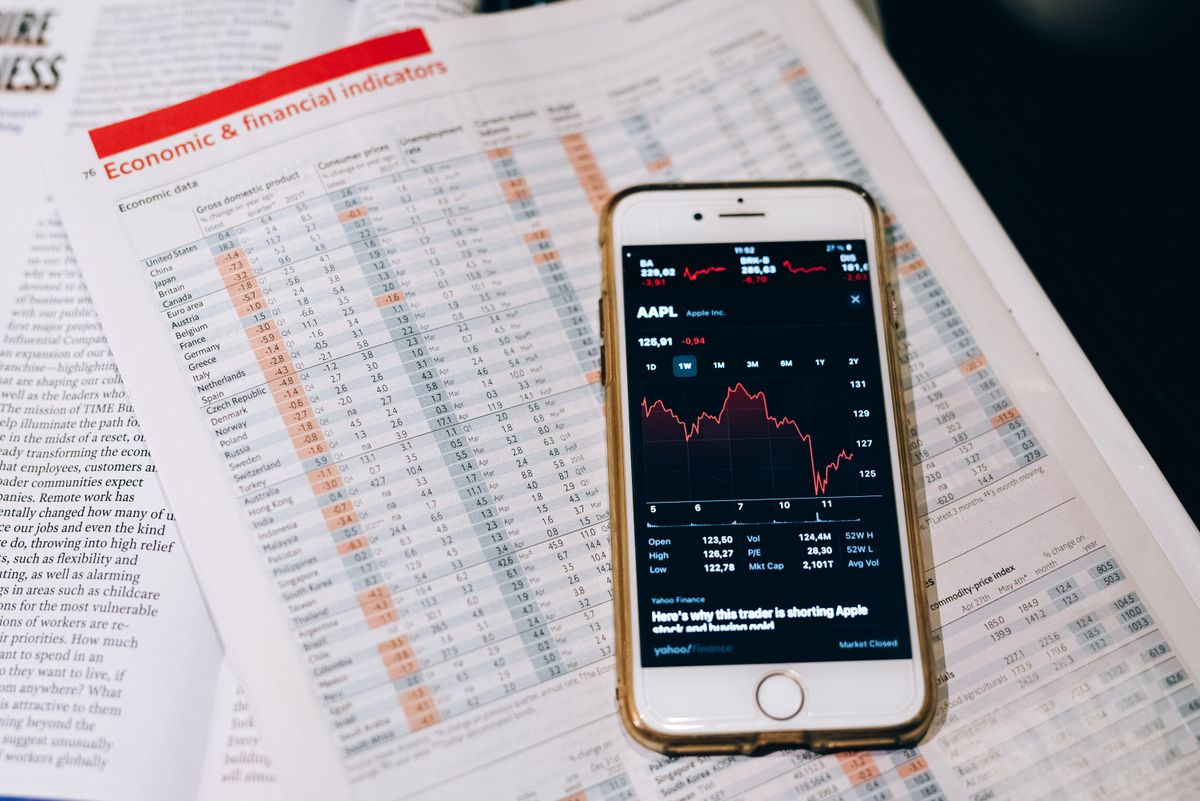
Photo by Jonathan Borba on Pexels.
Who is affected
Savers can see lower returns on investments if markets remain volatile.
Borrowers may face increased interest rates as banks reassess risks.
Workers may experience job instability in sectors reliant on emerging technologies like AI.
Business owners are also impacted by changes in financing conditions.
Access to credit could become more expensive or limited.
Those involved in non-bank financial institutions might face heightened vulnerabilities in their markets.
AI valuations can cause significant shifts in market attitudes and investor behavior.
The perceived potential of AI technologies introduces instability into financial markets.
Investors are often driven by bursts of enthusiasm and high expectations.
These factors make markets susceptible to sudden corrections and volatility.
Understanding how investor mood affects valuations is important for market participation.
Long-term trends can be overshadowed by short-term enthusiasm for AI innovations.
Fiscal imbalances contribute to uncertainty in financial markets and economic policies.
Governments with high debt might have limited options for monetary relaxation.
This limits their capacity to stimulate economic growth during downturns.
Investors should consider government budgeting policies and spending habits.
Debt levels can impact overall market confidence and accessibility of financing.
Monitoring sovereign debt dynamics alerts stakeholders to potential market shifts.
Geoeconomic tensions can complicate international trade and corporate profitability.
Such tensions might result in higher operating costs for businesses worldwide.
Firms may need to adapt strategies to navigate these complexities effectively.
Understanding the interplay of global markets and local economies is essential.
As AI technology evolves, industries will see changing patterns in consumer demand.
This will impact pricing, supply chains, and ultimately financial stability.
In-depth market analyses are crucial to staying ahead in such environments.
Investors must remain vigilant about geopolitical and economic news that might affect markets.
Changes in government policies can lead to swift market reactions.
Stakeholders should develop contingency plans for economic shifts driven by AI valuations.
Understanding the broader economic environment will guide investment strategies.
It is also important to engage with financial experts who understand these dynamics.
Financial advisors can offer insights tailored to individual risk tolerance levels.
Diverse investment portfolios can help mitigate exposure to specific market risks.
Monitoring personal investments ensures alignment with overall financial goals.
Establishing a robust emergency fund reduces reliance on credit during downturns.
This provides security against financial shocks in turbulent market phases.
Engaging with financial literacy resources helps improve understanding of market risks.
Awareness of fiscal and economic policies can enhance decision-making frameworks.
In a rapidly changing environment, adaptability is critical for success.
Proactive financial management is essential to navigate ongoing risks effectively.
Investors must cultivate a mindset that embraces continuous learning and assessment.
maintaining flexibility in strategies allows for swift responses to market changes.
What to do now
- Stay informed about financial market conditions and economic trends.
- Diversify your investment portfolio to manage risks effectively.
- Review your debt portfolio and look for better interest rates.
- Consider consulting a financial advisor to discuss your options.
- Enhance your emergency savings to prepare for potential market volatility.
- Monitor government fiscal policies relevant to your financial position.
- Educate yourself on the implications of AI and technology on your industry.
Key terms
- Financial Stability: The resilience of financial institutions against economic shocks.
- Fiscal Imbalances: Discrepancies between government revenue and expenditure.
- AI Valuations: Market value assessments based on the potential of artificial intelligence technologies.
- Geoeconomic Tensions: Economic conflicts and dependencies between countries.
FAQ
What are AI valuations?
AI valuations assess the worth of companies based on their AI technologies and potential earnings.
How do fiscal imbalances impact financial stability?
Fiscal imbalances can lead to higher public debt, affecting government spending and market confidence.
Who regulates financial stability in the euro area?
The European Central Bank oversees financial stability in the euro area.
Source: Original report.
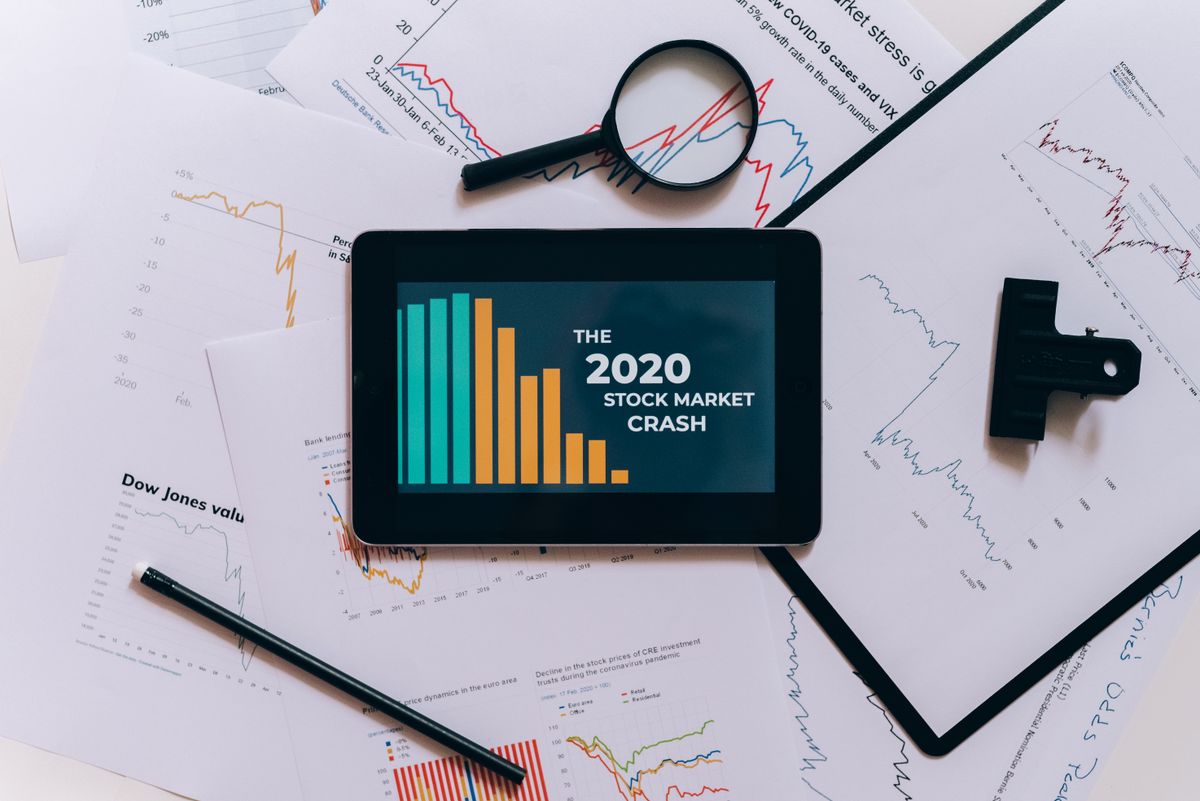
Featured photo by DΛVΞ GΛRCIΛ on Pexels.
 Article
 Article
 Article
 Article
 Article
 Article
 Article
 Article