AI can inform an investment idea, but it cannot remove uncertainty.
Start by understanding what you are considering and why it fits your financial plan.
Start with the purpose of your investment
Before exploring artificial intelligence, identify what you want your investments to accomplish.
Your goal helps separate useful information from attention-grabbing claims.
You might invest for long-term growth, future spending, or another defined purpose.
Consider when you may need the money and whether that timing could change.
Money needed soon may call for a different approach than money intended for a distant goal.
Your time horizon affects which tradeoffs deserve attention.
Consider how you would respond if an investment lost value.
If a loss might make you abandon your plan, the investment may exceed your comfort with risk.
Risk tolerance describes your willingness to accept uncertainty.
Risk capacity describes your financial ability to withstand losses.
Both matter when assessing investments connected to emerging technologies.
AI is a subject area, not a complete investment plan.
Begin with your needs, then consider whether this field belongs in your broader approach.
This order keeps an interesting theme from replacing a financial purpose.
Know what an AI investment actually means
An investment described as AI-related can refer to different things.
It might involve a business using AI, supplying technology, or selling related products.
Those activities can involve different revenue sources and business risks.
Read what a company does instead of relying on a broad label.
A business may use AI as one tool among many.
Its prospects may also depend on customers, competition, costs, management, and financing.
A fund may hold businesses with varying connections to artificial intelligence.
Its name does not explain its holdings, selection rules, or concentration.
An investment service might use software or algorithms to support portfolio decisions.
That describes a process, not necessarily an investment in AI companies.
Keep these meanings separate when comparing options.
Ask whether you are assessing a business, an investment collection, or a decision-making tool.
This distinction helps identify which documents and risks matter.
It also prevents one label from replacing careful research.
Separate a persuasive story from an investable case
A compelling story can explain why a technology seems useful.
It cannot establish whether an investment suits you or has an appropriate price.
Look for a clear explanation of how a business serves customers and earns revenue.
If the explanation remains vague, pause before drawing conclusions.
Check whether the company describes existing products and services or future possibilities.
Those are different kinds of information.
Ask what it costs to develop, operate, and maintain the company's offerings.
A product idea alone does not explain its effect on business costs.
Consider why customers might continue using the service.
A useful product and a lasting business advantage are not automatically the same.
Write down what would need to be true for your reasoning to hold.
That makes assumptions easier to examine and revise.
Separate what the company reports from what management believes may happen.
Keep your own interpretation distinct from both.
Understand the risks before choosing exposure
AI-related businesses may face technology, competition, operational, and regulatory risks.
The relevant risks differ across companies and investment products.
Technology can change, making a product less useful or harder to maintain.
Ask whether a business depends heavily on one capability or provider.
Competition can affect a company's ability to attract customers and earn revenue.
Examine management's account of its position without treating promotional language as proof.
Businesses may also face questions involving data, privacy, security, or intellectual property.
Read disclosures available for the particular company or fund.
Regulatory requirements vary by country and can change.
Investors in the United States, Canada, the United Kingdom. Australia should check applicable local rules.
Investment prices can change for reasons beyond AI.
Business results, broader markets, investor expectations, and interest rates can affect valuations.
A promising technology does not prevent an investment from losing value.
Consider what level of loss you could financially and emotionally tolerate.
A concentrated investment may depend on factors that affect a narrow theme.
Consider how broader holdings could change your exposure.
Assess the business or fund itself
For an individual company, examine its business model, financial statements, management disclosures, and major risks.
Use information from sources you can identify and evaluate.
Revenue describes money received from business activity.
Profit reflects what remains after relevant expenses, but neither measure explains everything.
Cash flow helps show how money moves through a business.
Consider how the company funds operations and whether it relies on outside financing.
Read explanations of revenue sources and operating costs.
A company investing heavily in technology may still face uncertain demand and expenses.
For a fund, inspect its holdings, investment objective, selection approach, and charges.
Find out whether it concentrates in a narrow theme or spreads exposure more broadly.
Look at what the fund owns and how its holdings overlap with your existing investments.
A label cannot answer either question.
Compare an option with an appropriate alternative.
Consider exposure, costs, diversification, and fit with your stated purpose.
Ask how the investment makes money and what could weaken that business case.
Your questions should follow the specific company or fund, not the theme alone.
Check whether the information you rely on is complete and understandable.
Unanswered questions are a reason to continue researching, not assume.
Use diversification to manage concentration
Diversification means spreading investment exposure instead of depending on one company or narrow theme.
It can reduce reliance on any single holding.
Diversification does not guarantee gains or prevent losses.
Its purpose is to manage concentration, not eliminate market risk.
A portfolio holding broad index funds may already include businesses connected to AI.
Review existing holdings before adding a specialist investment.
A thematic fund may own companies already present elsewhere in your portfolio.
Overlap can make your exposure more concentrated than labels suggest.
Consider how a proposed investment would change your overall balance.
Assess its relationship to existing holdings, not only its standalone appeal.
Some investors may prefer broad exposure over choosing a narrow theme.
Others may consider a limited thematic allocation if it fits their plan.
There is no single allocation suitable for everyone.
Goals, time horizon, financial circumstances, and risk tolerance shape that decision.
Consider whether a new holding adds a different exposure or repeats one you already have.
Think about what else your portfolio depends on.
Evaluate automated investment tools
Automated tools can organize information, screen investments, or support portfolio administration.
Their usefulness depends on the task and the quality of their inputs.
Software can produce errors or omit important context.
Treat its output as material to verify, not a substitute for your judgment.
Ask what information a tool uses and what its results are designed to show.
If its process is unclear, you may not understand its limitations.
Check how the tool handles uncertainty, missing information, and changing circumstances.
A polished answer can still rely on incomplete assumptions.
Some services raise privacy or data security questions.
Review what information you provide, how it is handled, and which choices remain yours.
Compare automated services by costs, features, and available human support.
Understand what each service does and does not provide.
Convenience alone does not establish that a service suits your needs.
Keep responsibility for checking consequential decisions.
Ask whether you can review or correct the information guiding the tool.
Understand how to respond if its output seems wrong or incomplete.
Consider fees, taxes, and local account rules
Investment charges reduce the amount that remains invested.
Compare stated fees and check whether transaction or account costs may also apply.
Fees can differ between products that appear to offer similar exposure.
Read relevant documents instead of assuming a thematic label implies a particular cost.
Tax treatment depends on your country, account, and personal circumstances.
United States investors may consider account rules for an IRA.
In Canada, account choices can include an RRSP or TFSA, subject to their respective rules.
In the United Kingdom, an ISA has its own requirements.
Australian investors may need to consider superannuation rules and account conditions.
These country-specific examples are not interchangeable recommendations.
Check official local guidance or consult a qualified tax professional when tax questions affect your decision.
Do not assume another country's rules apply.
Tax treatment is only one part of suitability.
Consider it alongside costs, access to money, investment risk, and your goals.
Account conditions can affect when and how you access investments.
Understand those conditions before selecting an account for a particular purpose.
Build a research routine that resists noise
Set a consistent process for reviewing investment information.
A defined process keeps attention on facts relevant to your decision.
Start with company or fund documents, then compare claims with independent information where available.
Keep track of each source and when you reviewed it.
Separate reported facts, management opinions, and your own assumptions.
Mixing them can make a weak argument seem stronger.
Write down what evidence would challenge your view.
If nothing could change your mind, attachment may be shaping your analysis.
Avoid treating dramatic forecasts as established facts.
Forecasts depend on assumptions, and outcomes can differ from expectations.
Pause when new information creates urgency.
Use that time to check documents and compare the decision with your plan.
Choose a review schedule that suits your approach.
Frequent checking may distract, while ignoring material changes can leave assumptions outdated.
Keep notes on why you became interested in the investment.
Clear notes help distinguish new evidence from changing attention.
Know when professional advice may help
Investment decisions can involve tax questions, business ownership, or several financial goals.
A qualified professional may help clarify how those issues connect.
Ask how an adviser is paid and which services are included.
Understand potential conflicts before relying on a recommendation.
Check credentials and permissions under the rules in your country.
A title or confident presentation does not establish suitable qualifications.
Bring questions about your goals, risk tolerance, costs, and existing investments.
Clear questions help you understand the scope of any advice.
Ask an adviser to explain alternatives and the reasons for a recommendation.
You should understand the tradeoffs involved.
Professional advice does not remove investment risk or guarantee outcomes.
It can support decisions, but responsibilities and terms should remain clear.
Consider whether the advice addresses your actual circumstances.
Generic explanations may not resolve an individual suitability question.
What to do now
- Write down the goal this investment would serve and when you may need the money.
- Decide whether you are researching a business, fund, or automated investing service.
- Read relevant disclosures and identify actual holdings or business activities.
- List key risks, assumptions, fees, and unanswered questions before deciding.
- Check how the option would affect existing holdings and overall concentration.
- Verify account and tax rules for your country before relying on assumptions.
- Set a review process and identify evidence that would change your reasoning.
A final perspective
AI investing also tests how carefully you judge evidence.
A useful decision process should remain explainable, open to challenge, and adaptable.
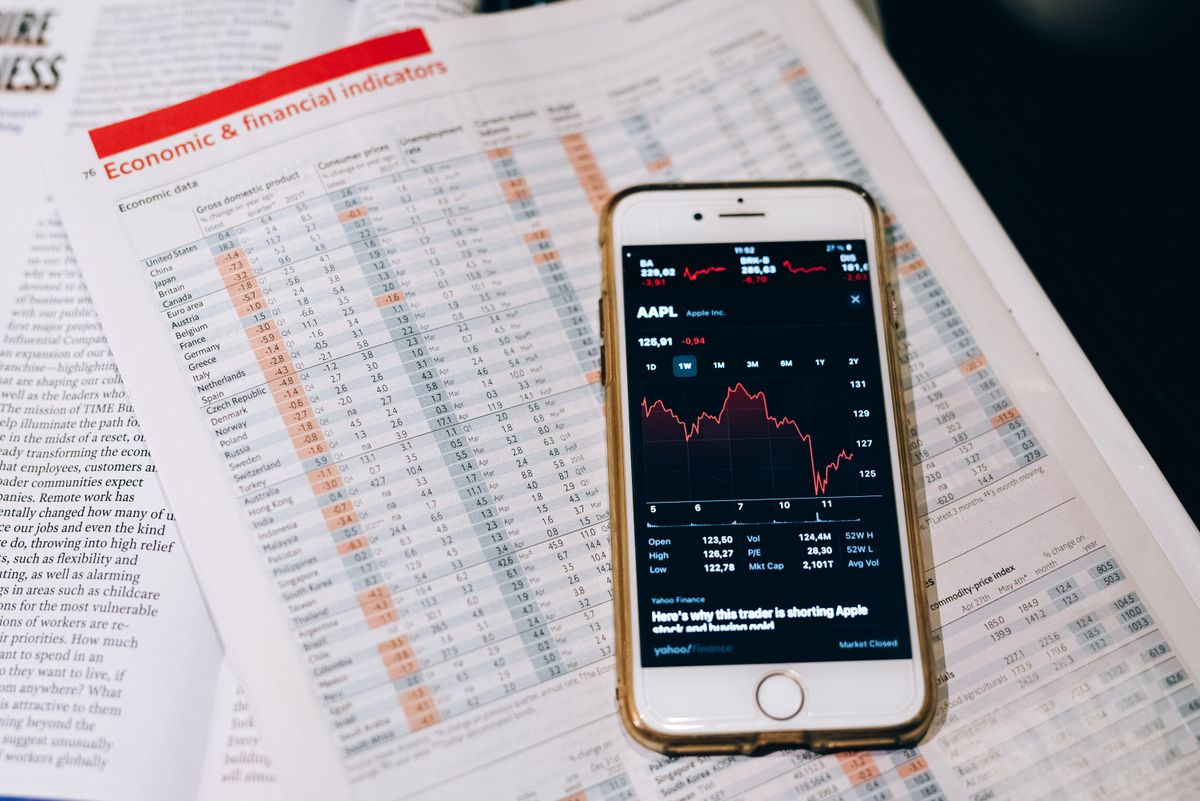
Featured photo by Leeloo The First on Pexels.

Photo by Rafael Minguet Delgado on Pexels.
 Article
 Article
 Article
 Article
 Article
 Article
 Article
 Article