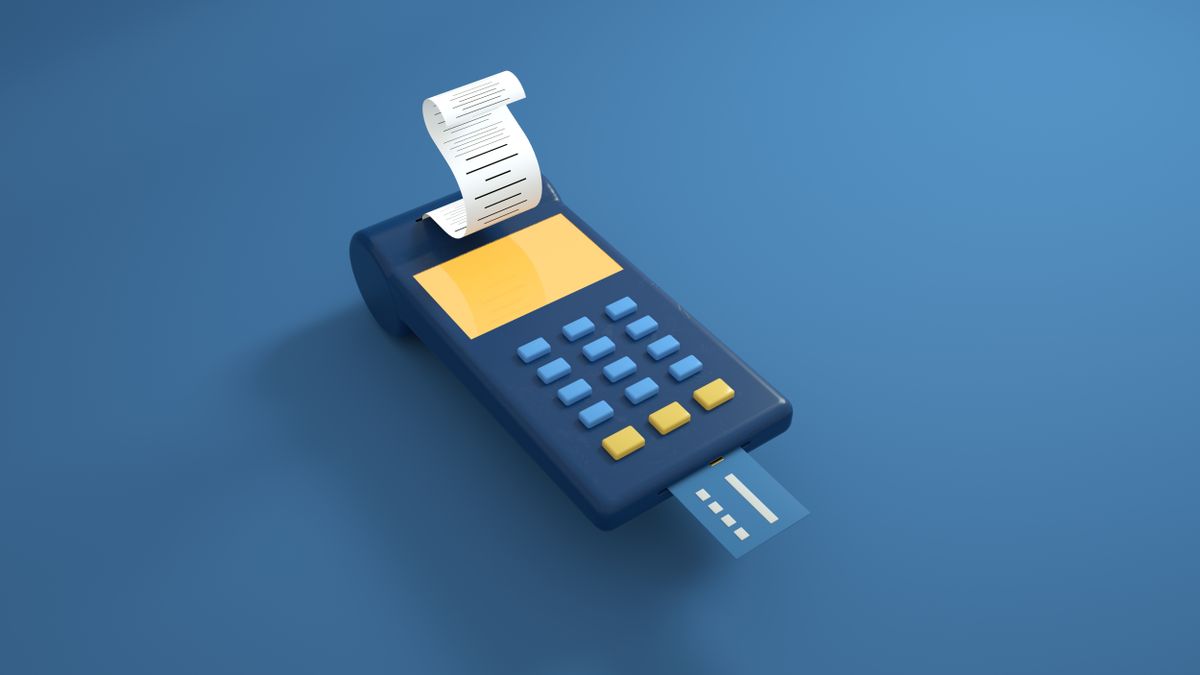
Start with the basics.
Start with the transaction status, not the assumption that money was taken twice.
Understand what a duplicate entry can mean
Two similar entries do not always represent two completed payments.
One may be a temporary authorisation, while another reflects the final transaction.
A card authorisation checks whether a payment can proceed.
It can appear in an account before the merchant completes the transaction.
A completed charge is a transaction the merchant has submitted for payment.
Your account may label it posted, completed, or use different wording.
Descriptions and status labels vary between banks and card issuers.
Read the details shown by your own provider rather than relying on another person’s screen.
Two entries can also relate to separate purchases.
Compare the amounts, dates, merchant names, and your own receipts before treating them as duplicates.
A merchant name on your statement may differ from its shop name.
Payment processors or parent businesses can appear instead of the sign displayed at checkout.
A matching amount is a useful clue, but not proof by itself.
Consider whether you made more than one purchase from that merchant.
Some merchants may submit a corrected final amount after an initial authorisation.
Check the transaction status and ask the merchant what each entry represents.
Do not assume a pending entry will disappear by a particular time.
Processing and release practices can differ across issuers, merchants, and transactions.
Likewise, do not treat a pending entry as harmless without checking.
If it remains unclear, ask your issuer how it affects your account.
Check your records before contacting anyone
Open the relevant account through your bank or card issuer’s usual channel.
Confirm the card, merchant description, transaction amount, date, and status.
Compare the entries with receipts, order confirmations, invoices, or booking details.
Look for different goods, services, taxes, tips, or separate checkout attempts.
Check whether another cardholder with access to the account made a purchase.
Ask neutrally, without sharing full card details or security information.
Review any notification or confirmation from the merchant.
An order number or payment reference can help connect a statement entry with a purchase.
Keep the original records in their existing form.
Save relevant receipts and account screenshots securely, with unrelated personal information out of view.
Write down which entry appears pending and which appears completed.
This distinction helps you describe the issue clearly during a conversation.
Note what you expected to pay and why.
A concise explanation is more useful than an unsupported conclusion about how the error happened.
Check that the entries belong to the same card account.
Similar purchases across separate accounts require separate checks and communications.
Do not post transaction screenshots publicly.
They may reveal private account information even when some details appear covered.
If the merchant description is unfamiliar, search your own purchase records first.
Avoid using contact details from suspicious messages about the charge.
Contact the merchant with a clear request
When you recognise the purchase, contact the merchant through its official website, receipt, or established customer service channel.
Explain that your account shows two entries you believe relate to one purchase.
Ask the merchant to identify each entry and its status.
Provide the purchase date, amount, order reference. Only the card details the merchant reasonably requests.
Never disclose your PIN or one-time security code.
Ask whether both entries were submitted as completed charges.
The merchant may be able to explain an authorisation, adjustment, or separate transaction.
If the merchant confirms a duplicate completed payment, request its stated correction process.
Ask whether it will reverse a charge or issue another remedy.
Request a reference number or written confirmation of the conversation.
Record the date, channel, and the representative’s explanation if available.
Stay factual and specific.
You are asking for an account review, not making claims about intent or assigning blame.
If the merchant cannot locate the payment, give the transaction description shown by your issuer.
A processor’s name may help its staff investigate.
Ask when and how the merchant expects to update you.
Treat any stated timing as the merchant’s estimate, not a guaranteed completion date.
If the merchant says one entry is only an authorisation, ask what evidence supports that explanation.
Then confirm the status with your card issuer.
A merchant’s reply does not replace checking your account.
Look for an actual update before considering the issue resolved.
When and how to contact your card issuer
Contact the issuer if both entries appear completed, the merchant cannot resolve them, or you cannot identify a transaction.
Use the telephone number on your card or the issuer’s official app or website.
These channels reduce the risk of reaching an impersonator.
Explain what you checked and what the merchant said.
Clearly distinguish a suspected duplicate from a transaction you do not recognise.
Ask whether the issuer sees both entries as pending or completed.
Its view may clarify what type of follow-up is available.
Ask how to raise a formal dispute if the entries are duplicate completed charges.
The issuer can explain its own process and requirements.
Procedures can depend on the card product, transaction, issuer, and applicable rules.
Do not assume a process is identical across countries or providers.
Ask what documents the issuer needs and how to submit them securely.
Keep copies of everything you provide.
Confirm whether the issuer wants you to contact the merchant first.
Follow the instructions given for your particular account and transaction.
Ask how the disputed amount may affect your balance while the review continues.
Do not assume a dispute automatically changes payment obligations.
Ask how the issuer will communicate its decision.
Make sure your contact details and preferred notification channel are current.
If the card issuer identifies a transaction you do not recognise, say so directly.
Ask about securing the card and reviewing other activity.
Do not share your PIN, password, or verification code with someone who contacts you unexpectedly.
Contact the issuer yourself through a trusted channel.
Keep a useful record of the case
Create a simple record with the transaction details, dates of contact. Names or departments provided.
Add case references when the merchant or issuer supplies them.
Record what each party said, separating confirmed information from your own interpretation.
This makes later explanations clearer and reduces confusion.
Keep messages, receipts, and relevant statements together in a secure location.
Avoid altering files that may help establish what happened.
After a phone call, write a short account while the conversation remains clear.
Note any requested action and the channel for follow-up.
If you submit a form, save a copy of the submitted information.
Keep any confirmation that shows the issuer received it.
Share only information relevant to the transaction.
Redacting unrelated account activity can help protect your privacy when permitted.
Use a consistent description of the issue in later messages.
Changing between “pending,” “posted,” and “reversed” can obscure what you mean.
Ask for clarification whenever a response uses unfamiliar payment terms.
Understanding the label matters before deciding whether the issue remains open.
Follow up without confusing the issue
Follow the merchant’s or issuer’s stated instructions for checking progress.
Keep the case reference available when you make contact.
If you receive no response within the period they gave, ask for a status update.
Do not infer a decision from silence.
If the first contact cannot help, ask which team handles payment corrections or card disputes.
Request a transfer or the appropriate contact method.
When communicating in writing, include the case reference and a brief description.
Attach requested records through the provider’s approved channel.
Do not send repeated messages with inconsistent amounts or explanations.
Correct an error explicitly if you discover that earlier details were wrong.
If an entry changes status, update your record and ask what the change means.
A changed label alone may not explain the final outcome.
When the merchant and issuer give different explanations, tell each party what the other reported.
Ask them to identify the remaining question.
Keep paying attention to account activity while the matter is reviewed.
Report any separate transaction you cannot identify through the issuer’s process.
If the issuer declines a dispute, ask for the reason and any available review route.
Follow its directions and retain the written explanation.
Where the issue remains unresolved, ask the issuer how to find its formal complaint channel.
Any external options depend on your location and provider.
What to do now
Open the account and identify whether each matching entry is pending or completed.
Compare the entries with your receipts, order details, and other purchase records.
Ask other authorised cardholders whether they made a separate purchase with the merchant.
Contact the merchant through an official channel and request an explanation of both entries.
Record the merchant’s answer, any case reference, and any action it says it will take.
Contact your issuer if both entries appear completed, remain unclear, or involve an unrecognised purchase.
Ask the issuer about its dispute process, required evidence, and instructions for your account.
Keep relevant records secure and check for an actual account update before closing your notes.
Prevent confusion during future purchases
Review the payment confirmation before leaving checkout or closing an online order.
Check that the displayed total matches the purchase you intended.
If a terminal appears to stall, ask the merchant whether payment succeeded before trying again.
A second attempt may create another transaction to investigate.
For online orders, wait for a confirmation screen or message when available.
If the result is unclear, check the merchant’s order history before resubmitting.
Save receipts for purchases where a payment problem occurs.
A clear record can make later questions easier to answer.
Use account alerts if your issuer offers them and you find them useful.
Alerts can help you notice entries, but they do not establish final status.
Check account activity through the issuer’s own service.
Avoid clicking unexpected links that claim to explain a payment problem.
Before handing a card to someone else, agree who will check the receipt.
Clear responsibility can reduce accidental repeat attempts.
These habits cannot guarantee that payment errors will never happen.
They can help you recognise and explain a confusing transaction.
Conclusion
The most useful question is not simply whether two entries look alike.
It is what each entry represents, who can verify it. What record supports that explanation.
Featured photo by crazy motions on Pexels.
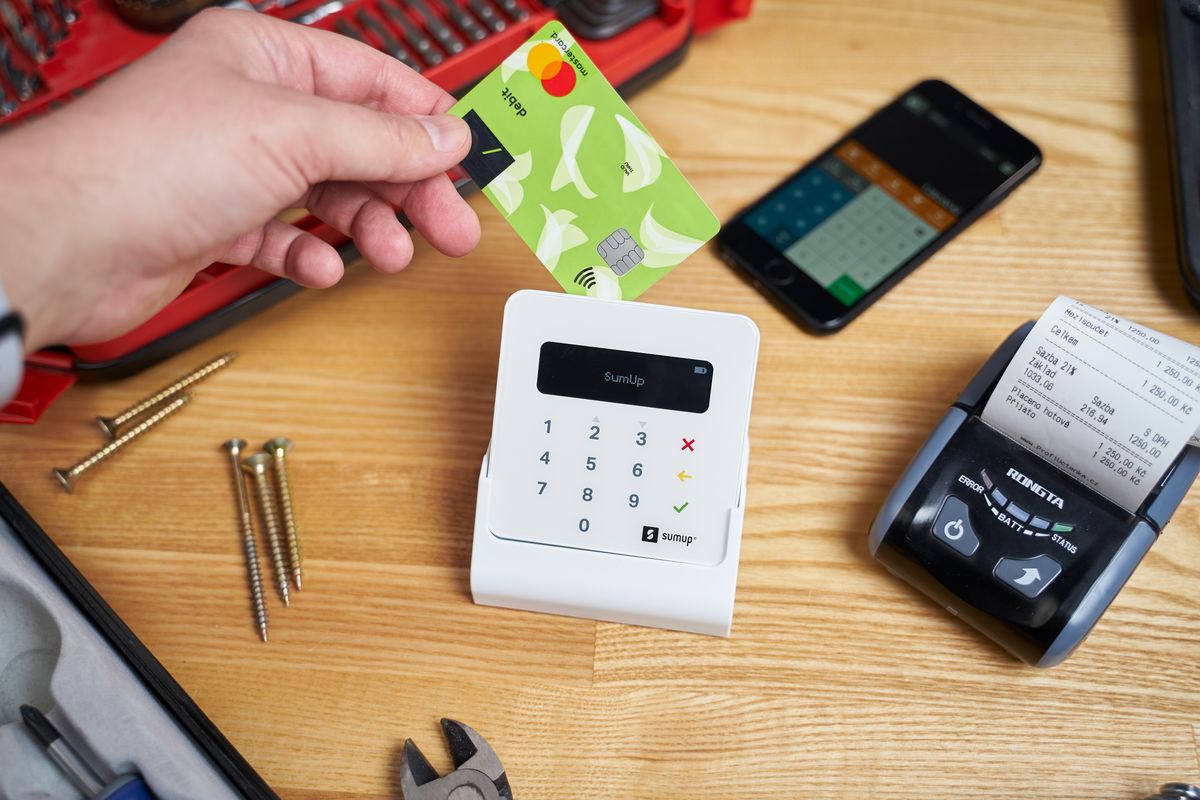
Photo by Hook Tell on Pexels.
 Article
 Article
 Article
 Article
 Article
 Article
 Article
 Article