
Make every social interaction serve a clear business purpose.
What social media can contribute to growth
Social media creates opportunities for businesses to explain offers and communicate with interested people.
It can introduce products, clarify services, and help customers understand possible next steps.
Business growth is not simply attention without direction.
It means using relevant communication to support useful business outcomes.
Those outcomes differ according to what a business offers and whom it serves.
A business may seek relevant enquiries, stronger relationships, or clearer awareness.
Each objective requires suitable content and useful ways to assess progress.
A large following does not automatically produce commercial value.
Followers may have limited interest in an offer or ability to act.
A smaller, relevant audience can still offer meaningful conversations and feedback.
Social media cannot fix an unclear offer or unreliable service by itself.
Communication can make strengths easier to discover.
It can also expose confusing explanations and unmet expectations.
Consider each channel within the wider customer journey, not as the whole business.
Start with a business objective
Choose an objective that connects social activity with a business outcome.
Make the intended outcome clear enough to guide daily communication.
A service provider might seek relevant consultation requests, rather than more reactions.
A product business might explain how an item works before customers decide.
These hypothetical choices illustrate direction, not guaranteed results.
Describe the people your business hopes to serve and the problem addressed.
This description gives each post a useful purpose.
Then identify a reasonable next step for readers.
That step could be asking a question or visiting an information page.
Match the invitation to the reader’s familiarity with your business.
A first encounter may call for explanation, not an immediate purchase request.
Distinguish business objectives from platform activity measures.
Reactions describe interactions, but do not necessarily show commercial value.
Connect each objective with observable evidence, such as relevant enquiries.
Consider whether your business can respond when interest increases.
Promotion without follow-through may frustrate people seeking information.
Choose channels with care
Social platforms differ in formats, communities, and communication habits.
Their usefulness depends on your audience and business purpose.
Learn where intended customers already seek information or discuss related needs.
Do not select a platform only because it seems popular.
A channel matters when its audience and format suit your communication.
Consider the resources required to participate consistently.
Video, written updates, images, and conversations require different preparation.
Begin with a manageable presence before expanding to more channels.
Maintaining a few relevant channels may be more practical than neglecting many.
Review platform formats and requirements before committing substantial time.
Ask whether customers can understand your offer through that channel.
Consider whether they can ask questions and find a useful next step.
Some businesses may communicate effectively through visual demonstrations.
Others may explain more clearly through writing or discussion.
Choose according to the offer, customer needs, and available skills.
A channel is a communication tool, not a replacement for audience understanding.
Understand customers before publishing
Audience understanding begins by listening carefully.
Notice the questions, concerns, and language people use about relevant problems.
Use genuine customer conversations to discover what needs explanation.
Do not assume every reader begins with the same knowledge.
Consider what prospective customers need before trusting an unfamiliar business.
They may need clear information about the offer, process, limits, or support.
Existing customers may need practical guidance or help using their purchase.
These audiences have different needs and deserve relevant communication.
Content becomes more useful when it addresses a specific situation.
Avoid describing customers only through broad labels.
Focus on the questions and decisions connected to your offer.
Respect privacy when learning from customer feedback.
Do not share identifiable details without appropriate permission.
Notice which explanations lead to repeated follow-up questions.
Confusion can show where your information needs improvement.
Audience insight should improve relevance, not become pressure to buy.
Create content that earns attention
Useful content helps people understand problems, compare choices, or use an offer.
Explain honestly what your business provides and whom it may suit.
Show how a process works when that helps customers decide.
Answer recurring questions with plain, direct language.
Clear answers can reduce uncertainty without promising uncontrolled outcomes.
Share practical guidance grounded in your business’s real knowledge.
Avoid presenting general opinions as proven facts.
Use examples only when accurate and suitable to share.
Clearly label hypothetical examples as hypothetical.
Explain relevant limitations alongside benefits.
This helps people judge whether an offer fits their circumstances.
Make each post understandable on its own.
Readers may encounter it without seeing earlier messages.
Use a clear next step when one would help.
Invite a question, offer a contact route, or provide further information.
Do not turn every post into a sales pitch.
Excessive promotion can crowd out useful customer information.
Balance explanations, support, updates, and direct offers around audience needs.
Check that wording and images accurately represent your product or service.
Build a manageable publishing routine
A routine helps a business publish deliberately instead of reacting constantly.
Choose a realistic pace that reflects staff, time, skills, and effort.
Consistency means dependable communication, not constant posting.
A sustainable routine leaves time for other business responsibilities.
Plan themes around customer questions, service processes, and relevant updates.
A content plan can identify each post’s purpose and intended audience.
Prepare material in advance when practical.
Leave room to respond to timely customer needs.
Assign responsibility for drafting, checking, publishing, and replies.
Clear ownership helps prevent unanswered messages.
Review content for accuracy, tone, privacy, and useful next steps.
Use a consistent voice that reflects the business and respects readers.
Do not copy another business’s style without considering customer fit.
When capacity is limited, prioritize clear answers over elaborate production.
Turn engagement into customer relationships
Engagement is useful when it helps a business understand and assist people.
Answer genuine questions with direct, relevant information.
If an answer needs private details, offer an appropriate private contact route.
Do not request sensitive information in public comments.
Protecting customer privacy is part of responsible communication.
Respond calmly when customers raise criticism.
Acknowledge concerns, clarify what can be addressed, and protect private matters.
Not every disagreement needs an extended public exchange.
Set reasonable boundaries and follow the business’s support process.
Make replies consistent with the service your business can provide.
A wider misunderstanding may deserve a public explanation for other readers.
Never use a customer’s situation for promotion without suitable permission.
Engagement does not necessarily indicate agreement or purchase intent.
Treat interactions as information, not promises.
Reliable replies clarify next steps, while the business still needs to deliver.
Connect social activity to a customer pathway
A post should lead naturally to information that supports a customer decision.
Check that the destination matches the message.
A service post should not direct readers to unrelated information.
Make contact details, offer descriptions, and relevant conditions easy to understand.
Reduce avoidable friction in the customer’s next step.
If readers must guess what to do, the communication may be incomplete.
Consider what people need to know before contacting your business.
Provide enough context to make an enquiry useful.
Keep the handoff between social channels and customer support clear.
Decide who handles questions and how the business follows them up.
Assess whether social enquiries are relevant and serviceable.
Some conversations will not become sales.
They may still reveal concerns, useful language, or service gaps.
Judge a channel by its contribution to your chosen objective.
Attention alone cannot explain whether business priorities are being served.
Growth depends on the full experience, from communication through delivery and care.
Measure progress without chasing vanity metrics
Measurement helps businesses decide what to continue, change, or stop.
Start with the objective and choose related evidence.
For useful enquiries, examine relevance and quality, not reactions alone.
For clearer customer understanding, review repeated questions and explanatory gaps.
Platform measures can provide clues, but rarely explain business results alone.
Interpret changes carefully.
A post’s response may reflect its topic, timing, audience, or clarity.
One successful post does not prove a lasting strategy.
Look for useful learning that can guide future decisions.
Record what you published, its purpose, and the response that mattered.
Use observations to improve later communication.
Measurement is useful when it informs a practical decision.
Avoid collecting information nobody uses.
Simple tracking can be more practical than complicated reporting.
Respect privacy and platform rules when handling customer information.
Protect trust, time, and resources
Social activity uses resources even when an account costs nothing.
Staff attention and follow-up time still have value.
Estimate the work before adopting demanding formats or additional channels.
Compare the effort with the business objective.
If the connection is unclear, consider a simpler approach.
Set boundaries for checking messages and protecting other responsibilities.
Be careful with claims, testimonials, and customer details.
Accuracy and permission support trustworthy communication.
Do not promise results controlled by customer circumstances or outside factors.
Explain prices, terms, and limits accurately when relevant.
Organize account access and publishing responsibilities within the business.
Limit unnecessary access to customer conversations.
Review platform settings and applicable requirements before collecting information.
If a post confuses readers, correct it plainly.
Update the underlying information when needed.
Trust depends on honest communication and dependable delivery, not presentation alone.
What to do now
Write down the business outcome social media should support.
Describe the customers whose needs connect closely to that outcome.
Review relevant channels and choose a manageable place to communicate.
List recurring questions and select topics that answer them honestly.
Choose a publishing routine that fits available skills and responsibilities.
Assign responsibility for checking content and answering messages.
Ensure each post leads to relevant information or appropriate support.
Select evidence directly connected to your business objective.
Review results for learning and adjust communication where useful.
Check whether the business can deliver what its messages promise.
Conclusion
Social media works best when communication and delivery reinforce each other.
A thoughtful presence also creates a useful record of questions customers keep asking.
Those questions can reveal where the business’s explanations, services, or customer pathways need attention.
Featured photo by Arina Krasnikova on Pexels.
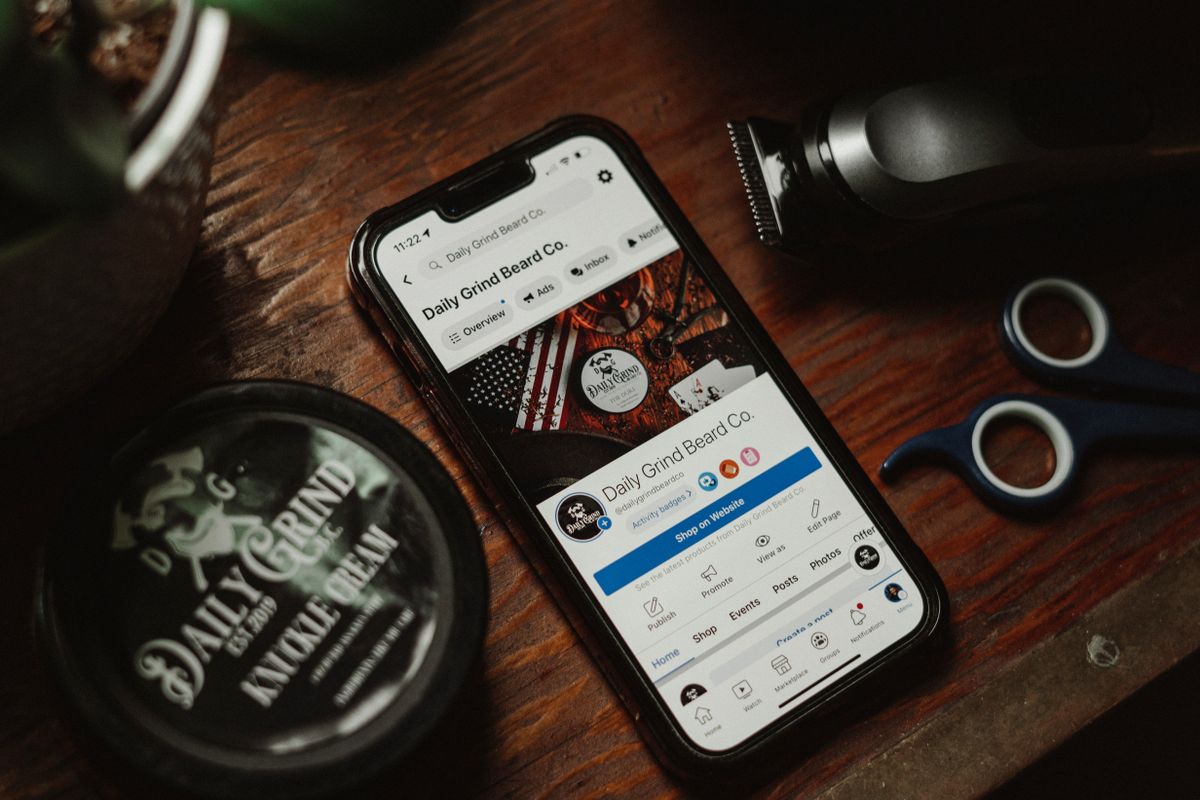
Photo by Lance Reis on Pexels.
 Article
 Article
 Article
 Article
 Article
 Article
 Article
 Article