Small financial mistakes rarely look dangerous in the moment. They appear as “just one purchase,” “just this month,” or “I’ll fix it later.” But over time, these small leaks compound into a major financial hole—stealing savings, delaying investment growth, and increasing stress.
Wealthy people are not wealthy because they are lucky. They are wealthy because they are disciplined enough to spot traps early and decisive enough to cut them off. They protect cash flow, think long-term, and refuse to let emotions run their financial decisions.
Below are seven money mistakes wealthy people consistently avoid, and the practical systems you can use to avoid them too.
Mistake #1: Freezing Money Instead of Making It Work
Keeping money idle feels safe because it is simple. You can open your banking app and feel secure seeing a balance. But “still money” is not neutral money.
Idle cash quietly loses value because of inflation. Even if the number stays the same, what it can buy keeps shrinking—food, transport, rent, and basic living costs rise over time.
What wealthy people do instead
Practical fix
-
Build an emergency fund first (see Mistake #7).
-
Clear high-interest consumer debt.
-
Start investing automatically (even small amounts).
-
Diversify instead of betting on one “hot idea.”
Mindset shift: Cash is not a trophy. It is a seed. Seeds must be planted to grow.
Mistake #2: Relying on a Single Income Source
One income stream feels stable until it isn’t. A job change, health issue, business slowdown, or market shift can break that “stability” overnight.
If your rent, food, family needs, and goals all depend on one pipeline, you are not secure—you are exposed.
What wealthy people do instead
They build a “table,” not a “single pillar”:
-
A primary income stream (job or main business)
-
A second stream to reduce dependence (side hustle, freelancing, commissions)
-
A third stream that compounds (investments, dividends, rentals, digital products)
Practical fix (start simple)
-
Choose one path: skill income, product income, or investment income
-
Block two focused sessions per week to build it
-
Set a small first goal: first client, first sale, or first consistent investment
Key rule: One stream is risk. Multiple streams are resilience.
Mistake #3: Saving Only at the End of the Month
Saving “what is left” is one of the most common self-sabotage patterns. Because in most months—nothing is left.
Expenses expand to fill available income. When saving is optional, spending becomes automatic.
What wealthy people do instead
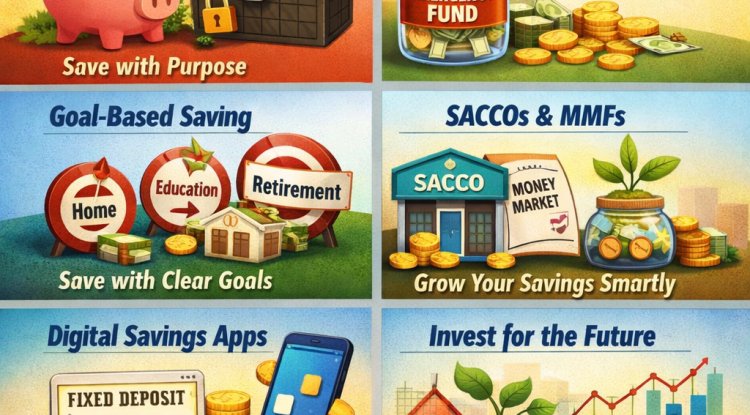
They pay themselves first. Saving and investing happen immediately when income arrives—not later.
Practical fix
-
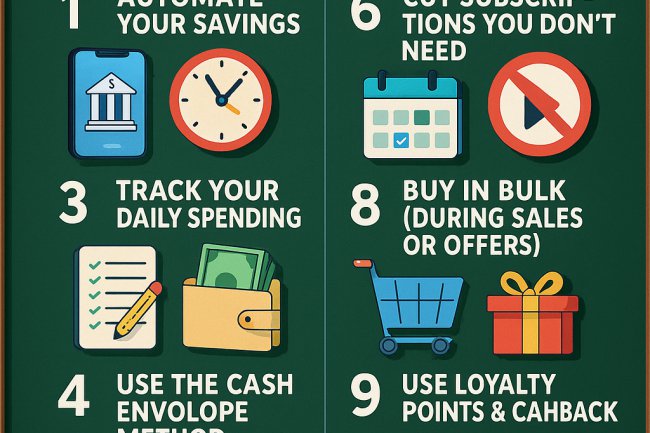
Automate a transfer on payday (same day money hits your account)
-
Start with a sustainable percentage: 3%, 5%, 10%
-
Separate your money into roles:
Identity benefit: When you save first, you start seeing yourself as “someone who builds wealth,” and behavior follows.
Mistake #4: Lifestyle Inflation (Living Above Your Means)
Lifestyle inflation is dangerous because it often looks like success. You get a raise or a good month, then upgrade everything—rent, car, gadgets, weekends.
But if spending rises with income, your freedom does not increase. You just make your life more expensive and fragile.
What wealthy people do instead
When income increases, they assign the extra money in a specific order:
-
Increase investments
-
Reduce debt
-
Strengthen reserves
-
Upgrade lifestyle slowly (only after the above)
Practical fix
-
Set a spending ceiling: a maximum monthly lifestyle cost you refuse to cross
-
Delay big upgrades until assets can comfortably support them
-
Ask one question before upgrading:
Will this purchase make me more free, or less free?
Important distinction: Looking rich is loud. Being rich is quiet.
Mistake #5: Buying From Emotion, Not Need
Many people don’t overspend because they lack math. They overspend because they buy feelings:
-
relief from stress
-
excitement to escape boredom
-
status to reduce insecurity
-
belonging to avoid social pressure
The item is just the wrapper. The real purchase is the mood.
What wealthy people do instead
They use systems that reduce impulsive decisions:
Practical fix: 3-question filter
Before a non-essential purchase, ask:
-
Am I buying a need or a feeling?
-
Will I care about this in one year?
-
What goal am I delaying if I buy this?
If the answers feel uncomfortable, pause. That discomfort is often the truth protecting you.
Mistake #6: Unclear or Non-Existent Budget
Without a budget, money goes everywhere. Then you end the month confused—working hard but making no progress.
A budget is not a cage. It is a steering wheel.
What wealthy people do instead
They track and review numbers regularly because they respect money enough to look at it clearly.
Practical fix (simple system)
-
Write down monthly net income (real number)
-
List fixed essentials (rent, bills, transport)
-
Treat saving/investing like a bill
-
Assign the rest (food, personal, fun)
-
Track daily spending for 30 days
-
Review and adjust monthly
Rule: You cannot improve what you do not measure.
Mistake #7: No Emergency Fund
An emergency fund is the line between:
Without it, one surprise can force you into expensive debt, missed payments, or panic-selling investments.
What wealthy people do instead
They build reserves not because they are scared, but because they are strategic. Stability is the soil where compounding grows.
Practical fix
-
Target: 3–6 months of essential expenses
-
Keep it safe and accessible (not in risky assets)
-
Automate monthly contributions (even small)
-
Protect it: use it only for true emergencies
Hidden benefit: A solid emergency fund reduces fear, improves decision-making, and prevents desperate money choices.
The Bottom Line
Wealthy people avoid these mistakes because they understand one truth:
Wealth is less about income and more about systems.
If you want to start this week, choose just one system:
-
automate saving on payday,
-
build a second income stream,
-
create a basic budget,
-
or commit to an emergency fund target.
Small systems, consistently applied, build financial resilience—and resilience is where wealth begins.