
The Premium Reset: How to Lower Your Insurance Costs Without Weakening Your Safety Net
Insurance premiums are one of the most frustrating expenses in a household budget because they feel both necessary and unrewarding. You pay every month, every quarter, or every year, often hoping nothing happens. When premiums rise, the increase can feel like a penalty for being responsible. The car is the same car. The house is the same house. The family is the same family. Yet the bill is higher.
That frustration is understandable. Insurance costs can rise because of factors you control, such as driving record, claims history, coverage choices, deductibles, credit-based insurance scores where allowed, home maintenance, mileage, and lifestyle risk. They can also rise because of factors you do not control, such as medical inflation, vehicle repair costs, litigation trends, weather losses, local crime, rebuilding costs, insurer losses, state regulation, and broader market conditions.
The goal is not simply to pay the lowest possible premium. The goal is to pay the lowest reasonable premium for the protection you actually need. Cheap insurance can become expensive when a claim is denied, a deductible is unaffordable, a limit is too low, or a major risk is excluded. Good insurance planning reduces waste without hollowing out the safety net.
The National Association of Insurance Commissioners advises consumers looking to save on auto insurance to review coverage and deductibles, noting that raising deductibles on collision and comprehensive coverage may reduce costs but should only be done if the consumer can absorb the larger loss after an accident. That principle applies far beyond auto insurance. A lower premium is only a victory if the household can still survive the loss the policy is meant to protect.
Insurance should be reviewed like any other major financial expense. Not casually. Not once a decade. Not only after a premium shock. A household that shops, compares, documents discounts, manages deductibles, reduces risk, and removes duplicate coverage can often lower premiums without becoming underinsured.
The premium reset begins with a disciplined question: what am I paying for, what risk am I keeping, and what risk am I transferring?
Understand Why Premiums Rise
Before cutting insurance costs, it helps to understand why premiums rise. Insurance is priced around risk. The insurer estimates how likely a claim is, how large that claim may be, and how much it costs to administer and protect against that risk. Premiums rise when the insurer believes the risk is higher or the cost of claims has increased.
Auto premiums may rise because vehicle repairs are more expensive, medical claims are higher, accidents are more severe, theft increases, or a driver’s record changes. Modern vehicles can be costly to repair because sensors, cameras, advanced driver-assistance systems, batteries, and specialized parts can make even moderate damage expensive.
Homeowners premiums may rise because rebuilding costs increase, storms become more expensive, wildfire or flood risk changes, insurers pay more claims in the region, or the home’s replacement cost estimate is updated. A home’s market value and rebuilding cost are not the same. A house may be worth one amount on the real estate market but cost much more or less to rebuild after a fire.
Health insurance premiums are affected by medical costs, prescription drug costs, provider contracts, plan design, age-rating rules, subsidies, employer contributions, location, and expected enrollee claims. HealthCare.gov reminds consumers that total health care costs include both the premium and out-of-pocket costs such as deductibles, copayments, and coinsurance.
Life and disability premiums may rise with age, health conditions, occupation, benefit design, and policy type. Long-term care insurance premiums may be affected by age, health, benefit period, inflation protection, and insurer assumptions about future care costs.
Some increases are personal. Some are market-wide. The strategy differs. If the increase is personal, behavior and risk reduction may help. If the increase is market-wide, shopping and policy design become more important.
Start with a Policy Inventory
You cannot lower premiums intelligently if you do not know what you own. Begin with an insurance inventory. List every policy: health, auto, homeowners, renters, life, disability, umbrella, long-term care, business, pet, travel, valuable items, flood, earthquake, identity theft, or any specialty policy.
For each policy, record the insurer, policy number, renewal date, premium, deductible, coverage limits, riders, exclusions, discounts, beneficiaries where relevant, and whether the premium is paid monthly, annually, or through payroll. This exercise often reveals forgotten policies, duplicate coverage, unnecessary riders, or policies that no longer match life circumstances.
Then ask what each policy is supposed to do. Health insurance protects against medical cost shock. Auto insurance protects against vehicle loss and liability. Homeowners insurance protects property and personal liability. Life insurance protects dependents. Disability insurance protects income. Umbrella insurance protects against large liability claims. Each policy should have a clear job.
Premium cutting becomes dangerous when policies are reduced without knowing their purpose. A person may drop coverage that looks expensive but protects against a catastrophic loss. Another person may keep a policy that no longer serves a real need. The inventory helps separate essential protection from financial clutter.
Shop Around, but Compare Identical Coverage
Shopping is one of the most effective ways to reduce premiums, especially for auto, homeowners, renters, and some life insurance. Insurers price risk differently. The company that was cheapest five years ago may not be cheapest today. A renewal notice is not a verdict. It is an offer.
When comparing quotes, use the same coverage limits, deductibles, endorsements, riders, and household information. A lower quote may not be cheaper if it comes with weaker coverage. An auto quote with lower liability limits is not equivalent to your current policy. A homeowners quote that excludes replacement cost coverage is not equivalent to one that includes it. A health plan with a narrow network is not the same as one that includes your doctors.
The Insurance Information Institute recommends shopping around as one of its primary ways to lower auto insurance costs, while also advising consumers to compare insurance costs before buying a vehicle and review deductibles carefully. The same discipline applies across insurance lines: compare, but compare fairly.
Use multiple channels. Get quotes from direct insurers, independent agents, captive agents, employer or association programs, and online comparison tools. Independent agents may access several insurers, while captive agents represent one company. Neither model is automatically better; the goal is to see enough options.
Shop before renewal, not after the premium is due. Give yourself time to review documents, confirm coverage, and avoid gaps. Never cancel an old policy until the new one is active and confirmed.
Raise Deductibles Carefully
Raising deductibles is one of the fastest ways to lower premiums. A deductible is the amount you pay before insurance pays for a covered loss. When you accept a higher deductible, you keep more of the small-loss risk yourself. The insurer may charge less because it is less likely to pay smaller claims.
For auto insurance, the NAIC explains that comprehensive and collision coverages require selecting a deductible and that, generally, a higher deductible lowers the policy premium. For homeowners insurance, the NAIC similarly notes that deductibles lower policy premium cost because the policyholder bears the first dollars of the loss up to the amount they can afford.
The phrase “can afford” is the key. A higher deductible is not savings if it forces you into credit card debt after a claim. The deductible should be held in emergency savings or a specific insurance deductible fund. If your auto deductible is $1,000 and your homeowners deductible is $2,500, your cash reserve should reflect that.
Deductible decisions should also reflect claim frequency. If you file small claims often, premiums may rise or coverage may become harder to obtain. A higher deductible can discourage small claims and reserve insurance for larger losses. But the deductible should never be so high that the policy becomes unusable.
The best deductible is the highest amount you can comfortably absorb without destabilizing the household.
Use Discounts Aggressively
Insurance discounts are not always automatic. Some require documentation, enrollment, updated information, or a conversation with the insurer. A household can overpay for years because no one asked the right questions.
Auto discounts may be available for safe driving, defensive driving courses, low mileage, good students, telematics or usage-based programs, anti-theft devices, automatic payments, paperless billing, multiple vehicles, bundling, military service, professional associations, driver training, or accident-free history. Homeowners discounts may be available for bundling, security systems, smoke alarms, fire alarms, monitored alarms, impact-resistant roofing, wind mitigation, new roofs, updated plumbing, updated electrical systems, loyalty, claim-free history, or higher deductibles.
Health insurance savings may come through employer wellness incentives, premium tax credits, cost-sharing reductions, health savings account contributions, or plan selection during open enrollment. HealthCare.gov explains that eligible Marketplace enrollees may qualify for cost-sharing reductions that lower deductibles and other out-of-pocket costs, but these savings are available only with Silver plans.
Life insurance premiums may be lower for people who buy younger, maintain good health, avoid tobacco, choose term rather than permanent coverage for temporary needs, and compare medically underwritten policies. Disability insurance discounts may be available through professional associations or employer groups.
Create a discount checklist before renewal. Ask the insurer or agent to review every available discount. Provide updated information if your commute changed, your teen driver’s grades improved, your roof was replaced, you installed a security system, you stopped smoking, or you retired and drive less.
Discounts are not charity. They are pricing adjustments for lower risk or preferred customer behavior. Claim them.
Bundle Policies, but Do Not Bundle Blindly
Bundling means buying multiple policies from the same insurer, such as auto and homeowners or auto and renters insurance. Bundling can lower premiums and simplify billing. The NAIC notes that buying homeowners and auto policies from the same insurer may qualify consumers for a discount.
Bundling is useful, but it should not end comparison shopping. Sometimes the bundled discount looks attractive, but separate policies from different insurers are still cheaper or offer better coverage. One company may be excellent for auto but expensive for homeowners. Another may price homeowners well but not auto. The bundle should win on total value, not on the presence of a discount label.
Compare three numbers: the current bundled cost, the best available bundled cost from another insurer, and the best separate-policy cost from different insurers. Also compare coverage quality, claim reputation, deductibles, endorsements, and exclusions.
Bundling can also create inertia. People keep all policies with one insurer for convenience and stop shopping. That convenience can become costly over time. Review bundled policies at least every couple of years, and after major life changes.
The right bundle lowers cost without locking the household into mediocre coverage.
Improve the Risk You Present
Insurance premiums are partly a reflection of risk. Lowering actual risk can lower premiums, reduce claims, and protect the household even if the premium savings are modest.
For auto insurance, maintain a clean driving record. Avoid speeding, distracted driving, impaired driving, and at-fault accidents. Consider defensive driving courses if they qualify for discounts. Reduce mileage if possible. Use telematics programs only if you are comfortable with data collection and believe your driving habits will help rather than hurt pricing.
For homeowners insurance, improve risk through maintenance and mitigation. Replace aging roofs when needed. Repair leaks quickly. Install smoke detectors, carbon monoxide detectors, fire extinguishers, monitored alarms, deadbolts, water leak sensors, sump pumps, storm shutters, or wind-resistant features where appropriate. Remove dead trees. Maintain plumbing, electrical, and heating systems. In wildfire areas, create defensible space and use fire-resistant materials when possible.
For health and life insurance, risk improvement may include stopping tobacco use, managing chronic conditions, maintaining a healthy weight, controlling blood pressure, treating sleep apnea, reducing alcohol risk, and completing preventive care. Health changes do not always reduce current premiums immediately, especially for policies already issued, but they can affect future underwriting, employer incentives, and long-term financial risk.
Risk reduction is not only a premium strategy. It is a wealth protection strategy. The best claim is often the one that never happens.
Review Coverage on Older Vehicles
Older vehicles create a specific auto insurance question: should you keep collision and comprehensive coverage? Collision helps pay for damage to your own car after a crash. Comprehensive helps pay for theft, vandalism, fire, hail, and other non-collision damage. These coverages may be required if the vehicle is financed or leased. If you own the car outright, they may be optional.
The Insurance Information Institute suggests considering reduced coverage on older vehicles as one way to lower auto insurance costs. The logic is that if the car’s value is low, the annual cost of collision and comprehensive coverage may not justify the maximum payout after deductible.
Use simple math. Estimate the car’s actual cash value. Subtract the deductible. Compare that potential payout with the annual premium for collision and comprehensive. If the premium is a large percentage of the realistic payout, dropping one or both coverages may make sense.
But do not drop coverage automatically. If losing the car would prevent you from working, caring for family, or maintaining income, the financial impact may exceed the car’s market value. A low-value car can still be essential. If you cannot afford to repair or replace it, keeping coverage may be prudent.
The right decision depends on car value, premium cost, deductible, emergency savings, transportation alternatives, and the vehicle’s role in your income.
Do Not Cut Liability Limits Too Far
Reducing liability limits can lower premiums, but it can also expose the household to severe financial risk. Liability coverage protects you when you are legally responsible for injury or property damage to others. Auto liability, homeowners liability, renters liability, and umbrella coverage all matter because lawsuits can exceed ordinary expectations.
State minimum auto liability limits may be far below the cost of a serious accident. A severe injury claim can include medical bills, lost wages, rehabilitation, long-term care, pain and suffering, and legal costs. If damages exceed your policy limits, personal assets and future income may be at risk.
Homeowners and renters liability matters too. Injuries on your property, dog bites, certain accidents, or covered personal liability claims can become expensive. Lowering liability limits to save a small premium may be a poor trade if you have savings, home equity, investments, or strong future earnings.
Umbrella insurance can sometimes provide large additional liability limits at a relatively modest cost, though premiums vary by risk profile and required underlying limits. Instead of lowering liability protection, many households should consider whether their liability coverage is actually too low.
Premium reduction should target waste, duplication, and manageable deductibles first. Catastrophic liability protection should be cut only with extreme caution.
Choose the Right Health Plan During Open Enrollment
Health insurance premiums can sometimes be reduced by switching plans during open enrollment, but health plan shopping requires careful total-cost analysis. A lower premium plan may have higher deductibles, narrower networks, higher prescription costs, or higher out-of-pocket exposure.
Marketplace shoppers should check eligibility for premium tax credits and cost-sharing reductions. HealthCare.gov’s lower-cost coverage resources allow consumers to check whether they may save on monthly premiums, qualify for Medicaid or CHIP, or receive cost-sharing reductions depending on income and household information.
Employer plan shoppers should compare the employee contribution, deductible, copays, coinsurance, out-of-pocket maximum, HSA or employer contribution, provider network, and prescription coverage. A high-deductible health plan with an employer HSA contribution may be attractive for a healthy household with cash reserves. A richer plan may be better for someone expecting surgery, pregnancy, specialty medications, therapy, or chronic care.
Do not choose health coverage only by premium. Calculate three scenarios: low medical use, expected medical use, and high medical use. Include premiums and likely out-of-pocket costs. Also check the worst-case number: annual premiums plus the out-of-pocket maximum for covered in-network care.
Health insurance premiums can be lowered safely only when the new plan still protects access to doctors, prescriptions, and financial survival in a bad medical year.
Use HSAs Strategically When Appropriate
A high-deductible health plan paired with a Health Savings Account can reduce premiums for some households and create tax-advantaged savings for qualified medical expenses. This strategy can work well for people who are healthy, have predictable medical use, and can afford the deductible.
The premium savings should not disappear into ordinary spending. If you choose a high-deductible plan to lower premiums, redirect at least part of the savings into the HSA or a dedicated medical reserve. Otherwise, you have accepted higher out-of-pocket risk without building the cash to handle it.
An HSA strategy works best when the household can fund the account, keep receipts, invest long-term HSA balances if appropriate, and pay medical costs without high-interest debt. It works poorly when the deductible is unaffordable or causes people to avoid necessary care.
Lowering health premiums by increasing medical cost exposure is not automatically wise. It must fit cash flow, health needs, and risk tolerance.
Pay Annually When the Discount Is Worth It
Some insurers charge installment fees or offer discounts for paying premiums in full. Paying annually or semiannually can reduce total cost if the discount is meaningful and the household has the cash available.
This can apply to auto, homeowners, renters, life, pet, or other policies. Automatic payments and paperless billing may also offer small discounts. Small discounts are not life-changing alone, but they compound across multiple policies.
Do not drain emergency savings to pay annually. The premium discount is not worth weakening the household’s liquidity. A better approach is to create a sinking fund. Divide annual insurance premiums by 12 and save monthly. When the bill arrives, the money is ready.
Annual payment is a cash-flow strategy. It works when planned, not when improvised.
Avoid Small Claims When You Can Absorb the Loss
Insurance is designed for meaningful losses, not every inconvenience. Filing small claims can sometimes increase future premiums, reduce claim-free discounts, or affect renewal decisions. This is especially important for homeowners insurance, where multiple claims can make coverage more expensive or harder to obtain.
A higher deductible naturally discourages small claims. If a repair is only slightly above the deductible, it may be worth paying out of pocket and preserving claim history. The decision depends on claim type, amount, policy rules, and risk of hidden damage.
This does not mean hiding serious losses or failing to report required incidents. Some policies require timely notice. Liability claims, injuries, water damage, fire, theft, and structural issues may need formal reporting. When in doubt, ask about reporting obligations before deciding.
The broader principle is that emergency savings and insurance should work together. Savings handles small losses. Insurance handles losses too large to absorb comfortably.
Maintain Strong Credit Where It Affects Insurance
In many U.S. states, insurers may use credit-based insurance scores as one factor in pricing auto or homeowners insurance, though rules vary and some states restrict or prohibit the practice. Where allowed, credit history can affect premiums.
This makes credit management part of insurance cost management. Paying bills on time, reducing revolving balances, correcting credit report errors, limiting unnecessary applications, and maintaining stable credit history may help in markets where credit is used.
The goal is not only to qualify for loans. Credit can affect rent, utility deposits, borrowing costs, and sometimes insurance pricing. A strong credit profile gives the household more financial leverage.
If your credit has improved since you bought a policy, shopping again may reveal better rates. If your credit has worsened, be careful about switching policies without comparing renewal terms.
Reassess Life Insurance Type and Amount
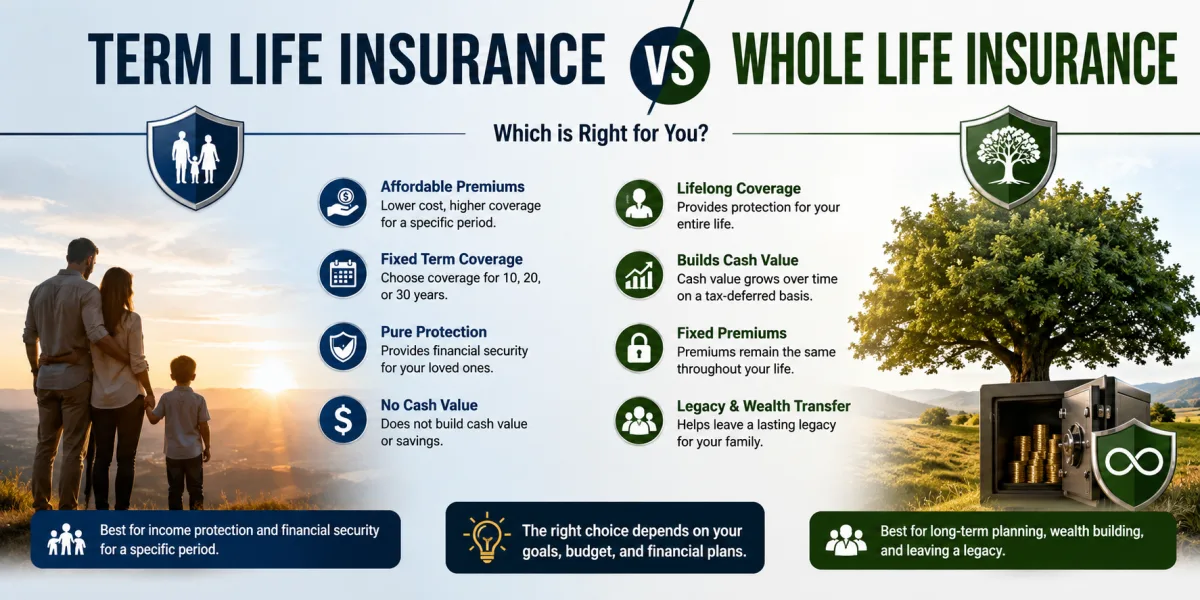
Life insurance premiums can often be reduced by matching policy type to the actual need. Term life is usually much cheaper than permanent life for the same initial death benefit because it provides coverage for a set period and generally does not build cash value. Whole life and other permanent policies cost more because they are designed for lifelong coverage and may include cash value.
If your need is temporary, such as income replacement while children are young or while a mortgage remains, term insurance may provide more coverage per premium dollar. If you currently have an expensive permanent policy and cannot afford adequate death benefit, review whether a term strategy would better protect your family.
Do not cancel a life insurance policy casually. Health changes may make replacement expensive or impossible. Surrendering permanent life insurance can have tax consequences, surrender charges, and loss of guarantees. Review alternatives before acting: reducing death benefit, using dividends, changing riders, converting, replacing carefully, or keeping part of the coverage.
Coverage amount should also be reviewed. A young family may need a large policy. Later, after children become independent, debts decline, and assets grow, the need may fall. Reducing excess coverage can lower premiums. But reducing too early can leave dependents exposed.
Life insurance savings should come from better fit, not from weakening protection people still need.
Review Disability Insurance Design
Disability insurance protects income if illness or injury prevents work. Premiums can vary based on benefit amount, waiting period, benefit period, occupation class, riders, and policy definition.
To lower premiums, you may be able to lengthen the elimination period, reduce optional riders, coordinate with employer coverage, or choose a benefit amount that fits your actual income need. But be careful. A longer waiting period requires a larger emergency fund. A weaker definition of disability may reduce the chance of receiving benefits. Removing cost-of-living adjustments may reduce protection during long claims.
Do not reduce disability coverage without understanding the trade-off. For many workers, earning power is their largest financial asset. A premium reduction that leaves income exposed can be costly.
The safest way to reduce disability premiums is to coordinate coverage intelligently, avoid duplicate benefits, and maintain enough cash reserves to support the chosen waiting period.
Rebuild Homeowners Coverage Around Replacement Cost
Homeowners premiums can be reduced through deductibles, discounts, mitigation, and shopping. But coverage should not be reduced below realistic rebuilding cost simply to lower the premium. Underinsuring the dwelling can create a disaster after a disaster.
The Insurance Information Institute advises homeowners not to confuse what they paid for a house with rebuilding costs when looking for ways to lower homeowners insurance costs. Land value, local market price, and replacement cost are different concepts. Insurance should focus on what it would cost to rebuild the structure after a covered loss.
Look for safer savings. Raise the deductible if affordable. Bundle if competitive. Install protective devices. Ask about roof, wind, fire, security, or claims-free discounts. Remove coverage for items you no longer own. Schedule valuable items accurately. Update the insurer if renovations improved wiring, plumbing, roofing, or safety systems.
Also review endorsements. Some are essential, such as sewer backup in certain homes or ordinance and law coverage in older properties. Others may be unnecessary. The goal is not to strip the policy; it is to align it with the home’s real risk.
Reduce Risk Before Buying or Moving
Some of the biggest insurance savings are decided before you buy the asset. The car you purchase affects auto premiums. The home you buy affects homeowners premiums. The location, construction, claims history, roof age, wildfire exposure, flood zone, crime rate, and distance from fire services can all matter.
The Insurance Information Institute recommends checking insurance costs before buying a new or used vehicle because premiums are based partly on vehicle price, repair cost, safety record, and theft likelihood. A car that looks affordable at the dealership may be expensive to insure for years.
Before buying a home, get insurance quotes. Ask about flood, wind, wildfire, earthquake, hail, roof age, prior claims, and replacement cost. A home with a low purchase price but high insurance risk may not be as affordable as it appears.
Insurance should be part of major purchase due diligence. Premiums are part of ownership cost.
Be Careful with Usage-Based Insurance
Usage-based auto insurance programs use driving behavior, mileage, or telematics data to price coverage. They may reward low-mileage drivers, safe drivers, people who avoid hard braking, or drivers who travel mostly at lower-risk times.
These programs can reduce premiums for some households. They may be especially useful for remote workers, retirees, people with short commutes, or drivers who use public transportation frequently. But they require comfort with data collection and program rules.
Before enrolling, ask what data is collected, whether poor driving behavior can increase premiums, how long monitoring lasts, whether location is tracked, how discounts are calculated, and whether the program affects renewal pricing.
Usage-based insurance is not automatically good or bad. It is a pricing trade. If your driving profile is genuinely low risk, it may help. If not, the discount may be smaller than expected.
Remove Duplicate and Unnecessary Coverage
Many households pay for duplicate coverage without noticing. Rental car coverage may overlap with auto insurance or credit card benefits. Travel insurance may overlap with card benefits or refundable bookings. Phone insurance may be expensive relative to replacement cost. Extended warranties may duplicate manufacturer warranties. Roadside assistance may be included through an auto insurer, credit card, car manufacturer, or membership program.
Review every add-on. Ask whether the risk is already covered, whether the limit is useful, whether exclusions make the benefit weak, and whether you could self-insure the loss. Small policies and add-ons can quietly become a premium leak.
Do not eliminate coverage just because it is small. Some endorsements are valuable. But every recurring insurance charge should justify itself.
Insurance clutter is not protection. It is cost without strategy.
Work with a Human When the Risk Is Complex
Online quotes are convenient, but complex insurance decisions may require professional help. Homeowners in high-risk areas, business owners, landlords, high-income professionals, families with special needs, people with multiple properties, and households with significant assets may benefit from an independent agent, broker, fiduciary advisor, or specialist.
The goal is not to be sold more policies. The goal is to identify gaps, compare carriers, structure deductibles, coordinate umbrella coverage, and avoid dangerous exclusions. A good professional should explain trade-offs clearly and welcome questions.
Ask how they are compensated, which insurers they represent, whether they can compare multiple carriers, and what coverage gaps they see. A premium reduction that creates an uncovered exposure is not good advice.
Complex risk deserves more than a quick quote.
Negotiate and Requote After Life Changes
Insurance pricing should be revisited after meaningful changes. You may qualify for lower premiums after moving, working remotely, retiring, improving credit, getting married, paying off a vehicle, replacing a roof, installing security systems, stopping tobacco use, improving health, reducing mileage, adding a garage, graduating a teen driver, or changing occupations.
Some updates can reduce premiums. Others may increase them. But failing to update information can mean missed savings or coverage problems.
Life changes can also reduce coverage needs. Children become financially independent. A mortgage is paid down. Savings grow. A business is sold. A car loses value. A valuable item is sold. A rental property is no longer owned. Premiums should follow reality.
The household should not pay to insure a past life.
Build an Insurance Deductible Fund
One of the safest ways to lower premiums is to self-insure small losses through a deductible fund. This fund is separate from daily spending and designed to cover deductibles for auto, homeowners, health, pet, or other policies.
If you raise an auto deductible from $500 to $1,000, place the difference in savings. If you choose a high-deductible health plan, fund the HSA or a medical reserve. If your homeowners deductible is percentage-based, know the actual dollar amount and save accordingly.
This turns premium reduction into a system. You are not simply accepting more risk. You are funding the risk you keep.
Insurance and savings should work together. Savings absorbs manageable losses. Insurance absorbs losses too large for savings.
Know When Not to Lower Premiums
Sometimes the right move is to keep the premium or even pay more. If your liability limits are too low, raising them may be wise. If your home is underinsured, increasing dwelling coverage may be necessary. If your health plan excludes key doctors or medications, a cheaper plan may be dangerous. If your family depends on your income, reducing life insurance may expose them. If you cannot work without income, cutting disability insurance may be reckless.
Premiums are not the enemy. Waste is the enemy. Underinsurance is also the enemy.
A household should willingly pay for protection against risks that could destroy savings, income, housing, or family stability. The savings target should be inefficient premiums, duplicate coverage, unnecessary add-ons, unclaimed discounts, outdated policies, weak shopping habits, and preventable risk factors.
Never confuse a smaller bill with a stronger financial plan.
A Practical Premium-Lowering Checklist
First, list every policy and premium.
Second, compare quotes with identical coverage.
Third, ask every insurer for a full discount review.
Fourth, consider bundling, but compare bundled and separate policies.
Fifth, raise deductibles only to amounts you can pay from savings.
Sixth, remove duplicate coverage and unnecessary riders.
Seventh, maintain strong liability limits and consider umbrella coverage if assets or income are meaningful.
Eighth, review health plan subsidies, networks, prescriptions, and total annual cost during open enrollment.
Ninth, reduce actual risk through maintenance, safe driving, home protection, and health improvements.
Tenth, shop again after major life changes.
This checklist is not about buying less insurance. It is about buying insurance more intelligently.
The Wealth Lesson
Lowering insurance premiums is not a race to the cheapest policy. It is a financial optimization exercise. The household should keep protection against risks it cannot afford to absorb and reduce spending on coverage that is overpriced, duplicated, outdated, or poorly matched.
The safest savings usually come from shopping, comparing equivalent coverage, using discounts, bundling selectively, raising deductibles responsibly, improving risk, reviewing old vehicles, choosing the right health plan, removing unnecessary add-ons, and updating policies after life changes. The most dangerous savings come from cutting liability limits too low, underinsuring a home, dropping essential health coverage, reducing life insurance while dependents still rely on income, or weakening disability protection without a backup plan.
Insurance is the defensive layer of wealth building. It protects the budget, savings, income, home, family, and assets from shocks that could reverse years of progress. Paying too much wastes money. Paying too little can expose everything.
The goal is balance. Keep the protection that prevents financial ruin. Eliminate the waste that quietly drains cash flow. Build savings to support higher deductibles. Review coverage regularly. Make insurers compete for your business. Ask for every discount. Read the policy before the claim.
A lower premium is valuable only when the safety net remains strong. The best insurance plan is not the cheapest one on paper. It is the one that protects your real life at the best sustainable cost.
 Article
 Article
 Article
 Article
 Article
 Article
 Article
 Article