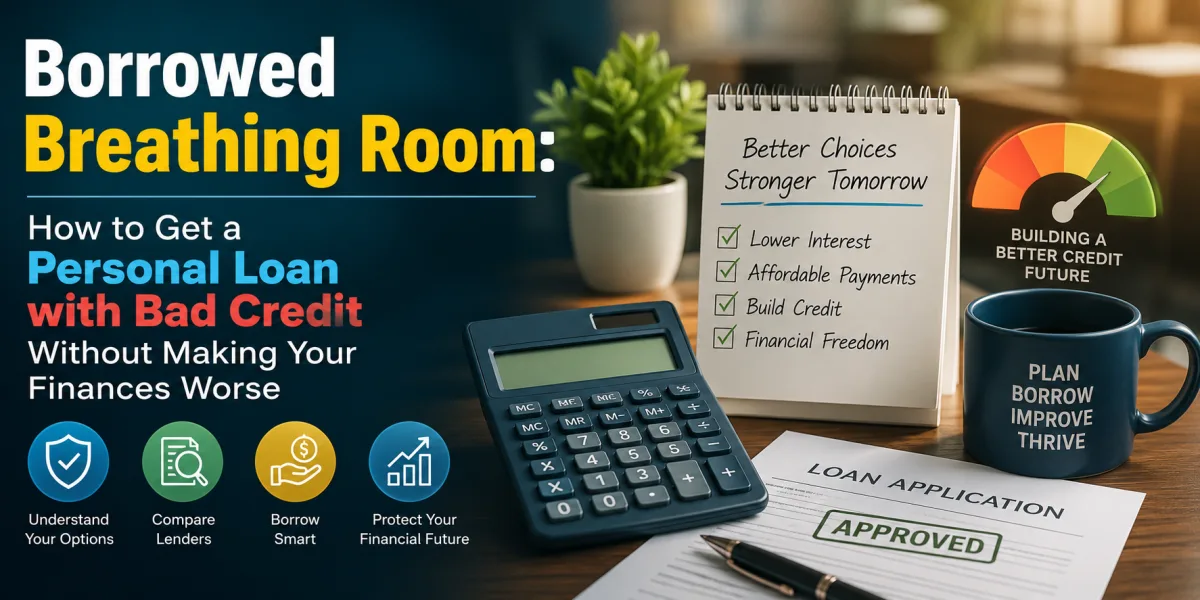
Borrowed Breathing Room: How to Get a Personal Loan with Bad Credit Without Making Your Finances Worse
A personal loan can feel like a lifeline when credit is damaged. The car needs repair. Rent is due. Medical bills are waiting. A credit card balance has become unmanageable. A family emergency cannot be delayed. The bank account is short, the credit score is low, and every financial option seems to come with a warning label.
This is where many borrowers become vulnerable. Bad credit does not only make borrowing harder. It changes the marketplace around the borrower. Offers become more expensive. Lenders ask for more fees. Approval language becomes more aggressive. Scams become harder to distinguish from legitimate products. The borrower who needs relief most urgently may be pushed toward the most dangerous forms of debt.
A personal loan with bad credit is possible, but it must be approached carefully. The goal is not simply to get approved. Approval is not success if the loan carries unaffordable payments, high fees, predatory terms, or a repayment schedule that creates a new crisis. The goal is to borrow only when the loan improves the household’s position, lowers the cost of existing debt, prevents a more damaging outcome, or solves a temporary cash-flow problem with a realistic repayment plan.
Credit scores matter because they influence access to credit. The Consumer Financial Protection Bureau explains that credit reports and scores affect personal finances and that consumers should understand what appears on their credit reports, how to correct errors, and how to improve credit records over time. For a borrower with bad credit, this is the starting point. Before applying widely, understand what lenders are likely to see.
Bad credit does not define your financial future, but it does affect the cost of borrowing today. A borrower with strong credit may receive lower interest rates, fewer fees, and more choices. A borrower with damaged credit may face higher annual percentage rates, smaller loan amounts, shorter terms, secured loan requirements, or co-borrower requests. That difference is not personal. It is how lenders price risk.
The danger is that bad credit can make a bad loan look like the only loan. It is not. There are steps that can improve approval odds, reduce borrowing costs, and protect against traps. The process begins before the application.
Understand What a Personal Loan Actually Is
A personal loan is usually an installment loan. The borrower receives a lump sum and repays it over a fixed period through scheduled payments. The payment typically includes principal and interest. Some loans also include origination fees, late fees, returned-payment fees, or other charges.
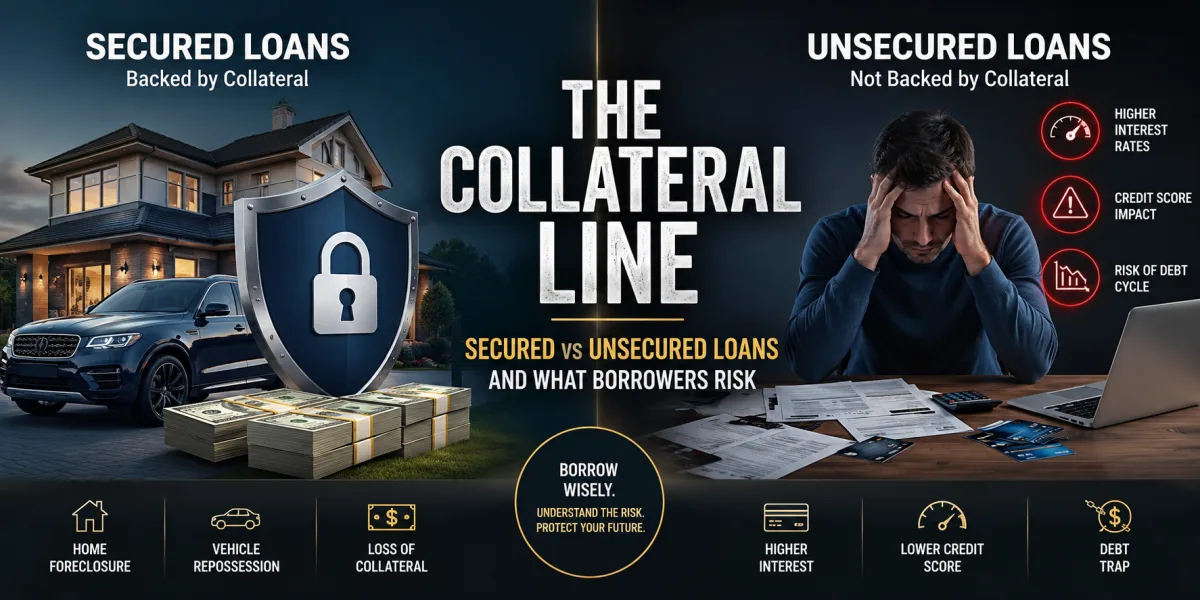
Most personal loans are unsecured, meaning they are not backed by collateral such as a car or savings account. Because the lender has no specific asset to repossess, unsecured loans rely heavily on credit history, income, debt levels, and ability to repay. Borrowers with bad credit may still qualify, but the loan is usually more expensive.
Some personal loans are secured. A secured loan uses collateral, such as a savings account, certificate of deposit, vehicle, or other asset. Secured loans may be easier to qualify for or less expensive because the lender has added protection. But the borrower accepts a serious risk: if payments are not made, the collateral may be taken.
Personal loans can be useful for debt consolidation, medical expenses, emergency repairs, moving costs, necessary home repairs, or other defined expenses. They are dangerous when used to fund ordinary overspending, gambling, speculative investing, luxury purchases, or recurring bills without a plan to fix the underlying cash-flow problem.
A personal loan should solve a specific problem. It should not become a way to postpone financial honesty.
Know What “Bad Credit” Means in Practice
Bad credit is not one exact number across every lender. Some lenders use FICO scores, some use VantageScore, and some use internal underwriting models. A score considered poor by one lender may still qualify for another product elsewhere. But in general, lower scores signal higher risk to lenders.
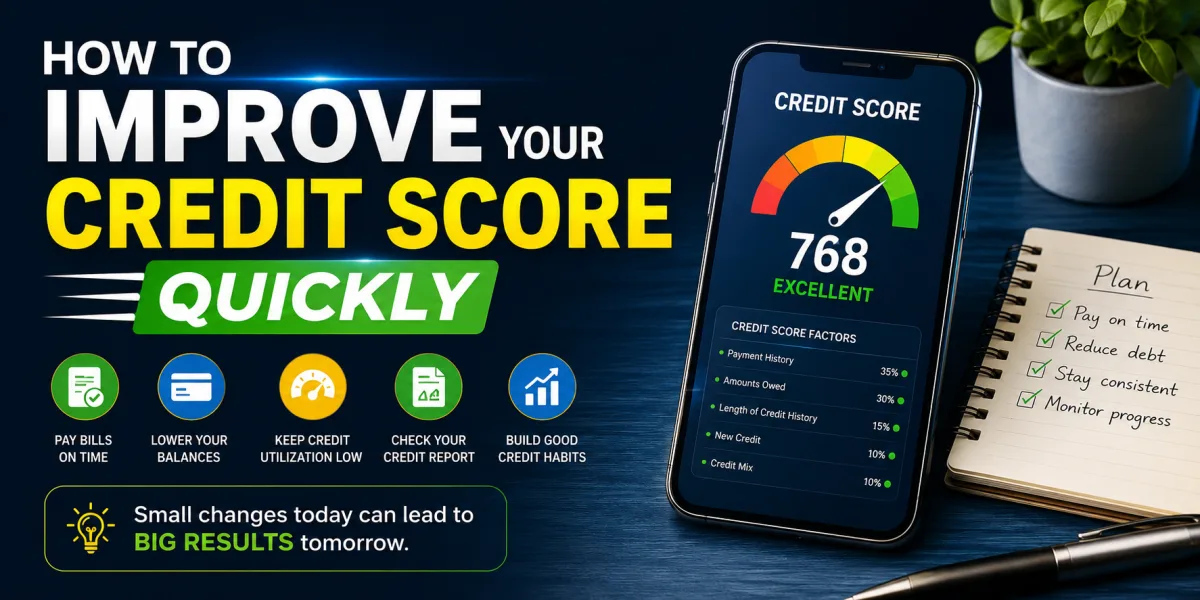
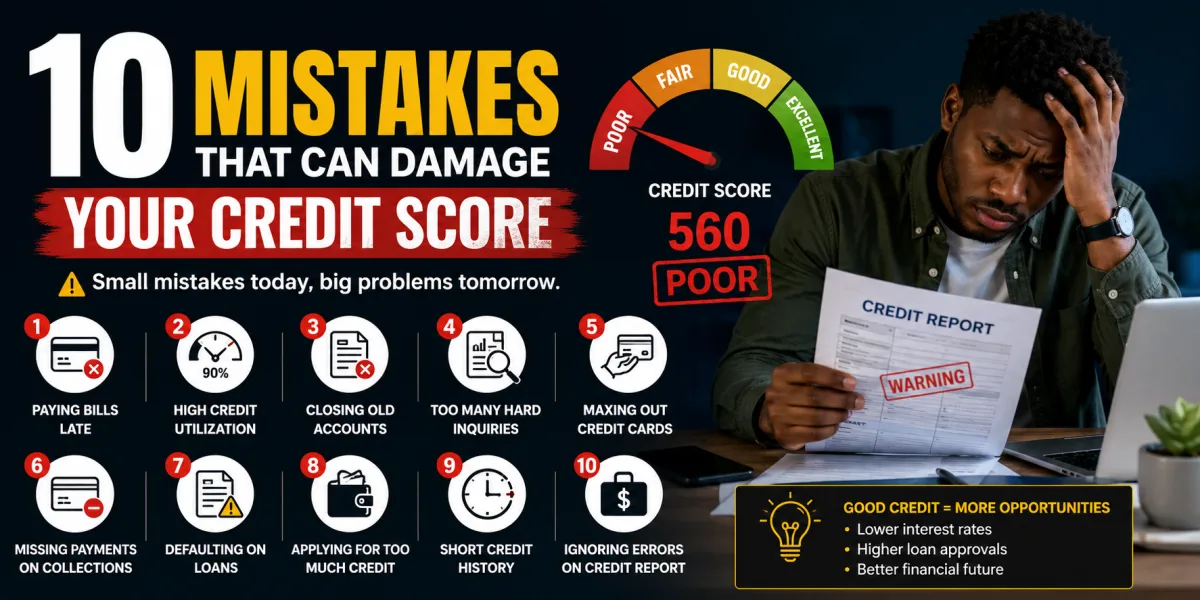
Credit scores are influenced by payment history, amounts owed, credit history length, credit mix, and new credit activity. Late payments, collections, charge-offs, high credit card balances, defaults, bankruptcies, and repeated applications can all hurt approval odds. Thin credit files can also create difficulty because lenders have limited information to evaluate.
Bad credit does not always mean a borrower is irresponsible. People fall behind after layoffs, illness, divorce, caregiving, business failure, medical costs, inflation, family emergencies, or income instability. Lenders may not know the story. They see the risk profile.
This matters because the borrower must approach the application strategically. If your credit score is low because of inaccurate information, dispute errors before borrowing if time allows. If your score is low because credit card utilization is high, paying balances down may improve options. If your score is low because of recent delinquencies, lenders may want evidence that income and payments have stabilized.
The loan market responds to what it can measure. Your job is to improve the measurable parts before you apply, or at least understand how they affect the offers you receive.
Check Your Credit Reports Before Applying
Before applying for a personal loan, review your credit reports. Errors can raise borrowing costs or cause denial. Look for accounts that are not yours, incorrect balances, wrong payment statuses, duplicate collections, outdated negative information, identity theft signs, or accounts reported as late when they were paid on time.
The Federal Trade Commission states that AnnualCreditReport.com is the only authorized website for the free annual credit reports consumers are entitled to by law, and it also lists phone and mail options for ordering reports. Reviewing reports before applying can prevent a lender from judging you based on information that should not be there.
If you find errors, dispute them with the credit bureau and the furnisher of the information. This process may take time, so it may not help if money is needed immediately. But for borrowers who can wait a few weeks, correcting errors may improve loan options.
Also check whether old accounts are dragging down the score. A collection that is not yours, a balance that should be lower, or a late payment incorrectly reported can make borrowing unnecessarily expensive.
Credit report review is not only about approval. It is about bargaining power. The cleaner your report, the less expensive the loan may be.
Know the Difference Between Prequalification and a Formal Application
Prequalification allows borrowers to check possible loan offers before submitting a full application. Many lenders use a soft credit inquiry for prequalification, which generally does not hurt credit scores. A formal application usually requires a hard inquiry, which may affect credit scores temporarily.
Experian explains that prequalifying and checking personal loan rates through its platform generates a soft inquiry that does not hurt credit scores. This is useful for borrowers with bad credit because it allows comparison before committing to a hard application.
Prequalification is not a guarantee. The final offer may change after the lender verifies income, identity, credit report details, employment, debt obligations, bank information, or collateral. Still, prequalification can help identify which lenders are realistic and which offers are too expensive.
Use prequalification to compare annual percentage rates, loan amounts, terms, origination fees, monthly payments, and total repayment cost. Do not apply formally to many lenders at random. Multiple hard inquiries and repeated denials can add stress without improving the result.
Borrowers with bad credit need information before commitment. Prequalification can provide that information with less risk.
Compare APR, Not Just Interest Rate
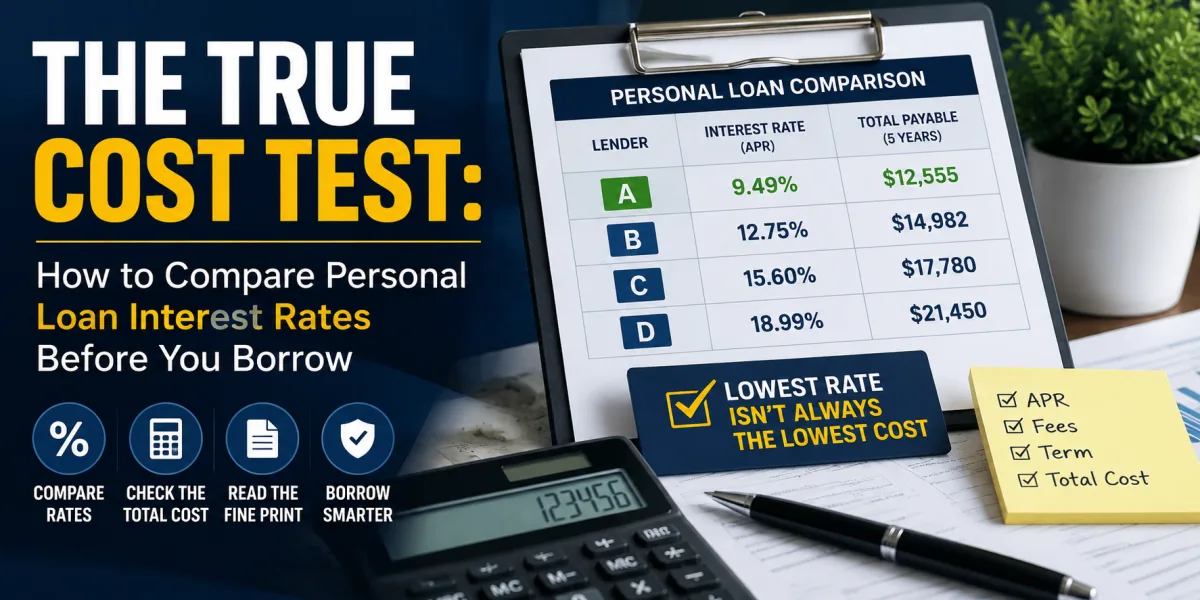
The interest rate tells only part of the cost. The annual percentage rate, or APR, includes interest plus certain fees, giving a more complete cost comparison. A loan with a lower interest rate but a high origination fee may be more expensive than a loan with a slightly higher interest rate and no fee.
For example, imagine two loans. The first has a 24 percent interest rate and no origination fee. The second has a 20 percent interest rate but a 10 percent origination fee deducted from the loan proceeds. The second loan may look cheaper at first, but the borrower receives less cash and still repays the full loan amount, making the real cost higher than expected.
Bad-credit loans often use fees to make offers look better than they are. Origination fees, administrative fees, document fees, late fees, returned-payment fees, and prepayment penalties should be reviewed carefully. A lender may advertise fast approval but hide expensive terms in the fine print.
Always ask: how much money will I actually receive, how much will I repay in total, what is the monthly payment, and what happens if I pay early?
The cheapest loan is not the one with the friendliest advertisement. It is the one with the lowest total cost that you can repay safely.
Calculate the Monthly Payment Against Your Real Budget
A loan approval does not mean the loan is affordable. Lenders may approve a payment that technically fits their underwriting model but still strains your household budget. You must test the payment against real life.
Start with net income. Subtract rent or mortgage, utilities, groceries, transportation, insurance, minimum debt payments, childcare, medicine, phone, internet, and other required obligations. Then include irregular expenses such as car maintenance, annual insurance, school costs, holidays, medical copays, and home repairs. What remains is the true room for a loan payment.
If the new personal loan payment can be made only by skipping savings, delaying essentials, or relying on credit cards again, the loan may not solve the problem. It may simply move the pressure from one debt to another.
For debt consolidation, compare the new payment to the old combined payments. A lower monthly payment can help cash flow, but it may also extend the term and increase total interest. A higher payment may save interest but fail if it is unaffordable.
Affordability is not a feeling. It is a cash-flow calculation.
Consider Credit Unions and Community Banks
Borrowers with bad credit often start with online lenders because they are easy to find. But credit unions and community banks may offer better options, especially for members with direct deposit, local relationships, or stable income. Some credit unions offer small-dollar alternatives designed to compete with payday loans or high-cost installment loans.
Credit unions may consider more than credit score, though they still underwrite risk. A borrower who has income, stable employment, and a reasonable explanation for past credit damage may receive more human review than with a fully automated lender.
Membership requirements vary. Some credit unions are tied to employers, regions, schools, military affiliation, associations, or family relationships. Others are broadly accessible through small membership fees or community eligibility.
Community banks may also be useful, especially if the borrower has an existing account relationship. A lender that can see regular deposits and account stability may be more willing to discuss options.
Bad-credit borrowers should not assume online lenders are the only path. Local institutions may be slower, but sometimes safer and cheaper.
Use a Co-Borrower or Co-Signer Carefully
A co-borrower or co-signer with stronger credit may improve approval odds or reduce the interest rate. But this should be handled with caution because it transfers risk to another person.
A co-borrower usually shares access to the loan funds and responsibility for repayment. A co-signer may not receive loan proceeds but agrees to repay if the borrower does not. In both cases, missed payments can damage the other person’s credit. The lender can pursue the co-signer or co-borrower for payment. The relationship can suffer if the loan becomes difficult.
Before asking someone to co-sign, create a repayment plan in writing. Discuss what happens if income drops, if payment is late, or if autopay fails. Set reminders. Consider giving the co-signer account access or payment confirmations. Do not treat their signature as a formality.
A co-signer is not just helping you get approved. They are putting their financial reputation behind your repayment behavior.
Consider a Secured Loan Only If the Collateral Risk Is Acceptable
Secured loans can be easier to obtain with bad credit because collateral reduces the lender’s risk. Examples may include loans secured by a savings account, certificate of deposit, vehicle, or other asset.
The advantage is possible approval, lower rates, or better terms. The danger is losing the collateral. If a vehicle secures the loan and you default, you may lose the car. If the car is necessary for work, the loan could damage income. If a savings account secures the loan, default could erase the cash cushion.
Secured loans should be used only when the repayment plan is realistic and the collateral loss would not create a larger crisis. Do not risk essential transportation, emergency savings, or tools needed for work unless the alternative is worse and the repayment plan is strong.
Collateral can lower the lender’s risk by raising yours. Understand that trade before signing.
Avoid Payday Loans and High-Cost Debt Traps
When credit is bad and money is urgent, payday loans and high-cost short-term loans may appear attractive because approval is fast and requirements are limited. The problem is cost. These products can carry extremely high fees and short repayment periods, causing borrowers to renew, roll over, or borrow again.
A payday loan may solve a cash shortage for a few days while creating a larger shortage on the next payday. If the borrower cannot repay in full while still covering rent, food, transportation, and other bills, the loan becomes a cycle.
High-cost installment loans can also be dangerous. They may offer longer repayment terms than payday loans but carry high APRs, large fees, credit insurance add-ons, or refinancing traps. A borrower may pay for months while barely reducing the principal.
Bad credit makes fast approval emotionally powerful. But the easier the approval, the more carefully the terms must be examined. A loan that requires almost no underwriting may be priced as though default is expected.
Borrowing should create breathing room. Predatory debt creates a tighter cage.
Watch for Advance-Fee Loan Scams
Scammers target people with bad credit because urgency and rejection make borrowers more likely to believe promises. The FTC warns that advance-fee loan scams target people with bad credit or difficulty getting loans, often through online ads or calls, and may promise approval in exchange for upfront fees.
A legitimate lender may charge an origination fee, but that fee is typically deducted from loan proceeds or included in the loan terms after approval. Be suspicious of any lender demanding payment before funding, especially by gift card, wire transfer, cryptocurrency, payment app, or other hard-to-reverse method.
Warning signs include guaranteed approval, no credit check claims, pressure to act immediately, vague company information, no physical address, requests for upfront fees, unprofessional communication, promises that sound too easy, or demands for sensitive information before basic disclosures.
Check whether the lender is licensed where required. Search the company name with words such as “complaint,” “scam,” and “lawsuit.” Review state regulator information if available. Use official websites rather than links from unsolicited messages.
A borrower with bad credit may be desperate for yes. Scammers sell yes before stealing money.
Borrow Only for a Defined Purpose
A personal loan should have a clear purpose. “I need money” is understandable, but it is not enough. The borrower should know exactly what the loan will pay for and how repayment will fit the budget.
Good reasons may include consolidating high-interest debt into a lower-cost fixed payment, repairing a car needed for work, covering necessary medical expenses, paying for essential home repairs, or bridging a temporary emergency with a clear repayment source.
Risky reasons include funding lifestyle spending, paying for vacations, covering recurring monthly shortfalls, making speculative investments, gambling, or borrowing to help someone else when your own finances are unstable.
If the loan is for debt consolidation, the credit cards being consolidated should not be used again unless the borrower has changed the spending pattern. Otherwise, the personal loan creates a new debt while the old credit card balances return. This is one of the most common consolidation failures.
A loan should close a gap, not open a larger one.
Use Debt Consolidation Carefully
Debt consolidation can be useful when a personal loan replaces multiple high-interest debts with one lower-rate fixed payment. The benefits can include lower interest, simpler repayment, a fixed payoff date, and less payment confusion.
But consolidation does not eliminate debt. It rearranges it. The borrower still owes money. If the loan term is long, the monthly payment may fall while total interest rises. If the origination fee is large, savings may be smaller than expected. If credit cards remain open and spending continues, total debt may increase.
Before consolidating, compare the total cost of the current debts with the total cost of the new loan. Include interest, fees, payoff timeline, and monthly payment. If the new loan saves money and fits the budget, it may be helpful. If it only lowers the payment by extending debt for many more years, be cautious.
Debt consolidation should be paired with a spending plan. Otherwise, it becomes debt relocation.
Improve Approval Odds Before Applying
Even small improvements can matter before applying. If time allows, take steps to strengthen the application.
Pay all current bills on time. Bring past-due accounts current if possible. Reduce credit card balances, especially if utilization is high. Avoid applying for multiple new credit accounts. Correct credit report errors. Gather proof of income. Stabilize bank account activity. Consider adding a co-borrower if appropriate. Build a small savings cushion to show liquidity.
If your score is low because of high utilization, paying down revolving balances may help more quickly than other actions. If your score is low because of serious delinquencies, improvement may take longer, but current on-time payments still matter.
Also prepare an explanation if applying through a credit union or local lender. A borrower who can explain that credit damage came from a temporary event and show current stability may have a stronger case than the score alone suggests.
Borrowers with bad credit do not control lender decisions. But they can control application quality.
Compare Loan Terms, Not Just Approval
Bad-credit borrowers may feel grateful for any offer. That emotion is dangerous. Approval is not the finish line. The terms are the real decision.
Compare APR, loan amount, term length, monthly payment, origination fee, late fee, prepayment penalty, funding speed, autopay requirements, secured or unsecured status, co-signer release options, and lender reputation. Read the repayment schedule. Ask whether interest is simple or precomputed. Ask what happens if you pay early.
Precomputed interest can make early payoff less beneficial because interest is calculated upfront. Simple interest loans may be more flexible if extra payments reduce principal. The details matter.
Also compare funding amount after fees. A loan advertised as $5,000 with a 10 percent origination fee may provide only $4,500 while requiring repayment based on the full $5,000. If you need exactly $5,000 for an expense, this can create a shortfall.
A bad loan often hides behind the relief of approval. Slow down long enough to read.
Understand the Total Repayment Cost
The monthly payment is important, but total repayment cost shows the full burden. A lower monthly payment may come from a longer term, which can increase total interest. A shorter term may cost less overall but create a payment that is hard to manage.
For example, a three-year loan may have a higher monthly payment but less total interest. A seven-year loan may feel easier monthly but cost far more over time. Neither is automatically right. The question is whether the payment is affordable and whether the total cost is justified by the problem being solved.
Calculate the total of all payments plus fees. Then compare that number to the amount borrowed. The difference is the cost of the loan. Ask yourself whether the benefit is worth that cost.
If you are borrowing $3,000 and repaying $7,000, the loan may be creating more harm than help unless the alternative is even worse. If you are borrowing to consolidate debt and the new total cost is lower, the loan may be worthwhile.
Personal loans should be judged by their full life, not their first payment.
Know When Not to Borrow
Sometimes the best way to get a personal loan with bad credit is not to get one yet. Borrowing can be harmful if the payment is unaffordable, if the loan funds recurring expenses without fixing income or spending, if the APR is extreme, if the lender is suspicious, if collateral is essential, or if the loan only delays bankruptcy or a necessary debt settlement conversation.
If the problem is a temporary emergency, a loan may help. If the problem is a permanent cash-flow deficit, a loan may deepen the hole. A household that is short every month needs a budget repair, income increase, expense reduction, creditor negotiation, or debt relief strategy. A loan may provide one calm month followed by years of payments.
Alternatives may include negotiating bills, setting up payment plans, requesting hardship programs, using a credit union small-dollar loan, borrowing from a trusted family member with written terms, selling unused items, increasing short-term income, seeking nonprofit credit counseling, or exploring legal debt relief options.
Not borrowing can feel like failure. Sometimes it is protection.
Consider Nonprofit Credit Counseling
If the loan is meant to manage credit card debt or multiple unsecured debts, nonprofit credit counseling may be worth exploring before borrowing. A certified credit counselor can review income, expenses, debts, and options. Some agencies offer debt management plans that may reduce interest rates and consolidate payments without requiring a new personal loan.
Credit counseling is not the same as debt settlement. Debt settlement companies may ask borrowers to stop paying creditors and save for settlements, which can damage credit and create collection risk. Nonprofit credit counseling focuses on budgeting, repayment plans, and creditor arrangements.
Before choosing an agency, check fees, accreditation, counselor qualifications, and complaints. Avoid anyone promising instant credit repair, guaranteed debt elimination, or secret programs.
A personal loan is one tool. It is not the only tool.
Protect Your Bank Account and Personal Information
Borrowers with bad credit often submit information to multiple online loan marketplaces. This can create privacy and solicitation risks. Some sites are lead generators, not lenders. They collect borrower information and sell it to lenders or marketers. After applying, borrowers may receive calls, texts, emails, or offers from companies they do not recognize.
Use reputable platforms and read privacy terms. Be cautious before sharing Social Security numbers, bank login credentials, payroll access, or copies of identification. A legitimate lender may need sensitive information during formal underwriting, but you should know who is receiving it and why.
Be especially careful with loan apps that request excessive phone permissions, contacts, photos, messages, or location data. Digital lending can be convenient, but abusive debt collection and privacy violations have been documented in some markets. A 2026 research paper analyzing loan apps across Indonesia, Kenya, Nigeria, Pakistan, and the Philippines found widespread non-compliance among some apps and reported that several transmitted sensitive data such as contacts, SMS, location, and media before signup or registration.
Convenience should not require surrendering your privacy. A loan should not give a lender access to your contacts, photos, or personal messages.
Build a Repayment System Before the Money Arrives
The repayment plan should exist before the loan is funded. Decide which account payments will come from, when they will be due, and how the payment fits your paycheck schedule. Set reminders. Use autopay if it is safe and earns a discount, but keep enough cash in the account to avoid overdrafts.
If payment dates do not align with income, ask the lender whether the due date can be changed. A good loan can become stressful if the payment is due before payday every month.
Create a small buffer around the payment. If the monthly payment is $250, the budget should not have exactly $250 available. Life will interfere. Fuel, groceries, medicine, or utilities may run higher. A buffer prevents one small variation from causing a late payment.
If the loan is for consolidation, pay off the old debts immediately and avoid adding new balances. Consider reducing credit card limits, locking cards, or removing saved card information if overspending was part of the problem.
Repayment success is designed, not hoped for.
Use the Loan to Rebuild Credit
A personal loan can help credit over time if payments are made on schedule and the loan is reported to the major credit bureaus. On-time payment history can support credit rebuilding. Reducing credit card balances through consolidation may also improve revolving utilization, though the total debt still exists.
But a personal loan can hurt credit if payments are late, if applications create multiple hard inquiries, if debt increases, or if the borrower uses paid-off credit cards again. Credit rebuilding depends on behavior after the loan.
Ask whether the lender reports to all three major credit bureaus. Some lenders may report to one, two, or three. If rebuilding credit is part of the goal, reporting matters.
Use autopay, reminders, and budget reviews to protect payment history. A single late payment can weaken the progress the loan was supposed to create.
The loan should be a credit repair tool only if it is also an affordable debt tool.
Refinance Later If Credit Improves
Bad-credit borrowers may need to accept imperfect terms at first. But the first loan does not have to be the final loan. If your credit improves, income stabilizes, or debt falls, refinancing may become possible. A new loan with a lower APR can reduce total interest or monthly payments.
Before refinancing, check for prepayment penalties on the current loan and origination fees on the new loan. Refinancing only makes sense if the savings exceed the costs and the new term does not create unnecessary long-term interest.
Credit improvement takes time. On-time payments, lower credit card balances, fewer applications, corrected errors, and stable accounts can gradually improve options. After six to twelve months of strong repayment, it may be worth checking prequalified offers again.
A bad-credit loan can be a bridge. It should not become a permanent address.
What to Do If You Are Denied
A denial is frustrating, but it can provide information. Lenders are generally required to provide an adverse action notice explaining key reasons for denial or how to obtain those reasons. Review it carefully. The issue may be credit score, insufficient income, high debt-to-income ratio, recent delinquencies, limited credit history, unverifiable information, or another factor.
Do not respond to denial by applying everywhere. Random applications may create more hard inquiries and more rejections. Instead, diagnose the problem. If income is too low, a smaller loan or co-borrower may be needed. If debt-to-income ratio is too high, pay down debts or increase income before reapplying. If credit report errors caused denial, dispute them. If recent late payments are the issue, rebuild on-time history.
A denial can also be a warning that borrowing may not be safe right now. If no responsible lender will approve the payment, the loan may be too risky for your current situation.
Denial is not the end. It is feedback.
Alternatives to a Bad-Credit Personal Loan
Before accepting an expensive personal loan, compare alternatives. A credit union payday alternative loan or small-dollar loan may be cheaper. A hardship program from a creditor may reduce payments temporarily. A medical provider may offer an interest-free payment plan. A utility company may offer budget billing or assistance. A landlord may accept a written payment arrangement. A nonprofit may help with emergency needs.
If the need is debt consolidation, a nonprofit debt management plan may be better than a high-APR loan. If the need is a one-time bill, negotiating directly may be cheaper. If the need is recurring expenses, increasing income or reducing fixed costs may be more effective.
Borrowing from family or friends can be less expensive, but it should be handled formally. Put the amount, repayment schedule, interest if any, and consequences in writing. Protect the relationship by treating the obligation seriously.
Using a credit card cash advance is usually expensive and should be approached with caution. Title loans and payday loans can be extremely risky because they may carry high costs and short repayment periods. Retirement account loans or withdrawals can damage long-term savings and may create taxes or penalties, depending on the account and rules.
The best alternative is the one that solves the problem at the lowest total cost with the least long-term damage.
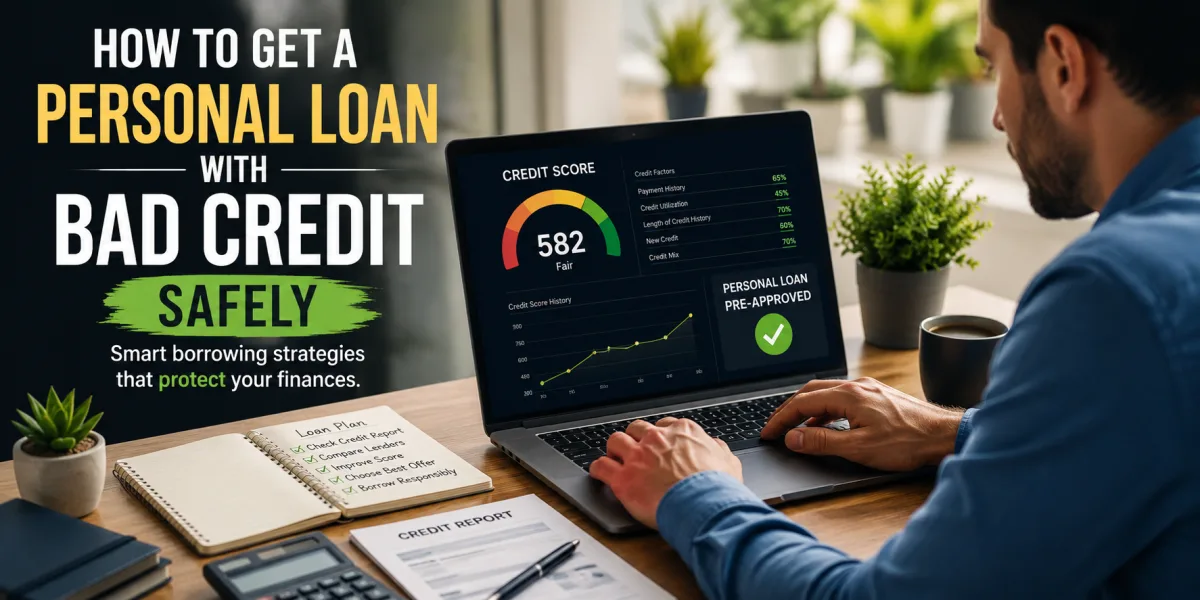
A Practical Step-by-Step Plan
First, define the need. Write down the exact amount required and the reason. Do not borrow more because it is offered.
Second, check credit reports. Look for errors, outdated information, identity theft, or incorrect balances.
Third, review your budget. Calculate the monthly payment you can afford without using credit cards again.
Fourth, improve what you can before applying. Pay down small balances, bring accounts current, gather income proof, and avoid unnecessary new credit.
Fifth, prequalify with multiple reputable lenders using soft inquiries where available. Include credit unions, community banks, and established online lenders.
Sixth, compare APR, fees, monthly payment, total repayment cost, term, and lender reputation.
Seventh, avoid advance-fee lenders, guaranteed-approval promises, payday-style products, and suspicious loan apps.
Eighth, choose the least expensive responsible loan that solves the defined problem and fits the budget.
Ninth, set up repayment before funds arrive. Align due dates, use reminders, and protect the payment account.
Tenth, use the loan as part of a larger credit-rebuilding plan: on-time payments, lower balances, emergency savings, and no new unnecessary debt.
The Wealth Lesson
Getting a personal loan with bad credit is not the same as getting financial relief. Relief comes only if the loan is affordable, honest, purposeful, and part of a plan that improves the borrower’s position.
Bad credit reduces options, but it does not remove responsibility. The borrower must compare carefully, read the terms, avoid scams, calculate total repayment cost, and resist the emotional pull of fast approval. A loan that provides money today but creates unaffordable payments tomorrow is not help. It is delayed pressure.
The safest path begins with credit report review, budget clarity, prequalification, reputable lenders, and realistic repayment. Credit unions, community banks, secured options, and co-borrowers may help, but each carries trade-offs. Payday loans, advance-fee scams, excessive fees, and privacy-invasive loan apps should be treated with extreme caution.
A personal loan can be useful when it consolidates expensive debt at a lower cost, funds a necessary expense, protects income, or bridges a temporary emergency. It is dangerous when it funds recurring overspending, hides a structural cash-flow problem, or replaces one unaffordable debt with another.
The goal is not simply to borrow. The goal is to exit the loan stronger than you entered it: fewer debts, cleaner payments, better credit habits, and more control over cash flow.
Bad credit may describe the past. It should not be allowed to write the future. Borrow carefully, repay deliberately, and use the loan not as an escape from financial discipline, but as a bridge back to it.
 Article
 Article
 Article
 Article
 Article
 Article
 Article
 Article