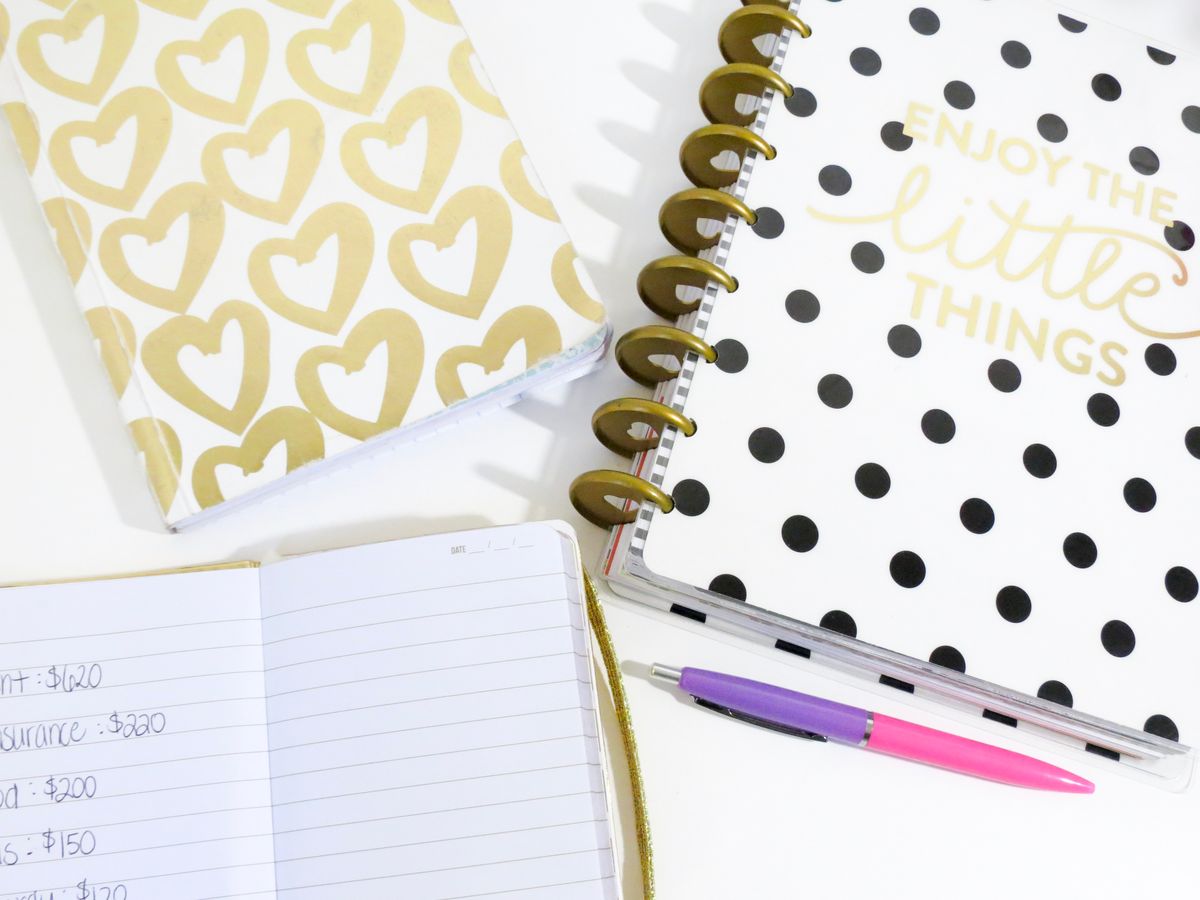
Spend with intention, not by someone else’s definition of less.
What mindful spending means
Mindful spending means noticing why you buy something.
It means considering how that purchase fits your priorities.
It connects everyday choices with a budget you can understand.
The budget records decisions rather than merely restricting them.
Minimalism, here, means distinguishing what matters from what feels unnecessary.
It does not require owning very little.
Nor does it mean rejecting comfort.
A minimalist budget gives chosen priorities more attention and automatic spending less.
The aim is clarity, not deprivation or a perfectly sparse lifestyle.
Pause, assess a purchase, and choose deliberately.
Mindfulness is not a test of virtue.
Spending on convenience, hobbies, or celebrations can fit a thoughtful plan.
Ask whether a purchase serves a need, valued experience, or important goal.
If not, consider whether it deserves space.
Define what enough means to you
Minimalism means different things to different households.
One person may value a small wardrobe, another shared meals.
There is no universal list of possessions or activities to cut.
Your definition should reflect responsibilities and preferences.
Describe what a satisfying ordinary week includes.
Consider routines, relationships, and comforts you would not want erased.
Then identify areas that feel crowded, expensive, or disconnected from your preferences.
These might involve automatic commitments.
Subscriptions, impulse purchases, or activities you no longer value may deserve review.
Notice whether you want less or feel pressured.
A useful budget should support your choices, not shame them.
Spending less is not automatically a meaningful goal.
Household members may value different things.
Discuss shared priorities respectfully, while allowing personal spending choices.
Defining enough gives later decisions a reference point.
Without it, cutting expenses can become directionless.
Map your spending before changing it
Review account activity, bills, receipts, and cash spending.
Use records that are available and comfortable to examine.
Group purchases into categories that help you make decisions.
Possible categories include housing, food, transport, interests, and goals.
Keep categories practical rather than excessively detailed.
A system requiring too much effort can be hard to maintain.
Separate regular commitments from flexible purchases.
Some expenses need contract changes, while others can change through daily choices.
Some purchases serve several purposes.
A meal may provide convenience, social connection, and nourishment.
Record details that help you understand the choice.
Do not treat every unusual purchase as a problematic habit.
A single expense may not represent a recurring pattern.
Look at what each category does for your household.
Some spending supports health or work.
Other spending may happen by default rather than by choice.
Recording is not judging.
First learn what your money is doing, then assess whether those uses fit your intentions.
Choose priorities and weigh tradeoffs
A budget has limited room, so priorities sometimes compete.
More spending in one area can leave less for another.
Write down the needs and goals that currently deserve attention.
Distinguish commitments from preferences you can adjust.
Needs depend on circumstances, not labels alone.
A car may be essential in one location and avoidable elsewhere.
Preferences deserve honest consideration too.
Budgeting for enjoyment can be more realistic than pretending you will never choose it.
When priorities conflict, compare what each choice provides and displaces.
Consider usefulness, meaning, timing, and alternatives.
State the tradeoff plainly: choosing this expense leaves less room for that goal.
Clear language makes decisions visible.
Not every expense must disappear to make progress.
A modest adjustment may free money without disrupting a valuable routine.
Review priorities when responsibilities change.
A budget should reflect current life, not an outdated idea of what matters.
Build flexible categories around real life
Give money a purpose after essential commitments.
Include goals and personal enjoyment instead of leaving both to chance.
Choose category names that make sense to you.
A label should guide decisions, not create extra bookkeeping.
Flexible categories can cover choices that vary over time.
Examples include eating out, gifts, clothing, and recreation.
Allow for irregular costs that are easy to overlook.
Maintenance, annual bills, and replacements can otherwise surprise a budget.
If income varies, avoid treating every high-income period as permanent.
Consider how lower income affects commitments and priorities.
Some households prefer detailed limits; others need a broad plan.
Choose a structure you can follow consistently.
Try the plan under ordinary conditions before adding complexity.
A budget should guide decisions while life is happening.
When a category runs short, identify why before moving money.
The estimate may be unrealistic, or circumstances may have changed.
Protect spending that feels worthwhile
Minimalism does not mean denying every pleasure.
A budget can protect purchases and activities that provide meaning or ease.
Notice which experiences leave you satisfied and which purchases quickly lose importance.
Your experience matters more than an idealized rule.
Convenience can be a legitimate priority when it saves effort or supports a demanding routine.
Weigh its cost against other goals.
Make enjoyment spending visible.
A planned category can make choices intentional rather than hidden or impulsive.
Consider the full cost of ownership, not just the purchase price.
Storage, upkeep, accessories, and replacement affect an item’s value.
For subscriptions or memberships, ask whether you use the service.
Consider whether it deserves a place in your routine.
Canceling is one option, not an obligation.
Shared experiences may matter more than adding possessions for some households.
Your budget can reflect that preference without calling it financially superior for everyone.
Personal priorities differ.
Consider a personal allowance if individual choice matters in your household.
Agreeing on shared expenses need not scrutinize every private purchase.
Reduce impulse purchases without rigid rules
Impulse spending can happen when a purchase feels immediate and evaluation feels inconvenient.
A pause creates room to consider priorities.
Before buying, ask what need or preference the item addresses.
Consider whether you already own something that serves a similar purpose.
For nonurgent choices, leave time to reconsider.
This is a decision tool, not a universal waiting rule.
Notice situations that make unplanned spending more likely.
Fatigue, browsing habits, social pressure, or easy payment may affect choices.
Change your environment where it helps.
Unsubscribing from promotions or removing saved payment details can add useful friction.
Compare the item with alternatives, including doing nothing.
Waiting, borrowing, repairing, or choosing a simpler option may meet the need.
If you later question a purchase, treat that reaction as information.
Consider what influenced the choice and what might help next time.
A flexible approach is more useful than demanding perfect restraint.
Learning from an unplanned choice can inform future decisions.
Use minimalism carefully with shared finances
Shared budgets combine different values, habits, and responsibilities.
A minimalist approach should make differences discussable, not dismiss them.
Agree on shared needs and goals before debating individual preferences.
This creates common ground for household spending decisions.
Let each person explain what a category provides.
An expense that seems optional to one person may support another’s routine.
Choose a process for decisions affecting everyone.
Discussing purpose and tradeoffs can work better than calling purchases wasteful.
Separate shared spending from personal choices where appropriate.
Clear boundaries can reduce arguments about purchases outside common plans.
When views differ, seek a compromise that preserves the underlying need.
A lower-cost option or different timing may help.
Owning fewer things does not automatically solve financial tension.
Communication, fair responsibilities, and realistic plans still matter.
Revisit agreements when household circumstances change.
A previous choice may no longer suit current responsibilities or preferences.
Connect spending choices to financial goals
Mindful spending can make goals more visible.
It does not replace plans for debt, saving, or investing.
Identify which financial goals matter now and why.
A clear purpose makes it easier to assess competing uses for money.
Set aside money for goals in line with available cash flow.
Check essential commitments before assigning money to several priorities.
If reducing flexible spending is part of your plan, review a specific category.
Broad promises to spend less can be hard to act on.
A goal category makes progress observable.
Check whether its amount remains realistic as income and costs change.
Debt decisions depend on the terms, your wider finances, and local rules.
Seek qualified guidance when consequences are significant or unclear.
Account names and tax treatment depend on the country.
A United States IRA differs from a United Kingdom ISA.
A Canadian TFSA and Australian superannuation also have country-specific rules.
Learn applicable rules before using an account for a goal.
Minimalist budgeting does not prescribe a particular investment or account.
Its role is directing available money toward considered priorities.
Adjust the plan when it stops fitting
A budget is a working tool, not a permanent statement about your values.
Review it when income, costs, or responsibilities change.
Notice whether categories repeatedly miss their purpose.
Frequent transfers may signal that a limit or category needs revision.
Distinguish a temporary disruption from a lasting change.
The right response depends on whether pressure is short-lived or ongoing.
When a plan feels restrictive, identify the source of friction.
The limit may be unrealistic, or a need may be missing.
When the plan feels too loose, clarify which decisions you want it to guide.
Add structure there without tracking everything.
Review spending with curiosity rather than blame.
Adjustments help when they make the plan more accurate or aligned.
Some goals may need to wait while immediate needs take priority.
Reordering goals is a decision, not personal failure.
Keep useful categories and discard unnecessary complexity.
A simpler plan can still reflect meaningful tradeoffs.
Common misunderstandings
Minimalism is not a contest to own the fewest things.
Comparing possessions distracts from thoughtful spending.
Mindful spending does not forbid every spontaneous choice.
It helps you notice choices and their consequences more clearly.
A budget is not automatically restrictive.
It can protect chosen spending while supporting other priorities.
Cutting expenses is not always the best response to financial pressure.
Decisions depend on needs, obligations, options, and circumstances.
A durable item is not always cheaper over time.
Consider likely use and ownership costs rather than relying on a label.
Minimalism does not make every household’s finances alike.
Income, location, health, care responsibilities, and available services shape choices.
One person’s low-value purchase may be another person’s practical support.
Understand what a decision does before judging it.
No budget eliminates uncertainty.
The aim is informed choice and adaptation when reality differs from expectations.
What to do now
- Write down what you want ordinary spending to support.
- Review available records and group expenses into manageable categories.
- Identify which expenses are commitments and which allow choice.
- Choose a category that feels disconnected from your priorities.
- Consider what that spending provides before changing or removing it.
- Decide whether an alternative, pause, or revised limit fits better.
- Make room for goals, essentials, and worthwhile enjoyment.
- Discuss shared priorities with anyone affected by the household plan.
- Use the budget, then revise parts that do not fit.
A practical closing thought
Every purchase has an opportunity cost.
Money used for one purpose cannot serve another at the same time.
That tradeoff can help you notice what a choice makes possible.
The point is deliberate allocation, not automatic restraint.
Featured photo by Miesha Renae Maiden on Pexels.

Photo by https://kaboompics.com/ on Pexels.
 Article
 Article
 Article
 Article
 Article
 Article
 Article
 Article