Ethical Consumerism and Wealth Preservation
Discover the powerful intersection of conscious spending and long-term financial security. Learn how ethical consumerism actually protects and grows your wealth in a volatile global economy.
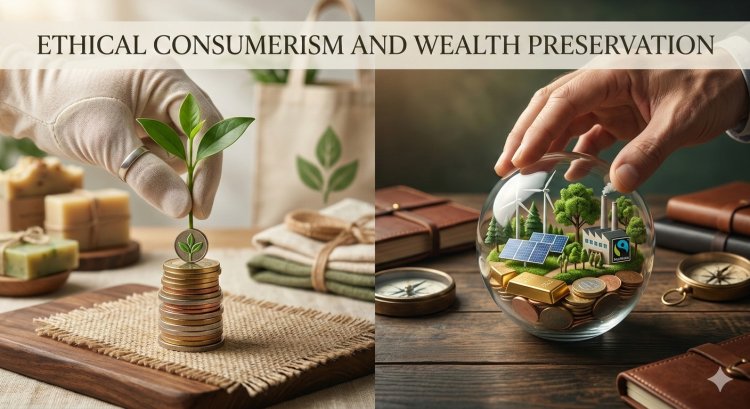
In the modern economic landscape, a quiet revolution is taking place. For decades, the concepts of "doing good" and "doing well" were viewed as mutually exclusive. You were either a ruthless wealth builder or a principled advocate for social change. However, as we navigate the complexities of the 21st century, these two paths are converging into a singular, powerful strategy for survival and prosperity: Ethical Consumerism as a tool for Wealth Preservation.
The Shift: From Consumption to Contribution
Ethical consumerism is the practice of purchasing products and services that are produced in a way that minimizes social or environmental damage. Wealth preservation, conversely, is the effort to protect assets and maintain purchasing power over time. At first glance, paying a "premium" for ethical goods might seem like a drain on capital. In reality, it is a sophisticated form of risk management.
1. The Durability Argument: Quality Over Quantity
The most immediate intersection of ethics and wealth is the "Buy It Once" movement. Fast fashion and planned obsolescence are not just environmental disasters; they are wealth eroders. By choosing ethically sourced, high-quality goods—whether in clothing, technology, or furniture—the consumer reduces the "replacement rate" of their assets.
-
Financial Impact: Reducing the frequency of purchases allows for a higher percentage of income to be redirected into interest-bearing accounts or appreciating assets.
-
Ethical Impact: Lowering waste and supporting fair labor practices.
2. Risk Mitigation in the Investment Portfolio
Wealth preservation relies heavily on avoiding catastrophic loss. Today, companies that ignore Environmental, Social, and Governance (ESG) factors face higher risks of litigation, regulatory fines, and reputational collapse.
When you align your consumer habits with your investment strategy, you create a feedback loop of stability. Investing in companies with transparent supply chains and ethical labor practices is no longer "charity"; it is a defense against the volatility of companies that cut corners.
3. The Psychology of Value-Based Spending
Wealth is often lost through "lifestyle creep" and impulsive consumption. Ethical consumerism requires a pause. It asks: Where was this made? Who made it? Do I need it? This inherent friction in the buying process fosters a disciplined mindset. This discipline is the cornerstone of wealth preservation. By aligning spending with internal values rather than external trends, individuals avoid the "hedonic treadmill" that depletes the savings of even high earners.
The Global Economic Landscape
Across all professional sectors—from medicine and law to engineering and the arts—the consensus is shifting. We are moving toward a Circular Economy.
The Hidden Costs of Cheap Goods
When a consumer chooses a product that is artificially cheap due to exploited labor or environmental degradation, they are participating in a "negative externality." Eventually, these costs are internalized by the global economy in the form of higher taxes (for environmental cleanup), higher insurance premiums (due to climate-related disasters), and social instability. Wealth preservation is impossible in a collapsing society. Therefore, the ethical consumer is actually protecting the long-term viability of the markets in which their wealth is stored.
Strategies for the Modern Professional
Regardless of your career stage, the following pillars will help you integrate ethics with financial growth:
-
Audit Your Supply Chain: Just as a business audits its vendors, a family should audit its recurring expenses. Transitioning to renewable energy providers or ethical banking institutions protects you from the "stranded assets" of the fossil fuel industry.
-
The Ethics of Real Estate: Wealth preservation often involves property. Investing in energy-efficient upgrades or sustainable land management increases the resale value of the asset while reducing monthly carry costs.
-
Diversification Through Impact: Impact investing—putting money into companies that solve social problems—often yields "uncorrelated returns." This means your wealth is less dependent on the swings of the general stock market.
A Roadmap for All Generations
-
For the Early Career Professional: Focus on "Minimalist Wealth." Avoid debt-funded consumption. Invest in fewer, better things.
-
For the Mid-Career Professional: Use your purchasing power to influence corporate behavior. Shift your retirement accounts into screened funds that prioritize ethical longevity.
-
For the Wealthy Retiree: Focus on legacy. Wealth preservation isn't just about the number in the bank; it’s about the world your descendants will inherit. Transitioning wealth into "green" trusts and foundations ensures that your capital continues to do work long after you are gone.
The Conclusion: The Ultimate Asset
The ultimate asset in wealth preservation is integrity. A financial plan built on the exploitation of others or the destruction of the planet is inherently fragile. It is subject to the whims of revolution, regulation, and remorse. A wealth strategy built on ethical consumerism is resilient. It is supported by the growing global trend toward sustainability and protected by the inherent quality of the choices made.
By choosing to be an ethical consumer, you are not spending more; you are investing in a world where your wealth has the space to grow, remain secure, and provide value for generations to come.
What's Your Reaction?