
The Paycheck Gap: How to Stop Living Paycheck to Paycheck
Living paycheck to paycheck is not only a financial condition. It is a rhythm of stress. Money arrives, bills consume it, small emergencies disrupt it, and the next paycheck becomes the rescue plan. The household may look stable from the outside. Rent is paid. Groceries are bought. The car still runs. But underneath the surface, there is little room for error.
This is the paycheck gap: the dangerous space between income and obligation. When the gap is too small, every surprise becomes a threat. A flat tire becomes a credit card balance. A delayed paycheck becomes an overdraft. A medical bill becomes a payment plan. A rent increase becomes panic. The problem is not always that no money comes in. The problem is that money leaves too quickly, arrives at the wrong time, or is already promised before it lands.
The Federal Reserve’s 2026 report on household economic well-being found that 63 percent of adults said they would cover a hypothetical $400 emergency expense using cash, savings, or a credit card paid off at the next statement. That means a large share of households would need to borrow, sell something, delay payment, or find another method for even a modest shock.
That is why escaping paycheck-to-paycheck living is not only about spending less. It is about building a system that creates margin. Margin means money is not fully consumed by the current month. Margin means bills can be paid without anxiety. Margin means a small emergency does not become a debt spiral. Margin means the next paycheck is not already gone before it arrives.
The path out is not instant. It usually happens in stages: seeing the real numbers, stabilizing cash flow, creating a starter buffer, reducing leaks, attacking high-interest debt, planning irregular expenses, increasing income, and eventually using this month’s income to fund next month’s life. That shift changes everything.
Paycheck-to-paycheck living is a cycle. To break it, you need more than motivation. You need mechanics.
Understand the Cycle Before You Try to Escape It
The paycheck-to-paycheck cycle usually has several parts. Income arrives. Fixed bills take the first portion. Variable spending absorbs the next portion. Debt payments claim another share. Irregular expenses appear without preparation. Savings are delayed because the month feels tight. Then a surprise expense arrives, and the household borrows. The next paycheck must now cover normal bills plus the new debt. The cycle tightens.
This cycle can affect low-income households, middle-income households, and even high-income households. Low income can make the cycle unavoidable without structural change. But higher income does not automatically solve it if spending, debt, housing, transportation, and lifestyle rise at the same pace. A household earning more can still be fragile if every dollar has already been assigned to consumption and debt.
The first step is to stop treating the problem as a personal failure and start treating it as a cash-flow system that needs repair. Shame does not create savings. Clarity does.
The question is not, “Why am I bad with money?” The better question is, “Where is the pressure point?” It may be income that is too low. It may be rent or car payments that are too high. It may be debt. It may be irregular bills. It may be subscriptions and convenience spending. It may be cash-flow timing. It may be a family obligation. It may be all of these at once.
Once the pressure point is visible, the solution becomes more specific. A household with a timing problem needs a cash-flow calendar. A household with a debt problem needs a repayment strategy. A household with a housing problem may need a structural change. A household with an income problem needs an income plan, not just a stricter grocery budget.
Track the Last 30 Days Without Judgment
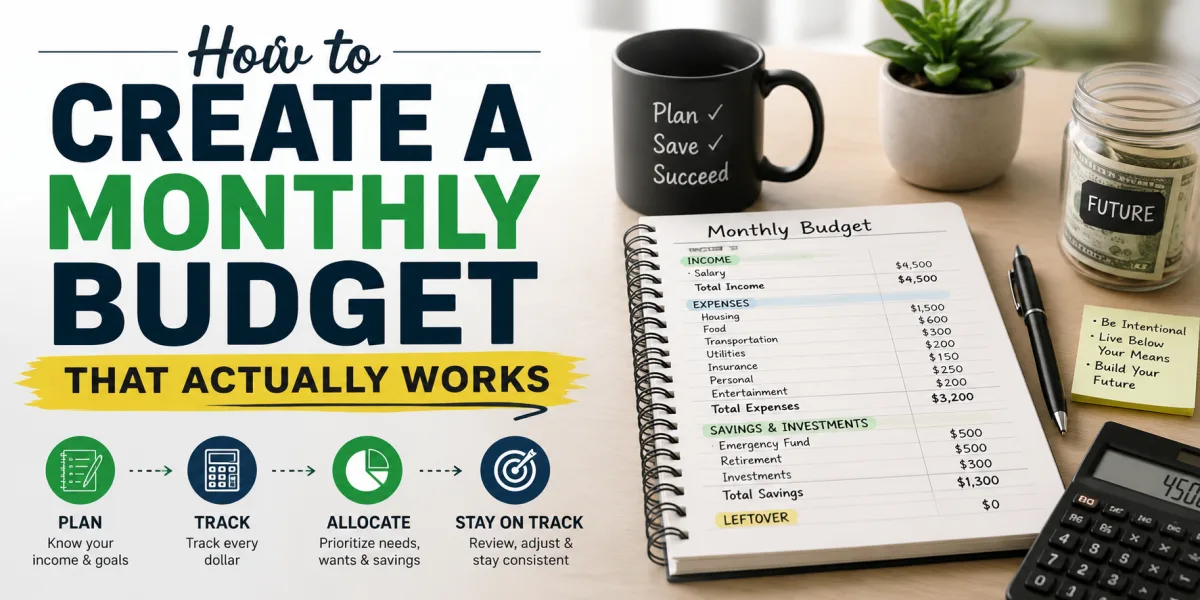
You cannot escape a cycle you cannot see. Before building a new plan, review the last 30 days of spending. Use bank statements, credit card statements, payment apps, cash withdrawals, subscriptions, and receipts. The goal is not to shame yourself. The goal is to produce a map.
Group spending into categories: housing, utilities, groceries, restaurants, transportation, insurance, debt payments, subscriptions, childcare, healthcare, personal care, entertainment, gifts, pets, clothing, transfers, and miscellaneous purchases. If the miscellaneous category is large, break it down. Money often hides there.
The Consumer Financial Protection Bureau’s budgeting guidance emphasizes listing income, listing expenses, and comparing the two as the foundation for a workable budget. That simple structure remains essential because most paycheck stress begins when obligations are not fully visible.
As you track, separate facts from feelings. A category may look high because it is genuinely necessary. Groceries for a family are not the same as impulse shopping. Medical costs are not the same as entertainment. The purpose is not to cut everything. It is to understand what is fixed, what is flexible, what is wasteful, and what is underfunded.
Many people discover that their paycheck problem is not one dramatic expense. It is a combination of small leaks and large fixed commitments. A few delivery orders, several subscriptions, high insurance premiums, minimum credit card payments, an expensive car loan, and a forgotten annual bill can work together to eliminate margin.
Find the Real Monthly Gap
After tracking spending, calculate the real monthly gap. Start with net income, not gross income. Net income is what actually reaches your account after taxes, deductions, retirement contributions, insurance premiums, and other withholdings.
Then subtract essential expenses. Essentials include housing, utilities, groceries, basic transportation, insurance, medicine, childcare, minimum debt payments, phone, internet if needed for work or life, and any required obligations.
Next, subtract nonessential but recurring expenses. These include streaming services, memberships, dining out, delivery, shopping, entertainment, upgrades, premium apps, and optional subscriptions.
Finally, account for irregular expenses. This is where many budgets break. Car repairs, annual insurance premiums, holidays, school costs, medical copays, home maintenance, gifts, travel, professional fees, and appliance replacement may not happen monthly, but they are still part of real life.
If income minus all true expenses is negative, the household is not merely “bad at budgeting.” The current structure is unsustainable. If the gap is positive but tiny, the household is vulnerable. If the gap is positive but disappears because of impulse spending, the problem is behavioral and structural. Each diagnosis requires a different response.
The goal is to create a recurring monthly surplus. Even a small surplus matters because it becomes the seed of the buffer. A $50 surplus can become $600 in a year. A $200 surplus can become $2,400. A $500 surplus can transform the household’s stability.
Stop Budgeting by the Month Alone
Monthly budgeting can be misleading because bills do not care about monthly averages. A household may earn enough over the month but still run short because rent, utilities, insurance, and loan payments are due before the second paycheck arrives.
This is why paycheck-to-paycheck households need a cash-flow calendar. List paycheck dates and bill due dates. Mark rent, utilities, debt payments, insurance, subscriptions, childcare, transportation costs, and expected grocery spending. Then ask: what does each paycheck need to cover before the next paycheck arrives?
If one paycheck is overloaded, contact providers and request due-date changes where possible. Many credit cards, utilities, insurers, and lenders allow due-date adjustments. Moving one major bill from the first week to the third week can reduce pressure without changing total income.
This step is often overlooked because it feels administrative rather than transformative. But timing is a real financial force. A household that repeatedly overdrafts before payday may not need only a lower grocery budget. It may need better bill timing, a one-week buffer, and automatic transfers aligned with income dates.
Cash-flow management is the bridge between a budget that looks good on paper and a budget that works in the bank account.
Build a Starter Buffer Before Attacking Everything Else
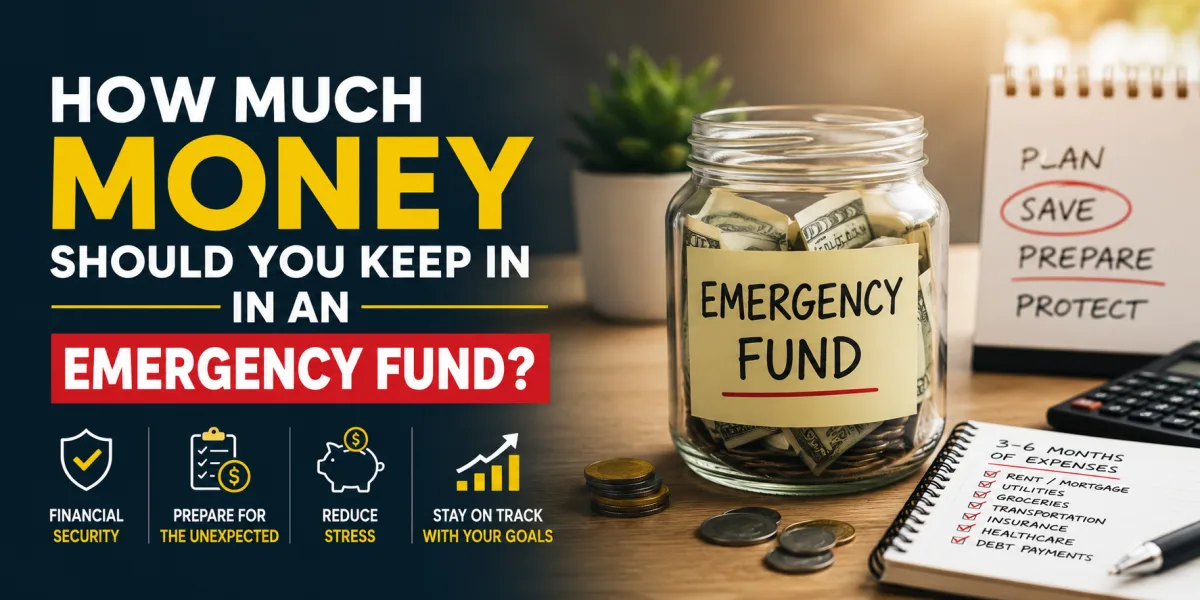
If there is no savings at all, the first target should be a starter buffer. This is not the full emergency fund. It is the first layer of protection. Start with $250 if necessary. Then $500. Then $1,000. The number depends on income and expenses, but the purpose is the same: stop every small surprise from becoming debt.
The CFPB describes an emergency fund as a cash reserve for unplanned expenses or financial emergencies, including car repairs, home repairs, medical bills, or loss of income. For someone living paycheck to paycheck, even a small reserve can change the emotional and financial pattern.
A starter buffer should sit in a separate savings account if possible. It should not be mixed with spending money. If it remains in checking, it may be absorbed by ordinary purchases. Separation creates a boundary.
Do not wait until you can save a large amount. The first $100 matters. It proves the system can change. The first $500 matters more. It creates a little distance between you and the next crisis. The first $1,000 is often the first moment when the household can breathe.
To build it, use temporary intensity. Pause nonessential spending for a short period. Sell unused items. Use overtime, bonuses, refunds, cash gifts, or side income. Cancel subscriptions you do not use. Redirect one discretionary category. The starter buffer is not built through perfection. It is built through priority.
Separate Emergencies from Predictable Expenses
Many households drain savings because they treat predictable expenses as emergencies. Holiday spending is not an emergency. Annual car registration is not an emergency. School supplies are not an emergency. Insurance renewals are not emergencies. Routine car maintenance is not an emergency. These expenses may be irregular, but they are not unknowable.
The solution is a sinking fund. A sinking fund is money saved gradually for a known future cost. If car insurance costs $900 every six months, set aside $150 per month. If holiday spending usually costs $1,200, set aside $100 per month. If car maintenance averages $600 per year, set aside $50 per month.
This approach is essential for breaking the paycheck cycle because irregular expenses often cause the return to debt. The household starts saving, then an annual bill arrives, the savings disappears, and the person feels like saving does not work. The problem was not saving. The problem was failing to label the money.
Use separate accounts, budgeting app categories, envelopes, or a spreadsheet. The method matters less than the habit. Money should be assigned before the bill arrives.
Once predictable expenses are funded separately, the emergency fund can do its real job: protect against the unexpected.
Cut Financial Leaks, Not Just Joy
Many people hear “budgeting” and immediately think they must remove every pleasure from life. That approach often fails because a joyless budget creates rebellion. The better strategy is to cut leaks first.
A leak is spending that does not meaningfully improve your life. It may be an unused subscription, a fee you forgot about, frequent delivery charges, duplicate services, impulse purchases, bank fees, late fees, insurance overpayments, unused memberships, or convenience spending that no longer feels worth it.
Audit all recurring charges. Streaming platforms, cloud storage, apps, memberships, software, newsletters, delivery subscriptions, gaming services, and fitness plans can accumulate quietly. Cancel anything you would not choose again today.
Review bank fees. Overdraft charges, out-of-network ATM fees, maintenance fees, and late fees are especially damaging because they punish financial tightness. If your bank account charges recurring fees, compare lower-cost options. If late fees are common, automate minimum payments or change due dates.
Review insurance. Auto, renters, homeowners, and other policies should be compared periodically. Do not reduce essential coverage blindly, but do shop. A lower premium for equivalent coverage can create monthly margin.
Cutting leaks works because it preserves what matters. The goal is not to make life empty. It is to stop money from disappearing into things you barely value.
Reduce the Big Three: Housing, Transportation, and Food
Small expenses matter, but the biggest categories often determine whether the paycheck cycle can truly be broken. For most households, the big three are housing, transportation, and food.
Housing is usually the largest fixed expense. If rent or mortgage consumes too much income, every other category becomes strained. The U.S. Bureau of Labor Statistics reported that housing remained the largest component of average consumer expenditures in its 2024 Consumer Expenditures release, with housing spending increasing 3.3 percent in 2024 after a 4.7 percent increase in 2023.
Transportation can be equally dangerous when car payments, insurance, fuel, maintenance, parking, tolls, and repairs are combined. A car that feels affordable at the dealership may be unaffordable when total ownership costs are included. If a car payment is trapping the household, selling, refinancing, downsizing, carpooling, using public transportation, or changing commute patterns may need to be considered.
Food is flexible but emotionally sensitive. A realistic food plan should separate groceries from restaurants and delivery. Many households do not need extreme couponing. They need fewer unplanned meals, less delivery, better use of leftovers, simpler repeat meals, and a clear weekly grocery plan.
If the big three are too high, cutting small pleasures will not be enough. A household cannot solve a $1,000 monthly structural gap by canceling one streaming service. The largest categories deserve honest review.
Stop Using Credit Cards as Income
Credit cards can be useful payment tools when balances are paid in full. They become dangerous when used to cover the gap between income and lifestyle. At that point, the card is no longer convenience. It is borrowed income.
The paycheck cycle often becomes harder to escape when last month’s shortfall becomes this month’s minimum payment. The household pays for past groceries, past gas, past emergencies, and past impulse purchases while still needing to fund current life. This creates a double burden.
If credit cards are part of the cycle, stop adding new charges unless the balance can be paid in full. This may require using a debit card or cash temporarily for variable categories. It may require removing saved cards from websites and apps. It may require carrying one card only for true emergencies while the starter buffer is built.
Then choose a debt payoff method. The avalanche method targets the highest interest rate first. The snowball method targets the smallest balance first. The avalanche saves more interest mathematically. The snowball can build momentum emotionally. The best method is the one you will actually follow.
High-interest debt is not only a payment problem. It is a margin thief. Paying it down increases future cash flow.
Create a Bare-Bones Budget for Emergencies
Everyone trying to escape paycheck-to-paycheck living should know their bare-bones budget. This is the minimum monthly amount required to keep the household stable if income drops or a crisis hits.
The bare-bones budget includes housing, utilities, basic groceries, essential transportation, insurance, medicine, minimum debt payments, childcare needed for work, and communication. It excludes restaurants, travel, entertainment, optional subscriptions, upgrades, shopping, and nonessential services.
This number is powerful because it shows the true survival cost of the household. It also helps size an emergency fund. If normal spending is $5,000 but bare-bones spending is $3,600, a three-month emergency fund based on essentials would be $10,800, not $15,000.
The bare-bones budget is not meant to be your permanent life. It is a crisis plan. Knowing it in advance reduces panic. If a job loss happens, you do not have to decide under stress what to cut. The first draft already exists.
A household with a bare-bones plan is better prepared than one that only knows its normal lifestyle cost.
Use This Month’s Income to Fund Next Month
The real breakthrough comes when you stop needing the next paycheck for current bills. This is sometimes called getting one month ahead. It means the money earned this month is used to pay next month’s expenses.
At first, this may feel impossible. But it can be built gradually. Start by creating a one-week buffer. Then two weeks. Then one full month. Use extra paychecks, tax refunds, bonuses, side income, spending cuts, and debt-payoff savings to build the buffer.
Once you are one month ahead, budgeting becomes calmer. You no longer wait for payday to decide whether a bill can be paid. The money is already there. Paychecks become replenishment rather than rescue.
This shift changes behavior. People make better decisions when they are not constantly reacting. They can plan groceries, schedule payments, avoid overdrafts, negotiate from a calmer place, and handle timing differences. The household moves from survival mode to management mode.
Getting one month ahead may be one of the most important milestones in personal finance because it turns time into an ally.
Increase Income with a Specific Purpose
Sometimes the paycheck cycle cannot be broken through cuts alone. If essential expenses exceed income, the solution must include more income or a structural reduction in fixed costs. There is no shame in that. A budget cannot fix a math problem by pretending income is higher than it is.
Income growth can come from overtime, a raise, a job change, freelance work, a second job, selling unused items, renting unused space, taking on short-term projects, training for a higher-paying field, or building a small business. The right path depends on skills, time, health, family obligations, and local opportunities.
The key is to give new income a job before it arrives. If extra money enters the same old system, it may disappear into lifestyle inflation. Decide in advance: the first $1,000 from side income builds the starter buffer. The next $2,000 pays down a credit card. The raise increases retirement contributions and emergency savings. The tax refund gets split between debt and one month ahead.
Income without assignment becomes consumption. Income with assignment becomes escape.
Negotiate Bills and Payments Before You Fall Behind
Many people wait until they are already late before contacting lenders, utility companies, insurers, medical providers, or landlords. Earlier contact is usually better. If cash flow is tight, ask about due-date changes, hardship plans, payment arrangements, lower-cost plans, discounts, or temporary relief.
Medical bills may have financial assistance programs or interest-free payment plans. Credit card issuers may offer hardship options. Utility providers may have budget billing or assistance programs. Insurance companies may offer discounts for bundling, higher deductibles, safe driving, or updated information. Internet and phone providers may have lower plans.
Negotiation does not always work, but silence guarantees nothing. The goal is not to avoid obligations. The goal is to prevent a short-term squeeze from turning into fees, collections, shutoffs, or damaged credit.
Prepare before calling. Know what you can pay, when you can pay, and what you are requesting. Write down names, dates, confirmation numbers, and terms. If an agreement is reached, get it in writing where possible.
Protect the First Dollar of Every Paycheck
When money is tight, the first dollars of a paycheck often disappear into urgent needs. But escaping the cycle requires protecting at least a small portion immediately. This is the pay-yourself-first principle applied at survival level.
Even $10 or $25 per paycheck matters if it is automatic and untouchable. The amount can rise later. The first goal is to build the habit and prove that not every dollar must vanish.
Set up an automatic transfer to a separate savings account on payday. If automatic transfer feels risky because income timing varies, manually transfer a small amount as soon as the paycheck clears. Treat it like a bill.
This is not symbolic. It changes the order of financial life. Instead of saving what remains, you decide that some portion of income must belong to stability before consumption claims it.
The first protected dollar is the beginning of financial independence.
Use Cash or Separate Accounts for Problem Categories
Some categories need friction. If dining out, delivery, clothes, hobbies, or convenience purchases repeatedly break the budget, do not rely on memory. Use a separate system.
Cash envelopes can work because the limit is physical. When the envelope is empty, spending stops. Digital envelopes can work through separate checking accounts, prepaid cards, budgeting apps, or category-specific balances. The method is less important than creating a visible boundary.
For online spending, remove saved payment information. Delete shopping apps temporarily. Turn off promotional emails. Add a 24-hour rule for nonessential purchases. Move discretionary money into a separate account and spend only from that account.
The purpose is not to treat yourself like a child. The purpose is to design around reality. If a category repeatedly causes trouble, the system needs stronger guardrails.
Discipline becomes easier when temptation is less convenient.
Plan for Food Before Hunger Makes the Decision
Food spending often breaks paycheck-to-paycheck budgets because decisions are made when people are tired, hungry, busy, or stressed. That is when delivery, takeout, convenience stores, and impulse groceries become expensive.
A food plan does not need to be elaborate. Choose a few repeat meals. Keep inexpensive staples available. Cook larger portions when possible. Use leftovers deliberately. Plan simple breakfasts and lunches. Shop with a list. Avoid grocery shopping while hungry. Keep emergency meals at home for nights when energy is low.
The goal is not perfection. The goal is reducing expensive default decisions. A frozen meal at home may not be ideal, but it is often cheaper than delivery. A simple pasta, rice bowl, soup, eggs, or sandwich can protect the budget on busy days.
Food planning is not only about groceries. It is about preventing exhaustion from becoming a financial decision-maker.
Stop Lifestyle Inflation Before It Absorbs Progress
One reason people remain paycheck to paycheck after income rises is lifestyle inflation. A raise becomes a larger apartment. A bonus becomes a vacation. A paid-off car becomes a new car payment. A debt payoff becomes more dining out. The household earns more but remains equally fragile.
To prevent this, assign future increases before they arrive. Decide that half of every raise goes to savings, investing, or debt payoff. Decide that bonuses first replenish the emergency fund. Decide that paid-off debt payments will be redirected to the one-month buffer or retirement contributions.
This does not mean never improving lifestyle. It means improving lifestyle after stability is protected. A raise can support both enjoyment and progress, but only if the split is intentional.
Lifestyle inflation is dangerous because it feels normal. The new spending quickly becomes the new baseline. The household earns more but still waits for payday.
Breaking the cycle requires capturing progress before consumption does.
Build a Debt Freedom Snowball into Cash Flow
When a debt is paid off, the old payment should not disappear into general spending. It should be reassigned. If a credit card payment was $150 per month and the balance is gone, move that $150 to the next debt, emergency savings, or the one-month buffer.
This is how momentum builds. Each paid-off debt increases monthly margin. The household becomes less fragile. Eventually, money that once went to creditors can fund savings, investments, insurance, education, business goals, or home repairs.
Debt payoff is not only about reducing balances. It is about reclaiming cash flow. A household with fewer required payments has more flexibility during emergencies and more capacity to build wealth.
The danger is replacing old debt with new debt. If a car loan is paid off and immediately replaced with a larger car loan, margin does not improve. If a credit card is paid down and then reused for lifestyle spending, the cycle restarts.
Debt freedom must be converted into cash-flow freedom.
Prepare for the Next Emergency While Life Is Calm
Paycheck-to-paycheck living often creates a reactive mindset. The household deals with whatever is burning now. But the way out requires preparing before the next crisis.
Look ahead six to twelve months. What expenses are likely? Insurance renewals? School costs? Car maintenance? Medical appointments? Holidays? Travel? License fees? Appliance replacement? Moving costs? Taxes? Write them down and estimate amounts.
Then divide each by the number of months remaining. This becomes the monthly sinking fund target. If the full target is impossible, save something. Partial preparation is better than no preparation.
Preparation also includes documents. Know where insurance policies, tax records, medical cards, car titles, lease agreements, loan information, and account logins are stored. Emergencies become more expensive when information is scattered.
A household that plans for likely disruptions is no longer fully at the mercy of them.
Know When the Problem Is Structural
Some paycheck-to-paycheck situations cannot be solved with ordinary budgeting advice. If rent consumes half of income, childcare is unaffordable, medical bills are constant, debt minimums exceed available cash, or wages are too low for basic costs, the problem is structural.
Structural problems require structural decisions. That may mean finding a higher-paying job, changing fields, moving to lower-cost housing, getting a roommate, selling a vehicle, consolidating or restructuring debt carefully, applying for benefits, seeking nonprofit credit counseling, negotiating medical bills, or making family-level changes.
These decisions are hard because they affect identity, comfort, relationships, and pride. But ignoring a structural gap usually makes the eventual decision more painful.
A budget should reveal whether the household has a behavior problem, a timing problem, a debt problem, an income problem, or a structural cost problem. Different problems need different solutions. Cutting coffee will not fix unaffordable rent. A raise will not help if every raise becomes new payments. Debt consolidation will not work if spending remains above income.
Financial honesty is the beginning of financial repair.
Use Support Without Shame
If the paycheck cycle has become unmanageable, outside support may be necessary. Nonprofit credit counseling can help review debt and repayment options. Community organizations may help with food, utilities, housing, or emergency needs. Benefits programs may provide temporary stability. Financial coaches, trusted relatives, employer assistance programs, or local nonprofits may help with planning.
Support should be chosen carefully. Avoid companies promising instant debt elimination, guaranteed credit repair, or miracle income. Scams often target people under financial stress because urgency lowers skepticism.
Good support helps you understand options, costs, and consequences. Bad support pressures you into expensive programs, hides fees, or promises results no one can guarantee.
Needing help is not failure. Remaining trapped because of shame is far more costly.
The First 90 Days Out of the Cycle
The first 30 days are for visibility. Track spending. List income. Map bill due dates. Identify leaks. Stop adding new high-interest debt if possible. Open a separate savings account. Build the first small buffer.
The next 30 days are for stabilization. Change due dates where possible. Cancel or reduce recurring leaks. Create a bare-bones budget. Start sinking funds for the most disruptive irregular expenses. Automate a small payday transfer. Choose a debt payoff strategy.
The next 30 days are for momentum. Add extra income if possible. Increase the starter buffer. Apply old payments or savings from cuts to debt or emergency savings. Review the budget weekly. Begin building a one-week or two-week cash-flow cushion.
By the end of 90 days, life may not be transformed, but the pattern should be changing. The goal is not perfection. The goal is evidence: fewer overdrafts, less panic, a small savings balance, clearer bills, fewer leaks, and a plan for the next paycheck before it arrives.
Escaping paycheck-to-paycheck living is not one dramatic leap. It is a series of small breaks in the old pattern.
What Progress Looks Like
Progress may look ordinary. A bill is paid without waiting for payday. A $300 repair is handled from savings. A subscription is canceled. A credit card balance falls. A grocery plan prevents three delivery orders. A due date is moved. A savings transfer happens automatically. A debt payment disappears and the money is reassigned. A paycheck arrives and not all of it is already gone.
These moments matter. They are the early signs that the system is changing.
Eventually, progress becomes more visible. The starter buffer becomes one month of expenses. The one-month buffer becomes three months. Debt payments shrink. Credit improves. Retirement contributions begin. The household can make choices from stability rather than panic.
The emotional change is just as important. Money stops feeling like a series of emergencies. The person no longer avoids the bank account. Bills become predictable. Spending becomes intentional. The future becomes less threatening.
The Wealth Lesson
Living paycheck to paycheck is not escaped by one trick. It is escaped by building margin. Margin comes from knowing the numbers, controlling timing, reducing leaks, shrinking debt, planning irregular expenses, saving before spending, increasing income, and protecting progress from lifestyle inflation.
The first goal is not wealth. It is breathing room. Breathing room becomes a starter buffer. The starter buffer becomes one month ahead. One month ahead becomes emergency savings. Emergency savings protects debt payoff and investing. Debt payoff creates cash flow. Cash flow builds assets. Assets create freedom.
This is the path from survival to stability.
Start with the next paycheck. Before it arrives, decide what it must do. Which bills will it cover? What small amount will be protected? Which leak will be stopped? Which debt will receive attention? Which future expense needs a sinking fund? The paycheck should not arrive without a plan.
At first, the plan may feel tight. That is normal. The old cycle was tight too. The difference is that the new plan is building a way out.
Financial freedom begins when the next paycheck is no longer the only thing standing between you and crisis. Build the gap. Protect it. Grow it. That space is where stability begins.
 Article
 Article
 Article
 Article
 Article
 Article
 Article
 Article