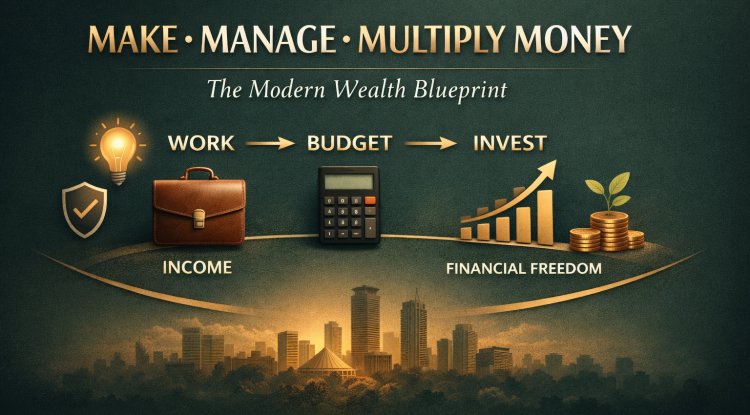
How to Cut Monthly Expenses Without Feeling Poor: The Ultimate Guide to Lifestyle Engineering
Master the art of "Lifestyle Engineering." Learn how to slash your monthly bills and optimize your spending without sacrificing the quality of your life or your happiness.

Introduction: The Myth of Deprivation
In the modern era, the word "budget" often carries a negative connotation. For many, it conjures images of empty refrigerators, canceled social plans, and a life stripped of all joy. However, the reality of effective financial management is quite the opposite. True financial mastery isn't about how much you don't spend; it’s about how effectively you deploy your capital to create the life you want.
This guide explores the concept of Lifestyle Engineering. This is the process of systematically auditing your outflows to ensure every dollar provides maximum utility. We are moving away from the "scarcity mindset" and toward a "value-based mindset." You can live a rich life on a lean budget if you understand the difference between price and value.
Phase 1: The Psychology of Spending
Before looking at spreadsheets, we must address the hardware between our ears. Humans are biologically wired for instant gratification. In the ancestral environment, if you found calories or resources, you consumed them immediately. In the 21st century, this impulse leads to "lifestyle creep"—the tendency for expenses to rise as income increases.
To combat this, you must define your Core Values. Ask yourself: what actually makes my life better? Is it the premium cable package with 300 channels you never watch, or is it the ability to take a stress-free vacation once a year? By identifying what you truly value, cutting the "fluff" becomes an act of empowerment rather than an act of sacrifice.
Phase 2: Auditing the Fixed Costs
Fixed costs are the "silent killers" of wealth. These are the recurring bills that leave your account regardless of your behavior.
-
Housing and Refinancing: For many, housing is the largest expense. While you may not be able to move tomorrow, you can look into refinancing mortgages if rates have dropped, or negotiating rent if you are a long-term, reliable tenant.
-
The Subscription Audit: We live in the "Subscription Economy." Small $10 charges for streaming services, apps, and magazines add up to hundreds of dollars. Use a tracking tool to list every recurring charge. If you haven't used a service in the last 30 days, cancel it. You can always resubscribe later.
-
Insurance Optimization: Loyalty rarely pays in the insurance industry. Every twelve months, you should shop around for car, home, and life insurance. Increasing your deductible slightly can also lower your monthly premium significantly, provided you have an emergency fund to cover the gap.
Phase 3: The Variable Expense Revolution
Variable expenses—food, entertainment, and shopping—are where most people feel "poor" when they try to cut back. The key here is substitution, not elimination.
-
The Grocery Strategy: Food is a massive variable cost. Instead of eating out five nights a week, focus on high-quality home cooking. Buy staples in bulk and shop for seasonal produce. This isn't about eating bland food; it’s about eating better for less.
-
Transportation: If you live in an urban environment, analyze the cost of car ownership versus public transit or ride-sharing. Between fuel, maintenance, insurance, and depreciation, a car is often a liability rather than an asset.
-
Utility Efficiency: Simple changes like smart thermostats, LED lighting, and sealing air leaks in your home can reduce utility bills by 10% to 20% without changing your daily comfort levels.
Phase 4: Social Dynamics and Spending
One of the hardest parts of cutting expenses is the social pressure. We often spend money to keep up with friends or family.
-
The "Low-Cost" Hangout: Instead of meeting at an expensive restaurant, suggest a hike, a potluck dinner, or a free gallery opening. Most people in your circle are likely feeling the same financial pressures and will appreciate the change of pace.
-
Delayed Gratification: Implement the "72-Hour Rule." If you see something you want to buy, wait 72 hours. If the urge is still there, evaluate if it fits your budget. Usually, the dopamine hit fades, and the impulse disappears.
Phase 5: Automating Success
The most successful "lifestyle engineers" don't rely on willpower. Willpower is a finite resource. Instead, they use automation. Set up your banking so that a portion of your paycheck goes directly to savings or investments before you ever see it. When the money isn't in your checking account, you don't miss it. This creates a "forced" frugality that feels natural over time.
Conclusion: The Freedom of Less
Cutting monthly expenses is not about being cheap; it is about being intentional. When you stop leaking money on things that don't matter, you suddenly find you have plenty for the things that do. This leads to a sense of security and freedom that no luxury purchase can match. You aren't "feeling poor"—you are becoming powerful.
By following these principles, you are not just saving money; you are designing a life that is sustainable, resilient, and focused on genuine fulfillment.
What's Your Reaction?