How to Start Investing With Small Capital: The Ultimate Guide to Building Wealth from Scratch
Think you need a fortune to start investing? Think again. Discover how to grow your wealth starting with small capital through proven strategies and micro-investing.
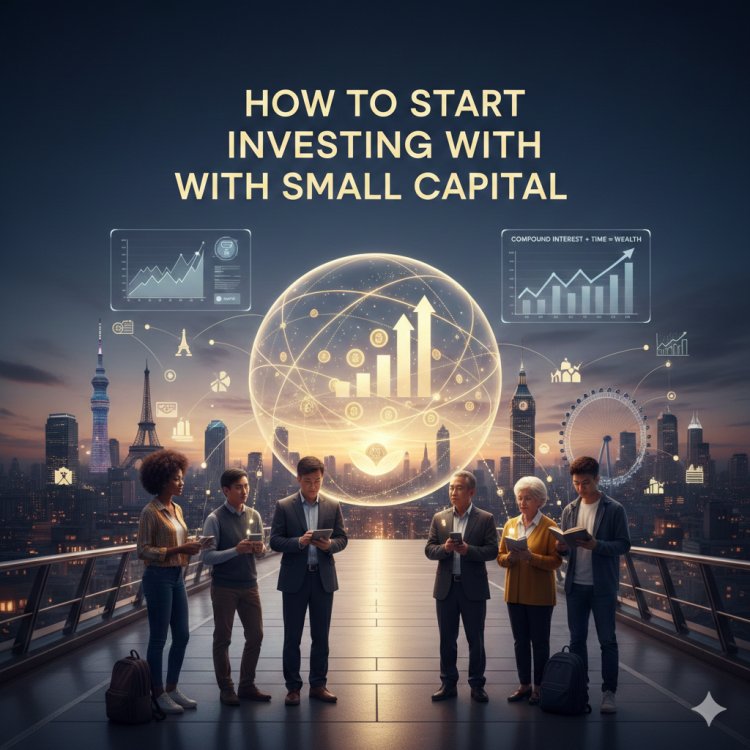
The misconception that the world of investing is reserved for the wealthy is one of the greatest barriers to global financial literacy. Many individuals across different professions and age groups believe they need a massive lump sum—thousands or tens of thousands of dollars—to even begin. However, the modern financial landscape has democratized access to the markets. Today, the most important factor in investing is not the size of your initial deposit, but the length of time you stay invested.
The Power of Starting Small
Investing with small capital is not just a necessity for many; it is a strategic advantage. When you start with smaller amounts, you have the opportunity to learn the mechanics of the market without the paralyzing fear of losing significant life savings. This phase is about building "financial muscle memory."
The mathematical engine behind small-scale investing is Compound Interest. Often referred to as the eighth wonder of the world, compounding allows you to earn returns not just on your initial principal, but also on the accumulated interest from previous periods. Over decades, a modest monthly contribution can blossom into a substantial nest egg.
Step 1: Laying the Financial Foundation
Before putting a single dollar into a volatile asset, every investor must ensure their financial house is in order. This applies to a student in Tokyo just as much as a healthcare professional in London or a freelancer in New York.
-
The Emergency Fund: Before investing, save three to six months of living expenses. Investing involves risk; you should never be forced to sell your investments at a loss just because your car broke down or you faced a medical emergency.
-
High-Interest Debt: If you are paying 20% interest on credit card debt, no investment in the world is likely to outperform that cost. Pay off high-interest liabilities first.
-
Budgeting for Growth: Analyze your monthly spending. Even a small adjustment, like reducing subscription services or dining out less, can free up $50 to $100 per month. This is your "seed capital."
Step 2: Understanding Your Investment Vehicles
With small capital, efficiency is key. You want to avoid high transaction fees that eat into your profits.
1. Fractional Shares
Traditionally, if a single share of a major tech company cost $3,000, a small investor was locked out. Today, many brokerages offer fractional shares. This allows you to buy $10 worth of a high-priced stock. It ensures that every dollar you have is working for you immediately.
2. Exchange-Traded Funds (ETFs) and Index Funds
Diversification is the only "free lunch" in investing. Instead of betting on one company, you can buy an ETF that tracks the entire S&P 500 or the FTSE 100. This spreads your risk across hundreds of companies. Many ETFs have very low "expense ratios" (management fees), making them perfect for small-capital investors.
3. Robo-Advisors
For those who feel overwhelmed by choices, robo-advisors use algorithms to build a portfolio based on your risk tolerance. They often have low minimum balance requirements and automate the process of reinvesting dividends.
Step 3: Strategies for Success
Consistency is the hallmark of the successful small-scale investor. One of the most effective methods is Dollar-Cost Averaging (DCA). Instead of trying to "time the market" (buying when you think prices are low), you invest a fixed amount of money at regular intervals, regardless of the price. When prices are high, your money buys fewer shares; when prices are low, your money buys more. Over time, this lowers your average cost per share.
Step 4: Asset Allocation Across Life Stages
The way you invest with small capital depends on your time horizon:
-
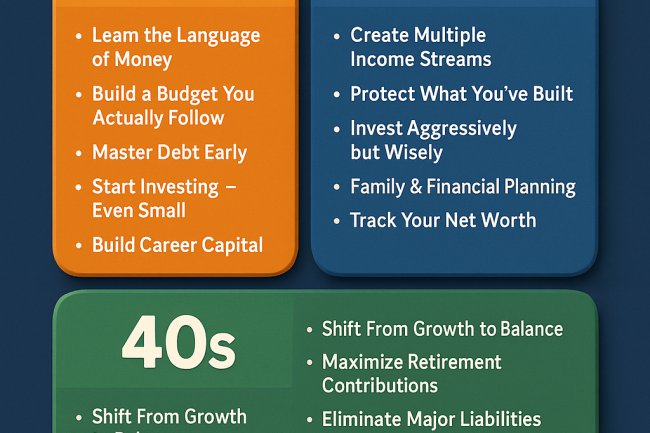
In your 20s and 30s: You can afford more risk. A portfolio tilted toward equities (stocks) offers the highest potential for long-term growth.
-
In your 40s and 50s: You might begin introducing more "fixed income" assets, like bonds, to protect the capital you have built.
-
In your 60s and beyond: The focus shifts toward capital preservation and generating consistent income.
Step 5: Common Pitfalls to Avoid
-
Overtrading: Small investors often feel they need to "do something" to see results. Frequent buying and selling leads to transaction costs and taxes that diminish your returns.
-
Chasing Hype: Avoid investing in "meme stocks" or volatile assets based on social media trends. Stick to a disciplined, research-based approach.
-
Emotional Reactivity: Markets go up and down. Successful investing requires a "stomach" for volatility. Don't panic-sell during a market dip; historically, markets have always recovered and reached new highs over the long term.
The Psychological Shift
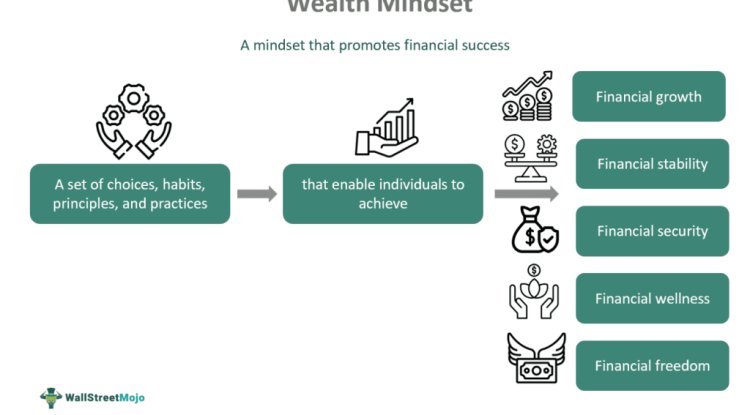
The transition from a "spender" to an "investor" is a fundamental shift in mindset. It requires delayed gratification. You are choosing to sacrifice a small luxury today for the sake of freedom tomorrow. Regardless of your profession—whether you are an engineer, a teacher, a retail worker, or an artist—the math remains the same. The sooner you start, the less "heavy lifting" your money has to do later.
Conclusion: The First Step is the Hardest
The journey to wealth does not begin with a million dollars; it begins with the decision to start with whatever you have. In the digital age, the tools are at your fingertips. By leveraging fractional shares, low-cost index funds, and the power of compounding, you can transform small, consistent contributions into a significant financial legacy.
What's Your Reaction?