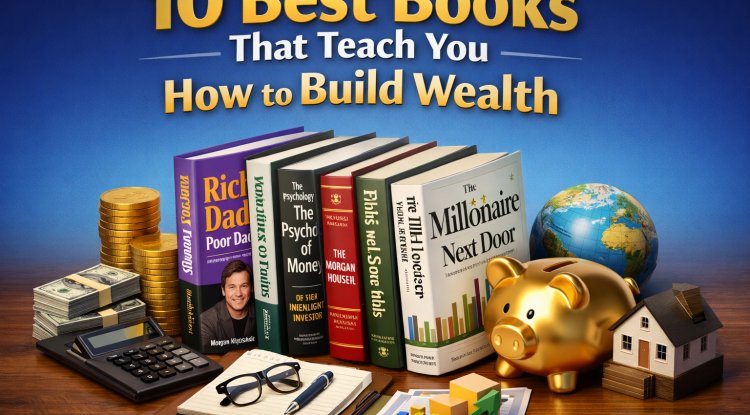
10 Best Books That Teach You How to Build Wealth
Discover the 10 best books that teach powerful wealth-building principles, investing strategies, and financial mindset habits. Learn how top financial authors explain money management, asset building, long-term investing, and financial independence.
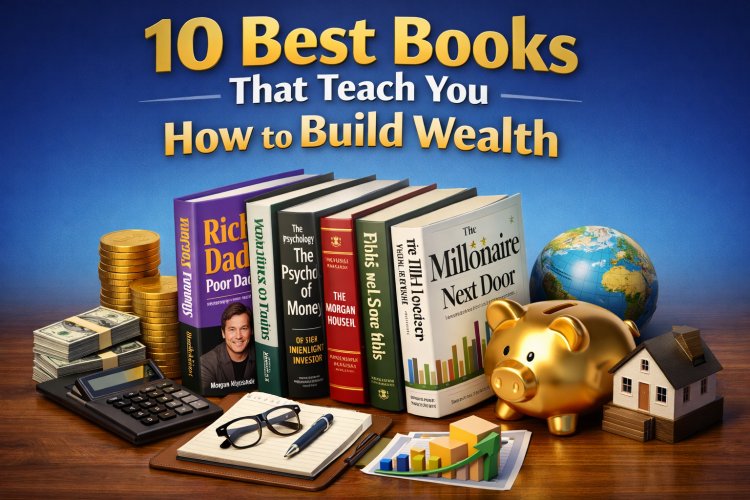
Building wealth is not simply about earning a high income. Many people earn substantial salaries yet struggle financially because they lack the knowledge, mindset, and discipline required to manage and grow their money. Wealth creation is a skill, and like any skill, it can be learned and improved through education and consistent practice.
One of the most powerful ways to gain financial knowledge is through reading books written by experienced investors, economists, entrepreneurs, and financial thinkers. Books allow readers to access decades of experience, research, and financial wisdom in a structured and practical format. Unlike short social media posts or quick online tips, books offer deeper insights into financial behavior, investment strategies, and long-term wealth building principles.
Throughout history, many successful entrepreneurs and investors have emphasized the role of reading in shaping their financial mindset. Warren Buffett, one of the world's most successful investors, famously spends a large portion of his day reading financial reports, books, and research. The reason is simple: knowledge compounds just like money.
This article explores ten of the most influential books that teach the principles of wealth creation. These books have helped millions of readers understand how money works, how to develop a strong financial mindset, and how to build long-term financial security.
By the end of this article, readers will understand:
-
Why financial education is essential for wealth creation
-
Which books provide the most valuable lessons about money and investing
-
The key financial principles discussed in these books
-
Practical ways to apply these lessons in everyday financial decisions
For anyone serious about improving their financial future, reading these books can be one of the most valuable investments they ever make.
Why Financial Education Matters
The Gap in Traditional Education
Most traditional education systems focus on academic knowledge and professional skills but rarely teach students how to manage money. Schools typically emphasize subjects such as mathematics, science, and literature, yet financial literacy is often missing from the curriculum.
As a result, many people enter adulthood without understanding essential financial concepts such as budgeting, investing, asset building, or debt management. They may learn how to work for money, but they are rarely taught how money works.
This gap in financial education can lead to poor financial decisions. Many individuals accumulate debt, spend more than they earn, and fail to build long-term investments simply because they were never taught how financial systems operate.
Financial education fills this gap by helping individuals understand:
-
How income and expenses affect wealth accumulation
-
The difference between assets and liabilities
-
The importance of saving and investing
-
The role of financial discipline in long-term success
Books play a critical role in providing this knowledge.
Self-Education and Wealth Creation
Successful investors and entrepreneurs consistently emphasize the importance of self-education. Unlike formal education, self-education allows individuals to learn directly from experts who have practical experience in building wealth.
Self-education through books offers several advantages:
Access to Proven Strategies
Financial books often contain strategies that have been tested and refined over decades. Readers gain access to methods used by successful investors, business owners, and financial thinkers.
Development of Financial Mindset
Many wealth-building books focus on mindset. They teach readers how to think about money differently, emphasizing long-term planning, disciplined investing, and strategic decision-making.
Learning from Others’ Mistakes
Books often analyze financial mistakes made by individuals, investors, or entire markets. Learning from these examples can help readers avoid costly errors.
Affordable Education
Compared to formal courses or expensive seminars, books provide high-value financial education at a very low cost.
The following sections highlight ten of the most influential books that have shaped the financial thinking of millions of readers around the world.
Top Books to Read for Wealth Building
1. Rich Dad Poor Dad by Robert Kiyosaki
"Rich Dad Poor Dad" is one of the most widely read personal finance books ever written. The book contrasts the financial philosophies of two father figures in the author's life: one who follows traditional employment and one who builds wealth through investing and business.
The central idea of the book is that financial education is more important than high income. Many people with high salaries remain financially insecure because they lack the knowledge required to manage money effectively.
Key lessons from this book include:
Understanding Assets and Liabilities
Kiyosaki emphasizes the importance of distinguishing between assets and liabilities. According to his framework:
Assets generate income.
Liabilities take money out of your pocket.
Building wealth requires acquiring income-producing assets rather than accumulating expenses.
The Importance of Financial Education
The book encourages readers to learn about money independently rather than relying solely on formal education.
Making Money Work for You
Instead of working only for income, individuals should focus on building assets that generate passive income over time.
2. The Psychology of Money by Morgan Housel
This book focuses on the behavioral side of money rather than technical financial strategies. Morgan Housel argues that financial success is often determined by behavior rather than intelligence.
Many individuals fail financially not because they lack knowledge, but because they make emotional decisions involving spending, investing, or risk.
Key ideas from the book include:
Wealth Is What You Do Not See
Many people associate wealth with visible signs such as luxury cars, expensive houses, or designer clothing. However, true wealth is often invisible because it consists of investments and savings.
The Power of Long-Term Thinking
Financial success is usually the result of consistent decisions made over long periods rather than quick wins.
Emotional Discipline in Investing
Investors who remain calm during market fluctuations often perform better than those who react emotionally to market changes.
3. The Intelligent Investor by Benjamin Graham
Originally published in 1949, "The Intelligent Investor" is widely regarded as one of the greatest investment books ever written. Benjamin Graham, known as the father of value investing, introduced principles that have influenced generations of investors.
Warren Buffett has described this book as the best book on investing ever written.
Key lessons include:
Value Investing
Investors should focus on purchasing undervalued assets rather than following market trends.
Margin of Safety
A margin of safety protects investors from unexpected losses by ensuring that investments are purchased at prices significantly below their intrinsic value.
Long-Term Investing
The book emphasizes patience and disciplined decision-making rather than speculation.
4. Think and Grow Rich by Napoleon Hill
This classic book explores the psychological principles behind financial success. Napoleon Hill studied many successful entrepreneurs and business leaders to identify the mindset patterns that contribute to wealth creation.
The book emphasizes:
-
Goal setting
-
Persistence
-
Positive thinking
-
Self-belief
Although written decades ago, the principles remain highly relevant today.
5. The Millionaire Next Door by Thomas Stanley and William Danko
This book challenges common assumptions about wealthy individuals. Many people imagine millionaires as individuals with lavish lifestyles, but the research presented in this book reveals a different reality.
Most millionaires:
-
Live modest lifestyles
-
Spend less than they earn
-
Invest consistently over time
The book is based on extensive research involving wealthy households in the United States.
Key insights include:
Wealth Is Built Through Discipline
Consistent saving and investing often matter more than high income.
Avoid Lifestyle Inflation
Many individuals increase their spending as their income grows, which prevents them from accumulating wealth.
Focus on Long-Term Financial Independence
Financial independence is achieved through disciplined financial habits rather than short-term luxury consumption.
Key Lessons From These Books
Start Investing Early
Time is one of the most powerful tools in wealth creation. Investments grow through compound interest, which means that returns generate additional returns over time.
For example, someone who begins investing in their twenties has a significant advantage over someone who starts in their forties.
Manage Risk Carefully
Successful investors understand that risk management is essential. Rather than chasing high-risk opportunities, they focus on strategies that balance risk and return.
Diversification is one of the most common methods used to manage investment risk.
Focus on Building Assets
Assets are the foundation of long-term wealth. These may include:
-
Stocks and bonds
-
Real estate
-
Businesses
-
Intellectual property
-
Digital assets
The key principle is that assets generate income or increase in value over time.
Think Long Term
Many financial mistakes occur when individuals focus on short-term gains. Wealth building typically requires patience, consistency, and strategic planning over many years.
How to Apply These Lessons
Develop a Reading Habit
Reading financial books regularly can significantly improve financial understanding. Setting aside even twenty minutes each day for reading can lead to major improvements in knowledge over time.
Creating a personal financial reading list helps maintain consistency.
Implement Financial Ideas Immediately
Reading alone is not enough. The value of financial knowledge comes from applying it.
Readers should identify actionable ideas from each book and implement them in their financial planning.
Examples include:
-
Creating a budget
-
Starting an investment portfolio
-
Reducing unnecessary expenses
-
Increasing savings rates
Build a Personal Financial Plan
A financial plan helps individuals organize their financial goals and strategies.
A typical financial plan includes:
-
Income management
-
Expense tracking
-
Investment strategies
-
Retirement planning
-
Risk management
By combining the lessons from financial books with a structured financial plan, individuals can significantly improve their financial stability.
Conclusion
Building wealth requires more than just earning money. It requires knowledge, discipline, and the ability to make informed financial decisions over long periods.
The books discussed in this article provide valuable insights into the principles of wealth creation, investment strategies, and financial mindset development. Each book offers unique perspectives that help readers understand how money works and how financial success can be achieved.
Individuals who invest in financial education gain a significant advantage in managing their finances. Reading books written by experienced investors and financial thinkers allows readers to learn from decades of research and real-world experience.
Financial literacy empowers individuals to take control of their financial future and make decisions that support long-term prosperity.
Call to Action
If you want to improve your financial future, start building a habit of reading financial books. Choose one book from this list and begin learning the principles that successful investors and entrepreneurs use to build wealth.
Knowledge is one of the most powerful assets a person can acquire. The more you invest in financial education, the more opportunities you create for financial growth and long-term success.
For more financial education articles, wealth building strategies, and investment insights, visit:
Start learning today and begin your journey toward financial independence.
Files
What's Your Reaction?