Finance for Kids: Teaching Children Money Values, Saving Habits, and Early Investing Skills
Teach kids financial literacy early. Learn money values, saving habits, budgeting, earning skills, and simple investing strategies for children of all ages.
Financial literacy is no longer an optional life skill. In a world shaped by digital payments, instant gratification, and rising economic demands, teaching children about money early is one of the greatest gifts a parent can offer. When children understand how money works, how to earn it, how to save it, and how to grow it, they gain confidence, independence, and discipline that carries into adulthood.
This comprehensive guide explores the foundations of Finance for Kids, the strategies every parent or educator can use, and the systems that help children develop lifelong wealth-building skills.
1. Why Teaching Kids About Money Matters
Children form money beliefs long before they earn their first salary. Research shows that financial habits start developing as early as age 7. The attitudes they form—whether positive or negative—shape how they save, spend, borrow, and invest later in life.
Teaching kids about money early helps them:
-
Build self-discipline
-
Understand value and effort
-
Reduce fear or shame around money
-
Make smarter financial choices
-
Avoid debt traps
-
Develop a wealth-building mindset
Money shouldn’t be treated as an adult-only topic. When kids learn money values early, they step into adulthood prepared and confident.
2. Key Money Values Every Child Should Learn
Before numbers, charts, or budgets, start with values. These are the foundations that shape all future financial behavior.
a. Money is Earned, Not Given
Kids need to learn the connection between effort and reward. Pocket money can be tied to age-appropriate tasks such as chores, homework consistency, creativity challenges, or helpfulness at home.
b. The Difference Between Needs and Wants
This simple concept builds lifelong financial discipline. Children who understand this learn how to make trade-offs, delay gratification, and prioritize essentials.
c. Saving Comes Before Spending
This principle conditions them for future budgeting, emergency funds, and investments.
d. Generosity and Sharing
Money is also a tool for impact. Teaching kids to give cultivates gratitude and empathy.
e. Every Shilling Has a Purpose
Introduce them to the idea that money should be told where to go, not disappear without a plan.
3. How to Teach Kids Smart Saving Habits
Saving is the gateway to financial discipline. Make it fun, consistent, and measurable.
a. Use the “Three Jar System”
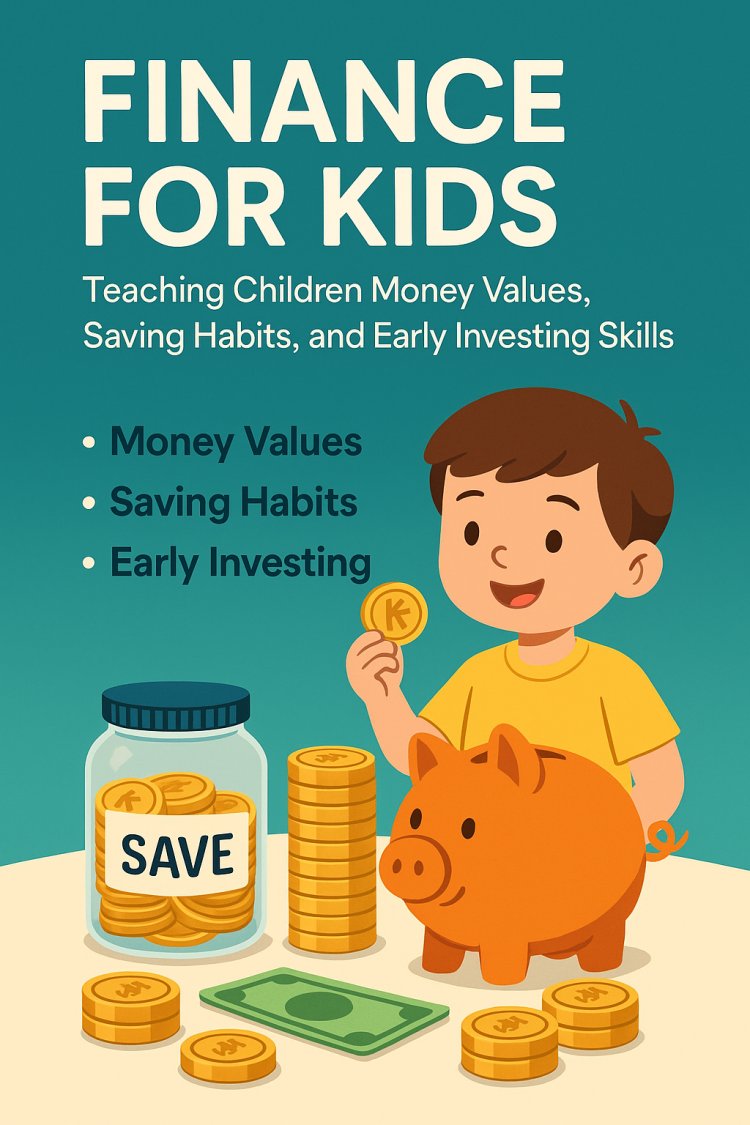
Label jars: Save, Spend, Give
Every coin is split into these categories. Kids visually see money accumulate and understand how different decisions affect each jar.
b. Set “Fun Savings Goals”
Children learn best when the goal excites them:
-
New toy
-
Bicycle
-
A book
-
A school trip
Break the goal into smaller steps so they experience progress frequently.
c. Introduce Matching Contributions
Just like employer pension matches, parents can “match” a percentage of what the child saves. This teaches the concept of compound motivation.
d. Celebrate Milestones
Recognition encourages consistency. Highlight when they reach 25%, 50%, 75%, or complete the goal.
4. Teaching Kids About Earning Money
Children should also understand how money enters their life, not just how it is spent.
Ways Kids Can Earn Money Legally and Safely
-
Doing chores
-
Washing the family car
-
Selling handmade crafts
-
Helping with a family business
-
Digital tasks like basic photo edits or simple designs (for older kids)
-
Recycling bottles or plastics
-
Selling old toys or books
Earning creates discipline, confidence, and appreciation for value.
5. Teaching Kids the Basics of Budgeting
Budgeting is not only an adult skill. Kids can learn it through simple, fun systems.
Kid-Friendly Budget Formula
-
Save 40%
-
Spend 40%
-
Give 10%
-
Invest 10%
These percentages can shift with age, but the structure helps them understand how to allocate money responsibly.
Use Real-Life Scenarios
Ask them:
-
“If you had KES 500, how would you divide it?”
-
“What happens if you spend all your money today?”
This encourages intuitive financial thinking.
6. Introducing Kids to Investing (Simple and Age-Appropriate)
Investing may sound too advanced for children, but it is actually the perfect age to plant seeds of wealth-building. The goal is not complexity but exposure.
a. Explain Investing in Simple Language
Investing is like:
-
Planting a seed and watching it grow
-
Owning a tiny piece of big companies like Safaricom, Disney, or Coca-Cola
-
Putting money into something that multiplies
b. Start with “Mini-Investment Experiences”
You can simulate investing using:
-
A piggy bank labelled “investment”
-
A simple chart tracking growth
-
A real stock account under a parent’s name (Kenya: CMA-approved brokers or unit trusts)
c. Teach Compound Interest
Use stories:
“If you plant one mango today, next year you get a tree. That tree grows more mangoes. Soon, you have more fruits than you planted.”
Kids understand that money grows over time, not instantly.
7. Using Digital Tools to Teach Financial Literacy
Modern kids learn faster with interactive tools.
Recommended Apps/Websites
-
PiggyVest Kids
-
GoHenry
-
Greenlight
-
BusyKid
-
DIY charts on Excel or Google Sheets
These apps teach saving, spending, allowance management, and goal tracking.
8. Money Lessons for Different Age Groups
Each age requires a specific approach.
Ages 3–6
-
Counting coins
-
Understanding needs vs wants
-
Simple chores for small rewards
-
The three-jar system
Ages 7–10
-
Budgeting basics
-
Setting savings goals
-
Earning from simple tasks
-
Introduce basic investing concepts
Ages 11–14
-
Real budgeting
-
Opening junior savings accounts
-
Understanding interest
-
Intro to entrepreneurship
-
School-based money challenges
Ages 15–18
-
Real earning opportunities
-
Financial planning
-
Debt awareness
-
Early entrepreneurship
-
Learning about stocks, SACCOs, and unit trusts
9. How Parents Can Model Healthy Financial Behavior
Children copy what they observe, not what they are told.
Model:
-
Responsible spending
-
Saving consistently
-
Avoiding impulsive buying
-
Discussing money openly
-
Showing them how you budget
A financially healthy home produces financially confident children.
10. Building a Lifelong Wealth Mindset in Kids
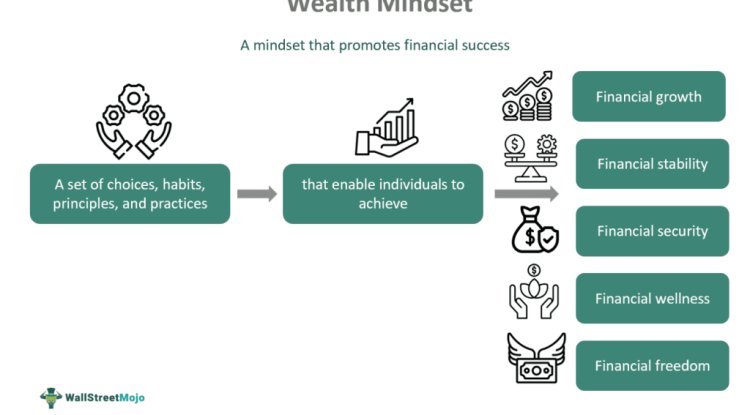
Your goal is not only to teach money skills but to develop mindsets that create wealth.
Teach them:
-
Wealth grows slowly, not overnight
-
Skills are more valuable than money
-
Problems create opportunities
-
Money should work for you
-
Discipline beats income
When mindset changes, habits follow.
Conclusion
Finance for kids is one of the most powerful investments a family can make. When children learn the basics of saving, budgeting, earning, and investing early, they enter adulthood with clarity, confidence, and the tools required to build wealth. Start small, stay consistent, and make money lessons fun. The seeds you plant today will grow into financially responsible, empowered adults tomorrow.
What's Your Reaction?