How to Get Out of Debt Faster: The Ultimate 2026 Guide to Financial Freedom
Learn the proven strategies to accelerate your debt payoff. From the Snowball Method to high-level restructuring, this guide provides a roadmap to financial independence for everyone.

Debt is more than just a numerical balance on a screen; it is a weight that affects mental health, career choices, and the ability to plan for the future. Whether you are a student navigating initial loans, a professional managing a mortgage, or a retiree looking to clear the slate, the desire to be debt-free is a universal human ambition.
The Psychology of Debt
Before diving into the mathematics of repayment, it is crucial to understand the "why" behind the "how." Human beings are not always rational actors. We often prioritize immediate gratification over long-term security. To get out of debt faster, you must shift your mindset from viewing debt as a "tool" to viewing it as a "barrier."
Phase 1: The Diagnostic Audit
You cannot defeat an enemy you haven't mapped out. The first step is a comprehensive audit of every cent owed.
-
List Every Debt: Include the creditor, the total balance, the interest rate (APR), and the minimum monthly payment.
-
Calculate the Total Interest: Understand exactly how much your debt costs you every 24 hours.
-
Identify Leakage: Where is your money going? Use a month of bank statements to categorize spending into "Needs" versus "Wants."
Phase 2: Choosing Your Mathematical Strategy
There are two primary schools of thought when it comes to accelerating debt repayment: the Debt Snowball and the Debt Avalanche.
The Debt Snowball
Popularized for its psychological benefits, this method involves paying off the smallest balance first while maintaining minimum payments on everything else.
-
The Benefit: You see immediate results. Closing an account provides a dopamine hit that keeps you motivated.
-
The Downside: You may pay more in interest over time if your larger debts have higher rates.
The Debt Avalanche
This method targets the debt with the highest interest rate first.
-
The Benefit: Mathematically, this is the fastest way to save the most money.
-
The Downside: If your highest-interest debt is also your largest balance, it may take months or years to feel like you are making progress.
Phase 3: Structural Optimizations
Getting out of debt faster often requires changing the terms of the debt itself.
-
Balance Transfers: For those with high credit card debt, a 0% APR balance transfer card can pause interest for 12 to 21 months, allowing 100% of your payment to hit the principal.
-
Consolidation Loans: Combining multiple high-interest debts into a single personal loan with a lower fixed rate can simplify your life and reduce total costs.
-
Refinancing: Particularly for student loans or mortgages, refinancing to a lower rate can shave years off your repayment timeline.
Phase 4: Expanding the Gap
Debt repayment is a function of the "gap"—the difference between what you earn and what you spend. To move faster, you must widen this gap from both ends.
Decreasing Expenses
-
The Subscription Audit: Cancel every service you have not used in the last 30 days.
-
The 48-Hour Rule: Wait 48 hours before any non-essential purchase over fifty dollars.
-
Negotiation: Call your service providers (internet, insurance, phone) and ask for better rates or loyalty discounts.
Increasing Income
-
Skill Arbitrage: Use your professional skills to consult or freelance on weekends.
-
The Asset Purge: Sell unused items in your home. If you haven't touched it in a year, it is better served as a payment toward your credit card.
-
Micro-Investing Rewards: Use cashback apps and credit card rewards (carefully) to funnel small "found" amounts of money directly into your debt.
Phase 5: Avoiding Common Pitfalls
The journey to being debt-free is rarely a straight line. Many fall into the trap of "lifestyle inflation"—as soon as they pay off a car, they buy a more expensive one. To avoid this:
-
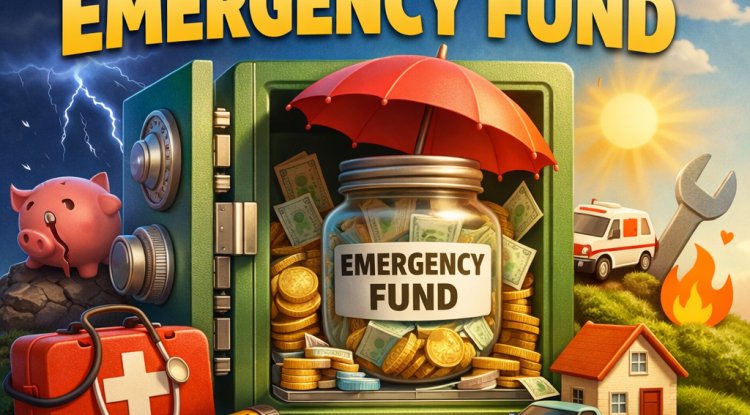
Build a Starter Emergency Fund: Having $1,000 to $2,000 set aside prevents you from reaching for a credit card when the car breaks down.
-
Avoid New Credit: While paying down debt, freeze your credit or hide your cards to prevent "sliding back."
-
The "Found Money" Rule: Tax refunds, bonuses, and monetary gifts should be applied 100% to debt until the balances are zero.
Phase 6: The Long-Term Vision
What happens after the debt is gone? The habits you build while getting out of debt—discipline, tracking, and intentionality—are the same habits required to build wealth. Once the interest you pay becomes interest you earn, your trajectory changes forever.
Conclusion
Getting out of debt faster is not a matter of luck; it is a matter of strategy and stamina. By auditing your finances, choosing a repayment method that fits your personality, and aggressively widening the gap between your income and expenses, you can reclaim your financial future.
What's Your Reaction?