Strategies to Protect Your Money From Inflation
Inflation quietly reduces purchasing power over time. Learn proven strategies to protect your money from inflation, preserve wealth, and build long-term financial security in any economy.

Inflation is one of the most persistent and underestimated threats to personal wealth. It operates quietly, gradually reducing the purchasing power of money over time. While inflation is a natural part of most economic systems, failing to plan for it can erode savings, weaken income, and derail long-term financial goals.
Across the world, individuals and families face rising costs of living, higher prices for essentials, and uncertainty about future economic conditions. Whether you are a student, professional, entrepreneur, retiree, or investor, understanding how inflation works and how to protect your money from it is a critical life skill.
This article explores practical, time-tested, and globally relevant strategies to help you safeguard your money against inflation. These strategies are applicable regardless of age, profession, or income level, and focus on long-term financial stability rather than short-term speculation.
Understanding Inflation and Its Impact on Your Money
Inflation refers to the general increase in prices over time, which leads to a decrease in the purchasing power of money. When inflation rises, the same amount of money buys fewer goods and services than before.
For example, if inflation averages five percent annually, money sitting idle effectively loses five percent of its real value each year. Over a decade, this loss compounds significantly. While moderate inflation can indicate economic growth, uncontrolled or poorly managed inflation can severely harm personal finances.
The true danger of inflation lies in its subtlety. Many people focus on nominal income or account balances without considering what those figures can actually buy in real terms. Protecting your money from inflation requires proactive planning, informed decision-making, and a willingness to adapt to changing economic conditions.
The Importance of Inflation-Aware Financial Planning
Financial planning without accounting for inflation is incomplete. Goals such as buying a home, funding education, retiring comfortably, or building generational wealth must be evaluated in real, inflation-adjusted terms.
An inflation-aware financial plan considers:
-
Future costs rather than today’s prices
-
Real returns instead of nominal returns
-
The long-term erosion of purchasing power
-
The need for income growth over time
By acknowledging inflation as a constant factor, individuals can make smarter choices that protect and grow their wealth over decades.
Diversification as a First Line of Defense
Diversification is one of the most effective tools for managing inflation risk. Holding all wealth in a single asset type, currency, or investment exposes individuals to concentrated risk.
A diversified financial portfolio spreads money across different asset classes such as equities, bonds, real estate, commodities, and cash equivalents. These assets often respond differently to inflationary pressures, reducing the likelihood that inflation will erode all holdings simultaneously.
Diversification does not eliminate risk, but it significantly improves resilience in uncertain economic environments.
Investing in Assets That Outpace Inflation
To protect money from inflation, it is essential to invest in assets that historically grow faster than inflation over the long term.
Equities and Business Ownership
Stocks represent ownership in companies that can raise prices, innovate, and expand operations. Over long periods, equities have consistently delivered returns that exceed inflation. While markets fluctuate in the short term, long-term participation in productive businesses remains one of the most reliable ways to preserve and grow purchasing power.
Real Estate
Real estate often performs well during inflationary periods because property values and rental income tend to rise with inflation. Real estate also offers the advantage of tangible value and income generation, making it a strong inflation hedge when managed responsibly.
Commodities and Natural Resources
Commodities such as energy resources, agricultural products, and industrial materials often rise in price during inflation. While they can be volatile, they play a useful role in protecting against rising costs.
The Role of Inflation-Protected Securities
Some financial instruments are specifically designed to protect investors from inflation. Inflation-linked bonds adjust their principal or interest payments based on inflation rates, ensuring that returns maintain real purchasing power.
These instruments are particularly useful for conservative investors, retirees, or individuals seeking predictable income while guarding against inflation risk.
Avoiding Excessive Cash Holdings
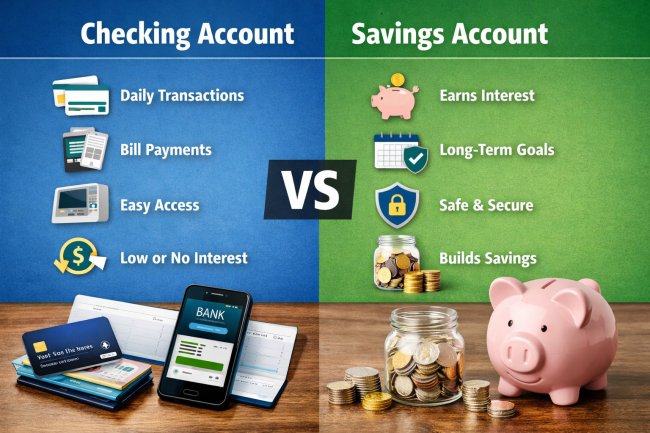
Cash provides liquidity and short-term security, but excessive cash holdings can be harmful in inflationary environments. Money kept in low-interest accounts loses real value when inflation exceeds interest earned.
Maintaining an emergency fund is essential, but surplus cash should be strategically allocated to assets with growth potential. The goal is not to eliminate cash entirely, but to ensure it does not become the dominant portion of your financial strategy.
Building Multiple Streams of Income
Relying on a single income source makes individuals vulnerable to inflation. As living costs rise, stagnant income quickly becomes insufficient.
Developing multiple income streams enhances financial resilience. These may include:
-
Salary growth through skill development
-
Business income
-
Investment income
-
Rental income
-
Royalties or intellectual property
Income diversification not only helps offset inflation but also provides flexibility and long-term stability.
Continuous Skill Development and Human Capital
One of the most overlooked inflation protection strategies is investing in personal skills and knowledge. Individuals who continuously upgrade their skills remain competitive in the job market and are better positioned to negotiate higher income.
Human capital often delivers inflation-beating returns over a lifetime. Education, professional certifications, and adaptability are powerful tools for maintaining earning power in changing economies.
Managing Debt Strategically
Debt can either amplify or reduce inflation risk depending on how it is managed. Fixed-rate debt may become easier to repay in real terms as inflation rises, while variable-rate debt can become more expensive.
Using debt responsibly, particularly for income-producing or appreciating assets, can support inflation-resistant wealth building. However, excessive consumer debt often worsens financial stress during inflationary periods.
Long-Term Perspective and Discipline
Short-term reactions to inflation often lead to poor financial decisions. Panic selling, speculative behavior, and emotional investing can destroy wealth faster than inflation itself.
Maintaining a long-term perspective allows individuals to ride out market cycles, benefit from compounding, and stay aligned with their financial goals. Discipline, patience, and consistency remain essential regardless of economic conditions.
The Power of Compounding Against Inflation
Compounding is one of the strongest forces in finance. When returns consistently exceed inflation, wealth grows exponentially over time.
Starting early, reinvesting earnings, and avoiding unnecessary withdrawals significantly enhance the power of compounding. Even modest returns can result in substantial real wealth if given enough time.
Monitoring and Adjusting Your Strategy
Inflation dynamics change over time due to policy decisions, global events, and technological shifts. A strategy that works today may require adjustment in the future.
Regularly reviewing financial plans, asset allocation, and income sources ensures continued alignment with inflation realities. Flexibility and informed decision-making are key components of long-term success.
Financial Literacy as a Lifelong Asset
Financial literacy empowers individuals to understand inflation, recognize risks, and identify opportunities. Without financial education, people often rely on outdated assumptions or misleading advice.
Understanding how money works in real terms enables better budgeting, smarter investing, and stronger financial independence. Financial literacy is not a one-time achievement but a lifelong process.
Protecting Wealth Across Generations
Inflation does not only affect individuals but also impacts generational wealth transfer. Families that fail to account for inflation risk seeing wealth diminish over time.
Long-term planning, diversified investments, and structured wealth management help ensure that assets maintain value across generations.
Final Thoughts: Inflation Is Inevitable, Preparation Is Optional
Inflation is a constant force in modern economies, but its impact on personal finances is not inevitable. Those who understand inflation and plan accordingly can preserve purchasing power, grow wealth, and achieve financial stability even in uncertain times.
Protecting your money from inflation requires a combination of knowledge, discipline, diversification, and long-term thinking. By adopting inflation-aware strategies today, you position yourself for a more secure and resilient financial future.
What's Your Reaction?