The 50/30/20 Rule Explained With Examples: A Simple Budgeting Method for Financial Freedom
Learn how the 50/30/20 rule works with real-life examples. This simple budgeting method helps individuals worldwide manage income, control expenses, save money, and achieve long-term financial stability.

Managing money is a universal challenge. Regardless of where you live, how much you earn, or what stage of life you are in, the question remains the same: how do you balance spending, saving, and enjoying life without constant financial stress? One of the most widely recommended answers to this question is the 50/30/20 rule.
The 50/30/20 rule is a simple budgeting framework that helps individuals organize their income into clear categories. It is easy to understand, flexible enough for different lifestyles, and powerful enough to build long-term financial stability. This article explains the 50/30/20 rule in detail, breaks down each category, and provides practical examples that show how the rule works in real life.
What Is the 50/30/20 Rule?
The 50/30/20 rule is a budgeting method that divides your after-tax income into three main categories:
-
50 percent for needs
-
30 percent for wants
-
20 percent for savings and debt repayment
This rule was popularized as a practical approach to money management because it focuses on balance rather than restriction. Instead of tracking every single expense, you focus on allocating percentages of your income.
The goal is not perfection but consistency. Over time, following this structure can improve spending habits, increase savings, and reduce financial anxiety.
Why the 50/30/20 Rule Works Globally
One of the strengths of the 50/30/20 rule is its universal application. Whether someone earns a high income or a modest one, lives in a developed economy or a developing region, the principle remains the same: prioritize essentials, enjoy life responsibly, and prepare for the future.
The rule adapts to different currencies, costs of living, and financial systems. It focuses on proportions rather than exact amounts, making it suitable for professionals, students, families, entrepreneurs, and retirees alike.
Understanding the 50 Percent: Needs
Needs are essential expenses that you cannot reasonably live without. These costs are required for basic survival, safety, and functioning in society.
Common Examples of Needs
-
Housing (rent or mortgage)
-
Utilities (electricity, water, gas)
-
Basic food and groceries
-
Transportation for work or daily life
-
Health insurance and medical expenses
-
Minimum loan payments
-
Childcare essentials
Example of Needs in Practice
Imagine you earn 1,000 units of currency per month after tax.
According to the 50/30/20 rule:
-
500 units go toward needs
This could look like:
-
Rent: 250
-
Utilities: 70
-
Groceries: 120
-
Transportation: 60
Total needs: 500
The key is distinguishing between true needs and lifestyle upgrades. For example, basic internet may be a need, but premium subscriptions are not.
Understanding the 30 Percent: Wants
Wants are non-essential expenses that improve your quality of life but are not necessary for survival. This category allows you to enjoy your income without guilt, as long as spending remains within limits.
Common Examples of Wants
-
Dining out
-
Entertainment and streaming services
-
Vacations and travel
-
Shopping for non-essential items
-
Hobbies and leisure activities
-
Upgraded technology
-
Luxury services
Example of Wants in Practice
Using the same monthly income of 1,000:
-
300 units go toward wants
This could include:
-
Dining out: 100
-
Streaming subscriptions: 30
-
Shopping: 80
-
Social activities: 90
Total wants: 300
This category encourages mindful enjoyment rather than impulsive spending.
Understanding the 20 Percent: Savings and Debt Repayment
The final 20 percent is allocated to building financial security and reducing financial risk. This category plays a crucial role in long-term wealth creation.
Common Uses of the 20 Percent
-
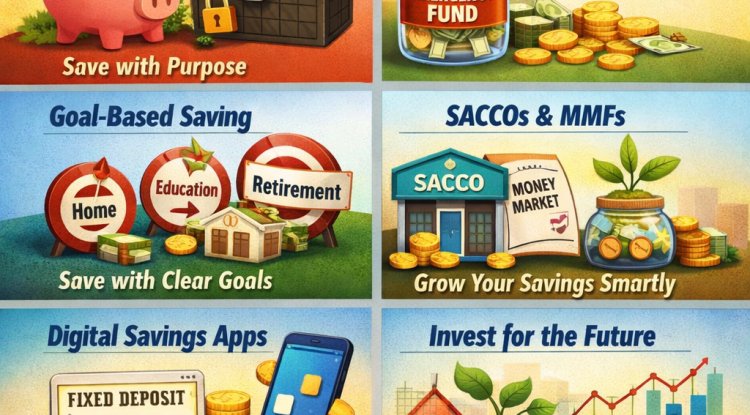
Emergency fund savings
-
Retirement contributions
-
Investment accounts
-
Extra loan payments
-
Education savings
-
Business capital
Example of Savings Allocation
From the same income of 1,000:
-
200 units go toward savings or debt repayment
This might include:
-
Emergency fund: 100
-
Retirement savings: 70
-
Extra debt payment: 30
Over time, this consistent saving habit can significantly improve financial resilience.
Real-Life Example: A Working Professional
Consider a professional earning 2,000 units per month after tax.
-
Needs (50 percent): 1,000
-
Wants (30 percent): 600
-
Savings (20 percent): 400
Breakdown:
-
Rent and utilities: 700
-
Food and transport: 300
-
Entertainment and leisure: 600
-
Savings and investments: 400
This individual maintains stability while still enjoying life and building wealth.
Example for Freelancers and Variable Income Earners
For individuals with irregular income, the 50/30/20 rule can still apply by using average monthly earnings.
If a freelancer earns an average of 1,500 units:
-
Needs: 750
-
Wants: 450
-
Savings: 300
During high-income months, extra funds can boost savings. During lower-income months, spending on wants may be reduced to protect essential needs and savings.
Adapting the Rule When Income Is Low
Not everyone can strictly follow the 50/30/20 split, especially at lower income levels where essentials consume a larger portion of earnings.
In such cases:
-
Needs may take 60 to 70 percent
-
Wants may drop to 10 to 20 percent
-
Savings may start at 5 to 10 percent
The principle remains the same: allocate intentionally and adjust gradually as income grows.
Adapting the Rule for High Earners
High earners may find that their needs take far less than 50 percent of income. This creates opportunities to increase savings or investments.
For example:
-
Needs: 40 percent
-
Wants: 30 percent
-
Savings: 30 percent or more
This flexibility accelerates wealth-building while maintaining lifestyle comfort.
Benefits of the 50/30/20 Rule
1. Simplicity
The rule is easy to understand and apply without complex spreadsheets.
2. Financial Awareness
It forces clarity about where money is going.
3. Balanced Lifestyle
It allows enjoyment while maintaining discipline.
4. Improved Savings Habits
Automatic allocation encourages consistency.
5. Reduced Financial Stress
Clear boundaries minimize uncertainty and guilt.
Common Mistakes to Avoid
-
Confusing wants with needs
-
Ignoring savings during financial pressure
-
Not adjusting percentages as life changes
-
Failing to track expenses at all
-
Treating the rule as rigid instead of flexible
How to Start Using the 50/30/20 Rule Today
-
Calculate your monthly after-tax income
-
List all expenses
-
Categorize each expense as need, want, or saving
-
Adjust spending to fit the percentages
-
Review monthly and make improvements
Consistency matters more than perfection.
The Role of the 50/30/20 Rule in Financial Education
Teaching this rule early helps individuals develop healthy money habits. It builds financial literacy by emphasizing planning, responsibility, and foresight.
For professionals, it encourages sustainable growth. For families, it supports shared financial goals. For young adults, it creates a strong foundation for the future.
Conclusion
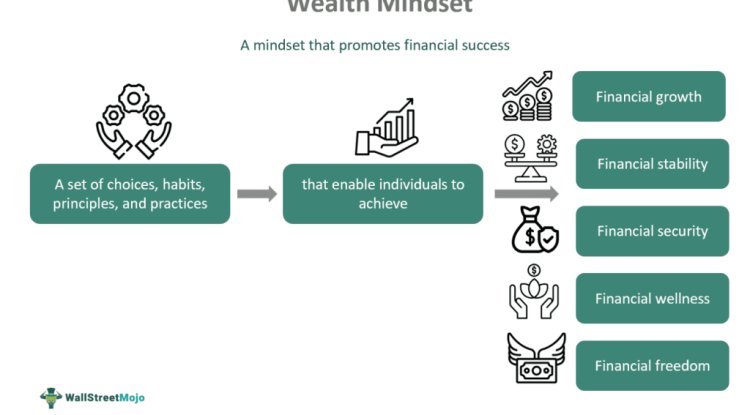
The 50/30/20 rule is more than a budgeting formula. It is a mindset that promotes balance, discipline, and financial confidence. By allocating income intentionally, individuals can meet their needs, enjoy their lives, and prepare for the future without unnecessary stress.
No matter your income level or profession, this rule offers a practical framework that adapts to your reality. With commitment and regular review, it can become a powerful tool for achieving financial stability and long-term success.
What's Your Reaction?