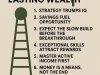
10 High-Leverage Habits That Will Increase Your Income in 2026
**Summary & Description (Meta Tag):** Discover the 10 powerful high-leverage habits that successful entrepreneurs, investors, and professionals use to increase their income in 2026. Learn how to build scalable skills, leverage technology and AI, create multiple income streams, invest consistently, and develop systems that grow wealth sustainably in the modern digital economy.

In the fast-evolving economy of 2026, income growth no longer comes from working harder alone. The modern wealth creators—entrepreneurs, creators, investors, and digital professionals—are succeeding because they operate with high-leverage habits.
These habits multiply effort, increase productivity, and allow one person to create the economic output that previously required an entire team.
Technology, automation, artificial intelligence, digital platforms, and global markets have changed the rules. Today, the people who grow their income consistently are those who build systems, assets, and scalable skills.
The following ten habits represent the core behaviors shared by financially successful individuals in 2026.
Adopt them consistently, and they will reshape how you think about money, work, and opportunity.
Habit 1: Build Skills That Scale
The highest earners in 2026 prioritize skills that scale beyond their time.
Instead of focusing only on tasks that pay hourly, they develop abilities that can produce income repeatedly.
Examples include:
• Digital marketing
• Artificial intelligence tools
• coding and automation
• online business building
• sales and persuasion
• content creation
A single scalable skill can generate global opportunities, allowing someone in Nairobi, Lagos, London, or New York to earn from the same digital marketplace.
The key is constant learning and upgrading.
In a world where technology evolves rapidly, those who continuously develop valuable skills remain economically relevant.
Habit 2: Design Systems Instead of Working Harder
Hard work is important, but systems create wealth.
Successful entrepreneurs structure their lives around systems that allow results to repeat automatically.
Examples include:
• automated marketing funnels
• digital sales systems
• outsourcing routine tasks
• automated investing plans
• scheduled content distribution
Instead of asking:
"How can I work more?"
High-income individuals ask:
"How can this work without me constantly involved?"
Systems transform effort into consistent income streams.
Habit 3: Control Your Time With Strategic Focus
Time has become the most valuable currency in the modern economy.
Wealth builders protect their time aggressively.
They eliminate distractions and prioritize work that produces measurable financial impact.
Common practices include:
• time blocking
• limiting social media consumption
• scheduling deep work sessions
• delegating low-value tasks
Instead of reacting to every opportunity, they focus on high-impact activities that drive growth.
Focused time leads to accelerated progress.
Habit 4: Build Multiple Income Streams
The era of relying on a single income source is fading.
The most financially secure individuals develop multiple streams of income.
Examples include:
• business profits
• dividend investments
• digital product sales
• affiliate income
• consulting or advisory services
• real estate income
Diversified income streams reduce financial risk and increase overall earning potential.
In 2026, financial resilience often comes from income diversity.
Habit 5: Invest Consistently, Not Occasionally
High earners do not simply earn more money—they invest it consistently.
Investment allows income to grow even when someone is not actively working.
Common investment areas include:
• stocks and ETFs
• real estate
• technology startups
• digital assets
• private equity opportunities
The power of investing lies in compounding.
Small investments made regularly can grow significantly over time.
Financial growth accelerates when money begins to work independently.
Habit 6: Leverage Technology and Artificial Intelligence
Artificial intelligence has become one of the most powerful economic tools of the modern era.
Entrepreneurs who embrace AI gain an enormous productivity advantage.
Examples of AI leverage include:
• automated content creation
• customer support bots
• marketing optimization tools
• research and analytics automation
• AI-assisted programming
By combining human creativity with machine efficiency, one person can produce the output of an entire team.
Technology is no longer optional—it is a competitive advantage.
Habit 7: Surround Yourself With Growth-Oriented People
Environment shapes financial outcomes.
People who build wealth intentionally place themselves in growth-oriented communities.
This includes:
• entrepreneurs
• investors
• builders and innovators
• mentors and advisors
These networks provide:
• opportunities
• partnerships
• knowledge sharing
• accountability
When surrounded by ambitious thinkers, higher standards become normal.
Habit 8: Think Long Term Instead of Short Term
Short-term thinking focuses on immediate gratification.
Long-term thinking builds wealth.
Financially successful individuals evaluate decisions based on future impact, not just present reward.
They prioritize:
• long-term investments
• business building
• skill development
• reputation and credibility
While short-term opportunities can produce quick gains, sustainable wealth typically comes from long-term strategies.
Habit 9: Build Personal Brand Authority
In the digital economy, attention has become a powerful asset.
People who consistently share knowledge, ideas, and insights build personal brand authority.
This can be achieved through:
• social media platforms
• blogs and newsletters
• podcasts
• video content
• online education
A strong personal brand attracts:
• opportunities
• clients
• partnerships
• influence
In many industries today, visibility creates opportunity.
Habit 10: Turn Knowledge Into Assets
The final habit is transforming knowledge into income-producing assets.
Instead of keeping expertise private, successful individuals package their knowledge into scalable formats.
Examples include:
• digital courses
• ebooks
• online memberships
• training programs
• educational platforms
Once created, these assets can generate revenue repeatedly.
Knowledge becomes one of the most powerful forms of capital.
Conclusion
Success in 2026 belongs to people who operate with intentional habits and scalable systems.
The global economy rewards those who:
• build valuable skills
• leverage technology
• invest consistently
• think long term
• create assets
Adopting these habits does not require perfection.
It requires commitment.
When practiced consistently, small daily improvements compound into powerful financial outcomes.
Start with one habit.
Apply it daily.
Refine your systems.
Over time, the habits that once required discipline will become the foundation of your financial life.
And that is where real wealth begins.
What's Your Reaction?