How to Build an Emergency Fund in 12 Months: The Ultimate Strategy for Financial Security
Master your finances with our step-by-step 12-month guide to building a robust emergency fund. Learn expert saving strategies, budgeting hacks, and high-yield wealth-building tips for global professionals.
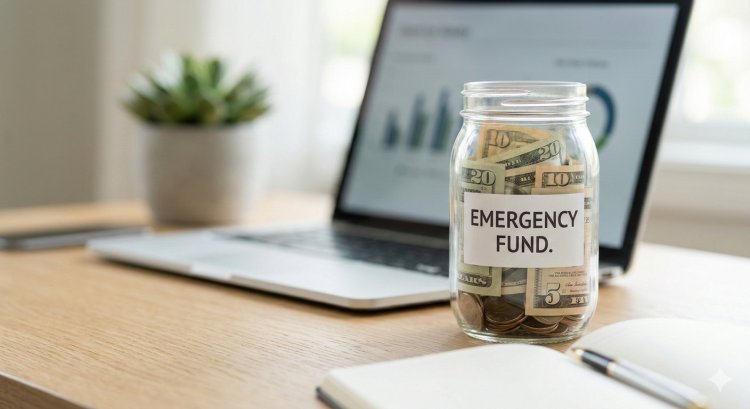
In an era of global economic volatility, the difference between a minor setback and a total financial collapse often comes down to a single factor: liquidity. Whether you are a freelance developer in Berlin, a corporate executive in Tokyo, or a healthcare professional in New York, the universal truth of economics remains that life is unpredictable. Job markets shift, health crises arise, and infrastructure fails.
The "Emergency Fund" is not merely a savings account; it is a psychological barrier against anxiety and a structural barrier against debt. This guide provides an exhaustive, 12-month blueprint for constructing a financial safety net that allows you to navigate the world with confidence.
Phase I: Evaluation and Infrastructure (Months 1–2)
Before you can save, you must audit. Most individuals fail to build a fund because they view "savings" as whatever is left at the end of the month. To succeed, you must flip the script: savings must be a non-negotiable expense.
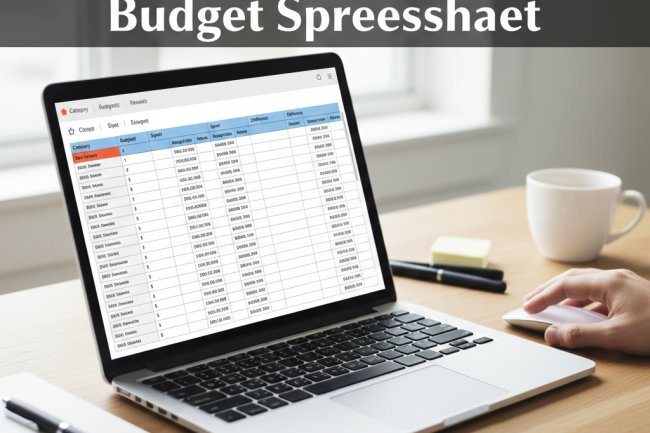
Month 1: The Granular Audit
Your first 30 days are dedicated to data collection. You cannot manage what you do not measure.
-
Fixed vs. Variable Expenses: Identify your "survival number." This is the absolute minimum amount required to pay for housing, utilities, food, and basic transport.
-
The Leakage Identification: Look for "phantom subscriptions" and micro-transactions. Small daily habits often equate to thousands of dollars over a fiscal year.
-
The Goal Setting: A standard emergency fund covers 3 to 6 months of expenses. Calculate your target total. If your monthly survival cost is $3,000, your 12-month goal is $9,000 to $18,000.
Month 2: Banking for Success
Where you keep your money is as important as how much you keep.
-
The High-Yield Savings Account (HYSA): Do not keep your emergency fund in your primary checking account. The friction of having it in a separate, interest-bearing account prevents impulsive spending.
-
Automation: Set up a "Pay Yourself First" system. On the day your salary is deposited, a fixed percentage should automatically transfer to your HYSA.
Phase II: Aggressive Accumulation (Months 3–6)
With the infrastructure in place, the second quarter of your year focuses on maximizing the gap between your income and your expenditures.
Month 3: The Psychology of Scarcity
Adopt a "zero-based budget" this month. Every dollar must be assigned a job before the month begins. If you have $100 left over, it is assigned to the Emergency Fund. By treating your budget as a closed system, you eliminate the "drift" that usually leads to lifestyle inflation.
Month 4: The Income Supplement
For many, cutting costs is not enough to hit a 12-month goal. This month, focus on "Found Money":
-
Asset Liquidation: Sell unused electronics, furniture, or clothing.
-
The Skills Arbitrage: If you are a professional, consider one-off consulting or freelance gigs. Every cent of this "extra" income goes directly into the fund.
Month 5: Optimization of Recurring Costs
Negotiate your fixed costs. Call insurance providers, internet service providers, and utility companies. In a globalized market, loyalty to a brand often costs you a premium. Switching or renegotiating can often yield a 10% to 15% reduction in monthly overhead.
Month 6: The Halfway Milestone
By the end of Month 6, you should have at least 1.5 to 2 months of expenses saved. This is the "danger zone" where many people feel comfortable and stop. Do not stop. This is the moment to analyze your progress and recalibrate if you are behind.
Phase III: Advanced Financial Engineering (Months 7–9)
Now that you have a base, you must protect it from inflation and optimize your tax position.
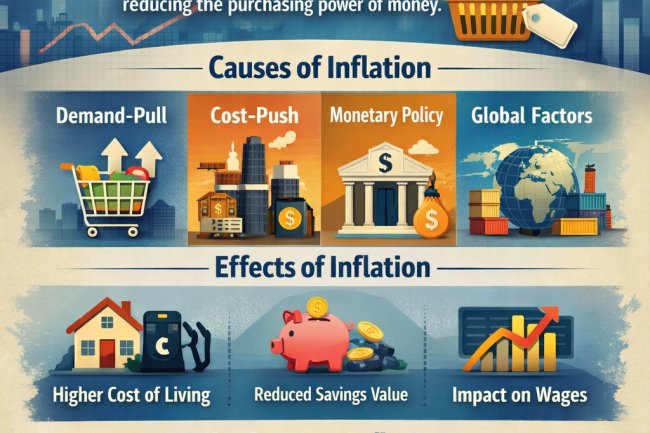
Month 7: Understanding Inflation and Purchasing Power
If your emergency fund is sitting in a 0.01% interest account while global inflation is at 3% or 4%, you are losing money. Ensure your HYSA or Money Market Account is competitive. For those in high-inflation regions, consider "laddering" short-term government bonds or certificates of deposit (CDs) to ensure your capital preserves its value.
Month 8: Debt Synergy
If you have high-interest consumer debt (credit cards), it may seem counterintuitive to save for an emergency while paying 20% interest. However, without a small emergency fund, any new crisis will just go back onto the credit card. This month, balance your fund contributions with a "Debt Avalanche" or "Debt Snowball" method to reduce interest outlays.
Month 9: Lifestyle Deflation
Challenge yourself to a "No-Spend Month." Aside from essentials, halt all discretionary spending. This serves two purposes: it provides a massive boost to the fund and proves to you that you can survive on much less than you currently spend.
Phase IV: Finalization and Maintenance (Months 10–12)
The final stretch is about crossing the finish line and establishing the rules for the fund’s use.
Month 10: Defining an "Emergency"
An emergency is not a holiday, a sale, or a birthday gift. An emergency is:
-
Unplanned medical expenses.
-
Sudden job loss or income reduction.
-
Essential home or vehicle repairs.
-
Family crises requiring travel. Write down your personal "Charter of Use" to prevent dipping into the fund for non-emergencies.
Month 11: The Buffering Strategy
As you approach your goal, begin to build a "buffer" in your primary checking account. This prevents you from ever needing to touch the Emergency Fund for small fluctuations in monthly bills.
Month 12: Goal Attainment and The Pivot
Once you hit your 3-6 month target, celebrate—but do not spend the fund. Your next step is to redirect the "savings muscle" you have built over the last year toward long-term investments, such as retirement accounts, real estate, or a diversified stock portfolio.
Conclusion: The Peace of Mind Dividend
Building an emergency fund is the single most important professional and personal project you will undertake this year. It transforms you from a victim of circumstance into a master of your own destiny. When the car breaks down or the industry pivots, you will not panic. You will simply look at your balance, handle the situation, and move forward.
What's Your Reaction?