Saving Money: Simple Habits That Work
Saving money doesn’t require extreme sacrifice. Discover simple, practical money-saving habits that actually work for all income levels and lifestyles.

Introduction
Saving money is one of the most talked-about financial goals in the world, yet it remains one of the hardest habits for many people to maintain. Across cultures, income levels, and professions, individuals often struggle with the same question: why is saving money so difficult, even when we know it is important?
The truth is that saving money is not about how much you earn. It is about how you manage what you earn. Many high-income earners live paycheck to paycheck, while others with modest incomes build stable financial lives. The difference lies in habits, not income.
This article explores simple, practical money-saving habits that actually work. These habits are realistic, sustainable, and applicable to people of all ages, genders, and professional backgrounds. There are no extreme rules, no unrealistic sacrifices, and no quick-fix promises. Instead, the focus is on small behavioral changes that create long-term financial stability.
Saving money is not about deprivation. It is about intention, awareness, and consistency.
Understanding Why Saving Money Matters
Saving money is more than just setting cash aside. It is about building security, reducing stress, and creating options for the future.
When you save consistently, you protect yourself from financial emergencies such as medical expenses, job loss, or unexpected repairs. Savings also give you freedom. Freedom to make better career decisions, freedom to invest in opportunities, and freedom to plan for the future without constant anxiety.
Financial stress affects mental health, relationships, and overall well-being. One of the most effective ways to reduce this stress is to develop healthy money habits that allow you to stay in control of your finances.
Saving money is not a one-time decision. It is a lifestyle practice.
Habit 1: Pay Yourself First
One of the most powerful money-saving habits is paying yourself first. This means saving before you spend, not after.
Many people save only what is left at the end of the month. In most cases, there is nothing left. Paying yourself first reverses this pattern. As soon as you receive income, a portion is automatically directed into savings.
This habit works because it removes temptation and decision fatigue. When savings happen automatically, you are less likely to spend the money elsewhere.
Start small. Even saving five or ten percent of your income can make a significant difference over time. The amount matters less than the consistency.
Habit 2: Track Where Your Money Goes
You cannot manage what you do not measure. One of the most common reasons people fail to save is that they underestimate how much they spend.
Tracking expenses creates awareness. It reveals spending patterns, habits, and leaks that quietly drain your finances.
Expense tracking does not require complex systems. It can be done using a notebook, spreadsheet, or budgeting app. The goal is not perfection, but clarity.
When you see where your money goes, you can make informed decisions instead of emotional ones.
Habit 3: Live Below Your Means
Living below your means does not mean living poorly. It means spending less than you earn and avoiding unnecessary financial pressure.
Many people increase their spending as their income increases, a behavior known as lifestyle inflation. While it feels rewarding in the short term, it often prevents long-term savings.
Living below your means allows you to build savings, invest, and create financial flexibility. It also protects you during periods of reduced income.
This habit is about conscious choices, not sacrifice.
Habit 4: Create a Simple Budget You Can Maintain
Budgeting often fails because people make it too complicated or restrictive. A budget should serve you, not punish you.
A simple budget focuses on major categories such as housing, food, transportation, savings, and discretionary spending. It does not need to track every minor expense.
The purpose of a budget is awareness and direction. It helps you understand your financial priorities and align your spending accordingly.
The best budget is one you can stick to consistently.
Habit 5: Build an Emergency Fund
An emergency fund is a financial safety net. It protects you from relying on debt when unexpected expenses arise.
Financial experts often recommend saving three to six months of living expenses. However, starting with a smaller goal is perfectly acceptable.
Even a modest emergency fund can reduce financial stress and prevent long-term financial damage.
Consistency matters more than size when building an emergency fund.
Habit 6: Reduce Unnecessary Expenses
Saving money does not require eliminating all enjoyment. It requires identifying expenses that do not add real value to your life.
Unnecessary expenses often hide in subscriptions, impulse purchases, and convenience spending. Reviewing your expenses regularly helps you identify areas where money can be saved without affecting quality of life.
The goal is intentional spending, not extreme frugality.
Habit 7: Avoid High-Interest Debt
High-interest debt is one of the biggest obstacles to saving money. Credit cards and payday loans often consume income that could otherwise be saved.
Reducing or eliminating high-interest debt frees up cash flow and reduces financial stress.
Prioritizing debt repayment is a critical step toward long-term financial stability.
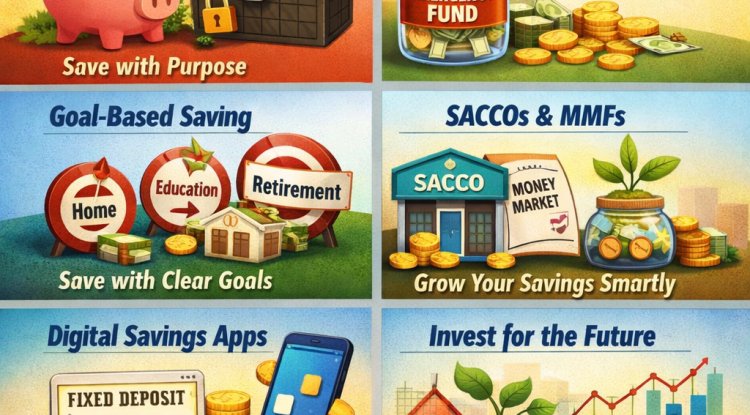
Habit 8: Set Clear Financial Goals
Saving without a goal can feel meaningless. Clear goals provide motivation and direction.
Financial goals can be short-term, such as saving for a vacation, or long-term, such as retirement or home ownership.
Goals should be specific, measurable, and realistic. Writing them down increases commitment and accountability.
When you know what you are saving for, it becomes easier to stay disciplined.
Habit 9: Practice Delayed Gratification
Delayed gratification is the ability to resist immediate pleasure for long-term benefit. It is one of the most important financial skills.
Before making a purchase, pause and ask whether it aligns with your goals. Waiting even 24 hours can prevent impulse spending.
Delayed gratification strengthens financial discipline and improves decision-making.
Habit 10: Increase Financial Literacy
Understanding money improves how you manage it. Financial literacy empowers you to make better choices about saving, spending, and investing.
Learning about personal finance does not require formal education. Books, articles, and reputable online resources provide valuable knowledge.
The more you understand money, the more confident and intentional you become.
Habit 11: Save Windfalls and Bonuses
Unexpected income such as bonuses, gifts, or refunds provides an excellent opportunity to boost savings.
Instead of increasing spending, allocate a significant portion of windfalls to savings or debt repayment.
This habit accelerates financial progress without affecting daily living.
Habit 12: Review Your Finances Regularly
Regular financial reviews help you stay on track and make adjustments when needed.
Monthly or quarterly reviews allow you to evaluate progress, identify challenges, and refine goals.
Saving money is a dynamic process. Regular reviews keep it aligned with your life circumstances.
The Role of Mindset in Saving Money
Money habits are closely tied to mindset. Beliefs about money influence how we earn, spend, and save.
Viewing saving as a form of self-care rather than deprivation changes behavior. Saving is not about fear or restriction. It is about empowerment and future security.
A healthy money mindset supports consistent saving habits.
Common Mistakes That Prevent Saving
Many people sabotage their savings without realizing it. Common mistakes include unrealistic budgeting, ignoring small expenses, and relying on motivation instead of systems.
Avoiding these mistakes requires awareness, patience, and consistency.
Progress matters more than perfection.
Saving Money at Any Income Level
Saving money is possible at any income level. While higher income provides more flexibility, habits determine outcomes.
Starting small, staying consistent, and adjusting as income changes allows saving to grow naturally over time.
Financial stability is built through behavior, not income alone.
Long-Term Benefits of Saving Money
The benefits of saving extend beyond finances. Savings reduce stress, improve confidence, and create a sense of control.
Over time, consistent saving leads to opportunities for investing, entrepreneurship, and wealth creation.
Saving money is a foundation for a balanced and secure life.
Conclusion
Saving money does not require extreme discipline or complex systems. It requires simple habits practiced consistently over time.
By paying yourself first, tracking expenses, living below your means, and setting clear goals, you can build financial stability regardless of income level.
Saving money is not about restriction. It is about freedom, security, and choice.
The habits discussed in this article are not shortcuts. They are sustainable practices that work because they align with real life.
Start small. Stay consistent. Let your habits work for you.
What's Your Reaction?