Why an Emergency Fund is Your Most Important Financial Asset (And How to Build One)
Learn everything about emergency funds: what they are, why they are essential for financial security, and a step-by-step guide to calculating your ideal savings goal.

The concept of a "rainy day" is a universal human experience. Regardless of your profession, age, or geographic location, life is inherently unpredictable. From sudden medical requirements and urgent home repairs to the global shifts in the labor market, the need for a financial buffer has never been more critical. An emergency fund is not just a bank account; it is a psychological and structural foundation for a stable life.
What is an Emergency Fund?
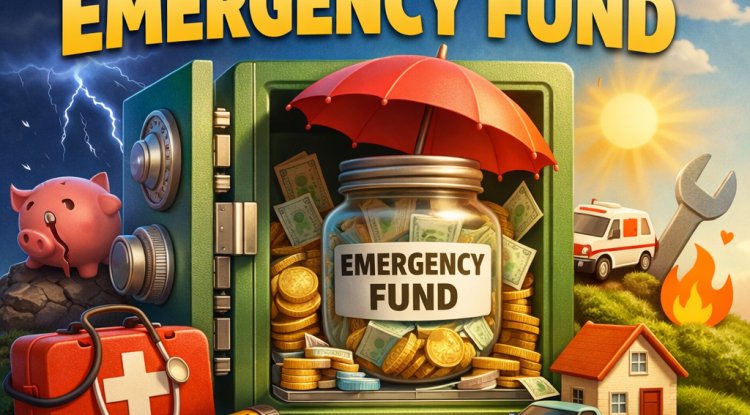
At its core, an emergency fund is a stash of money set aside specifically to cover the financial costs of an unplanned event. It is separate from your long-term investments, your retirement fund, and your "fun money." The primary characteristic of an emergency fund is liquidity. This means the money must be easily accessible—usually in a high-yield savings account—where it can be withdrawn without penalty at a moment's notice.
It serves as your personal insurance policy. While traditional insurance covers specific disasters like fire or theft, your emergency fund covers the "gaps" in life: a sudden job loss, a broken transmission in your car, or an unexpected trip to the veterinarian.
Why Every Professional Needs a Safety Net
Whether you are a freelance graphic designer, a corporate executive, or a trade professional, your income is subject to variables outside your control. In a globalized economy, market shifts can happen overnight.
-
For the Young Professional: It prevents you from falling into high-interest credit card debt at the start of your career.
-
For the Established Family: It provides the peace of mind that a mortgage payment won't be missed if a primary earner is sidelined.
-
For the Retiree: It ensures that a market dip doesn't force you to sell your investments at a loss just to pay for a new roof.
How Much Do You Actually Need?
The standard financial advice suggests saving three to six months of essential living expenses. However, this is not a one-size-fits-all rule. Your ideal number depends on several risk factors:
-
Job Stability: If you work in a high-demand field with high job security, you might lean toward the three-month mark. If you are self-employed or work on commission, six to nine months is safer.
-
Dependents: The more people who rely on your income, the larger your cushion should be.
-
Cost of Living: High-rent urban areas require a larger absolute dollar amount than rural areas.
-
Insurance Deductibles: Look at your health and auto insurance. Your fund should at least be able to cover your highest deductible.
Calculating Your Target Number
To find your "Freedom Number," you must first calculate your essential monthly expenses. This includes:
-
Housing (Mortgage/Rent/Taxes)
-
Utilities (Electricity, Water, Internet)
-
Food (Groceries only, not dining out)
-
Transportation (Fuel, Insurance, Public Transit)
-
Minimum Debt Payments (Loans/Credit Cards)
Multiply this total by the number of months you wish to cover. For example, if your essential expenses are $3,000 per month, a six-month fund would be $18,000.
Where to Store Your Fund
The goal is not to grow this money aggressively, but to keep it safe and accessible.
-
High-Yield Savings Accounts (HYSA): These offer better interest rates than standard checking accounts while keeping your money liquid.
-
Money Market Accounts: These often come with a debit card or check-writing abilities, offering high liquidity.
-
Avoid: Tying this money up in the stock market or long-term certificates of deposit (CDs) where penalties or market volatility could prevent you from using the funds when you need them most.
The Path to Building Your Fund
Building a 3000-word-level depth of financial security doesn't happen overnight. It starts with a single step.
-
Start Small: Aim for an initial goal of $1,000. This covers most minor emergencies.
-
Automate Your Savings: Set up a direct transfer from your paycheck to your emergency account. If you never see the money, you won't miss it.
-
Audit Your Spending: Redirect "found money"—tax refunds, bonuses, or gifts—straight into the fund.
-
Adjust as Life Changes: If you get a promotion or move to a more expensive home, your emergency fund must grow to match your new lifestyle.
Conclusion
An emergency fund is the difference between a minor inconvenience and a life-altering crisis. It buys you time, it buys you choices, and most importantly, it buys you peace of mind. In an uncertain world, being your own benefactor is the ultimate form of empowerment.
What's Your Reaction?