Introduction
Financial education stands as one of the most powerful tools for personal and societal development in the 21st century. In Kenya, where a vibrant population, rapid technological adoption, and dynamic entrepreneurship culture converge, the need for sound financial understanding has never been greater. Across ages, professions, and regions, the ability to manage money, plan for the future, and make informed financial decisions affects every individual and household.
This comprehensive article explores the transformative potential of financial education in Kenya. We examine its benefits, barriers, real‑life impact stories, strategies for implementation, and how financial literacy contributes to national economic growth. Whether you are a student, professional, entrepreneur, parent, or retiree, this guide offers concrete insights into how financial education can change lives and shape a more prosperous Kenya.
What is Financial Education?
Financial education refers to learning the knowledge, skills, and behaviors needed to make effective financial decisions. It encompasses a range of topics including budgeting, saving, investing, credit management, debt control, insurance, retirement planning, and financial goal setting. Financial education is not limited to theoretical knowledge; it involves changing attitudes about money and applying practical skills to real life.
In Kenya, financial education also includes understanding digital finance tools such as mobile money services, digital savings, mobile banking, and fintech platforms, which have become integral to daily transactions.
Why Financial Education Matters in Kenya
1. Empowering Individuals
Financial education provides individuals with the tools to take control of their financial lives. Instead of reacting to financial challenges, people can plan proactively. Whether managing a household budget, opening a savings account, or understanding loan terms, financial knowledge builds confidence and reduces stress.
In many Kenyan communities, lack of financial literacy has contributed to poor borrowing decisions, excessive debt, and vulnerability to financial fraud. With proper education, individuals are better positioned to avoid these pitfalls.
2. Strengthening Household Well‑Being
Households are the economic units that drive community and national stability. When families understand income allocation, savings, and risk management, they can create buffers against economic shocks. Financial education helps families plan for school fees, emergencies, and future goals, leading to more resilient communities.
3. Supporting Entrepreneurship
Kenya is home to a growing number of small and medium enterprises (SMEs). Yet many entrepreneurs struggle with basic financial management such as cash flow planning, financial record‑keeping, and access to credit. Financial education equips business owners with essential skills to build sustainable enterprises, secure loans wisely, and scale operations.
4. Promoting Financial Inclusion
Financial inclusion refers to the accessibility and usage of financial services by all segments of society. Kenya has made remarkable progress through innovations like M‑Pesa, but inclusion is more than access; it is meaningful participation. Financial education ensures that individuals not only access banking, savings, and credit services but also use them effectively to improve their financial standing.
5. Reducing Poverty and Inequality
Poverty and inequality persist as challenges globally and within Kenya. Financial education contributes to poverty reduction by enabling income planning, prudent spending, and wealth accumulation. Educated individuals are better equipped to navigate economic uncertainties, seek opportunities for growth, and support future generations.
The Current State of Financial Literacy in Kenya
Financial literacy in Kenya has seen improvements in recent years, driven by government initiatives, NGOs, financial institutions, and private sector programs. However, gaps remain. A significant portion of the population still lacks comprehensive financial knowledge, particularly in rural areas and among vulnerable groups.
Younger generations are increasingly familiar with digital finance, yet they may lack deeper financial planning skills. Older adults, while experienced in traditional saving methods, may need support in understanding modern financial instruments. Across all ages, there is a need for structured financial education that is accessible, relevant, and continuous.
Barriers to Financial Education
1. Limited Access to Quality Information
Many Kenyans lack access to reliable financial information. Misinformation or lack of awareness about financial products can lead to poor choices.
2. Cultural Attitudes Toward Money
Cultural norms and attitudes toward money can influence financial behavior. In some communities, discussions about personal finance are considered taboo, preventing open learning and sharing.
3. Lack of Formal Training
Financial education is often absent or limited within formal education systems. Students graduate without basic money management skills, leaving them unprepared for financial responsibilities.
4. Technological Challenges
While digital finance has expanded rapidly, some segments of the population face challenges with digital literacy, internet access, and trust in online platforms.
Key Components of Effective Financial Education
To transform lives, financial education programs must be well‑designed and inclusive. Below are essential components:
A. Practical and Relevant Content
Financial education should address real needs—budgeting, saving, investing, and planning for life events such as education, marriage, and retirement.
B. Accessibility for All
Programs must reach diverse populations including youths, adults, rural residents, and professionals. Materials should be available in multiple languages and formats.
C. Integration with Technology
Digital platforms, mobile learning, and online courses can expand reach, especially among tech‑savvy populations.
D. Continuous Learning
Financial education is not a one‑time event. Ongoing reinforcement through workshops, online modules, and community discussions helps strengthen understanding.
E. Supportive Policy Environment
Government policies that prioritize financial literacy and support implementation at national and local levels enhance impact.
Success Stories: Financial Education in Action
Story 1: A Youth Entrepreneur in Nairobi
Jane, a young woman from Nairobi, started a small catering business with limited capital. Before receiving financial training through a local program, she struggled to price her services, track expenses, and manage cash flow. After learning budgeting and financial planning skills, Jane implemented record‑keeping systems and secured a microloan under favorable terms. Her business grew, and she now trains other young entrepreneurs in financial basics.
Story 2: A Rural Farmer’s Journey
In western Kenya, a farmer named Daniel faced unpredictable harvest yields and fluctuating market prices. Through a community financial literacy workshop, he learned about savings groups (chamas), risk mitigation, and crop diversification. Daniel joined a savings group, improved his planning for input purchases, and negotiated better prices for his produce. His family’s financial stability improved significantly.
Story 3: Financial Literacy Among Students
At a high school in Mombasa, students struggled with managing allowances and planning for future expenses. With the introduction of a financial literacy club, students learned about budgeting, saving, and the basics of investment. Some students even started savings challenges, setting financial goals and tracking progress. The program not only improved financial habits but also boosted confidence and responsibility.
Financial Education for All Age Groups
Children and Teens
Early financial education builds lifelong habits. Children can learn basic concepts such as saving, needs versus wants, and planning for goals. Schools play a vital role in incorporating financial literacy into the curriculum.
Young Adults
Young adults often face critical financial decisions—higher education financing, first jobs, credit card use, and savings. Tailored programs help them manage these transitions with confidence.
Mid‑Life Professionals
Professionals in their prime working years benefit from knowledge about investment, retirement planning, insurance, and wealth management. Financial education supports long‑term security and career growth.
Older Adults and Retirees
For older adults, understanding retirement income strategies, healthcare planning, and estate management ensures dignity and financial comfort in later years.
Practical Steps to Improve Financial Education in Kenya
1. Integrate Financial Literacy into Schools
Introducing structured financial education into primary and secondary school curricula ensures early exposure to essential money skills. Lessons on saving, budgeting, and financial decision‑making prepare students for real‑world financial responsibilities.
2. Community Outreach Programs
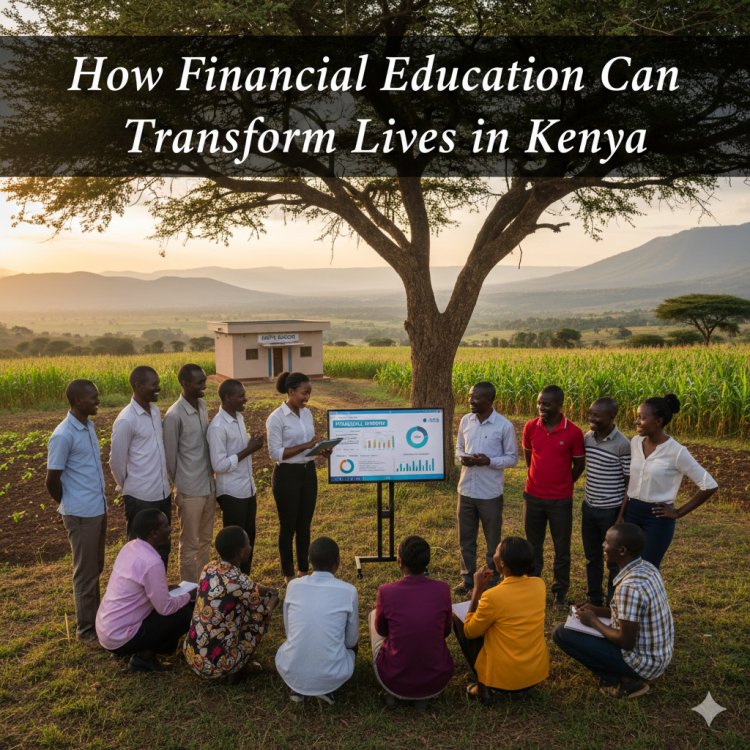
Government agencies, NGOs, and financial institutions can collaborate to offer workshops and seminars in urban and rural areas. These should be inclusive and designed to engage participants with interactive learning methods.
3. Digital Financial Education Platforms
Mobile apps, online courses, and social media campaigns can disseminate financial knowledge widely. With high mobile penetration in Kenya, digital platforms offer a scalable solution.
4. Employer‑Led Financial Wellness Programs
Workplaces can provide financial education as part of employee development programs. Topics such as retirement planning, debt management, and investment basics benefit employees across sectors.
5. Partnerships with Financial Institutions
Banks, savings cooperatives, and fintech companies can develop tailored financial education modules for their customers. Clear, jargon‑free materials enhance understanding and trust.
6. National Policy Support
Government leadership in promoting financial literacy through policies, funding, and strategic initiatives strengthens the overall ecosystem.
The Role of Technology in Financial Education
Kenya is globally recognized for mobile money innovations. Technology can further support financial education through interactive tools, gamification, virtual classrooms, and personalized learning experiences. Mobile money platforms can integrate tips, reminders, and learning modules that encourage financial responsibility while users transact.
Measuring Impact: How Do We Know Financial Education Works?
To assess the effectiveness of financial education initiatives, it is important to measure outcomes such as improved savings rates, reduced debt, increased use of financial services, and enhanced financial confidence. Surveys, data tracking, and long‑term studies help organizations refine programs and demonstrate impact across communities.
Conclusion
Financial education has the power to transform lives in Kenya by empowering individuals, strengthening households, supporting entrepreneurs, and promoting national economic growth. By equipping people with knowledge, skills, and confidence, financial education fosters resilience, opportunity, and dignity.
The journey toward a financially literate society requires collaboration across sectors—government, schools, financial service providers, communities, and individuals. When financial education becomes a priority, Kenya can unlock the full potential of its people, driving sustainable prosperity for all.
Whether you are seeking to improve your own financial skills or contribute to community programs, the path toward financial empowerment begins with learning, planning, and action. Financial education is more than information—it's transformation.