What Is Financial Literacy and Why It Matters Globally
Unlock the secrets of wealth management. Explore what financial literacy is, why it is the ultimate global equalizer, and how to master budgeting, investing, and debt.
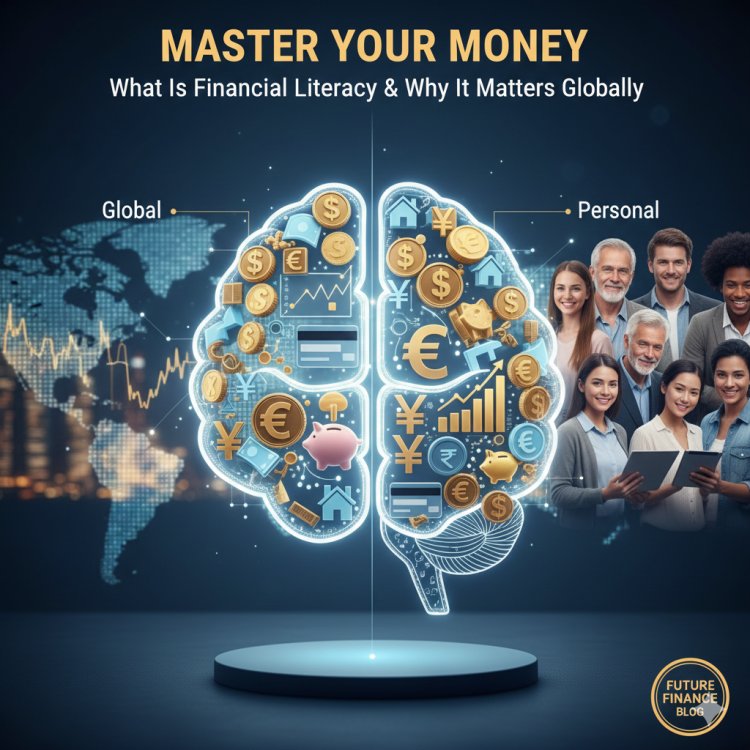
Introduction
In a world increasingly driven by complex economic systems, "Financial Literacy" is no longer a luxury for the elite or a niche subject for accountants. It is a fundamental life skill—as vital as reading or writing. At its core, financial literacy is the ability to understand and effectively use various financial skills, including personal financial management, budgeting, and investing.
Globally, the landscape of money is changing. From the rise of digital wallets in Nairobi to the stock market fluctuations in New York and Tokyo, the way we interact with value is evolving. However, despite the accessibility of digital tools, a significant portion of the global population remains "financially illiterate," leading to a cycle of debt, poor investment choices, and systemic poverty.
Section 1: Defining the Pillars of Financial Literacy
To understand why it matters, we must first break down what it actually entails. Financial literacy is built upon four primary pillars:
1. Budgeting and Cash Flow Management A budget is a roadmap for your money. Without it, even high earners can find themselves living paycheck to paycheck. Budgeting involves tracking income against expenses and ensuring that one’s "needs" do not overshadow their "wants" to the detriment of their future.
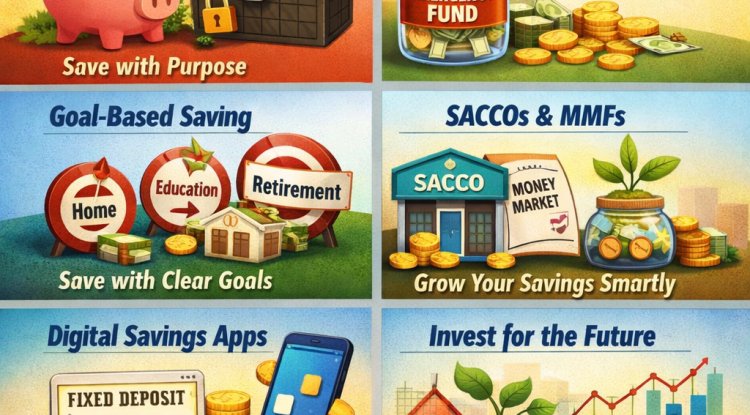
2. The Science of Saving and Investing Saving is the act of putting money aside for future use; investing is the act of making that money grow. Understanding the difference between a low-interest savings account and a diversified investment portfolio (stocks, bonds, real estate) is the difference between surviving and thriving.
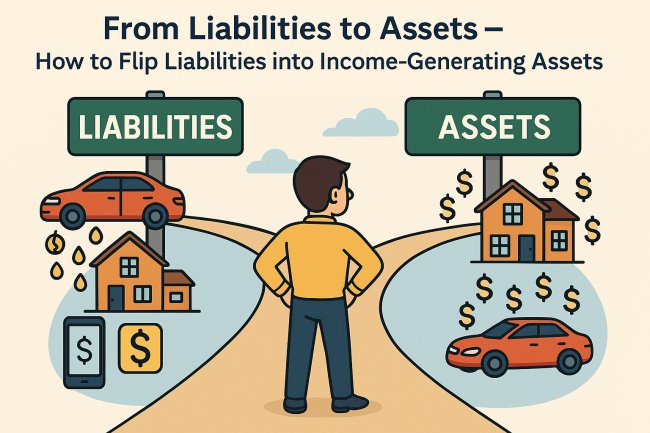
3. Debt Literacy Not all debt is created equal. Financial literacy teaches the distinction between "good debt" (like a mortgage or a low-interest student loan that increases net worth) and "bad debt" (like high-interest credit card debt). Understanding interest rates—specifically how they compound against you—is crucial for survival in a credit-based economy.
4. Risk Management and Protection Life is unpredictable. Financial literacy includes understanding insurance (health, life, disability) and the importance of an emergency fund. It is about building a "moat" around your financial fortress.
Section 2: Why Financial Literacy Matters Globally
The importance of this knowledge transcends borders. Whether you are a professional in London or a small-scale entrepreneur in Southeast Asia, the principles of compounding and inflation remain the same.
The Fight Against Poverty Financial literacy is one of the most effective tools for reducing global poverty. When individuals understand how to save and access micro-credit responsibly, they can move from subsistence living to building small businesses.
The Gender Gap and Economic Empowerment Historically, women have had less access to financial education and resources in many cultures. Increasing financial literacy among women has a "multiplier effect" on society, as women are statistically more likely to reinvest their earnings into their children’s education and health.
Navigating Inflation and Economic Volatility Inflation erodes purchasing power. A person who understands the time value of money knows that keeping $10,000 in cash for thirty years is actually a loss. Globally, as countries face varying rates of inflation, knowing how to hedge against currency devaluation is a matter of national and personal security.
Section 3: Financial Literacy for Professionals
Regardless of your field—medicine, engineering, the arts, or trade—financial literacy dictates the longevity of your career.
-
For the Entrepreneur: Understanding burn rates, profit margins, and ROI (Return on Investment) is the difference between a failed startup and a unicorn.
-
For the Employee: Understanding retirement contributions (like 401ks or pension schemes) and tax-advantaged accounts can result in millions of dollars of difference over a 40-year career.
-
For the Freelancer: Managing irregular income streams and self-employment taxes requires a high level of disciplined financial planning.
Section 4: The Psychology of Money
A major part of being financially literate is recognizing our own biases. Behavioral economics shows that humans are not always rational with money. We are prone to:
-
Loss Aversion: Fearing a loss more than enjoying a gain.
-
Instant Gratification: Prioritizing a purchase today over a secure retirement tomorrow.
-
Social Proof: Buying things we don't need to impress people we don't like.
Section 5: How to Improve Your Financial Literacy
Improving your "Financial IQ" is a lifelong journey.
-
Read Daily: Follow financial news and read classic books on wealth.
-
Use Technology: Utilize apps that track spending and automate savings.
-
Consult Professionals: Don't be afraid to speak with financial advisors, but ensure you understand their fee structures first.
-
Practice Transparency: Talk about money with your family and peers. Breaking the taboo of "money talk" is the first step toward education.
Conclusion: A Wealthier World for All
Financial literacy is the key to autonomy. It allows individuals to make choices based on their values rather than their desperation. When we prioritize financial education globally, we create more stable economies, more resilient families, and a more equitable world.
What's Your Reaction?